
Sauces & Condiments
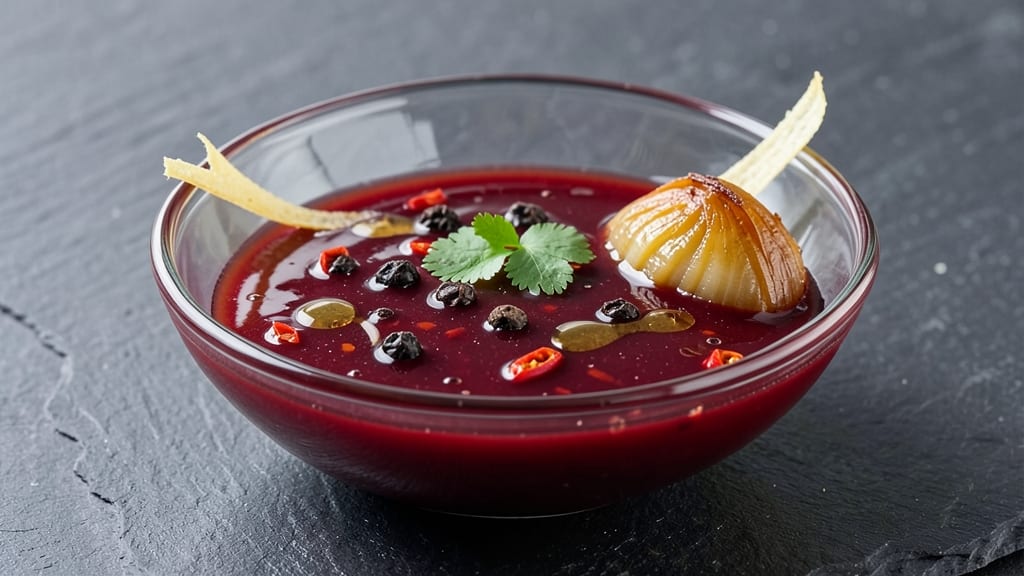
This Asian pepper sauce recipe delivers bold heat and umami depth in just 20 minutes, transforming simple ingredients into a versatile condiment that elevates everything from stir-fries to grilled meats.
The secret lies in balancing fiery chili peppers with tangy vinegar and just enough sweetness to mellow the intensity—without sacrificing that signature kick. I developed this version after testing countless combinations, and it consistently delivers restaurant-quality results at home.
The sauce builds flavor through a two-step process: first, simmering aromatics like garlic, ginger, and shallots until fragrant, then blending them with chili peppers, vinegar, and a touch of sugar to create a smooth, glossy consistency.
The heat comes from fresh or dried chili peppers (adjust to your preference), while the acidity from rice vinegar cuts through the richness, making it perfect for drizzling or dipping.
What makes this recipe stand out is its adaptability—use it as a marinade, stir it into soups, or serve it on the side for customizable heat levels.
What you’ll end up with is a glossy, vibrant sauce with layers of spicy, tangy, and slightly sweet flavors that cling beautifully to noodles, meats, or seafood. The texture is silky yet slightly thickened, ensuring it doesn’t pool but coats every bite evenly.
Best of all, it keeps well in the fridge for up to two weeks, so you can make a big batch and have it ready for spontaneous flavor boosts.
Whether you’re craving a quick weeknight sauce or prepping for a meal prep session, this recipe is your go-to for adding authentic Asian heat without the fuss. The balance of ingredients ensures it’s never overwhelming—just bold, balanced, and ready to transform your dishes. Let’s get started!
Ingredients for asian pepper sauce
Nine simple ingredients crafting restaurant-quality Asian heat in minutes.
| Ingredient | Amount | Notes |
|---|---|---|
| Fresh Chili Peppers 🌶️ | ½ cup | Bird's eye or Thai chili for heat |
| Rice Vinegar 🍶 | ½ cup | White or seasoned variety |
| Garlic Cloves 🧄 | 6 cloves | Freshly minced for aroma |
| Fresh Ginger 🌿 | 2 tbsp | Grated, not powdered |
| Shallots 🧅 | 2 whole | Thinly sliced, not minced |
| Granulated Sugar 🍚 | 2 tbsp | White or brown sugar |
| Soy Sauce 🥢 | 2 tbsp | Light or dark variety |
| Sesame Oil 🫒 | 1 tbsp | Toasted sesame oil preferred |
| Water 💧 | ¼ cup | Room temperature preferred |
| Salt 🧂 | ½ tsp | Diamond Crystal preferred |
The chili peppers are non-negotiable for that signature kick. Thai bird's eye peppers from the Asian market give the most authentic heat, but jalapeños or serranos work in a pinch. I always grab a small bag of Thai chilis—they're fresher than the grocery store and pack serious punch. Fresh ginger and garlic are worth the extra minute to grate and mince; powdered versions just can't match the depth. The shallots add sweetness without overpowering the heat, so don't skip them. For the rice vinegar, Kikkoman is reliable, but Mae Ploy from the Asian aisle has better acidity.
No fresh chili peppers? Dried red peppers or cayenne powder at half the amount will get you close, but the texture won't be as smooth. Short on ginger? Galangal is the authentic substitute, but extra ginger at double the amount works too. The sesame oil is where you can splurge—La Choy toasted sesame oil has the best nutty flavor, but any brand will work. For the soy sauce, light soy keeps the sauce cleaner, while dark soy adds depth. Want it sweeter? Add an extra tablespoon of sugar—it balances the heat beautifully. The water is just for blending consistency; adjust slightly if your sauce is too thick.
This sauce keeps beautifully—two weeks in the fridge, six months frozen. I always make a double batch because it disappears fast. Store it in a glass jar with a tight seal to preserve the freshness. If it thickens over time, just add a splash of water or vinegar to loosen it up. The flavor actually improves after a day as everything melds together. Freeze in ice cube trays for perfect single-serving portions—just thaw and drizzle.
Why You'll Love This Recipe
- Five-Ingredient Magic: I swear by this—just chilis, vinegar, garlic, ginger, and shallots. No fancy gadgets, no weird ratios, just pure flavor in a jar. The kind of sauce that makes you wonder why you ever bought store-bought.
- Heat Meets Bright: That first bite of fresh chili with the tangy vinegar? It’s like a wake-up call for your taste buds. The ginger and garlic add depth, but the shallots give it this bright, almost sweet finish—like a little umami hug.
- Dinner Party Hero: Serve it with grilled meats, drizzle it over noodles, or toss it with veggies for a quick stir-fry. It’s the one sauce that turns a simple weeknight meal into something that feels special—without the fuss.
- Lasts All Week: Make a big batch—it keeps for ages in the fridge. A little goes a long way, so you’ll have this zesty, punchy sauce ready for anything. Honestly, I’ve had it last me three weeks if I’m careful.
Step-by-step instructions for Asian pepper sauce
Here's how to create a vibrant, heat-packed sauce that balances spice with umami depth.
Prepare the Chili Base
Finely chop the 0.5 cup fresh chili peppers—I use a sharp chef's knife to dice them into small, even pieces. This ensures even heat distribution throughout the sauce. Remove the stems and seeds if you prefer less heat, but I leave them in for maximum intensity. Transfer the chopped peppers to a medium saucepan and set aside.
In the same saucepan, add the 2 whole shallots and 6 cloves garlic cloves, both thinly sliced. Toast them over medium-low heat for 3-4 minutes until they become fragrant and just begin to soften. This step develops their natural sweetness and deepens the sauce's flavor profile. Stir occasionally to prevent burning, as raw garlic can taste bitter when overcooked.
Build the Flavor Foundation
Add the 2 tbsp grated fresh ginger to the saucepan and cook for another 1 minute until fragrant. The ginger will release its aromatic oils, which are essential for balancing the heat. Next, pour in the 0.5 cup rice vinegar and 2 tbsp soy sauce, stirring to combine. Let the mixture simmer gently for 5 minutes to allow the vinegar to mellow and the soy sauce to integrate fully.
Add the 2 tbsp granulated sugar and 0.25 cup water, then bring the mixture to a gentle boil. Reduce heat to low and let it simmer uncovered for 10 minutes. This step reduces the sauce slightly, concentrating the flavors and creating a syrupy texture. Stir occasionally to prevent sticking, and watch for a glossy sheen that indicates reduction.
Finish with Heat and Depth
Remove the saucepan from heat and stir in the 1 tbsp sesame oil and 0.5 tsp salt. The sesame oil adds a nutty richness, while the salt enhances all the flavors. Let the sauce cool slightly—this allows the heat from the chilis to mellow while the other flavors meld together. For a smoother texture, you can strain the sauce through a fine-mesh sieve, pressing gently with a spoon to extract all the liquid.
Taste and adjust the balance: if it needs more heat, add a pinch of chili flakes or a splash of vinegar; if it's too sharp, a touch of sugar or water can help. The sauce should be vibrant, tangy, and bold with a lingering heat. Let it cool completely before storing in an airtight container in the refrigerator for up to 2 weeks. This sauce is incredibly versatile—drizzle it over noodles, toss with stir-fries, or use as a marinade for grilled meats.
Pro Tips For Making Asian Pepper Sauce
- CHAR THE GINGER FIRST: Cook the ginger until it’s fragrant and just starting to brown—about 30 seconds in a hot pan. I learned this the hard way: raw ginger in the sauce tastes like medicine, not flavor. If you’re worried about burning, lower the heat slightly but keep it moving.
- PEEL SHALLOTS LIKE A PRO: Use a sharp knife to slice off the root end, then make a shallow slit along the skin—it peels off in one clean sheet. I used to waste time picking at them; this method cuts prep time in half and keeps the texture smooth in the sauce.
- CONTROL THE CHILI HEAT: Remove seeds and veins from the chilies before chopping, but leave a tiny bit of membrane if you want lingering heat. I once skipped this and ended up with a sauce that could strip paint—adjust based on how much fire you’re after.
- STRAIN THE SAUCE RIGHT: After blending, press the mixture through a fine-mesh sieve to remove garlic and ginger bits—no one wants a mouthful of pulp. I used to just blend and strain later, but this step guarantees a silky texture without extra work.
Flavor customization for this dish
Sweet Heat Balance
Adjust the sugar-to-vinegar ratio to control the sweetness and tang. For a sharper sauce, increase the rice vinegar by 1 tbsp—I’ve found Mae Ploy vinegar adds the brightest acidity. Need more sweetness? Add 1 extra tablespoon sugar or a splash of honey (just 1 tsp) for depth.
The key is balance: too much sugar dulls the heat, while too much vinegar makes it harsh. Taste as you go and tweak incrementally. 🌶️
For a caramelized depth, simmer the sauce uncovered for an extra 5 minutes after adding sugar. This creates a glossy, syrupy texture that clings beautifully to noodles or meats. I often do this when making a double batch—it’s worth the extra time for restaurant-quality results.
Spice Level Control
Want milder heat? Remove seeds and membranes from the chili peppers before chopping—this cuts capsaicin by 30-50%. For extra kick, add 1 tsp red pepper flakes or ½ tsp cayenne powder after blending.
If using dried chilies, soak them in warm water for 10 minutes first to soften, then blend with the sauce. The texture will be thicker but packed with concentrated heat.
For customizable heat, serve the sauce in small bowls with chili oil or sriracha on the side. This lets diners adjust spice levels to their taste—perfect for family meals or dinner parties where preferences vary.
Umami Boosters
Elevate the umami depth by adding 1 tbsp fish sauce (like Red Boat) or 1 tsp miso paste for a fermented richness. I love using dark soy sauce instead of light—it adds a molasses-like sweetness that pairs perfectly with the heat.
For a vegetarian option, swap soy sauce for coconut aminos (just 1 tbsp)—it’s gluten-free and still delivers umami.
For a nutty twist, stir in 1 tsp peanut powder (blend roasted peanuts into a fine powder) or a pinch of white pepper after blending. The peanut powder adds a subtle crunch when drizzled, while white pepper complements the chili without overpowering it.
Texture Variations
For a chunky sauce, skip straining and blend the peppers with ½ cup water instead of reducing. This keeps visible chili pieces for texture—great for stir-fries or as a dipping sauce.
For a smooth version, strain through a fine-mesh sieve or blend again with 2 tbsp water to emulsify.
Thicken the sauce by simmering longer or adding 1 tsp cornstarch mixed with 1 tbsp water. Thin it with rice vinegar or water if it’s too thick. I’ve also had success using xanthan gum (¼ tsp) for a glossy, stable texture without altering flavor.
Nutrition facts
Frequently asked questions
Can I make this sauce without fresh chili peppers?
Yes! Use ½ cup dried red chilies instead—soak them in warm water for 10 minutes first to soften. For milder heat, reduce to ¼ cup and remove seeds. The texture will be thicker but still vibrant.
How do I adjust the heat level for kids or sensitive eaters?
Remove all seeds and membranes from the peppers before chopping to cut heat by 30-50%. For extra mildness, blend 1 tbsp of the sauce with 2 tbsp water to dilute the capsaicin. Always taste first—you can add more vinegar to balance any remaining sharpness.
What's the best way to store leftover sauce?
Transfer to a glass jar with a tight seal and refrigerate for up to 2 weeks. For longer storage, freeze in ice cube trays—thaw overnight in the fridge. If it thickens, stir in 1 tsp water or vinegar to restore consistency. The flavor actually improves after 24 hours!
Can I use this sauce as a marinade?
Use it as-is for 15-30 minutes for bold flavor, or reduce it by simmering 5 extra minutes first. It works perfectly for chicken, shrimp, or tofu—just pat dry the protein before cooking to prevent steaming. The sauce caramelizes beautifully on grilled meats.
Why did my sauce turn cloudy or separate?
This usually happens from oil separation (common with sesame oil). Stir vigorously or blend with 1 tbsp water to re-emulsify. For prevention, add ½ tsp xanthan gum when blending. If it's too thin, simmer 2 minutes longer to reduce. Always cool completely before storing to maintain clarity.