
Sauces & Condiments
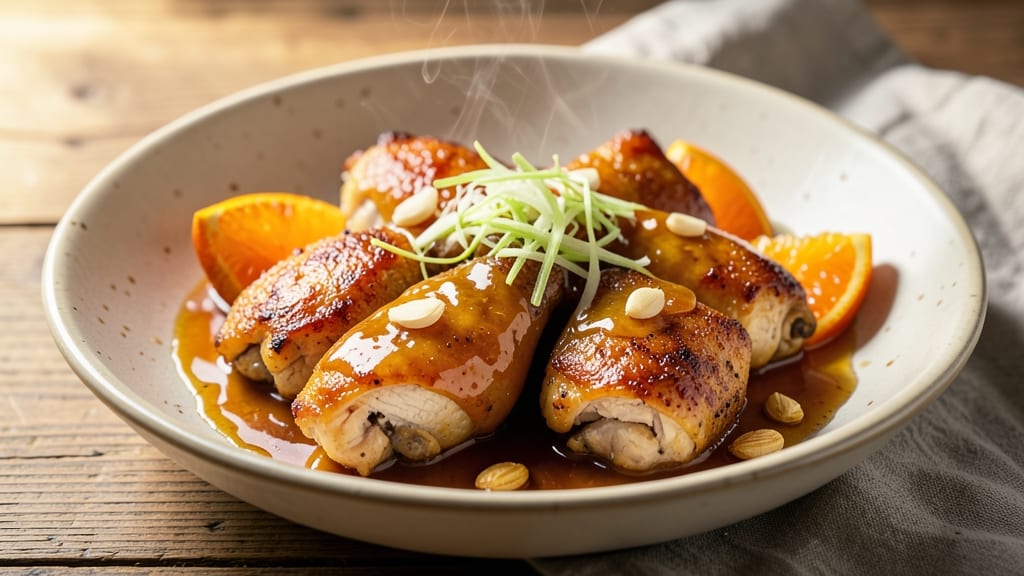
This Asian orange chicken sauce recipe delivers the perfect balance of zesty-sweet glaze with a fresh ginger kick that transforms ordinary chicken into an unforgettable dish.
The secret lies in simmering orange juice, vinegar, and honey until the flavors meld into a glossy, aromatic sauce that clings beautifully to crispy chicken.
I developed this recipe after years of experimenting with restaurant-style glazes, and it never fails to impress—whether you're serving it at a dinner party or meal prepping for the week.
The sauce comes together in just 20 minutes with simple pantry staples like soy sauce, garlic, and fresh ginger, but the magic happens during the reduction phase. As the sauce thickens, the natural sweetness of the orange juice caramelizes slightly, creating a deep, complex flavor that's both tangy and rich.
The fresh ginger adds a bright, slightly spicy note that cuts through the sweetness, making each bite exciting and well-balanced.
What sets this sauce apart is its versatility—it works equally well as a glaze for roasted or fried chicken, a dipping sauce for spring rolls, or even a marinade for tofu.
The glossy finish not only looks stunning but also enhances the texture of the dish, ensuring every bite is packed with flavor. Once you try this recipe, you'll never reach for store-bought again.
Best of all, the sauce keeps well in the refrigerator for up to 5 days, making it perfect for batch cooking. Simply reheat gently before using, and you'll have restaurant-quality flavor at your fingertips.
Let's get started on creating this crowd-pleasing sauce that's sure to become a staple in your kitchen.
Ingredients for asian orange chicken sauce
Pantry staples meet bright citrus—this sauce is pure flavor magic in a jar.
| Ingredient | Amount | Notes |
|---|---|---|
| Fresh Orange Juice 🍊 | ½ cup | Freshly squeezed, no pulp |
| Rice Vinegar 💧 | ¼ cup | White or seasoned variety |
| Honey 🍯 | ¼ cup | Wildflower or clover preferred |
| Low-Sodium Soy Sauce 🍶 | ¼ cup | Kikkoman or San-J recommended |
| Fresh Ginger 🌿 | 2 tbsp | Finely grated, vibrant color |
| Garlic Cloves 🧄 | 4 cloves | Minced, fresh preferred |
| Sesame Oil 🫒 | 1 tbsp | Toasted for aroma |
| Cornstarch 🌾 | 1 tbsp | For thickening, Diamond Crystal |
| Water 💧 | 2 tbsp | Room temperature |
| Sesame Seeds 🥜 | 1 tbsp | Toasted, for garnish |
The orange juice is your star—freshly squeezed makes all the difference. Grab navel or Valencia oranges from the grocery store, roll them on the counter first to release more juice. Trader Joe's has the best selection of juicy oranges year-round. The ginger? Look for firm, knobby roots with no soft spots—it should smell fresh and zesty. I always double the ginger because it's worth it for that bright kick. The honey should be real honey, not that shelf-stable corn syrup stuff—it adds depth to the caramelization during reduction.
No fresh ginger? Powdered works at half the amount, but it lacks that bright pop. Running low on orange juice? Substitute grapefruit juice for a tangier twist. The sesame oil is non-negotiable for that nutty aroma—Kadoya brand is my go-to, but any toasted sesame oil will do. Cornstarch is your secret weapon for that glossy finish. Diamond Crystal is the gold standard (it's finer than others), but regular cornstarch works too. For extra umami, add a dash of fish sauce if you're not avoiding it—just 1/2 teaspoon does the trick.
This sauce keeps beautifully—5 days in the fridge sealed tight, or 3 months frozen in ice cube trays. For reheating, just warm gently on the stove with a splash of water to loosen it up. I make double batches because it disappears fast—perfect for meal prep. The sauce thickens as it cools, so stir in a splash of water if it gets too stiff. And trust me, the sesame seeds on top aren't just for looks—they add crunch that takes this to restaurant-level!
Why You'll Love This Recipe
- No Pantry Panic: I keep a bottle of rice vinegar and honey on hand just for this—no special shopping trips, no forgotten spices. The ginger’s the only thing I peel fresh, but even that takes two minutes with a spoon.
- Bright Tangy Magic: That first sip of orange juice hitting the simmering soy and honey? Instantly wakes up the sauce. It’s sweet, sharp, and just salty enough—like a citrusy hug for your taste buds.
- Weeknight to Party: Same sauce works for quick stir-fries and fancy dinner guests. Drizzle it over rice bowls, toss with noodles, or serve as a dipping sauce—no one will guess it’s my lazy-but-genius shortcut.
- Leftovers That Shine: This sauce actually improves the next day. The flavors meld, the honey deepens, and I’ve reheated it three times with zero complaints. (My kids still ask for it over plain chicken.)
Step-by-step instructions for Asian orange chicken sauce
This bright, balanced glaze comes together in minutes with bold flavors you'll crave.
Build the Flavor Base
In a medium saucepan, combine the 0.5 cup fresh orange juice, 0.25 cup rice vinegar, 0.25 cup honey, and 0.25 cup low-sodium soy sauce. Bring this mixture to a gentle simmer over medium heat—you should see tiny bubbles forming at the edges but not a full boil. Let it cook for 3-4 minutes until it begins to reduce slightly and the aroma becomes intense.
Here's where the magic happens: The acidity from the rice vinegar and orange juice will brighten the sweetness, while the soy sauce adds depth. I like to taste it at this stage—it should be tangy, slightly sweet, and salty. If it's too sharp, add a tiny bit more honey; if it's too flat, a splash of rice vinegar will wake it up.
Add Aromatics and Simmer
Once the base is simmering, stir in the 2 tbsp fresh ginger and 4 cloves minced garlic. Let these aromatic ingredients cook for 1-2 minutes until they become fragrant—you'll smell that fresh, zesty ginger warmth and the garlic's pungency. Be careful not to let them brown or burn, as that can make the sauce bitter.
After the aromatics have infused the sauce, add the 1 tbsp sesame oil. Give it a good stir and let the whole mixture simmer together for another 3-4 minutes. The sauce should thicken slightly and develop a glossy sheen. This is where all the flavors meld into one cohesive, vibrant glaze.
Thicken the Sauce
In a small bowl, whisk together the 1 tbsp cornstarch and 2 tbsp water until smooth. This is your thickening agent, and it's crucial for getting that perfect glossy consistency. Once fully combined, slowly pour this slurry into the simmering sauce while stirring constantly.
Let the sauce cook for 2-3 minutes more, stirring frequently, until it reaches your desired thickness. You want it to coat the back of a spoon smoothly but still be pourable—think of it like a thin syrup. If it's too thick, add a splash of water; if it's too thin, let it cook a bit longer. The sauce should be vibrant orange in color with a beautiful sheen.
Finish and Garnish
Remove the sauce from heat and let it cool slightly. Taste and adjust the seasoning if needed—you might want to add a touch more honey for sweetness or a splash of rice vinegar for acidity. Once it's at room temperature, transfer it to a serving bowl or small pitcher.
Just before serving, sprinkle the top with 1 tbsp toasted sesame seeds for that final crunchy, nutty contrast. This sauce is perfect for drizzling over chicken, noodles, or even as a dipping sauce. The balance of sweet, tangy, and umami flavors makes it irresistibly addictive—you'll want to make this again and again!
Pro Tips For Making Asian Orange Chicken Sauce
- Simmer the Ginger First: Toss the fresh ginger into the pan before adding any liquid—let it sizzle for 20 seconds until fragrant. I learned this the hard way after making sauce that tasted flat; raw ginger just doesn’t integrate the same way. (Yes, even if you’re impatient like me, wait for that aroma.)
- Balance the Orange Juice: Taste the sauce before adding honey—if the orange juice tastes aggressively bright, cut it with a splash of rice vinegar first. I used to dump in all the honey upfront and end up with something cloying; the vinegar mellows the acidity so the sweetness shines later.
- Skip the Boil: Keep the sauce at a gentle simmer, not a rolling boil—this prevents the orange juice from curdling and turning bitter. After burning through three batches, I finally figured out that low-and-slow is the only way to keep the citrus fresh-tasting.
- Use Aged Honey: Grab a dark, aged honey (like buckwheat or wildflower) instead of the cheap clover variety—it’s richer and adds depth without overpowering the ginger and soy. I was skeptical until I tried it; the sauce now has layers instead of just sweetness. (Your future self will notice the difference.)
Troubleshooting perfect results
Sauce Too Thin
If your sauce ends up too thin after simmering, don't panic—it's an easy fix. The most common reason is undercooking the cornstarch slurry. Let the sauce simmer for an additional 2-3 minutes while stirring constantly.
If it still feels too watery, mix ½ teaspoon more cornstarch with 1 teaspoon water and stir it in, then cook for another 1-2 minutes. For a quicker solution, reduce the heat to low and let it simmer uncovered until it reaches the desired consistency. 💡
Sauce Too Thick
Over-thickened sauce happens when the cornstarch cooks too long or when the sauce reduces too much. To fix it, simply add 1 tablespoon water or orange juice at a time while stirring gently over low heat.
If the sauce is clumping, whisk in a splash of warm water to smooth it out. Remember, the sauce will thicken further as it cools, so it's better to err on the thinner side when adjusting.
Bitter or Harsh Taste
A bitter or harsh taste usually means the ginger or garlic has burned. To prevent this, keep the heat at medium-low when adding aromatics and never let the sauce boil vigorously.
If it's already bitter, try balancing it by adding a splash of honey or a pinch of sugar to counteract the bitterness. A few drops of fresh orange juice can also help restore the bright, citrusy flavor.
Sauce Separates
Sauce separation often occurs if the cornstarch isn't fully dissolved or if the sauce sits too long before using. To fix it, whisk the sauce vigorously over low heat for 1-2 minutes until it smooths out. If it's still separating, add 1 teaspoon water and whisk again.
To prevent separation in the future, make sure the cornstarch slurry is completely smooth before adding it to the sauce, and store the sauce in the refrigerator within 2 hours of making it.
Lacks Balance
If your sauce tastes too sweet, tangy, or salty, it's time to adjust the flavors. For a sweeter taste, add 1 teaspoon honey or sugar. For more tang, stir in ½ teaspoon rice vinegar or lemon juice.
If it's too salty, dilute with a splash of water or orange juice. Taste as you go—this sauce is all about balance, and small adjustments make a big difference. 🌶️
Glossy Finish Missing
A dull sauce usually means the cornstarch didn't thicken properly or the sauce wasn't reduced enough. To achieve that beautiful gloss, simmer the sauce uncovered for an extra 2-3 minutes after adding the cornstarch slurry.
If it's still lacking shine, whisk in ½ teaspoon sesame oil to restore that rich, glossy finish. The sauce should coat the back of a spoon smoothly and look vibrant and inviting.
Nutrition facts
Frequently asked questions
Can I use bottled orange juice instead of fresh?
Freshly squeezed orange juice gives the best flavor and vibrant color, but you can use bottled in a pinch. For a similar effect, choose 100% orange juice without added sugars. The sauce will be slightly less bright, but the tangy-sweet balance will still shine through. If using concentrate, dilute it with water first to maintain the right consistency.
How do I adjust this sauce for spicier orange chicken? Add a pinch of red pepper flakes or a dash of sriracha while simmering for subtle heat. For a more intense kick, stir in 1 teaspoon gochujang (Korean chili paste) or ½ teaspoon cayenne pepper during the final 2 minutes of cooking.
Can I make this sauce without cornstarch?
Yes! For a gluten-free option, substitute with 1 tablespoon arrowroot powder or ½ teaspoon xanthan gum mixed with 2 tablespoons water. Alternatively, simmer the sauce uncovered for 10-15 extra minutes to reduce it naturally—just stir frequently to prevent burning. The texture will be slightly thicker but still glossy.
What's the best way to store leftovers?
Transfer the cooled sauce to an airtight container and refrigerate for up to 5 days. For longer storage, freeze in ice cube trays, then transfer to a freezer bag. Thaw overnight in the fridge before using—never microwave directly from frozen. The sauce keeps its vibrant color and flavor when stored properly, making it perfect for meal prep!
How can I use this sauce beyond chicken?
This versatile sauce works beautifully with tofu, shrimp, or even roasted vegetables like bell peppers and broccoli. Drizzle it over noodles, use it as a dipping sauce for spring rolls, or toss it with rice for a quick stir-fry. The bright citrus flavors complement both proteins and veggies equally well—get creative with your pairings!