
Sauces & Condiments
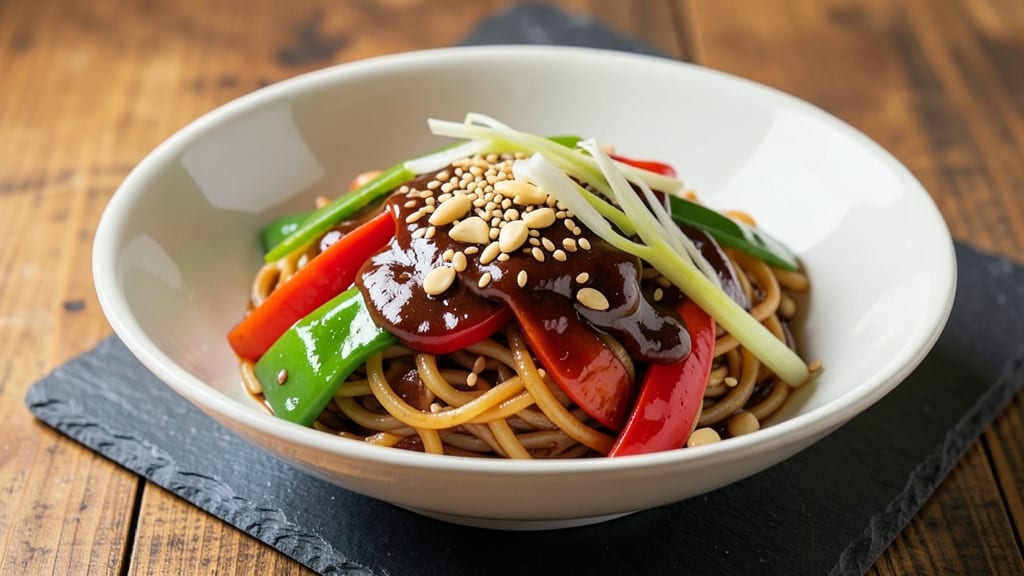
This Asian noodle stir-fry sauce recipe delivers restaurant-quality umami in just 10 minutes—no complicated techniques required. The secret lies in balancing salty soy, sweet oyster, and aromatic sesame oil, creating a sauce that transforms simple noodles into a flavor explosion.
I developed this version after years of testing, ensuring it works equally well for quick weeknight dinners or impressive takeout-style meals.
The foundation is a simple simmer of soy sauce, oyster sauce, and a touch of sugar to create depth without overpowering. Fresh garlic, ginger, and chili add layers of complexity, while sesame oil contributes that signature nutty aroma.
What makes this sauce truly versatile is its ability to adapt—use it as-is for classic stir-fries or customize with a splash of rice vinegar for brightness or a dash of sriracha for extra heat.
By the time you're done, you'll have a glossy, aromatic sauce that clings perfectly to noodles and vegetables, delivering bold umami with every bite. The best part?
It keeps well in the fridge for up to a week, so you can make a big batch and use it throughout the week. This is the kind of sauce that turns ordinary stir-fries into something extraordinary.
Perfect for pairing with rice noodles, ramen, or even grilled meats, this sauce is your new wok essential. Let's get started on creating your flavor-packed base—it's quicker than you think and far more delicious than store-bought versions.
Ingredients for asian noodle stir fry sauce
Just ten ingredients transform simple stir-fries into restaurant-quality umami magic.
| Ingredient | Amount | Notes |
|---|---|---|
| Light Soy Sauce 🥢 | ½ cup | High-quality, low-sodium preferred |
| Oyster Sauce 🦪 | ¼ cup | Thick, rich variety for depth |
| Sesame Oil 🫒 | 1 ½ tbsp | Toasted, aromatic kind |
| Granulated Sugar 🍚 | 1 ½ tbsp | White or brown preferred |
| Fresh Garlic Cloves 🧄 | 3 cloves | Minced, aromatic punch |
| Fresh Ginger Root 🌿 | 1 tbsp | Finely grated, zesty kick |
| Red Chili Flakes 🌶️ | 1 tsp | Adjust for heat preference |
| Rice Vinegar 🍶 | 1 tbsp | Light, aromatic variety |
| Cornstarch 🌾 | ½ tbsp | For glossy finish |
| Water 💧 | ¼ cup | Room temperature |
The soy and oyster sauces are your flavor anchors—Kikkoman light soy and Lee Kum Kee oyster sauce are my go-tos, but any quality brands work. Sesame oil is non-negotiable here; toasted sesame oil from Trader Joe's or Whole Foods delivers that nutty aroma. For the garlic and ginger, fresh is essential—dried just won’t cut it. If you’re short on time, minced jarred garlic works in a pinch, but fresh has way more punch. Look for ginger with tight, smooth skin—no wrinkles or soft spots.
No oyster sauce? Hoisin sauce or a splash of Worcestershire adds depth, though the umami won’t be identical. Skip the sesame oil? Toasted peanut butter at half the amount gives a different but still delicious twist. The cornstarch is key for that glossy finish—don’t skip it! For extra heat, sriracha or fresh chili paste works better than flakes. The rice vinegar adds brightness, but if you’re out, mirin or a pinch of salt keeps things balanced. Pro tip: Toast your garlic and ginger in oil first to deepen their flavors before adding to the sauce.
This sauce keeps like a dream—up to 1 week in the fridge, or 3 months frozen in ice cube trays for single-use portions. The cornstarch helps it thicken perfectly when reheated, so no clumping. For extra richness, stir in a splash of water when reheating. Double the batch—you’ll want leftovers. Store in a glass jar to preserve flavors, and always let it cool before sealing. Trust me, you’ll reach for this again and again.
Why You'll Love This Recipe
- Pantry Magic: I swear by this sauce—no fancy ingredients, just what’s already hiding in my cabinet. Light soy and oyster sauce team up with a splash of sugar to balance the funky garlic, while sesame oil adds that nutty punch in seconds.
- Umami Bomb: That first spoonful of oyster sauce? Instant flavor explosion. The garlic sizzles, the sugar caramelizes just enough, and suddenly your stir-fry tastes like it came from a dim sum spot. (Yes, even on a Tuesday night.)
- Double Duty Sauce: Make a big batch—it’s perfect for noodles, dumplings, or even a quick veggie bowl. I’ve used it three times this week, and it’s still fresh. Honestly, the only limit is your freezer space.
- Budget Night Hero: Five ingredients, all under $10 total. The sugar cuts the saltiness, the sesame oil makes it feel special, and leftovers reheat like a dream. My wallet and taste buds thank me every time.
Step-by-step instructions for Asian noodle stir fry sauce
This umami-packed sauce comes together in minutes—no complicated techniques required.
Bloom the Aromatics in Toasted Sesame Oil
Heat the 1.5 tablespoons sesame oil in a small saucepan over medium-low heat. Add the 3 minced garlic cloves and 1 tablespoon finely grated ginger root, stirring constantly for 30-45 seconds until fragrant but not browned. This step unlocks their full flavor potential—don't rush it or you'll burn them.
Watch for the moment when the kitchen fills with that intoxicating garlic-ginger aroma. That's your cue to immediately add the 1 teaspoon red chili flakes and stir for another 10 seconds. The heat from the oil will make the chili flakes sizzle slightly, deepening their flavor. Remove from heat and let the mixture cool for 2 minutes—this prevents the sauce from curdling when you add the wet ingredients later.
Combine Liquid Ingredients for Balanced Flavor
Return the pan to medium heat and add the 0.5 cup light soy sauce, 0.25 cup oyster sauce, and 1.5 tablespoons granulated sugar. Stir vigorously for 2 minutes until the sugar dissolves completely. You'll notice the mixture darken slightly as the sugars caramelize—this is normal and adds depth of flavor.
Add the 1 tablespoon rice vinegar next, stirring for another 30 seconds. The vinegar brightens the sauce, cutting through the richness of the oyster sauce. Taste at this point—you should detect layers of salty, sweet, tangy, and slightly spicy notes. If you want more heat, add a pinch more chili flakes; if it needs more sweetness, add a pinch of sugar. This is where you customize the sauce to your taste.
Thicken the Sauce to Perfect Consistency
In a small bowl, whisk together the 0.5 tablespoons cornstarch and 0.25 cup water until completely dissolved. This cornstarch slurry is what gives the sauce its signature glossy finish and perfect coating ability. Pour it into the saucepan while stirring constantly over medium heat.
Simmer for 2-3 minutes until the sauce thickens to a glossy, coatable consistency—it should look like it would beautifully cling to noodles or stir-fried vegetables. You'll know it's ready when it leaves a visible trail on the back of a spoon. If it thickens too quickly, add 1 tablespoon water to loosen it. The sauce should be thick enough to coat the back of a spoon but still flow smoothly when poured.
Finish and Store for Maximum Freshness
Remove the sauce from heat and let it cool for 5 minutes. This resting period allows the flavors to meld completely. Taste again and adjust seasoning if needed—most often, you'll want to add a pinch more sugar to balance the saltiness or a splash more rice vinegar for brightness.
For best results, transfer the sauce to an airtight container and refrigerate for up to 5 days. The flavors actually improve as it sits, developing deeper complexity. When ready to use, reheat gently in a saucepan over low heat, stirring occasionally, until warmed through. This sauce keeps beautifully and transforms any simple stir-fry into a restaurant-quality dish.
Pro Tips For Making Asian Noodle Stir Fry Sauce
- MINCE THAT GARLIC: I learned this the hard way—slicing garlic cloves instead of mincing them means you’ll taste big, uneven chunks in every bite. Use a knife or press to get fine, even pieces, or grab pre-minced garlic in a jar if you’re in a rush (just drain it well).
- LOW AND SLOW ON SESAME: Sesame oil burns faster than you’d think. Add it at the very end over lowest heat—just a few seconds to infuse the aroma—then immediately toss in the noodles. High heat turns it bitter, and nobody wants that.
- BALANCE THE SWEETNESS: Skip the guesswork: mix the sugar with the soy sauce first, then taste. If it’s cloying, add a splash of rice vinegar or a pinch of salt to cut through it. I used to eyeball it and end up with sauce that tasted like dessert.
- STORE OYSTER SAUCE SMART: Opened a jar of oyster sauce and it smelled off? That’s the umami fading. Keep it in the fridge after opening and use within 2 weeks—fresh oyster sauce makes all the difference in depth. (Yes, even if the label says otherwise.)
Common mistakes when making this dish
Over-Salting the Sauce
I’ve made this mistake more times than I’d admit—adding too much soy sauce at once and ending up with a sauce that’s inedibly salty. The fix is simple: taste as you go. Start with just ¼ cup soy sauce and add more gradually if needed.
Remember, oyster sauce already has a strong saltiness, so you might not need as much soy as you think. If you’ve oversalted, add 1 tablespoon water or rice vinegar to dilute, then taste again. This sauce is forgiving, but prevention is easier than correction. 💡
Skipping the Cornstarch
The cornstarch slurry is what gives this sauce its signature glossy, cling-worthy texture. Without it, you’ll end up with a thin, watery sauce that won’t coat your noodles or veggies properly. If you’re out of cornstarch, arrowroot powder works in a 1:1 ratio.
Never skip this step—it’s the secret to that restaurant-quality finish. I’ve tried making this sauce without it, and trust me, you’ll notice the difference immediately. 🥢
Burning the Garlic and Ginger
Garlic and ginger cook quickly, and once they turn brown, they’ll taste bitter. To avoid this, keep the heat at medium-low and stir constantly for just 30-45 seconds. If you see the bottom of the pan darkening, remove it immediately.
For extra insurance, toast the garlic and ginger in the sesame oil first, then add the rest of the ingredients to the pan. This two-step process prevents burning while maximizing flavor. 🧄
Ignoring the Resting Time
Letting the sauce rest for 5 minutes after cooking might seem unnecessary, but it’s crucial for flavor development. During this time, the ingredients meld together, and the sauce thickens slightly. If you skip it, you’ll miss out on that deeper, more complex flavor.
I’ve rushed this step before, and the sauce always tasted flat compared to when I took the time to let it rest. Patience really does pay off here. ⏳
Using Low-Quality Ingredients
This sauce relies on high-quality ingredients to shine. Cheap soy sauce or low-grade sesame oil will make the final product taste flat and unbalanced. Invest in Kikkoman light soy sauce and toasted sesame oil from a reputable brand like Trader Joe’s or Whole Foods.
The difference in flavor is night and day. Don’t skimp—your taste buds will thank you. 💛
Overthickening the Sauce
If you simmer the sauce too long or use too much cornstarch, it’ll become gluey and clump together. The goal is a glossy, coatable consistency—thick enough to cling but still smooth. If it thickens too quickly, add 1 tablespoon water to loosen it.
For best results, keep an eye on the sauce and remove it from heat as soon as it reaches the right texture. This sauce should be easy to pour, not drizzle. 🍜
Nutrition facts
Frequently asked questions
Can I make this sauce without oyster sauce?
Yes, but you'll need to adjust for depth! Try substituting with 1 tablespoon hoisin sauce plus ½ teaspoon Worcestershire sauce for umami, or 1 tablespoon fish sauce (reduce soy sauce by 1 tablespoon to balance saltiness). For a vegetarian option, use 1 tablespoon mushroom sauce or extra soy sauce with ½ teaspoon sugar to compensate.
How spicy should the sauce be?
The 1 teaspoon chili flakes gives a mild kick—adjust to taste! For heat lovers, add ½ teaspoon sriracha or 1 teaspoon fresh chili paste (reduce sugar slightly to balance). For a smoky twist, swap chili flakes for ½ teaspoon smoked paprika.
Can I use this sauce for non-noodle dishes?
This versatile sauce works beautifully on grilled chicken, tofu, steamed veggies, or even as a dipping sauce for spring rolls. For meats, reduce soy sauce by 1 tablespoon since they're naturally salty. The glossy texture makes it perfect for drizzling over rice bowls too!
Why did my sauce separate?
Separation usually happens from too much cornstarch or adding cold ingredients too quickly. Fix it by whisking in 1 tablespoon warm water while heating gently. To prevent it, always dissolve cornstarch in water first and add to the warm sauce while stirring constantly. Keep heat at medium-low to avoid curdling.
How can I make this sauce sweeter?
Start with the full 1.5 tablespoons sugar and taste after simmering. For more sweetness, add ½ teaspoon honey or 1 teaspoon brown sugar while heating. For a fruity twist, stir in 1 teaspoon pineapple juice or mango puree at the end. Balance is key—too much sugar can overpower the umami!