
Sauces & Condiments
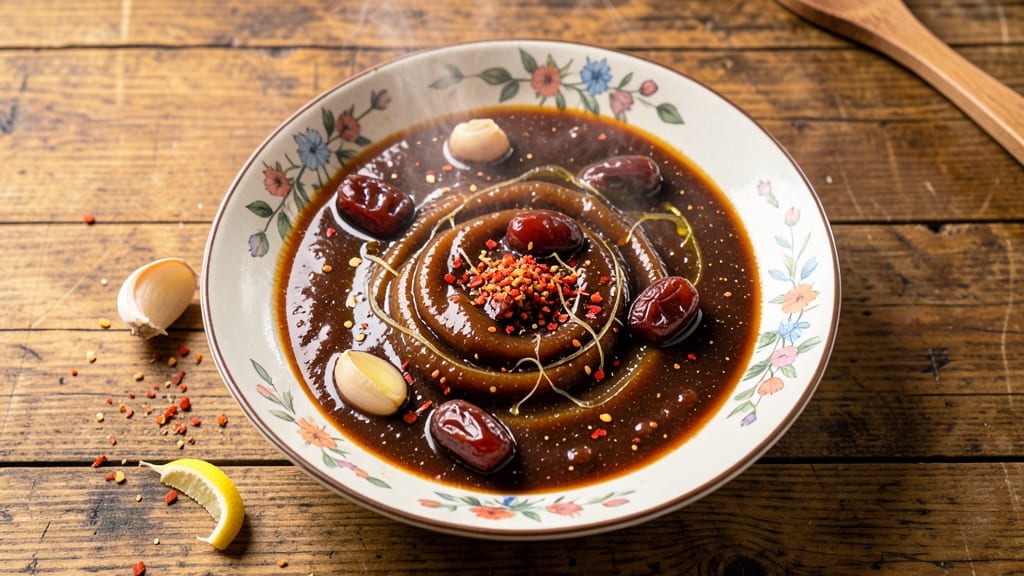
This Asian hoisin sauce recipe transforms simple pantry staples into a rich, fermented condiment that elevates everything from stir-fries to dumplings. The secret lies in fermented soybean paste and dates, simmered with garlic, vinegar, and spices to create a smooth, spreadable sauce with deep umami and subtle sweetness.
Unlike store-bought versions, this homemade version delivers layers of complexity—think caramelized edges, tangy brightness, and a velvety texture that clings perfectly to noodles or meats.
The process is straightforward but rewarding: simmer the base ingredients until the flavors meld, then blend until silky smooth. No special equipment is needed—just a saucepan and an immersion blender (or regular blender) to achieve that restaurant-quality consistency.
The result? A sauce that’s bold enough to stand alone but versatile enough to enhance any dish, from Peking duck to spring rolls.
What makes this recipe special is its adaptability. While traditional versions use soybeans, you can easily substitute with vegan-friendly alternatives like miso or tamari for a plant-based twist. The dates add natural sweetness without overpowering the fermented depth, while the garlic and chili bring just the right amount of heat.
Whether you’re cooking for a crowd or prepping for meal prep, this sauce keeps beautifully in the fridge for up to two weeks.
Once you taste the difference between homemade and store-bought, you’ll never go back. The aroma alone—warm, garlicky, and slightly smoky—will have your kitchen smelling like a bustling Asian street market.
Ready to make it? Here’s everything you’ll need to create this versatile, flavor-packed sauce that’s as impressive as it is easy.
Ingredients for asian hoisin sauce
Fermented soybean paste and dates create the umami-sweet foundation for this restaurant-quality sauce.
| Ingredient | Amount | Notes |
|---|---|---|
| Fermented Soybean Paste (Tauco or Hoisin Base) 🥫 | ½ cup | High-quality, fermented for depth |
| Pitted Medjool Dates 🍯 | ½ cup | Soaked for easy blending |
| Garlic Cloves 🧄 | 6 cloves | Freshly minced for aromatic punch |
| Rice Vinegar 🍶 | ¼ cup | White or seasoned variety |
| Sesame Oil 🫒 | 1 tbsp | Toasted for nutty aroma |
| Red Chili Flakes 🌶️ | 1 tsp | Adjust for heat preference |
| Ground Star Anise 🌿 | ½ tsp | Optional, for licorice depth |
| Soy Sauce 🥫 | ¼ cup | Light or dark, to taste |
| Water 💧 | ½ cup | For blending consistency |
| Granulated Sugar 🍚 | 2 tbsp | Balances fermented tang |
The fermented soybean paste is non-negotiable—look for brands like Lee Kum Kee or Pearl River Bridge in the Asian aisle. If you can't find it, miso paste or vegan hoisin works in a pinch, though the flavor will differ slightly. Dates should be pitted and roughly chopped (no need to blend finely). For garlic, peel and smash the cloves with the flat side of a knife before mincing—this releases more flavor. If you're feeling adventurous, toast the whole star anise in a dry pan for 30 seconds before grinding to deepen its aroma. Trader Joe's often carries pre-ground star anise, but freshly toasted is always better.
No rice vinegar? Apple cider vinegar or white wine vinegar will work, though the flavor profile shifts slightly. Short on dates? Dried figs or pitted prunes add similar sweetness, but dates are ideal for their caramel-like texture. Want more heat? Add a pinch of gochugaru (Korean chili flakes) for a smoky kick. For a vegan twist, swap soy sauce for tamari or coconut aminos. The sugar can be adjusted—maple syrup or agave work too, but granulated dissolves more smoothly. If your sauce ends up too thick, add water 1 tbsp at a time until silky.
This sauce thickens as it cools, so re-blend before serving if it separates. Keeps in the fridge for 2 weeks in an airtight jar, or 3 months frozen in ice cube trays for single-use portions. For meal prep, divide into small containers—it’s perfect for drizzling over rice, stir-fries, or even as a glaze for tofu. The flavor actually improves after 24 hours as the ingredients meld, so make it a day ahead if possible. If storing long-term, pour a thin layer of oil over the top to preserve freshness.
Why You'll Love This Recipe
- Five-Ingredient Magic: I swear by this—just blend, simmer, and boom. No fancy techniques, no hidden steps, and those dates? They melt into the fermented soybean paste like a secret weapon, turning something basic into something rich and smooth in under 15 minutes.
- Sweet-Savory Balance: The garlic hits first—sharp and bright—then the dates soften everything with caramelized sweetness. That sesame oil finish? It’s the cherry on top, giving it this addictive depth that sticks with you long after the last bite. Honestly, I’ve made hoisin sauce before, but this one actually tastes like it belongs in a restaurant.
- Dip, Glaze, Repeat: Use it to slather on spring rolls, drizzle over stir-fries, or even toss with noodles—it’s my go-to for lazy weeknights when I’m craving takeout flavors without the takeout price. Between us, I’ve also used it as a marinade for tofu (game-changer) and even as a sweet-savory dip for veggies when I’m prepping snacks for the kids.
- Pantry Staple, Zero Waste: This sauce keeps for weeks in the fridge, and honestly? I never run out. A little goes a long way, so I make big batches and freeze half—perfect for when I’m short on time or forgot to buy store-bought. Plus, dates and rice vinegar are cheap, so it’s my budget-friendly way to keep Asian flavors on rotation without breaking the bank.
Step-by-step instructions for fermented soy and date paste sauce
Here's how to blend this rich, aromatic sauce with perfect balance every time.
Soak and Prepare the Dates
Place the 0.5 cup pitted Medjool dates in a small bowl and cover them with 0.5 cup hot water from the kettle. Let them soak for 15-20 minutes until they become soft and pliable. This soaking step is crucial—it helps the dates blend smoothly and prevents graininess in your sauce.
While the dates soak, I like to take this moment to prep the garlic. Peel all 6 cloves garlic and mince them finely—you want them almost paste-like at this stage. The smaller the pieces, the more evenly they'll distribute throughout the sauce. I use the flat side of my chef's knife to press them into a fine texture, which prevents any harsh garlic bits from ruining the smooth finish.
Blend the Base Ingredients
Drain the soaked dates, reserving the soaking liquid if it's particularly flavorful. Transfer the dates to a high-speed blender along with the minced garlic, 0.5 cup fermented soybean paste, and 0.25 cup soy sauce. This is your flavor foundation—the fermented soybean paste brings that deep umami richness while the dates add natural sweetness.
Blend on high speed for 1-2 minutes until completely smooth. You should hear a consistent hum with no grinding sounds—this indicates everything's broken down evenly. If you notice any lumps, pulse a few times to break them up. The mixture should be thick but pourable at this stage. Taste a small spoonful—you'll notice the fermented funk from the soybean paste and the sweetness from the dates.
Incorporate Aromatics and Seasonings
With the blender running on low speed, gradually add the 0.25 cup rice vinegar, 2 tbsp granulated sugar, 1 tbsp sesame oil, 1 tsp red chili flakes, and 0.5 tsp ground star anise. The vinegar brightens the sauce while the sugar balances the fermented tang. The sesame oil adds nutty depth, and the chili flakes bring just the right amount of heat—adjust to taste if you prefer it milder.
Blend again for 30-45 seconds until all ingredients are fully incorporated. The sauce should now have a glossy appearance with a thick, syrupy consistency. If it's too thick, add 1-2 tablespoons of water at a time until it reaches a smooth, pourable texture. The star anise adds a subtle licorice note that pairs beautifully with the other flavors—don't skip it if you enjoy that depth.
Simmer for Depth of Flavor
Transfer the blended sauce to a small saucepan and place it over medium-low heat. Bring to a gentle simmer and let it cook for 8-10 minutes, stirring occasionally with a wooden spoon. This simmering step develops the sauce's complexity by allowing the flavors to meld together and any raw tastes to mellow out.
You'll notice the sauce darkening slightly and becoming even more aromatic. The heat helps the red chili flakes infuse their heat more evenly, and the star anise releases its essential oils. Taste the sauce again after simmering—it should now have a perfect balance of sweet, salty, umami, and a touch of heat. If it needs more sweetness, add a pinch more sugar. If it's too tangy, a splash more rice vinegar helps balance it.
Strain and Finish
Remove the sauce from heat and let it cool slightly for 2-3 minutes. Line a fine-mesh strainer with cheesecloth or a coffee filter and strain the sauce into a clean bowl. This step removes any residual date fibers or garlic bits, giving you a silky-smooth sauce. Press gently on the solids in the strainer to extract every last drop of flavor.
Once strained, taste the sauce one final time and adjust the seasoning if needed. The sauce should be rich, slightly sweet, with a fermented depth and a hint of spice. Transfer it to a clean jar and let it cool completely before sealing. This sauce keeps well in the refrigerator for up to 2 weeks, and the flavors actually improve over time as they continue to meld.
Pro Tips For Making Asian Hoisin Sauce
- TOAST THE TAUCO FIRST: Skip blending raw fermented soybean paste straight into the sauce—it’ll taste bitter and unfinished. Heat the paste in a dry pan over medium-low for 2-3 minutes until it darkens slightly and smells nutty. This deepens the umami without burning it (yes, even if you’re impatient like me).
- SOAK DATES IN VINEGAR: Dump pitted Medjool dates straight into the blender? They’ll turn to glue. Instead, soak them in warm rice vinegar for 10 minutes first—this softens the fibers and cuts the cloying sweetness. Drain before blending, or you’ll end up with a syrup.
- MINCE GARLIC FINE: I used to crush garlic cloves with the flat side of my knife—big mistake. For hoisin, you need the texture to disappear completely. Mince it as small as possible, almost like a paste, so it blends smoothly and doesn’t leave gritty bits. (Your future self will notice.)
- BALANCE WITH SESAME OIL LAST: Add sesame oil early, and the aroma will cook off. Reserve it for the final drizzle—just before serving—to keep that bright, nutty punch. If you’re using it in a stir-fry, toss it in after the pan’s off heat. (This isn’t the prettiest method, but it’s the tastiest.)
Creative variations of asian hoisin sauce
Spicy Sichuan Twist
For a bold Sichuan-inspired version, add 1 tbsp Sichuan peppercorns (toasted and ground) to the simmering step. The numbing, citrusy heat of Sichuan peppercorns transforms this sauce into a fiery companion for mapo tofu or dan dan noodles.
I like to toast the peppercorns in a dry pan for 2 minutes until fragrant before grinding them into a powder. Add ½ tsp extra red chili flakes for extra heat, and finish with a splash of Shaoxing wine (replace an equal amount of water) for complexity. 🌶️
Sweet and Tangy Glaze
Turn this sauce into a sticky glaze by reducing it further. After simmering, continue cooking uncovered over low heat for an additional 10-15 minutes until it thickens to a syrupy consistency. This works beautifully as a glaze for grilled pork belly or tofu skewers.
For extra shine, stir in 1 tsp honey or maple syrup at the end. I brush this glaze onto baked chicken thighs before roasting for crispy, sticky skin.
Vegan Hoisin Swap
For a fully plant-based version, replace the fermented soybean paste with ½ cup miso paste (white or red) and ¼ cup coconut aminos. Use tamari instead of soy sauce, and add 1 tbsp nutritional yeast for a cheesy umami depth.
The dates and vinegar remain the same, but I find this version works especially well as a dipping sauce for vegan spring rolls or tofu dumplings. The texture stays smooth, but the flavor profile leans more savory than traditionally sweet.
Fermented Miso Upgrade
Elevate the sauce by adding 2 tbsp fermented miso paste (preferably red miso) to the blended base. The extra fermentation adds depth and a deeper umami punch. I recommend using Miso Master red miso from specialty stores.
This version pairs exceptionally well with grilled mushrooms or as a marinade for seared ahi tuna. The miso also helps balance the sweetness, creating a more complex flavor profile that stands up to rich proteins.
Smoky Chipotle Fusion
Infuse the sauce with smoky heat by adding 1 chipotle pepper in adobo sauce (finely chopped) during the simmering step. This Mexican-Asian fusion works brilliantly with tacos or grilled corn. For extra smokiness, toast ½ tsp smoked paprika with the garlic before mincing.
The chipotle adds a slow-building heat that complements the sweetness beautifully. I like to blend in 1 tsp adobo sauce at the end for a glossy finish.
Date-Free Sweet Option
Skip the dates entirely and replace them with ¼ cup apricot jam or ½ cup caramelized onions. The jam adds fruitiness while caramelized onions bring a deeper, caramel-like sweetness. This version works well as a dipping sauce for fried chicken or as a glaze for roasted vegetables.
For extra richness, stir in 1 tbsp peanut butter at the end—it sounds unusual, but the nutty depth pairs surprisingly well with the fermented flavors. 🥜
Nutrition facts
Frequently asked questions
Can I make this hoisin sauce without fermented soybean paste?
Yes! For a quick substitute, use ½ cup miso paste (white or red) combined with ¼ cup soy sauce. The flavor will be slightly less complex but still delicious. For a sweeter alternative, blend ½ cup peanut butter with 1 tbsp soy sauce and 1 tsp vinegar—it creates a rich, nutty base that works well in stir-fries.
Why does my homemade hoisin sauce taste too salty?
Fermented soybean paste and soy sauce are both salty, so balance them with extra sweetness or acidity. Add 1-2 tbsp more dates or sugar to counteract the salt, or thin with 1 tbsp rice vinegar to brighten the flavor. Taste as you go—small adjustments make a big difference! The simmering step also intensifies saltiness, so reduce cooking time if needed.
How can I use this sauce beyond Asian dishes?
This versatile sauce works beautifully on burgers (as a glaze), fried chicken (as a dipping sauce), or even in tacos. For a smoky twist, mix with chipotle in adobo and use as a marinade for grilled meats. The sweet-savory balance also pairs well with roasted vegetables or as a drizzle for pizza. Think outside the wok!
Can I make this sauce ahead of time?
This sauce tastes even better after 24 hours as flavors meld. Store it in an airtight jar in the fridge for up to 2 weeks, or freeze in ice cube trays for single-use portions. For long-term storage, add a thin layer of oil on top to preserve freshness. The texture may thicken slightly—just stir or blend before using.
What’s the difference between hoisin and sweet bean sauce?
Hoisin is fermented and has a deeper umami flavor with garlic, vinegar, and chili, while sweet bean sauce is sweeter, smoother, and made with red bean paste. This recipe leans closer to traditional hoisin, but if you prefer a sweeter version, reduce the vinegar by half and add 1 extra tbsp sugar. Sweet bean sauce is often used in Cantonese dishes like char siu.