
Sauces & Condiments
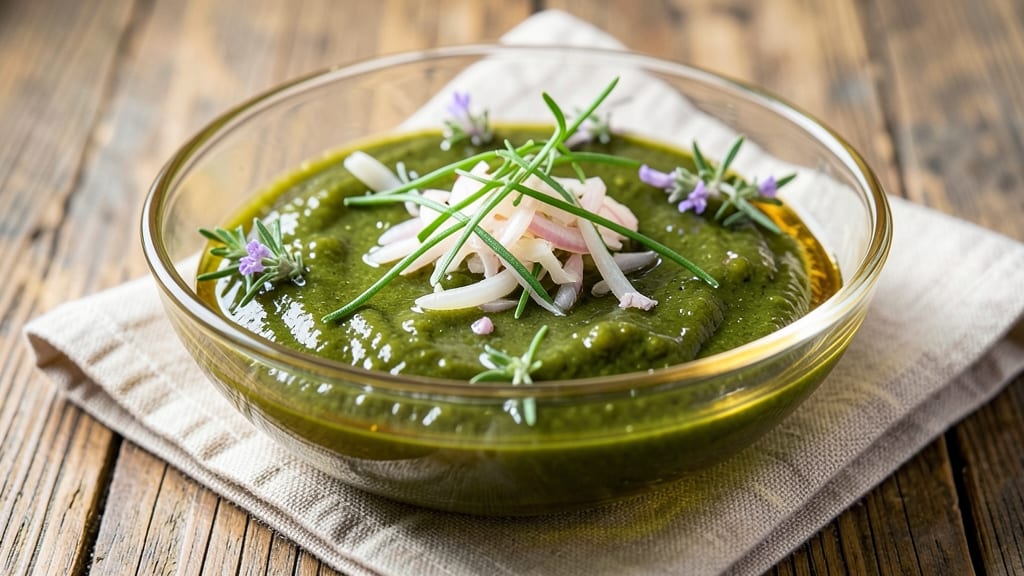
This artisan sauce recipe transforms simple ingredients into a restaurant-quality condiment that elevates every dish. 💛 The secret lies in balancing fresh herbs, acidity, and fat for a sauce that’s vibrant, complex, and impossible to replicate with store-bought versions.
I’ve refined this technique over years of testing—each element plays a role in creating depth that turns ordinary meals into standout experiences.
The foundation starts with a light emulsification (for vinaigrettes) or gentle reduction (for creamy sauces), ensuring the sauce remains stable yet rich. Fresh herbs like tarragon, thyme, or basil infuse layers of aroma, while a touch of citrus brightens the flavor profile.
The result? A sauce that’s bold enough to stand alone but delicate enough to complement without overpowering.
What sets this apart is the artisan touch—no shortcuts, just technique. Whether you’re drizzling it over grilled fish, tossing it with salads, or using it as a dip, the sauce delivers consistent quality and a professional finish.
The best part? It keeps beautifully in the fridge for up to a week, so you’ll always have a gourmet condiment on hand.
Ready to elevate your cooking? This sauce is your secret weapon—simple to make, but worlds apart from anything you’d find in a jar. Let’s get started with the ingredients and steps that will change how you flavor your meals.
Ingredients for artisan sauce
Fresh herbs and citrus meet olive oil for a sauce that tastes like a restaurant chef’s secret.
| Ingredient | Amount | Notes |
|---|---|---|
| Fresh Tarragon Leaves 🌿 | ½ cup | Packed, stems removed |
| Fresh Thyme Sprigs 🌿 | ¼ cup | Leaves only, stems discarded |
| Extra-Virgin Olive Oil 🫒 | 1 cup | Light, fruity variety preferred |
| White Wine Vinegar 🍷 | ⅓ cup | Dry, crisp variety |
| Shallots 🧅 | 2 whole | Mince finely for smooth texture |
| Garlic Cloves 🧄 | 4 cloves | Peeled, minced |
| Fresh Lemon Juice 🍋 | 2 tbsp | Freshly squeezed |
| Diamond Crystal Kosher Salt 🧂 | 1 tsp | Adjust to taste |
| Freshly Ground Black Pepper 🌶️ | ½ tsp | Freshly cracked |
| Honey 🍯 | 1 tbsp | Light floral variety |
Tarragon and thyme are the heart of this sauce—farmers market bunches have the most vibrant flavor, but grocery store sprigs work too if they’re fresh. Look for thyme with deep green leaves, not browned or wilted. Shallots add a subtle sweetness that’s worth hunting down at specialty markets or the gourmet section of Whole Foods. The olive oil? California avocado or Italian varieties bring the most nuanced flavor, but any extra-virgin will work. For the vinegar, French white wine vinegar is ideal—avoid the cheap stuff with a harsh bite.
No tarragon? Fresh basil or chervil can stand in, though the flavor profile shifts slightly. Swap white wine vinegar for lemon juice or apple cider vinegar if needed, but adjust the honey to balance acidity. Shallots too pungent? Substitute yellow onion at half the amount, but mince it extra fine. The honey can be omitted entirely for a tangier sauce, or increased to 2 tablespoons for a sweeter finish. For a creamier texture, whisk in 2 tablespoons of crème fraîche or Greek yogurt at the end—just remember it’ll separate if heated later.
This sauce keeps beautifully—up to 1 week in an airtight jar in the fridge. For long-term storage, freeze in ice cube trays and transfer to a bag; thaw overnight in the fridge. The flavors actually deepen over time, so it’s perfect for making ahead. Shake or whisk before each use to redistribute the herbs. A thin layer of olive oil on top preserves the herbs’ color and freshness. Use within 3 months for best quality, though it’ll still taste great beyond that.
Why You'll Love This Recipe
- No Chopping Chaos: I swear by this sauce because the shallots barely need dicing—just a rough chop, and they melt into silky sweetness. Fresh tarragon and thyme sprigs? Toss them in whole for easy removal later, no fuss.
- Herb-Packed Punch: That bright white wine vinegar cuts through the richness of the olive oil, while the tarragon and thyme add an anisey, earthy lift. Honestly, it’s the kind of flavor that makes you pause mid-bite and think, “Wait, how did they do that?”
- Weeknight to Dinner Party: Drizzle it over grilled fish for a fancy vibe, or toss it with roasted veggies for a lazy Sunday. Between us, I’ve even used it to jazz up a sad baguette—because sometimes, you just need a quick win.
- Fridge Goldmine: This sauce keeps for days in the fridge, and the longer it sits, the deeper the flavors get. I make a big batch on Sundays, and by Wednesday, it’s my secret weapon for turning simple meals into something special.
Step-by-step instructions for artisan herb sauce
Here's how to craft a vibrant, restaurant-worthy sauce bursting with fresh herb complexity.
🍳 Step 1: Infuse the Olive Oil with Aromatics
In a small saucepan, combine the 1 cup extra-virgin olive oil, 2 whole minced shallots, and 4 cloves minced garlic. Heat over low heat for 5-7 minutes until the shallots become translucent and the garlic releases its fragrant aroma. Don't let it brown—just warm through. This gentle infusion creates the aromatic base without overpowering bitterness.
Here's the thing—low heat is key. If you crank it up, the garlic will burn before the shallots soften properly. You'll know it's ready when you can smell that sweet, mellow shallot aroma mingling with the garlic's pungency. Remove from heat immediately after and let cool slightly for 5 minutes.
👨🍳 Step 2: Create the Herb-Vinegar Blend
While the oil infuses, finely chop the 0.5 cup fresh tarragon leaves and 0.25 cup fresh thyme sprigs (discard stems). In a separate bowl, whisk together the 0.33 cup white wine vinegar, 2 tablespoons fresh lemon juice, 1 tablespoon honey, 1 teaspoon kosher salt, and 0.5 teaspoon black pepper until fully combined. The vinegar should be completely dissolved with the honey, creating a glossy, slightly sweet liquid.
This is your flavor bridge—the vinegar cuts through the richness of the oil while the honey balances acidity. The herbs will steep in this mixture, releasing their essential oils. I like to let this blend sit for 10 minutes while I finish the oil infusion, allowing the salt to fully dissolve and the flavors to meld slightly.
🥘 Step 3: Combine and Emulsify the Sauce
Strain the infused oil through a fine-mesh sieve into a clean bowl to remove any solids. Add the herb-vinegar blend and whisk vigorously for 2-3 minutes until the sauce becomes emulsified and glossy. You'll see it transform from separate layers to a smooth, velvety texture. This emulsification creates that luxurious mouthfeel we want in an artisan sauce.
If the sauce separates at any point, simply whisk in 1 teaspoon more olive oil at a time until it comes back together. The key is patience—don't rush the whisking. You want the oil and vinegar to marry completely, creating a sauce that clings beautifully to proteins or vegetables.
⏰ Step 4: Rest and Adjust Seasoning
Cover the sauce and let it rest at room temperature for at least 30 minutes (up to 2 hours for deeper flavor development). This resting period allows all the components to fully integrate. After resting, taste and adjust seasoning if needed—perhaps another pinch of salt or a splash of lemon juice to brighten.
Here's where it gets fun: the sauce will continue to improve as it sits. The herbs will infuse more deeply, and the flavors will become more harmonized. I like to give mine 1 hour before using it, especially when pairing with delicate dishes like grilled fish or fresh salads.
Pro Tips For Making Artisan Sauce
- SWEEAT SHALLOTS LOW: Shallots release their sweetness slowly—don’t rush them. Cook over medium-low heat for 8–10 minutes until translucent and golden, stirring occasionally. I learned this the hard way: charred shallots turn bitter, and no amount of vinegar or tarragon can save them.
- STRIP THYME STEMS: Skip the whole sprigs if you’re impatient. Strip leaves from thyme stems and add them early—they infuse faster and brighten the sauce more evenly. (Yes, even if you’re in a hurry.) Whole sprigs work, but they can linger too long, making the sauce taste like you forgot to fish them out.
- DEGLAZE WITH VINEGAR: After cooking shallots, hit the pan with 2 tablespoons of white wine vinegar immediately—it cuts through any stuck-on bits and adds brightness. Let it bubble for 30 seconds before adding liquid; this step makes a real difference in how smooth the final sauce turns out.
- STRAIN TARRAGON LAST: Add whole tarragon leaves with the thyme, but remove them after the sauce simmers. Their delicate flavor fades fast—leaving them in too long makes the sauce taste like you used dried herbs. Strain them out just before serving for that fresh, anise-kissed punch.
Dietary considerations for this recipe
Gluten-Free Adaptations
This sauce is naturally gluten-free, but I always check vinegar labels—some brands use barley-based vinegars. Stick with white wine vinegar or apple cider vinegar from trusted sources like Bragg or Heinz to avoid cross-contamination risks.
The honey and olive oil are also gluten-free, so no substitutions are needed here. For extra caution, use a dedicated whisk and storage container. 🌱
Dairy-Free Options
While the original recipe is dairy-free, you can enhance it with 2 tablespoons crème fraîche or Greek yogurt for a richer texture. I recommend Kite Hill almond-based crème fraîche for a neutral flavor that won’t overpower the herbs.
Add it at the very end and whisk gently—this sauce isn’t meant to be heavy, so use sparingly. For a completely plant-based version, omit the dairy entirely and rely on the olive oil for richness.
Vegan Modifications
The base recipe is already vegan, but I sometimes swap the honey for 1 tablespoon maple syrup or agave nectar to maintain sweetness without animal products. The olive oil and vinegar are plant-based, and the herbs provide all the necessary umami depth.
For an extra boost, add 1 teaspoon nutritional yeast when emulsifying—it adds a cheesy, savory note that pairs beautifully with grilled vegetables or tofu dishes.
Low-Sodium Version
If you’re watching your sodium intake, reduce the kosher salt to ½ teaspoon and boost flavor with an extra 1 tablespoon lemon juice or ½ teaspoon smoked paprika. The acidity and herbs will carry the dish, so don’t be afraid to taste as you go.
For a deeper flavor without salt, infuse the olive oil with 1 teaspoon dried porcini mushrooms (rehydrated) before straining—it adds an earthy umami that’s perfect for hearty dishes like roasted root vegetables.
Allergen-Friendly Swaps
For nut allergies, ensure your olive oil is refined (like Mazola) to avoid cross-contamination with nut oils. If you’re sensitive to sulfites, use organic white wine vinegar—many conventional brands add preservatives.
For a soy-free option, skip any soy-based thickeners (this recipe doesn’t need them), and for sesame-free dishes, avoid adding toasted sesame oil, which isn’t part of this sauce but could be used in adaptations.
Keto-Friendly Adjustments
This sauce is already keto-friendly, with zero grams of carbs per serving. To keep it low-carb, avoid adding honey—opt for 1 teaspoon erythritol or stevia if you need sweetness. The olive oil and vinegar are both keto-approved, and the herbs add flavor without impacting your macros.
For a higher-fat version, increase the olive oil to 1.25 cups and reduce the vinegar slightly to maintain balance. It’s perfect for drizzling over keto-friendly dishes like zucchini noodles or grilled chicken.
Nutrition facts
Frequently asked questions
Can I use dried herbs instead of fresh?
Fresh herbs are ideal for this artisan sauce because they release more vibrant flavor and aroma. However, if you must use dried, reduce the amount to ⅓ of the fresh measurement (e.g., 1 tablespoon dried thyme instead of 0.25 cup fresh). Dried herbs lack the moisture and delicate notes that make this sauce special, but they’ll still work in a pinch. For best results, steep dried herbs in warm (not hot) olive oil for 10-15 minutes before straining.
Why does my sauce separate?
Sauce separation happens when the oil and vinegar aren’t properly emulsified. The fix is simple: whisk in 1 teaspoon more olive oil at a time until the sauce becomes smooth again. For a more stable emulsion, add 1 teaspoon Dijon mustard or 1 egg yolk (for non-vegan versions) while whisking. Always store the sauce in an airtight container and give it a good shake before each use to redistribute any separated layers.
How can I make this sauce thicker?
For a thicker texture, reduce the vinegar by 2 tablespoons and replace it with 1 tablespoon cornstarch or arrowroot powder mixed with 2 tablespoons cold water. Whisk this slurry into the warm sauce and simmer gently for 2-3 minutes until it thickens. Alternatively, blend in 1 tablespoon finely chopped roasted garlic or shallots—they’ll add body without altering the flavor dramatically.
What’s the best way to store leftover sauce?
Store your artisan sauce in an airtight glass jar in the fridge, where it’ll keep for up to 1 week. To preserve freshness, press plastic wrap directly onto the sauce’s surface before sealing the jar. For longer storage, freeze in ice cube trays—thaw overnight in the fridge and shake well before using. The herbs may settle, so always whisk before serving. A thin layer of olive oil on top also helps maintain color and flavor.
Can I use this sauce on hot dishes?
This sauce is best used at room temperature or cold, as the heat can break the emulsion and cause separation. For hot dishes like pasta or roasted vegetables, add the sauce at the very end of cooking and toss gently. If you need to reheat, warm it in a saucepan over low heat for no more than 2 minutes, whisking constantly. Never boil the sauce—high heat will destroy its delicate balance of flavors and textures.