Sauces & Condiments
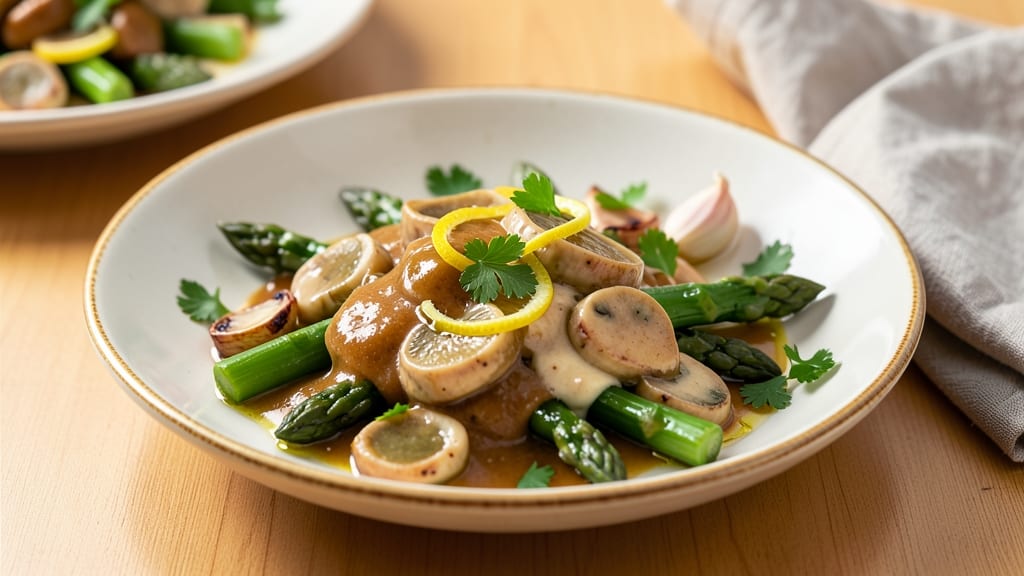
Artichoke butter sauce transforms simple meals into gourmet experiences with its creamy, herby richness that clings to every bite. 🌟 This recipe balances tender artichoke hearts with velvety butter, garlic, and lemon for a sauce that's perfect for drizzling over pasta, roasted vegetables, or crusty bread. The secret lies in blending the ingredients until perfectly smooth while preserving that bright, artichoke-forward flavor.
What sets this sauce apart is its versatility—it works as a luxurious dip, a pasta enhancer, or a finishing touch for grilled meats. The combination of garlic, lemon zest, and fresh herbs like parsley or thyme adds layers of complexity, ensuring every spoonful is vibrant and satisfying.
Unlike store-bought versions, this homemade sauce delivers a depth of flavor that's impossible to replicate.
With just a handful of ingredients and a few minutes of blending, you'll have a sauce that's rich enough to stand alone but light enough to elevate any dish. The texture is velvety yet spreadable, making it ideal for dipping bread or drizzling over finished meals.
Whether you're hosting a dinner party or simply craving something special, this sauce delivers restaurant-quality results in minutes.
Store any leftovers in an airtight container in the refrigerator for up to 5 days, or freeze for longer storage. The flavor actually improves as it sits, allowing the herbs and artichokes to meld even more deeply.
This is the kind of sauce that turns ordinary meals into memorable ones—simple to make, but impossible to resist.
Ingredients for artichoke butter sauce
Nine essential ingredients blend into velvety artichoke butter sauce perfect for elevating any dish.
| Ingredient | Amount | Notes |
|---|---|---|
| Unsalted Butter 🧈 | ¾ cup | Cold, cubed for blending |
| Marinated Artichoke Hearts 🌿 | 1 cup | Drained, chopped fine |
| Garlic Cloves 🧄 | 3 cloves | Peeled, roughly chopped |
| Fresh Parsley 🌿 | ¼ cup | Stems removed, loosely packed |
| Lemon Zest 🍋 | 1 tbsp | From 1 organic lemon |
| Extra-Virgin Olive Oil 🫒 | ¼ cup | High-quality, fruity |
| Fresh Thyme Leaves 🌿 | 1 tbsp | Loosely packed, stems removed |
| Diamond Crystal Kosher Salt 🧂 | ½ tsp | Fine grain preferred |
| Freshly Ground Black Pepper 🌶️ | ¼ tsp | Freshly cracked |
The quality of butter and artichokes determines this sauce's success. European-style unsalted butter (like Plugrá) creates the richest texture, while high-quality jarred artichoke hearts from Muir Glen or Whole Foods Market ensure vibrant flavor. Look for artichokes packed in water, not oil, and drain them thoroughly to prevent excess moisture. Fresh herbs are non-negotiable—Whole Foods or local farmers markets offer the most aromatic parsley and thyme. For lemon zest, use organic lemons to avoid wax residue, and grate only the yellow portion for optimal brightness.
No fresh parsley? Dried parsley at half the amount works in a pinch, though texture will differ. Substitute thyme with 1 tsp dried oregano for a Mediterranean twist. Out of artichoke hearts? Sun-dried tomatoes (½ cup, chopped) or roasted red peppers (¼ cup) provide depth, though the sauce will have a different character. For a lighter version, reduce butter by 2 tbsp and increase olive oil to ½ cup total. The lemon zest can be prepped ahead—store in an airtight container in the freezer for up to 3 months.
This sauce maintains peak freshness for 5 days when refrigerated in an airtight container with a thin layer of olive oil on top to preserve color. For longer storage, freeze in ice cube trays—each cube makes a perfect single-serving portion. Reheat gently in a saucepan over low heat, stirring occasionally, until just melted. The texture will be slightly thicker after refrigeration, so add a splash of warm water or olive oil to achieve the original consistency. Portion into small jars for easy dipping or drizzling throughout the week.
Why You'll Love This Recipe
- No-Fuss Pantry Staples: I swear by this sauce because it uses things I already have—marinated artichokes, butter, and garlic. Honestly, if I’m not feeling fancy, I’ll grab whatever jarred hearts are on sale and call it a win.
- Rich Umami Pop: That first bite of melted butter and briny artichokes? It’s like a hug for your taste buds. The lemon zest cuts through the richness just enough to make it feel fresh, not heavy.
- Weeknight Flex: Slather it on grilled chicken, toss it with pasta, or drizzle it over roasted veggies—it’s my go-to when I don’t want to overthink dinner. (Yes, even on a Tuesday night.)
- Leftovers That Don’t Suck: The sauce actually tastes better the next day—thicker, more concentrated. I’ll keep it in the fridge for up to a week, reheating it in 30 seconds for toasted bread or a last-minute sauce upgrade.
Step-by-step instructions for artichoke butter sauce
This velvety artichoke butter sauce comes together in minutes with precise technique.
🍳 Step 1: Pulse Butter and Artichokes Until Smooth
Place the 0.75 cup cold, cubed unsalted butter and 1 cup drained, finely chopped marinated artichoke hearts in a food processor. Pulse in 3-4 bursts until the mixture resembles coarse sand with butter pieces no larger than pea-sized. This texture ensures a creamy sauce without over-processing.
Here's the thing—don't rush this step. You want the artichokes finely chopped but not puréed. If it looks too chunky, pulse 1-2 more times, but stop immediately when it reaches this stage. Over-processing releases bitterness from the artichokes, which ruins the delicate flavor balance we're after.
👨🍳 Step 2: Add Aromatics and Process Until Combined
Add the 3 peeled, roughly chopped garlic cloves, 0.25 cup loosely packed fresh parsley, 1 tbsp lemon zest, 1 tbsp loosely packed fresh thyme leaves, 0.5 tsp Diamond Crystal kosher salt, and 0.25 tsp freshly ground black pepper to the food processor. Pulse again in 3-4 bursts until everything is evenly distributed but not completely smooth.
You'll notice the mixture becomes vibrant green and smells intensely aromatic. This is where the sauce develops its complex flavor profile. The lemon zest brightens the earthy artichoke, while the thyme and parsley add herbal depth. Don't skip this step—it's what transforms simple ingredients into something extraordinary.
🥘 Step 3: Incorporate Olive Oil for Emulsion
With the food processor running, slowly drizzle in the 0.25 cup extra-virgin olive oil through the feed tube. This gradual addition creates an emulsion that prevents separation later. Process for an additional 15-20 seconds until completely smooth and glossy.
You're looking for a sauce that coats the back of a spoon with a velvety consistency. If it looks too thick, add 1-2 teaspoons of water and pulse again. The olive oil is crucial here—it adds fruity depth while helping the sauce cling beautifully to bread, vegetables, or meats. This is the moment that matters: don't stop processing until it's perfectly homogeneous.
⏰ Step 4: Finish with Final Adjustments
Transfer the mixture to a heatproof bowl and place it over a pot of simmering water (double boiler method). Heat gently for 2-3 minutes, stirring constantly with a silicone spatula, until the sauce reaches 160°F. This gentle warming ensures the butter melts completely without breaking the emulsion.
Taste and adjust seasoning if needed—you might want to add a pinch more salt or a squeeze of lemon juice to balance flavors. The sauce should be rich but not overpowering, with bright herbal notes cutting through the butter's richness. Real talk: this is where many home cooks make their first mistake by overcooking the sauce, which makes it separate. Keep that heat gentle!
Pro Tips For Making Artichoke Butter Sauce
- Drain and Pat Dry: Marinated artichoke hearts cling to their brine like glue—skip draining, and your sauce will taste like a pickle. After rinsing, lay them on a clean towel and press gently with another towel to remove excess moisture. Wet ingredients dilute flavor, and this sauce isn’t forgiving.
- Mince Garlic Like It’s 1985: No food processor here—finely minced garlic (almost paste-like) blends smoother and heats evenly without burning. I used to chop it roughly, and it’d clump in the butter. Save yourself the texture battle: press the cloves through a garlic press or chop with the flat of your knife until it’s tiny.
- Low and Slow for Butter: Melt the butter over medium-low heat—high heat turns it nutty and bitter before the artichokes even warm through. Watch it like a hawk: you’re aiming for a gentle simmer, not a sizzle. Rushed butter means rushed flavor, and this sauce deserves patience.
- Zest First, Juice Later: Add lemon zest to the warm butter while it’s melting—it blooms the citrus aroma instantly. Only add a splash of juice at the very end if needed for brightness. Too much lemon upfront overpowers the artichokes, and you’ll regret it when the sauce tastes like a sad vinaigrette.
Regional styles of this recipe
Italian Rustic Style
In Italy, this sauce transforms into a salsa verde all'aglio e burro—a vibrant, herby spread that graces rustic bread and grilled vegetables. Italians often use fresh basil instead of parsley, adding 2 tbsp loosely packed leaves alongside thyme.
For extra richness, substitute ½ cup ricotta cheese for ¼ cup butter—this creates a lighter but equally flavorful sauce that pairs perfectly with focaccia or polenta. 🌿
Provençal Herbal Twist
Southern France elevates this sauce with herbes de Provence and a touch of rosemary. Swap thyme for 1 tbsp fresh rosemary leaves and add ½ tsp dried herbes de Provence (I love Herbes de Provence by La Boîte à Épices).
A splash of dry white wine (like Sancerre) replaces some olive oil—reduce to 2 tbsp—for a more sophisticated flavor profile. This version shines over roasted ratatouille or grilled lamb chops.
Mediterranean Sun-Dried Tomato Fusion
For a Greek-inspired take, blend in ¼ cup chopped sun-dried tomatoes (oil-packed, drained) with the artichokes. Add 1 tsp dried oregano and a pinch of ground cumin for warmth. This version works beautifully as a dip for warm pita or a drizzle over grilled halloumi cheese.
The sun-dried tomatoes add a sweet, tangy depth that balances the buttery richness. 🍅
Creamy Artichoke Butter for Seafood
New England chefs often use this sauce as a seafood companion, especially with lobster rolls or scallops. Boost the brightness with an extra 1 tbsp lemon juice and add 1 tbsp chopped chives for a fresh finish.
The buttery texture clings perfectly to delicate seafood, while the artichokes add a subtle earthiness that complements the oceanic flavors. Serve with crusty sourdough for dipping. 🦞
Spicy Cajun Artichoke Butter
Louisiana brings heat to this classic with a Cajun kick. Stir in ½ tsp cayenne pepper and ½ tsp smoked paprika during the final processing step. A dash of hot sauce (like Crystal Hot Sauce) adds tangy depth.
This version pairs exceptionally well with blackened shrimp or grilled corn on the cob. The spice level is mild but noticeable—adjust to taste! 🌶️
Vegetarian Pasta Sauce
In Italy, this sauce becomes a pasta condimento for orecchiette or pappardelle. Toss 1 lb cooked pasta with ½ cup sauce, reserving some for drizzling. Finish with toasted pine nuts and shaved Parmigiano-Reggiano.
The artichoke butter clings beautifully to the pasta, creating a creamy yet light sauce that’s far more elegant than Alfredo. Serve immediately for the best texture. 🍝
Nutrition facts
Frequently asked questions
Can I use fresh artichokes instead of jarred hearts?
Fresh artichokes work beautifully but require extra prep! Trim the choke, peel the tough outer leaves, and steam the hearts for 15-20 minutes until tender. Then chop them finely—you'll need about 1.5 cups fresh hearts to match the flavor of 1 cup jarred artichokes. The texture will be slightly firmer, so pulse them a few extra times in the food processor.
Why did my sauce separate?
Overheating or too much liquid are the usual culprits. The emulsion breaks when butter melts too quickly—always use a double boiler and keep temps below 160°F. If it separates, whisk in 1 tsp cold water or 1 tsp olive oil while blending on low speed until smooth again. For future batches, reduce olive oil by 1 tbsp if your butter is very high-fat.
How can I make this sauce dairy-free?
Swap butter for ½ cup vegan butter (like Miyoko's) plus 2 tbsp neutral oil (avocado or refined coconut). Use coconut oil for a slightly tropical note, or olive oil for a more Mediterranean flavor. The texture stays creamy, though it may be slightly softer—chill for 30 minutes before serving to firm up.
What's the best way to store leftovers?
Keep it fresh by storing in an airtight container with a thin layer of olive oil on top. Refrigerated, it lasts 5 days in the fridge. For longer storage, freeze in 1-tbsp portions (ice cube trays work perfectly). Thaw overnight in the fridge—never microwave directly, as it can break the emulsion. The flavor actually improves after 24 hours as the herbs meld!
Can I make this sauce ahead of time?
This is one of those make-ahead sauces that gets better with time. Prepare it up to 3 days in advance and store in the fridge. The flavors deepen as the herbs infuse further. For parties, make it the night before—just give it a quick stir before serving. If it thickens overnight, thin with 1 tsp warm water while blending.