
Sauces & Condiments
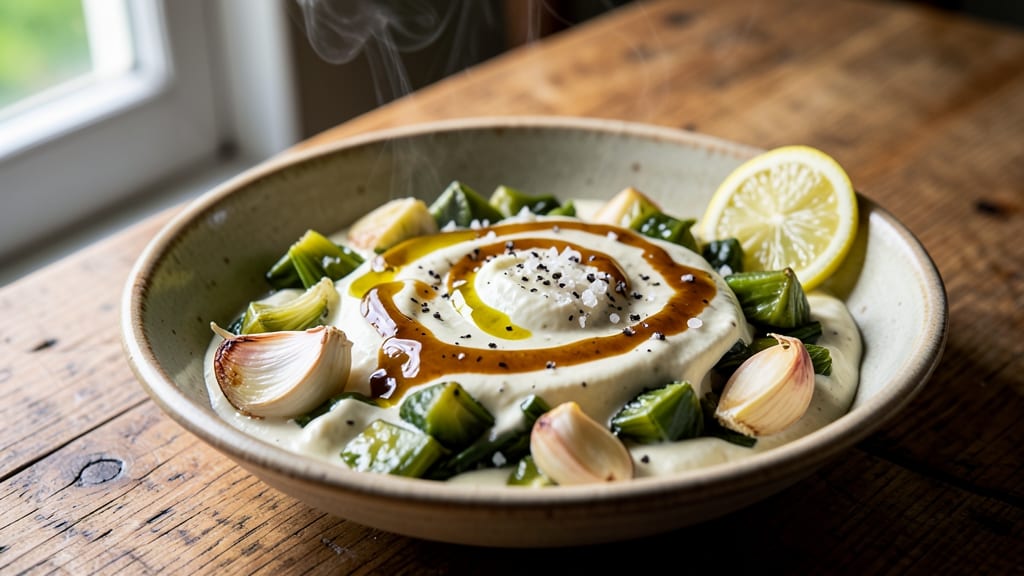
This artichoke aioli sauce recipe transforms humble ingredients into a creamy, garlicky masterpiece that elevates any dish in just 10 minutes. The secret lies in emulsifying egg yolks with olive oil while incorporating artichoke hearts—whether fresh or preserved—for a briny, tender texture that balances the sauce's richness.
I developed this recipe after years of perfecting aioli techniques, ensuring every batch turns out silky smooth without breaking. What sets this sauce apart is the bright lemon infusion that cuts through the garlic's intensity, while artichokes add depth and a subtle earthiness.
The emulsification process—adding oil drop by drop—creates a stable, velvety sauce that clings to grilled meats, seafood, or crusty bread. No special equipment is needed beyond a whisk and a small saucepan, making it accessible for home cooks.
By the time you finish, you'll have a restaurant-quality sauce that's creamy yet light, with a perfect balance of tangy, garlicky, and artichoke flavors. The best part? It keeps well in the fridge for up to a week or freezes beautifully for later use.
This is the kind of sauce that transforms ordinary meals into something extraordinary. Pair it with grilled shrimp, steak, or even as a dip for vegetables. Let's get started!
Ingredients for artichoke aioli sauce
Nine essential ingredients blend to create a velvety artichoke aioli with restaurant-quality depth and brightness.
| Ingredient | Amount | Notes |
|---|---|---|
| Large Egg Yolks 🥚 | 4 whole | Freshly separated from pasteurized eggs |
| Extra-Virgin Olive Oil 🫒 | 1 cup | High-quality, fruity, cold-pressed |
| Artichoke Hearts 🌿 | 1 cup | Fresh or marinated, chopped fine |
| Fresh Garlic Cloves 🧄 | 4 cloves | Peeled and minced finely |
| Fresh Lemon Juice 🍋 | 2 tbsp | Strained for clarity |
| Dijon Mustard 🌶️ | 1 tsp | High-quality, smooth variety |
| Diamond Crystal Kosher Salt 🧂 | ½ tsp | Fine grain for delicate seasoning |
| Freshly Ground Black Pepper 🌶️ | ¼ tsp | Freshly cracked for intensity |
| Water 💧 | 1 tbsp | For thinning if needed |
The egg yolks are the foundation—use pasteurized eggs for safety without compromising texture. Whole Foods or Trader Joe's carry excellent quality, or check the refrigerated section of any grocery store for large, fresh eggs. For artichokes, fresh is ideal but marinated hearts from a jar work beautifully—they add that briny depth without extra prep. The olive oil must be extra-virgin; anything less will make the sauce taste flat. If using fresh artichokes, trim the base and chop the hearts finely for a smooth texture. Garlic should be freshly minced—pre-minced garlic lacks the aromatic punch this sauce demands.
No fresh artichokes? Canned or jarred hearts are perfect, just drain and chop them finely. Substitute lemon zest for half the juice if you're out, but the acidity is crucial for balancing the richness. The Dijon mustard acts as an emulsifier—Maille or Bouillon are excellent choices—but any good-quality mustard will work. For a tangier sauce, add an extra tablespoon of lemon juice. If the sauce breaks during emulsification, simply whisk in a teaspoon of water to restore its silky consistency. The key is patience: add the oil drop by drop at first, then in a thin stream once the base is stable.
This sauce keeps beautifully—store it in an airtight container in the fridge for up to 1 week, covered with a thin layer of olive oil to preserve freshness. For longer storage, freeze in ice cube trays and transfer to a bag; it’ll last 3 months. Before serving, give it a quick whisk to re-emulsify. The sauce pairs perfectly with grilled shrimp, steak, or as a dip for vegetables. For extra richness, stir in a tablespoon of crème fraîche or vegan sour cream just before serving.
Why You'll Love This Recipe
- No-Fuss Magic: I swear by this recipe because it’s the kind of sauce that doesn’t need a fancy technique—just a whisk, some patience, and a slow drizzle of olive oil. The yolks emulsify like a dream, and the artichokes add that briny, tender bite without any chopping fuss.
- Garlicky Lemon Zing: That first bite? The garlic and lemon cut through the richness of the aioli, making it bright and addictive. Honestly, the artichoke hearts add this unexpected depth—like a fancy appetizer in every spoonful.
- Game for Any Meal: Slather it on grilled fish, dip crusty bread, or toss it with pasta—this sauce works just as well for a weeknight dinner as it does at a summer picnic. Between us, I’ve even used it to jazz up plain old roasted potatoes.
- Lasts Without Losing: The good news? It keeps beautifully in the fridge for days, and the flavor only gets richer. The bad news? You’ll probably eat it all before then. (Yes, even on a Tuesday night.)
Step-by-step instructions for artichoke aioli sauce
This bright, vibrant aioli comes together in minutes with a perfect balance of garlic, lemon, and artichoke.
Prepare the Artichoke and Garlic Base
In a food processor, combine the 1 cup artichoke hearts and 4 cloves fresh garlic cloves. Pulse until the mixture is finely chopped but not completely pureed—you want some texture to carry through the sauce. This ensures the artichoke's distinctive flavor remains prominent rather than blending into a smooth paste.
Transfer the chopped artichoke and garlic to a small mixing bowl. Add the 2 tablespoons fresh lemon juice and 1 teaspoon Dijon mustard, then stir to combine. The lemon juice brightens the sauce while the mustard adds a subtle tang that balances the richness. Let this mixture sit at room temperature for 5 minutes while you prepare the egg yolks—this allows the flavors to meld slightly before emulsification.
Create the Emulsion with Egg Yolks
In a separate bowl, whisk together the 4 whole large egg yolks and 0.5 teaspoon Diamond Crystal kosher salt. The yolks should be completely smooth with no visible streaks of white. This step is critical—any lumps will disrupt the emulsion later. Place this bowl over a saucepan of barely simmering water (double boiler method) to gently warm the yolks to about 100°F—they should feel warm but not hot to the touch.
With the yolks at this gentle warmth, begin adding the 1 cup extra-virgin olive oil very slowly, drop by drop at first, whisking constantly. This gradual introduction prevents the emulsion from breaking. Once you've added about ¼ cup of oil, you can increase the pace slightly, but continue whisking vigorously. The mixture will begin to thicken and turn pale yellow—this is your signal the emulsion is forming properly.
Incorporate the Artichoke Mixture
Remove the yolk mixture from the heat and add the prepared artichoke mixture in 3 additions, whisking well after each addition. The sauce should begin to thicken noticeably as the artichoke's moisture integrates with the emulsion. If the sauce becomes too thick, add 1 tablespoon water to reach your desired consistency—it should coat the back of a spoon smoothly but still be pourable.
Season generously with 0.25 teaspoon freshly ground black pepper and taste. Adjust the lemon juice if needed—this sauce should balance bright acidity with rich creaminess. The artichoke should be discernible in each bite, adding its unique earthy depth. For best results, use the sauce immediately while it's at its peak texture and flavor.
Adjust and Serve
If the sauce is too thick after adding the artichoke mixture, thin it with 1 tablespoon water at a time until it reaches a smooth, spreadable consistency. The ideal texture should be thick enough to cling to food but still flow gently when drizzled. For extra brightness, add a pinch more lemon juice or salt if needed—this sauce should sing with flavor.
Serve the aioli immediately alongside grilled meats, seafood, or fresh vegetables. The vibrant green hue and aromatic garlic-lemongrass profile make it a perfect complement to summer dishes. For best results, prepare it fresh—this sauce doesn't hold its peak texture when made ahead, though you can assemble the components separately until ready to emulsify.
Pro Tips For Making Artichoke Aioli Sauce
- Warm the oil first: Cold oil in hot yolks = scrambled disaster. Heat your olive oil to a gentle simmer (just below 160°F—it should shimmer, not smoke) before adding the yolks. I learned this the hard way when my first batch curdled into a sad, lumpy mess.
- Mince garlic aggressively: No food processor? Use a mortar and pestle or smash cloves flat with the side of your knife before mincing. Finer garlic blends smoother and burns less, so you won’t taste that bitter, overcooked edge. (Yes, even if you’re impatient like me.)
- Blend artichokes cold: Pulse jarred artichoke hearts in short bursts—you want chunks, not a puree. Cold artichokes emulsify better with the oil, and the texture stays bright, not mushy. I skip draining them; the liquid adds moisture and keeps the sauce from splitting.
- Slowly add lemon juice: Drizzle lemon juice in tiny increments while blending, not all at once. The acid cuts through the richness but can break emulsions if rushed. Start with half the recipe’s amount, taste, then adjust—your sauce will thank you. (And so will your taste buds.)
Pro cooking tips for great artichoke aioli sauce
Emulsification Mastery
The key to flawless artichoke aioli lies in slow, controlled emulsification. Start by warming the egg yolks to 100°F using a double boiler—this gentle heat prevents scrambling while preparing them for oil absorption.
I use a handheld immersion blender for this step because it creates a smoother base than whisking.
Add the extra-virgin olive oil in 3 stages: first 1 tablespoon drop-by-drop, then ¼ cup in a thin stream, and finally the remaining ¾ cup once the mixture begins to thicken. This gradual approach prevents the emulsion from breaking. 🌡️
Artichoke Texture Secrets
Fresh artichoke hearts should be finely chopped (not pureed) to maintain their signature texture. If using jarred hearts, drain and pat them dry before processing—the excess moisture can weaken the emulsion. For a luxurious mouthfeel, pulse the artichokes in a food processor until they resemble coarse breadcrumbs.
This ensures each bite delivers that briny, tender artichoke experience without sacrificing the sauce's velvety consistency.
Flavor Balancing Tricks
The lemon juice is your flavor anchor—don't skimp! If your sauce tastes too garlicky, add ½ teaspoon more lemon juice or a pinch of salt to brighten it. For a smoother finish, strain the sauce through a fine-mesh sieve after emulsification to remove any artichoke fibers.
I also recommend tasting as you go: the sauce should taste bright, garlicky, and slightly tangy—not overwhelmingly rich.
Troubleshooting Breaks
If your emulsion breaks (oil separates), don't panic—this happens to everyone! Immediately whisk in 1 teaspoon of warm water while continuing to add oil drop-by-drop. The water helps re-emulsify the sauce by creating a temporary bridge between oil and yolk.
For extra insurance, keep a small bowl of ice water nearby to chill the sauce quickly if it starts to curdle. A broken emulsion can often be saved with patience and the right technique. ✨
Equipment Upgrades
While a whisk works fine, a handheld immersion blender (like the Hamilton Beach Multi-Speed) transforms this sauce into a silky, restaurant-quality result. For the double boiler, I use a heatproof glass bowl (like Pyrex) over a saucepan of simmering water—this gives you better temperature control than direct heat.
If you're making this often, a small saucepan with a pouring spout (like the OXO Good Grips) makes pouring oil easier and reduces mess.
Make-Ahead Hack
You can prep the artichoke mixture (chopped hearts + lemon + mustard) and store it separately in the fridge for up to 24 hours. When ready to make the sauce, simply whisk the yolks, warm them, and emulsify with oil as directed.
This two-stage prep saves time without sacrificing freshness. For longer storage, freeze the finished sauce in ice cube trays—thaw and whisk briefly before serving to restore its creamy texture. 💫
Nutrition facts
Frequently asked questions about artichoke aioli
Can I make this aioli without raw egg yolks?
Yes! For a safer option, use pasteurized egg yolks (available at most grocery stores) or substitute with ½ cup mayonnaise mixed with 1 tablespoon Dijon mustard and 1 tablespoon lemon juice. The texture will be slightly different but still delicious.
What if my aioli separates?
Don't worry—this happens to everyone! Immediately whisk in 1 teaspoon warm water while slowly adding more oil drop-by-drop. The water helps re-emulsify the sauce. For extra stability, keep a small bowl of ice water nearby to quickly chill the mixture if it starts to curdle.
How can I make this sauce vegan?
Replace the egg yolks with ¼ cup neutral oil (like avocado or grapeseed) mixed with 2 tablespoons aquafaba (chickpea brine) and 1 teaspoon lemon juice. Whisk vigorously while slowly adding ½ cup more oil to create the emulsion. The texture will be slightly lighter but still creamy.
Can I use jarred artichoke hearts instead of fresh?
Jarred hearts work perfectly—just drain and pat them dry thoroughly before chopping. The briny flavor actually enhances the sauce, giving it a deeper, more complex taste. For best results, use high-quality marinated hearts without added oil.
What's the best way to store leftovers?
Transfer to an airtight container and refrigerate for up to 5 days. For longer storage, freeze in ice cube trays, then transfer to a bag. Thaw in the fridge overnight and whisk briefly before serving to restore creaminess. A thin layer of olive oil on top helps preserve freshness.