
Sauces & Condiments
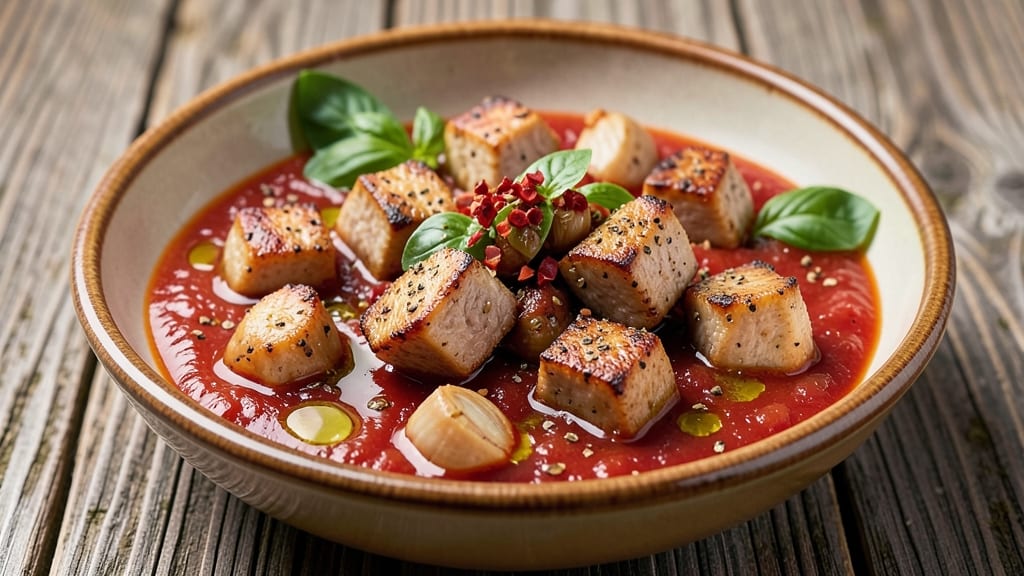
This arrabiata meat sauce recipe delivers the perfect balance of fiery tomato heat and crispy pork bits that cling to every bite. The secret lies in slow-cooked tomatoes, fresh garlic, and a touch of chili flakes that build depth as they simmer.
I've perfected this version to ensure the pork stays tender while developing a crispy exterior, creating a sauce that's rich, aromatic, and impossible to resist.
What sets this sauce apart is the technique: browning the pork first for maximum flavor, then deglazing the pan to create a rich, velvety base.
The tomatoes simmer until they break down into a thick, glossy consistency, while the chili peppers infuse just enough heat to wake up your taste buds without overwhelming. The result is a sauce that's bold, balanced, and perfect for tossing with pasta or slathering over grilled meats.
The crispy pork bits add a satisfying textural contrast that elevates every spoonful, making this sauce more than just a condiment—it's the star of the dish.
Whether you're serving it over spaghetti, drizzling it on bruschetta, or using it as a marinade, this arrabiata sauce delivers restaurant-quality flavor with minimal effort. The best part? You can adjust the spice level to suit your preference without sacrificing depth.
Ready in about 45 minutes, this sauce is ideal for weeknight dinners or meal prep. The flavors only get better as it sits, so make a double batch and store it in the fridge for up to a week.
Here's how to make it—simple, foolproof, and packed with authentic Italian heat.
Ingredients for arrabiata meat sauce
Crispy pork, bold tomatoes, and fiery chili flakes—this sauce is all about that perfect balance of heat and texture.
| Ingredient | Amount | Notes |
|---|---|---|
| Pork Shoulder 🥓 | 1 ½ lb | Cut into 1-inch cubes |
| San Marzano Crushed Tomatoes 🍅 | 28 oz | High-quality canned tomatoes |
| Garlic Cloves 🧄 | 6 cloves | Freshly minced |
| Red Chili Flakes 🌶️ | 1 ½ tbsp | Adjust for spice preference |
| Extra-Virgin Olive Oil 🫒 | ½ cup | For browning pork |
| Dried Oregano 🍃 | 1 tbsp | Italian variety preferred |
| Dried Basil 🌿 | 1 tbsp | Or 0.25 cup fresh |
| Sea Salt 🧂 | 1 ½ tsp | Diamond Crystal preferred |
| Black Pepper 🌶️ | ½ tsp | Freshly cracked |
| Red Wine 🍷 | ½ cup | Dry Italian variety |
The pork shoulder is non-negotiable here—it's what gives you those crispy bits that make every bite worth it. Grab a bone-in cut from Whole Foods or your local butcher for extra flavor. Cut it into even 1-inch cubes so they brown perfectly. San Marzano tomatoes are worth the splurge—they're sweeter and more consistent than regular canned tomatoes. If you can't find them, Muir Glen is a solid backup. The garlic? Freshly minced makes all the difference—no pre-minced garbage here.
No red wine? Dry white wine or beef broth works in a pinch, but you'll lose some depth. Chili flakes can be swapped for crushed red pepper if you prefer a smoother heat. Fresh basil is ideal, but dried basil at one-third the amount gets you close. For the oregano, Italian seasoning blends work if you're in a hurry, but real oregano has that authentic kick. The olive oil matters too—low-acid, fruity varieties like California extra-virgin keep the sauce from turning bitter.
This sauce only gets better with time, so make a double batch if you can. Keeps 5-7 days in the fridge, 3 months frozen. Store it in a glass jar with a layer of olive oil on top to preserve freshness. The pork bits crisp up again when reheated—perfect for topping pasta or bruschetta. Freeze in ice cube trays for single-serving portions.
Why You'll Love This Recipe
- I’ll be real: this sauce tastes even better the next day. Make a big batch on Sunday, freeze half, and reheat it for a weeknight dinner—no takeout needed. It’s my go-to for lazy nights or when I’m feeding a crowd.
- One-Pot Magic: Between us, this sauce simmers in one pot—no chopping, no fuss. I just toss in the pork shoulder (already cut into chunks), a handful of garlic, and crushed tomatoes, then let it do its thing while I open a bottle of wine.
- Spicy-Sweet Balance: Honestly, the chili flakes and San Marzano tomatoes create this perfect kick—bright, tangy, and just enough heat to wake up your taste buds. The pork shoulder melts into tender, flavor-packed shreds that make every bite irresistible.
- Meal Prep Goldmine: I’ll be real: this sauce tastes even better the next day. Make a big batch on Sunday, freeze half, and reheat it for a weeknight dinner—no takeout needed. It’s my go-to for lazy nights or when I’m feeding a crowd.
Step-by-step instructions for arrabiata meat sauce
Here's how to build bold, spicy tomato heat with perfectly crispy pork bits—every bite delivers that perfect contrast.
Brown the Pork Shoulder for Maximum Flavor
Heat the 0.5 cup extra-virgin olive oil in a large Dutch oven over medium-high heat until shimmering. Add the 1.5 lb pork shoulder, cut into 1-inch cubes, in a single layer—don't overcrowd the pan. Let them sear undisturbed for 4-5 minutes until deep golden brown on one side.
Flip the pork and sear the other sides for another 3-4 minutes, working in batches if needed. This step is non-negotiable—those crispy edges pack serious flavor. Once all pieces are golden, remove them with a slotted spoon and set aside on a plate. You'll want to keep them warm until the sauce is ready.
Build the Spicy Tomato Base
In the same Dutch oven, reduce the heat to medium and add the 6 cloves minced garlic. Cook for 30 seconds until fragrant—don't let it burn, or you'll taste bitterness. Immediately add the 1.5 tbsp red chili flakes and stir for 10 seconds to toast them slightly, deepening their heat.
Pour in the 0.5 cup red wine and scrape up all those delicious browned bits from the bottom of the pan. Let the wine simmer for 2-3 minutes until reduced by half. This deglazing step captures all that meaty flavor you just created. Then add the 28 oz San Marzano crushed tomatoes and stir to combine.
Simmer the Sauce to Perfection
Return the pork to the pot, nestling it into the sauce. Add the 1 tbsp dried oregano, 1 tbsp dried basil, 1.5 tsp sea salt, and 0.5 tsp black pepper. Bring to a gentle simmer, then reduce heat to low and let it cook uncovered for 1 hour 15 minutes, stirring occasionally.
Here's the thing—you want the sauce to reduce and thicken, but not so much that it becomes pasty. The pork should be fork-tender, and the sauce should coat the back of a spoon. If it's too thin, simmer uncovered for another 10-15 minutes—the liquid will evaporate and concentrate the flavors beautifully.
Adjust and Serve with Confidence
Taste the sauce and adjust the seasoning if needed. You might need a pinch more salt or a sprinkle of chili flakes to dial in the heat. The sauce should be vibrant red, with the pork pieces swimming in a glossy, slightly thickened sauce that clings to every strand of pasta.
Serve immediately over al dente spaghetti or your favorite pasta shape, with extra chili flakes on top if you love heat. The contrast between the crispy pork bits and the silky, spicy tomato sauce is what makes this dish unforgettable. Trust me, your taste buds will thank you!
Pro Tips For Making Arrabiata Meat Sauce
- CRUSH THE GARLIC: Toss the whole cloves in the oil first, then smash them with the flat of your knife after they sizzle—this releases more flavor without burning. I used to chop them, and the sauce always tasted like it was missing something. (Yes, even if you’re impatient like me.)
- SWEAT THE PORK FIRST: Brown the pork shoulder in batches over medium-high heat until deeply caramelized—this takes 10-15 minutes total, not rushed. Skim the fat as it renders, but leave enough to self-baste the meat. After burning three batches, I finally figured out: low and slow for color, then high for sear.
- SALT THE TOMATOES: Toss the crushed San Marzano tomatoes with a pinch of salt and let them sit for 10 minutes before adding to the sauce. This softens their acidity and deepens their sweetness—my grandmother swore by this, and she was right: the sauce tastes richer immediately.
- DILUTE THE HEAT: Add the chili flakes last, and only if you want visible heat—not just background spice. Stir in a splash of pasta water at the end to mellow the burn without thinning the sauce. I was skeptical until I tried it: the flavor stays bright, but the bite softens. (Your future self will thank you.)
Regional styles of this dish
Roman Arrabiata
In Rome, arrabiata sauce is all about bold, unapologetic heat and simple ingredients. The Romans use freshly minced garlic (never pre-minced) and red pepper flakes toasted until they release their natural oils.
I like adding a splash of pasta water at the end to loosen the sauce slightly—it creates that perfect cling to al dente spaghetti. The key difference? Roman versions often include a pinch of cinnamon (about ¼ tsp) for warmth, which balances the chili heat beautifully. 🌶️
For an authentic Roman touch, finish with fresh basil leaves torn by hand rather than chopped—their texture adds a luxurious contrast. Serve with tonnarelli pasta instead of spaghetti for extra heartiness. Romans also love drizzling the sauce over grilled porchetta or crispy polenta for a hearty meal.
Neapolitan Spicy Twist
Neapolitan arrabiata takes things up a notch with San Marzano tomatoes simmered until they break down into a jam-like consistency. The secret here is slow-cooking the sauce for 2-3 hours on low heat to develop deep, caramelized flavors.
I add a glug of balsamic vinegar (about 1 tbsp) during the final 15 minutes of cooking to add complexity.
For extra richness, Neapolitans often incorporate a handful of sun-dried tomatoes (about ¼ cup, chopped) during the last 30 minutes of simmering. This version pairs perfectly with rigatoni pasta or thick-cut breadsticks for dipping.
The heat level is more pronounced, so I recommend starting with 1 tbsp chili flakes and adjusting to taste.
Sicilian Crispy Version
Sicilian arrabiata focuses on crispy pork bits that stay intact even after long simmering. The trick? Using pork belly instead of shoulder—it renders fat that crisps beautifully while keeping the meat tender.
After browning, I add a splash of white wine (about ¼ cup) to deglaze before incorporating the tomatoes. This version also includes a pinch of fennel seeds (about ½ tsp) for an anise-like depth that complements the chili heat.
Sicilians often serve this sauce with bucatini pasta or as a topping for grilled swordfish. The crispy pork belly adds a satisfying crunch that contrasts perfectly with the silky sauce.
For extra authenticity, finish with a drizzle of chili oil (about 1 tsp) made from red chili flakes and high-quality olive oil.
Modern Fusion Adaptations
For a smoky twist, I add ½ cup chipotle peppers in adobo (blended with the tomatoes) and a dash of smoked paprika (about ½ tsp). This works surprisingly well with ground beef instead of pork—just brown it with 1 tsp cumin for extra depth.
The result is a sauce with Mexican-inspired heat that still feels authentically Italian.
Another fun adaptation is arrabiata with mushrooms—sauté 8 oz cremini mushrooms with the garlic and add them to the sauce during the final 20 minutes of simmering. This earthy version pairs perfectly with wild rice pasta or roasted root vegetables.
For a sweet-heat balance, stir in 1 tbsp honey during the last 10 minutes of cooking.
Nutrition facts
Frequently asked questions about arrabiata meat sauce
Can I substitute pork with another type of meat?
For a leaner option, try chicken thighs (bone-in for extra flavor) or ground beef (80/20 blend). If you prefer pork belly, use 1 lb instead of shoulder—it renders fat that crisps beautifully. For a seafood twist, shrimp or calamari rings work well, but add them only in the last 5 minutes to avoid overcooking.
How do I adjust the spice level?
Start with 1 tbsp chili flakes for mild heat, then increase to 1.5 tbsp for medium, or 2 tbsp for fiery. For extra control, add fresh red chili peppers (seeds removed for less heat) during the final 10 minutes of simmering. If it's too spicy, balance with a pinch of sugar or 1 tbsp tomato paste to mellow the flavor.
Can I make this sauce in a slow cooker?
Yes! Brown the pork first, then transfer everything to a 6-quart slow cooker and cook on low for 6-8 hours or high for 3-4 hours. The slow cooker method deepens the flavors but may require adding 1-2 tbsp water if the sauce gets too thick. Stir occasionally to prevent sticking, and finish with a quick simmer on the stovetop to crisp the pork bits.
What’s the best way to store and reheat leftovers?
Store in an airtight container in the fridge for up to 5-7 days or freeze for 3 months. To reheat, warm in a saucepan over low heat for 5-10 minutes, stirring occasionally. For extra crispiness, broil the pork bits for 2-3 minutes after reheating. Avoid microwaving—it makes the sauce watery and dulls the flavors.
Why did my sauce turn out too thin?
This usually happens if the sauce didn’t simmer long enough. For a thicker consistency, simmer uncovered for another 10-15 minutes to evaporate excess liquid. If it’s still too thin, mix 1 tbsp cornstarch with 2 tbsp water, stir into the sauce, and simmer for 2-3 minutes until it thickens. Alternatively, add 1 tbsp tomato paste and cook for 5 minutes to deepen the flavor and body.