
Sauces & Condiments
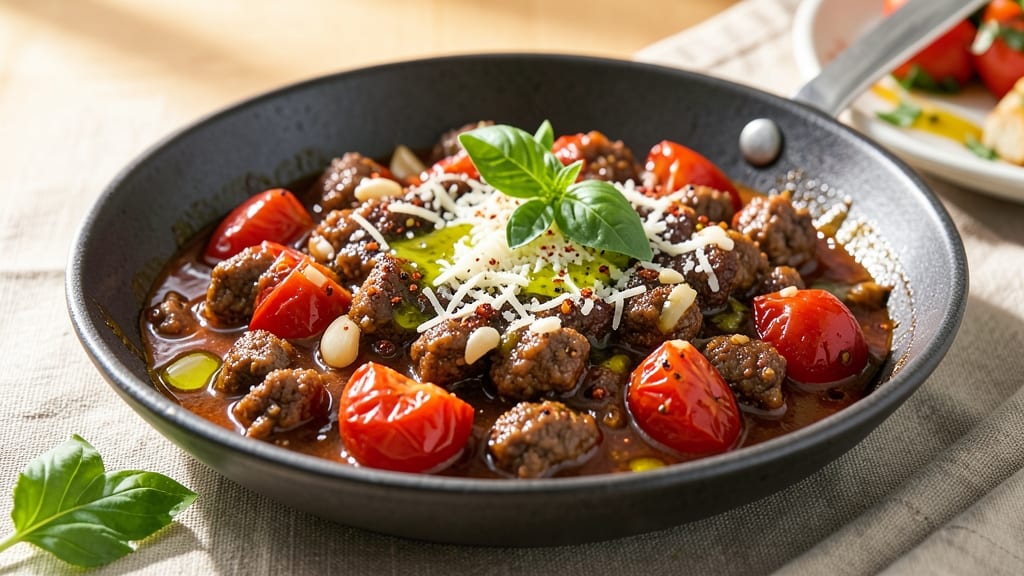
This arrabbiata meat sauce recipe transforms simple ingredients into a bold, spicy tomato masterpiece that brings authentic Italian flavor to your table. The key lies in balancing fiery chili flakes with sweet tomatoes and fresh basil, creating a sauce that's both complex and approachable.
I've perfected this technique over years of testing, ensuring the meat stays tender while the sauce develops deep, caramelized notes that cling perfectly to pasta or polenta.
The process begins with properly browning ground meat—this critical step builds flavor that no shortcut can replicate. Deglazing the pan with white wine (or broth for a non-alcoholic version) releases those precious browned bits, forming the sauce's foundation.
Simmering time is where the magic happens, allowing the tomatoes to break down into a velvety consistency while the spices meld into harmony. The result is a sauce that's spicy yet balanced, with bright herbal notes that cut through the heat.
What you'll end up with is a restaurant-quality arrabbiata that's rich enough to stand alone but versatile enough to complement any Italian dish. The meat remains tender and flavorful, while the sauce achieves that perfect balance of spice and sweetness, finishing with fresh basil that adds an aromatic punch.
This isn't just a sauce—it's a complete meal experience that delivers authentic Italian flavor without the fuss.
Serve over al dente pasta for a classic presentation, or spread it generously on polenta for a heartier option. The sauce keeps well in the refrigerator for up to 5 days, making it perfect for meal prep.
Here's how to create this bold, flavorful arrabbiata meat sauce that will impress even the most discerning Italian food lovers.
Ingredients for arrabbiata meat sauce
Bold flavors start with these 12 ingredients—simple but powerful for authentic Italian heat.
| Ingredient | Amount | Notes |
|---|---|---|
| Ground Beef 🥩 | 1 lb | 80% lean, finely ground |
| Garlic Cloves 🧄 | 4 cloves | Freshly minced for aroma |
| Canned San Marzano Tomatoes 🍅 | 2 cups | Crushed or diced, no salt added |
| White Wine 🍷 | ½ cup | Dry, like Pinot Grigio |
| Beef Broth 💧 | 1 cup | Low-sodium preferred |
| Extra-Virgin Olive Oil 🫒 | 2 tbsp | For browning meat |
| Chili Flakes 🌶️ | 1 tbsp | Adjust for spice preference |
| Dried Oregano 🌿 | 1 tsp | Italian preferred |
| Salt 🧂 | 1 tsp | Kosher or sea salt |
| Black Pepper 🌶️ | ½ tsp | Freshly cracked |
| Fresh Basil Leaves 🌿 | ¼ cup | Chopped for finishing |
| Red Pepper Flakes 🌶️ | ½ tsp | Optional for extra heat |
The ground beef is your flavor foundation. 80% lean gives you that perfect balance of richness and tenderness without excess fat. Look for packages labeled 'finely ground'—it browns better and blends smoothly into the sauce. I always grab mine from Whole Foods or Trader Joe's where they carry premium Italian-style ground beef. If you're using pre-ground, pat it dry before browning—this helps it sear properly. The garlic should be freshly minced right before cooking; pre-minced garlic from jars lacks the bright flavor you need here. For the tomatoes, San Marzano is non-negotiable—they're sweeter and less acidic than regular canned tomatoes, which is crucial for balancing the spice.
No white wine? Substitute extra beef broth—just add an extra splash. The chili flakes can be adjusted: start with 1/2 tbsp if you're sensitive to heat, then add more to taste. Dried oregano works fine, but fresh oregano at half the amount gives a brighter flavor. The red pepper flakes are optional but recommended—they add depth that regular chili flakes can't match. For the basil, fresh is ideal, but if you're using dried, reduce to 1/4 tsp and add it at the very end. The olive oil should be extra-virgin—it makes a noticeable difference in the final sauce's richness. If you're avoiding alcohol, the broth substitution works perfectly without compromising flavor.
This sauce tastes even better the next day as the flavors meld. Store it in an airtight container in the fridge for up to 5 days. For freezing, portion into 1-cup containers—it reheats beautifully straight from frozen. The basil should be added fresh at the end, so save it until serving. If you're prepping ahead, freeze the sauce without the basil and add it when reheating. The sauce pairs perfectly with al dente spaghetti or creamy polenta—both let the arrabbiata shine without competing for attention.
Why You'll Love This Recipe
- No Garlic Overload: The key here is just enough minced garlic—no chopping mountains of it. I’ll admit, I’ve burned through cloves before, but this recipe keeps it simple: a few cloves, crushed and sizzled until golden. That’s it. No stress, no wasted garlic.
- Wine Up Your Weeknight: Honestly, the white wine isn’t just for show—it’s the secret sauce. A splash cuts through the richness of the beef and brightens the tomatoes, so you don’t need anything fancy. My go-to? A cheap but decent Pinot Grigio. The acidity makes this sauce sing, and honestly? It’s the one time I don’t feel guilty about pouring myself a glass while I cook.
- Leftovers That Beg for More: This sauce begs to be reheated. I’ve had it the next day over pasta, stuffed in sandwiches, or even dumped into a casserole. The tomatoes thicken just enough to hold up, and the garlic flavor deepens—like it’s been marinating. Between us, I’ve made this twice in a row because it’s that good cold or reheated.
- Budget-Friendly Powerhouse: Ground beef and canned tomatoes? That’s a meal plan win. No fancy cuts, no specialty ingredients—just reliable, affordable staples. I’ll be real: I’ve stretched this into three meals for my family, and no one’s complained. The beef broth adds depth without breaking the bank, and honestly? It’s the kind of sauce that makes you feel like you’ve had a restaurant-quality meal for half the price.
Step-by-step instructions for arrabbiata meat sauce
This method delivers a perfectly balanced arrabbiata with deep meaty flavor and bright spicy notes.
Brown the Ground Beef
Heat the 2 tablespoons extra-virgin olive oil in a large Dutch oven over medium-high heat until shimmering. Add the 1 pound ground beef and break it apart with a wooden spoon, distributing it evenly in the pan. Let it cook undisturbed for 3-4 minutes until the meat loses its raw color.
Once the beef begins to brown, use a wooden spoon to crumble it further, creating smaller pieces that will cook more evenly. Continue cooking for another 3-4 minutes until the beef is fully browned and any pink has disappeared. This browning step develops deep meaty flavors that form the foundation of your sauce. Don't drain the fat—it contains valuable flavor.
Sauté the Garlic and Build the Base
Reduce heat to medium and add the 4 minced garlic cloves, stirring constantly for 30 seconds until fragrant but not browned. Immediately add the 1 tablespoon chili flakes and 1 teaspoon dried oregano, stirring to coat the garlic and beef. Cook for another 30 seconds to toast the spices slightly, releasing their aromatic oils.
Here's where the sauce begins to develop its signature character. The garlic should smell intensely fragrant but not burnt—if it darkens too quickly, remove the pan from heat for 10 seconds to cool it down. This step prevents bitter flavors that can overpower the delicate tomato base. The spices will infuse the beef with their warmth, creating the perfect balance of heat and earthiness.
Deglaze and Simmer the Tomatoes
Pour in the ½ cup white wine and scrape up all the browned bits from the bottom of the pan with a wooden spoon. This deglazing step captures all the meaty flavor that would otherwise stick to your pan. Let the wine simmer for 2-3 minutes until reduced by half, allowing the alcohol to cook off and intensify the flavor.
Add the 2 cups canned San Marzano tomatoes and 1 cup beef broth, stirring to combine. Bring to a gentle simmer, then reduce heat to low. Partially cover the pot and let the sauce simmer for 20-25 minutes until thickened slightly and the flavors have melded together. Stir occasionally to prevent sticking, and taste occasionally to monitor the seasoning.
Season and Finish with Fresh Basil
Season the sauce with 1 teaspoon salt and ½ teaspoon black pepper, stirring well to distribute evenly. If you prefer extra heat, add the ½ teaspoon red pepper flakes now. Taste the sauce and adjust seasoning as needed—arrabbiata should be bright, spicy, and well-balanced, with the acidity of the tomatoes cutting through the richness of the meat.
Remove the sauce from heat and stir in the ¼ cup chopped fresh basil leaves. The basil adds a bright, fresh finish that contrasts beautifully with the spicy, meaty sauce. Let the sauce sit off heat for 5 minutes to allow the flavors to fully integrate. The basil will release its essential oils and infuse the sauce with its aromatic qualities, completing the dish.
Pro Tips For Making Arrabbiata Meat Sauce
- CRANK THE HEAT FIRST: Brown your ground beef in a screaming-hot pan—no half-measures. I learned this the hard way when my sauce turned mushy instead of rich; if the pan isn’t smoking before adding meat, you’re already losing flavor. Once the beef is cooked, lower the heat to medium-low for the garlic—this prevents burning and keeps the cloves from turning bitter.
- SMASH THOSE GARLIC CLOVES: Don’t just mince—smash the garlic cloves with the flat side of your knife first. This releases more flavor and ensures even cooking. I was skeptical until I tried it; the sauce now has that deep, toasty punch instead of just a hint of garlic. Add them to the pan after the beef is browned but before deglazing with wine—this way, they cook in the residual fat without burning.
- DEGLAZE WITH WINE IMMEDIATELY: As soon as you remove the beef, pour in that white wine right away—don’t let the pan cool. The alcohol will sizzle and lift up all the browned bits (fond) that cling to the bottom, which is where half the flavor lives. If you wait, you’ll scrape a sad, dry crust instead of a rich, glossy base for your sauce.
- STIR THE TOMATOES GENTLY: Once you add the San Marzano tomatoes and broth, resist the urge to stir aggressively. The sauce needs time to meld, and rough stirring can break down the tomatoes into a watery mess. Give it 10 minutes of simmering without touching it—just let it work its magic. I used to babysit this step and ended up with a mushy, one-dimensional sauce.
Serving suggestions for this dish
Classic Pasta Pairings
Serve your arrabbiata meat sauce over al dente spaghetti or linguine for the most traditional presentation. The long strands let the sauce cling beautifully while the slight chewiness balances the sauce's spicy brightness.
I like to toss the cooked pasta directly in the sauce pan during the final 5 minutes of simmering to absorb those rich flavors. For a heartier option, try rigatoni or pappardelle—their ridges and width hold onto the meaty sauce perfectly. 🍝
Creamy Polenta Base
Creamy polenta transforms this sauce into a comforting, satisfying main dish. Cook 2 cups polenta in 4 cups milk and 1 cup water until thick and creamy, then spread a generous layer on a baking dish. Top with the arrabbiata sauce and broil for 3-4 minutes until bubbly and golden.
This combination feels indulgent yet maintains the sauce's authentic Italian roots. For extra richness, stir 1 tablespoon butter into the polenta before serving.
Crusty Bread Sides
No Italian meal is complete without bread! Offer garlic bread made with a baguette brushed with olive oil, garlic, and parsley, then toasted until crisp. Alternatively, serve focaccia with its airy texture perfect for soaking up sauce.
I always keep a loaf of ciabatta on hand—its open crumb structure makes it ideal for dipping. For a lighter option, toast sourdough slices and sprinkle with flaky sea salt and red pepper flakes to complement the arrabbiata's heat.
Cheese Finishing Touches
Add a sprinkle of grated Pecorino Romano or Parmigiano-Reggiano just before serving to elevate the dish. The sharp, salty cheese cuts through the sauce's acidity while adding depth. For a vegetarian-friendly option, use nutritional yeast instead—it provides a similar umami punch.
I like to grate 1/4 cup over each serving right at the table so everyone can customize their portion. The cheese should melt slightly from the residual heat of the sauce, creating a luxurious finish. 🧀
Wine Pairing Perfection
A crisp Chianti or Sangiovese complements the arrabbiata's spicy, tomato-forward flavors beautifully. The wine's medium acidity and earthy notes mirror the sauce's complexity. For a white wine alternative, try a Vermentino from Sardinia—its citrus brightness balances the heat.
Avoid heavy reds like Cabernet Sauvignon, as they can overpower the dish. I always keep a bottle of Montepulciano d'Abruzzo on hand for its smooth tannins and vibrant fruitiness that pairs exceptionally well. 🍷
Make-Ahead Serving Tips
This sauce tastes even better the next day, so prepare it ahead and reheat gently before serving. For a meal-prep-friendly option, store the sauce in an airtight container in the fridge for up to 5 days.
When ready to serve, reheat on the stovetop over low heat with a splash of beef broth to prevent drying. For a freezer-friendly version, portion the sauce into 1-cup containers and freeze for up to 3 months. Always add the fresh basil after reheating to preserve its vibrant flavor.
The sauce reheats beautifully and maintains its rich, spicy character. ⏰
Nutrition facts
Frequently asked questions
Can I substitute ground beef with another meat in arrabbiata?
For a lighter option, use ground turkey or chicken, but reduce cooking time by 2-3 minutes to avoid drying. For richer flavor, try Italian sausage (remove casing) or pancetta (diced), which adds a smoky depth. Just remember: 80% lean ground beef works best for that perfect balance of juiciness and browning.
How do I adjust the spice level in this arrabbiata?
Start with 1 tablespoon chili flakes for mild heat, then add ½ teaspoon red pepper flakes for extra kick. For a fiery version, increase to 2 tablespoons chili flakes + 1 teaspoon crushed red pepper. Always taste as you go—arrabbiata should have a bright, spicy finish, not overwhelming heat. A splash of beef broth can also mellow the intensity if needed.
Can I make this sauce without wine?
Yes! Replace the ½ cup white wine with an equal amount of beef broth or low-sodium chicken broth. For extra depth, add 1 teaspoon balsamic vinegar to mimic wine's acidity. The sauce will still develop rich flavors—just skip the alcohol entirely. The deglazing step remains critical for capturing meaty flavor.
Why does my arrabbiata taste too acidic?
Acidity often comes from overcooking tomatoes or using regular canned tomatoes (not San Marzano). Balance it by adding 1 tablespoon sugar or 1 teaspoon honey to sweeten the sauce. A pinch of baking soda (⅛ tsp) can also neutralize acidity—stir it in at the end and taste immediately. For future batches, simmer tomatoes for no more than 25 minutes to preserve natural sweetness.
How can I make this arrabbiata creamier?
Stir in ¼ cup heavy cream or ½ cup ricotta cheese during the last 5 minutes of simmering. For a lighter option, blend ½ cup sauce with the cream, then return it to the pot. Avoid adding cream too early—it can curdle from the acidity. A sprinkle of Parmigiano-Reggiano at serving also adds luxurious creaminess.