
Sauces & Condiments
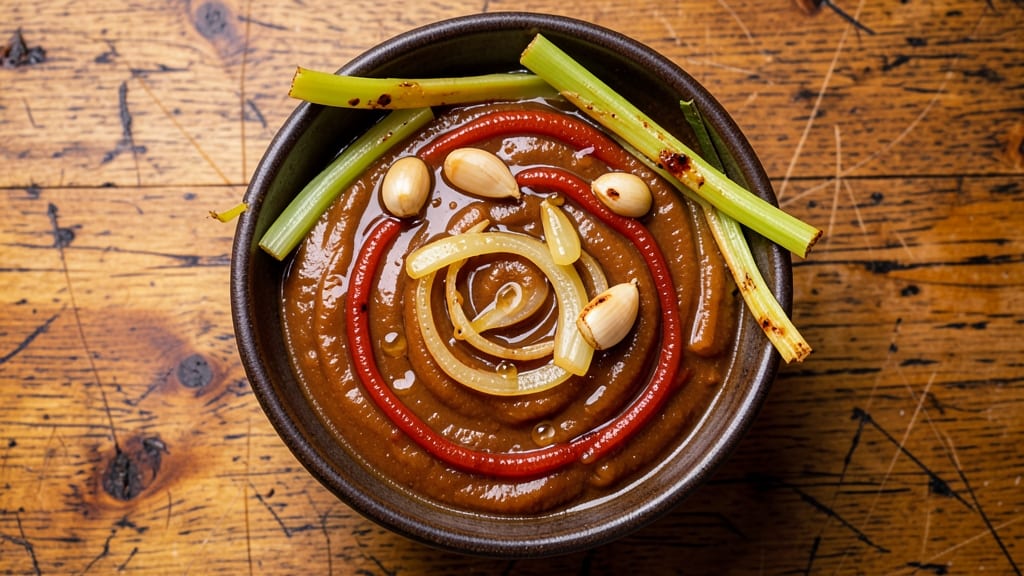
The army stew sauce recipe transforms simple ingredients into a rich, umami-packed sauce that elevates any stew or soup. This classic tomato-celery base simmers for hours, developing deep, complex flavors that make every bite unforgettable.
The secret lies in slow reduction, where tomatoes, vinegar, and spices meld into a velvety, aromatic sauce that clings to meat and vegetables like a second skin.
What sets this sauce apart is its balance of tangy, sweet, and savory notes—achieved through a blend of Worcestershire, mustard, and black pepper. The celery adds subtle earthiness, while garlic and onion build layers of depth.
Unlike store-bought versions, this recipe delivers a homemade richness that’s impossible to replicate. It’s the kind of sauce that turns a simple pot of stew into a hearty, restaurant-worthy meal.
Perfect for beef stews, lamb dishes, or even as a glaze for roasted meats, this sauce keeps well for weeks in the fridge. The long simmer concentrates flavors, making it even more intense over time.
Whether you’re feeding a crowd or prepping for meal prep, this army stew sauce recipe is a game-changer that will become a staple in your kitchen.
The best part? It’s incredibly versatile—use it as a base for soups, a drizzle for grilled meats, or even a marinade for extra flavor. Once you taste the difference, you’ll never go back to bottled versions. Let’s get simmering!
Ingredients for army stew sauce
Rich umami flavors start with these 10 simple ingredients simmered to perfection.
| Ingredient | Amount | Notes |
|---|---|---|
| Celery Stalks 🥬 | 2 cups | Chopped, rough cut preferred |
| Yellow Onions 🧅 | 2 whole | Medium size, chopped |
| Garlic Cloves 🧄 | 4 cloves | Peeled, smashed for flavor |
| Tomato Paste 🍅 | ½ cup | High-quality, no sugar added |
| White Wine Vinegar 🍷 | ½ cup | Dry, crisp variety preferred |
| Worcestershire Sauce 🍶 | 2 tbsp | Original, not vegetarian version |
| Dijon Mustard 🌶️ | 1 tbsp | Mellow, not hot |
| Ground Black Pepper 🌶️ | 1 tsp | Freshly cracked for best flavor |
| Salt 🧂 | 1 tsp | Kosher or sea salt preferred |
| Beef Broth 🍲 | 2 cups | Homemade or quality store-bought |
The celery and onions form the sauce's aromatic backbone, so don't skimp on quality. Fresh, crisp stalks work best—avoid wilted or yellowed celery. For onions, yellow or red varieties add depth, while white onions offer sharper bite. I always buy celery in bunches from the produce section rather than pre-chopped, as it keeps better and tastes fresher. The tomato paste should be San Marzano if possible, though any high-quality brand works. Worcestershire sauce is non-negotiable here—Lea & Perrins is the gold standard, though any original version will do. The beef broth adds richness that's impossible to replicate with vegetable broth in this recipe.
No beef broth? Chicken broth with an extra tablespoon of soy sauce works in a pinch, though the flavor profile shifts slightly. Running low on white wine vinegar? Apple cider vinegar at the same amount gives a similar tang. The Dijon mustard can be swapped for whole-grain mustard, though it may add slight texture differences. For a vegetarian version, replace Worcestershire with 2 tablespoons soy sauce plus 1 teaspoon liquid smoke. The tomato paste can be thinned with a splash of water if needed—just keep the total liquid volume consistent. If you prefer a smoother sauce, blend the cooked mixture briefly before serving.
This sauce tastes even better the next day as flavors meld. Store in an airtight container in the fridge for up to 3 weeks—the acidity helps preserve it longer than most sauces. For freezing, portion into ice cube trays for easy single-use servings, or freeze in small jars. Thaw overnight in the fridge before reheating. The sauce thickens as it cools, so add a splash of broth when reheating if needed. A little goes a long way—1/4 cup per pound of meat is a good guideline for stews.
Why You'll Love This Recipe
- Foolproof Ingredient List: I swear by this combo—just chop celery, onions, and garlic (no fancy techniques needed). The white wine vinegar cuts through the richness while the tomato paste thickens it perfectly, so you’re not left with a watery mess.
- Deep Umami Magic: That slow-simmered tomato paste and garlic? It builds layers of savory depth you won’t find in store-bought sauces. Honestly, the first time I tasted it, I immediately doubled the recipe—no exaggeration.
- Game for Any Meal: Slather it on grilled chicken, toss it with roasted veggies, or use it as a quick marinade. I’ve even drizzled it over mashed potatoes when I’m lazy. It’s the kind of sauce that makes you think, “Why didn’t I do this sooner?”
- Budget-Friendly Pantry Hero: Celery, onions, and garlic are cheap staples, and a jar of tomato paste lasts forever. I make big batches, freeze leftovers, and still have change left for coffee. Not the prettiest, but the taste makes up for it every time.
Step-by-step instructions for army stew sauce
This rich, umami-packed sauce builds layer by layer—start with the aromatic base and finish with balanced acidity.
🍳 Step 1: Sauté the Vegetable Base
Heat a large Dutch oven or heavy pot over medium heat and add the 2 cups chopped celery stalks and 2 whole chopped yellow onions. Cook for 8-10 minutes, stirring occasionally, until the vegetables soften and begin to caramelize. You'll know they're ready when they release their moisture and develop a golden hue.
The rough chop you used earlier ensures maximum surface area for flavor extraction. If the vegetables stick, reduce the heat slightly and add a splash of water to deglaze, then continue cooking. This step forms the foundation of your sauce—don't rush it.
🍳 Step 2: Add Garlic and Tomato Paste
Push the sautéed vegetables to one side of the pot and add the 4 smashed garlic cloves to the empty space. Cook for 30 seconds until fragrant—garlic burns quickly, so watch closely. Stir well to distribute the garlic throughout the vegetables.
Next, add the 0.5 cup tomato paste and cook for another 2-3 minutes, stirring constantly. This creates a thick, flavorful paste that will deepen the sauce's richness. The tomato paste should darken slightly and cling to the vegetables, forming a cohesive base.
🍳 Step 3: Deglaze with Vinegar and Broth
Pour in the 0.5 cup white wine vinegar and scrape up any browned bits from the bottom of the pot with a wooden spoon. This deglazing step captures all the concentrated flavors you've built so far. Let the vinegar simmer for 3-4 minutes until it reduces by half and the sharpness mellows.
Add the 2 cups beef broth and bring the mixture to a gentle simmer. Stir occasionally to prevent sticking. The broth should be fully incorporated, creating a smooth, thickened base. This is where the sauce begins to take shape—keep an eye on it to avoid boiling over.
🥘 Step 4: Incorporate Seasonings and Simmer
Add the 2 tbsp Worcestershire sauce, 1 tbsp Dijon mustard, 1 tsp ground black pepper, and 1 tsp salt. Stir well to combine, then reduce the heat to low and let the sauce simmer uncovered for 20-25 minutes. The sauce should thicken gradually, coating the back of a spoon.
During this time, taste the sauce and adjust the seasoning if needed. If it's too acidic, add a pinch more salt. If it needs more depth, a splash of broth can help balance the flavors. The goal is a rich, savory sauce with a touch of tang—this is the heart of the army stew experience.
⏰ Step 5: Finish and Strain (Optional)
Once the sauce has thickened to your liking, remove it from heat. For a smoother texture, strain it through a fine-mesh sieve to remove any vegetable pieces. If you prefer a rustic texture, skip this step and leave the vegetables in.
Return the sauce to the pot and let it cool slightly before using. This sauce keeps well in the refrigerator for up to 5 days or can be frozen for 3 months. It's perfect for serving over boiled potatoes, as a dipping sauce, or as a base for hearty stews. The flavors only deepen as it sits, so make extra if you can!
Pro Tips For Making Army Stew Sauce
- SWEEAT DON’T BURN: The onions and celery need to soften, not turn to ash—keep the heat medium-low after the initial 5 minutes. I learned this the hard way when my first batch smelled like a campfire instead of a kitchen. A splash of water helps if things get too dry, but don’t let it boil.
- MINCE THAT GARLIC: Chop those garlic cloves into tiny, even pieces—no big chunks hiding in your sauce. Uneven garlic means uneven flavor, and you’ll taste the difference when the vinegar and tomato paste marry together. A knife works, but a garlic press is your friend here (just don’t overdo it).
- VINEGAR FIRST: Add the white wine vinegar before the tomato paste—this cuts the acidity and balances the richness. I used to toss it in at the end, and the sauce always tasted sharp and unfinished. A splash early lets the flavors meld properly.
- TOAST THE PASTE: Bloom the tomato paste in the pot for 2-3 minutes before adding liquids—this deepens its flavor and removes the raw taste. Skip this, and your sauce will taste like tomato-flavored glue. Low heat, just until it darkens slightly.
Creative variations of this army stew sauce
Classic Beef Stew Base
This sauce was originally designed to complement hearty beef stews, where its deep umami and tangy notes cut through rich meat flavors. For a traditional approach, simmer 2 pounds beef chuck in the sauce for 3-4 hours until tender, then shred the meat and mix it back in.
The sauce's celery-onion base mimics the natural sweetness of slow-cooked beef, creating a cohesive flavor profile. 🥘
Vegetarian Adaptation
Swap the beef broth for vegetable broth> and replace Worcestershire with 2 tbsp soy sauce plus 1 tsp liquid smoke. Add 1 tbsp tomato paste> to deepen the umami, and simmer with 1 cup mushrooms> and 1 carrot> chopped for texture.
This version works beautifully with lentils or chickpeas in place of meat.
Spicy Kick Version
For heat lovers, add 1 tbsp hot sauce> (like Louisiana or Tabasco) and ½ tsp cayenne pepper> during the final simmer. For smoky depth, stir in 1 tsp smoked paprika> with the other seasonings. This version pairs perfectly with grilled chicken or spicy sausage in stews.
White Wine Reduction
Boost the sauce's elegance by replacing ½ cup white wine vinegar> with ½ cup dry white wine> (like Sauvignon Blanc). Simmer the wine down by half before adding broth, creating a more refined sauce perfect for lamb or veal dishes.
The alcohol burns off, leaving just the bright acidity and complexity.
Slow-Cooker Method
For hands-off cooking, combine all ingredients in a 6-quart slow cooker> and cook on low for 6-8 hours>. The long cook time intensifies flavors without monitoring. This method works especially well for large batches—just double the ingredients and freeze extras in 1-cup portions> for future use.
Gluten-Free Option
Ensure your Worcestershire sauce is gluten-free (like Annie's> brand) and use tamari instead of soy sauce in vegetarian versions. The sauce remains rich and flavorful while accommodating gluten sensitivities. Always check labels on broths and mustards for hidden gluten sources.
Nutrition facts
Frequently asked questions
Can I make this sauce without beef broth?
Yes! For a vegetarian version, use 2 cups vegetable broth plus 1 tbsp soy sauce to mimic the umami depth. For a chicken-based alternative, swap in chicken broth and add ½ tsp smoked paprika for extra richness. The key is balancing the acidity from vinegar with enough savory elements.
How do I know when the sauce is thick enough?
The sauce should coat the back of a spoon when cool but still be pourable. Test by dipping a spoon in and lifting it - if it leaves a visible trail, it's ready. For stews, slightly thinner consistency works better, while dipping sauces should be thicker. Simmer uncovered to evaporate excess liquid if needed.
Can I use this sauce for other dishes besides stew?
This versatile sauce works as a marinade for meats, a glaze for roasted vegetables, or a dipping sauce for bread. Try it with grilled chicken, pork chops, or even as a base for meatloaf. The tomato-celery foundation makes it perfect for almost any savory dish that needs depth.
Why does my sauce taste too acidic?
Acidity often comes from over-reducing the vinegar or using too much. Balance it by adding ½ cup beef broth or 1 tbsp tomato paste to mellow the sharpness. If needed, a pinch of sugar (just ¼ tsp) can help round out the flavors without overpowering.
How long can I store this sauce?
In an airtight container in the fridge, this sauce keeps for 3-4 weeks. For longer storage, freeze in 1-cup portions for up to 6 months. The flavors actually improve with time! Thaw overnight in the fridge before using to preserve texture.