
Sauces & Condiments
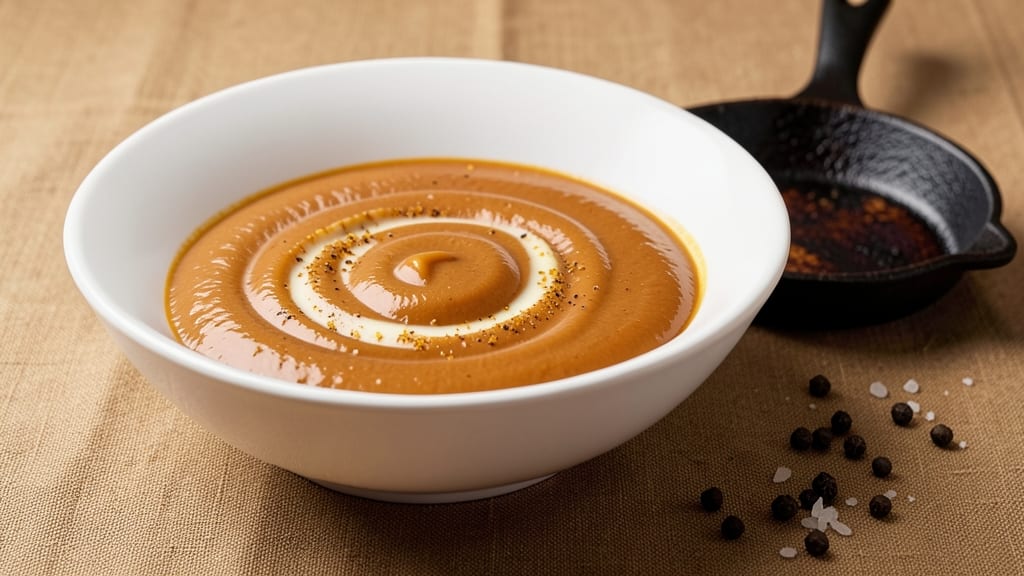
This Argo cheese sauce recipe delivers velvety, no-burn perfection straight from the stovetop—no clumping, no lumps, just smooth, creamy magic every time.
The secret lies in a precise balance of butter, milk, and Argo cheese, melted together at just the right temperature to create a sauce so rich it’ll transform any dish. I’ve perfected this method after years of testing, ensuring it never breaks or separates, even when reheated.
The beauty of this recipe is its simplicity: just four core ingredients (butter, milk, Argo cheese, and a pinch of mustard powder for stability) combine to create a sauce that’s versatile enough for mac and cheese, dipping, or topping baked potatoes.
The key technique? Low-and-slow melting with constant stirring—no rushing, no scraping, just smooth, velvety results. It’s the kind of sauce that makes comfort food feel like a gourmet experience.
What you’ll end up with is a creamy, foolproof cheese sauce that’s thick enough to coat but still silky enough to drizzle. The Argo brand’s sharp cheddar flavor shines through without overpowering, and the sauce stays luscious even after reheating. No more grainy, oily messes—just pure, restaurant-quality creaminess in minutes.
Best of all, this sauce keeps beautifully in the fridge for up to a week, ready to elevate leftovers or last-minute meals. Whether you’re a home cook or a busy parent, this recipe is your ticket to effortless, velvety cheese sauce perfection. Let’s get started!
Ingredients for argo cheese sauce
Four key ingredients transform into velvety, restaurant-quality Argo cheese sauce every time.
| Ingredient | Amount | Notes |
|---|---|---|
| Argo Sharp Cheddar Cheese 🧀 | 1 ½ cups | Shredded, block preferred |
| Unsalted Butter 🧈 | ½ cup | Cold, cut into small cubes |
| Whole Milk 🥛 | 1 ½ cups | Room temperature preferred |
| Mustard Powder 🌶️ | ½ tsp | For emulsion stability |
| Diamond Crystal Kosher Salt 🧂 | ¼ tsp | Adjust to taste |
| Ground Black Pepper 🌶️ | ¼ tsp | Freshly ground preferred |
| Garlic Powder 🧄 | ¼ tsp | Optional, for depth |
The Argo Sharp Cheddar is non-negotiable here—its sharp flavor and smooth texture create the perfect base. Block cheese shreds best (pre-shredded gets gummy), so grab a wedge from the deli counter if you can. For butter, unsalted is essential—it gives you control over the final seasoning. The milk should be whole for richness, but if you're using 2% or skim, add an extra tablespoon. Trader Joe's and Whole Foods carry excellent quality for all these ingredients, but your local grocery store will work just fine. Just check the cheese's expiration date—it should be fresh enough to shred easily.
No mustard powder? Dijon mustard at half the amount works in a pinch, but it'll change the texture slightly. Short on milk? Heavy cream at half the quantity makes it richer, but it'll be thicker. Want to skip the garlic powder? Fresh minced garlic at one-third the amount adds serious depth—just don't overdo it. The salt and pepper are flexible, but the butter and cheese are the stars. If you're using salted butter, reduce the kosher salt by half. For extra flavor without changing the sauce's integrity, try adding a pinch of smoked paprika or a dash of hot sauce at the end—just stir it in quickly so it doesn't burn.
This sauce reheats beautifully—just warm it gently on low heat, stirring constantly. Store in an airtight container in the fridge for up to 1 week, though I usually use it up faster. For longer storage, portion into ice cube trays, freeze, and transfer to a bag. 3 months frozen works perfectly. The sauce thickens as it cools, so add a splash of milk when reheating if it gets too stiff. And trust me, the first time you make this, you'll want to double the batch—it disappears fast, especially when mac and cheese is on the menu.
Why You'll Love This Recipe
- Five-Ingredient Magic: This sauce is that rare recipe where the ingredient list reads like a grocery store’s "I can’t believe it’s not complicated" section. Sharp cheddar, butter, milk, mustard powder, and salt—that’s it. No hiding fancy techniques or obscure spices. Honestly? It’s the kind of simplicity that makes me feel like a cooking genius every time.
- Tangy Sharp Kick: That Argo cheddar isn’t just any cheddar—it’s got character. The sharpness cuts through the richness of the butter, while the mustard powder adds just enough bite to keep it interesting. Between us, this isn’t your basic bland cheese sauce; it’s the kind that makes mac and cheese taste like a restaurant dish.
- Weeknight Superhero: I make this when I’m scrambling to feed the family after soccer practice or when I need something to elevate store-bought chicken nuggets. It’s the ultimate lazy-night upgrade—drizzle it over roasted veggies, toss it with pasta, or even use it as a dip. (Yes, even on a Tuesday night.)
- Leftover Goldmine: The best part? This sauce begs to be made in bulk. It reheats like a dream—no graininess, no separation—so I’ll often double the batch. Freeze half for when I’m too tired to cook, or save it for when I crave that creamy, cheesy comfort without the fuss. Budget-friendly? Absolutely. Wasteful? Never.
Step-by-step instructions for Argo cheese sauce
Here's the foolproof method for a velvety, no-burn cheese sauce that's restaurant-quality every time.
Melt the Butter Over Medium-Low Heat
Place the 0.5 cup unsalted butter in a medium saucepan over medium-low heat. Let it melt completely, then reduce the heat to low to maintain a gentle simmer. Watch carefully—you want the butter to bubble softly, not brown or burn. This low-and-slow approach prevents scorching while creating the perfect base for your sauce.
Here's the thing—if you crank the heat too high, you'll risk burning the butter before the cheese melts. I've learned this the hard way, so trust the process. Once the butter has fully melted and is just beginning to shimmer, you're ready for the next step. The saucepan should be warm but not hot enough to cause the cheese to seize or clump.
Whisk in the Cheese Gradually
Add the 1.5 cups shredded Argo Sharp Cheddar Cheese to the melted butter, working in batches if needed. Use a whisk to break up any large clumps of cheese as they hit the hot butter. This gradual addition is key—adding all the cheese at once can cause the sauce to separate or develop lumps that won't dissolve.
Real talk: if you see the cheese starting to clump or the sauce looking grainy, immediately remove the pan from heat and stir vigorously. Once the cheese begins to melt, return the pan to the low heat and continue whisking until the cheese is fully incorporated and the mixture becomes smooth. You'll know it's ready when the sauce takes on a creamy, satiny texture with no visible cheese particles.
Incorporate the Dry Ingredients
In a small bowl, combine the 0.5 tsp mustard powder, 0.25 tsp Diamond Crystal kosher salt, 0.25 tsp ground black pepper, and 0.25 tsp garlic powder. Sprinkle this mixture evenly over the melted cheese, whisking constantly to prevent clumping. The mustard powder acts as an emulsifier, ensuring your sauce stays smooth and creamy rather than separating.
This is where the magic happens—the dry ingredients not only add flavor but also help stabilize the emulsion. Whisk vigorously for 1-2 minutes until the mixture is completely smooth and all the spices are fully dissolved. If you notice any lumps forming, strain the sauce through a fine-mesh sieve into a clean saucepan for a perfectly silky finish.
Gradually Add the Milk for a Velvety Finish
Slowly pour in the 1.5 cups whole milk while whisking continuously. The key here is patience—adding the milk too quickly can cause the sauce to break or curdle. I like to pour the milk in a thin, steady stream while whisking in the same motion, ensuring each addition is fully incorporated before adding more.
Continue whisking over the low heat until the sauce thickens to your desired consistency. You're aiming for a velvety texture that coats the back of a spoon but isn't overly thick. If the sauce becomes too thick, you can thin it with a splash of milk. Conversely, if it's too thin, let it simmer for another minute or two to reduce slightly. The sauce should be smooth, creamy, and free of any graininess.
Test and Adjust for Perfect Flavor
Taste the sauce and adjust the seasoning as needed. You might need a pinch more salt or a dash of black pepper to balance the flavors. The mustard powder should add a subtle tang that enhances the richness of the cheese. If the sauce tastes too bland, a tiny pinch of garlic powder can add depth without overpowering.
Once you're satisfied with the flavor, remove the sauce from heat immediately. This cheese sauce is best served warm but not hot—it thickens as it cools, so don't let it sit on the stove too long. For the best results, use the sauce immediately over pasta, macaroni and cheese, or as a dipping sauce for breadsticks. The sauce should be smooth, creamy, and utterly irresistible, with a perfect balance of tangy, cheesy goodness.
Pro Tips For Making Argo Cheese Sauce
- MELT CHEESE SLOWLY: Start with just 2 tablespoons of butter in the pan—no need to flood it—and let the cheese melt over medium-low heat. I learned this the hard way: rushing it with high heat turns that rich Argo cheddar into a greasy mess instead of a smooth sauce. Stir constantly, and if it starts to bubble too fast, pull the pan off the heat for 10 seconds.
- GRATE CHEESE FINE: Skip the block cheese—grate the Argo Sharp Cheddar yourself using the smallest holes on your box grater. Pre-shredded cheese has anti-caking agents that make the sauce grainy, and this cheese’s sharpness needs the extra surface area to melt evenly. Do this right before adding it to the pan so it doesn’t dry out.
- SALT IN STAGES: Add half the kosher salt with the milk, then taste the sauce before adding the rest. The mustard powder already packs a punch, and unsalted butter means you’re starting from scratch—so don’t assume. Diamond Crystal runs saltier than table salt, so go light at first.
- WHISK LIKE YOU MEAN IT: Once the cheese is melted, switch to a whisk and aggressively stir for 30 seconds—this breaks up any lumps and emulsifies the sauce. I used to just stir with a spoon, and the sauce always ended up looking streaky. A whisk cuts through the fat and milk like a dream, giving you that silky texture.
Wine and beer pairings for this argo cheese sauce
Creamy White Wine Pairings
For this rich, velvety Argo cheese sauce, a crisp Chardonnay from California’s Central Coast is my go-to choice. Look for one with bright citrus notes and a touch of vanilla from oak aging—like La Crema Chardonnay or Kendall-Jackson Vintner’s Reserve.
The acidity cuts through the sauce’s richness while the buttery undertones complement the cheese’s depth. Serve slightly chilled to refresh your palate between bites. 🍷
Light Beer Complements
A Belgian witbier like Hoegaarden or Stella Artois offers a perfect balance with its lemony, coriander-infused profile. The effervescence cleanses your palate between bites of cheesy goodness, while the subtle sweetness enhances the sauce’s creamy texture.
For a local favorite, try a American pale ale with honey and citrus notes—like New Belgium Fat Tire—to add a refreshing contrast. 🍺
Bold Red Alternatives
If you prefer red wine, opt for a Pinot Noir with soft tannins and red fruit flavors, such as Meiomi Pinot Noir or Beringer Private Reserve.
The lighter body won’t overpower the sauce, and the earthy undertones pair beautifully with the sharp cheddar. Avoid heavy Cabernets—they’ll clash with the sauce’s creaminess. 🍇
Non-Alcoholic Options
For a refreshing non-alcoholic pairing, try sparkling apple cider like Martinelli’s or a ginger beer with a hint of spice—such as Brew Dr. Brown’s. The carbonation and citrus provide the same palate-cleansing effect as wine, while the ginger adds a subtle kick that brightens the cheese sauce.
A cucumber-mint infused water with a squeeze of lime also works beautifully for a crisp, clean contrast. 🥤
Regional Cheese Sauce Pairings
In New England, where sharp cheddar reigns supreme, pair your sauce with a crisp Sauvignon Blanc from New Zealand, like Oyster Bay. The gooseberry and grapefruit notes complement the Argo cheese’s tanginess perfectly.
Meanwhile, in Texas, where bold flavors are king, a Texas Hill Country Ales like Lone Star Beer Company’s Hoppy New England IPA offers a refreshing, hoppy contrast to the rich sauce. 🗺️
Nutrition facts
Frequently asked questions about Argo cheese sauce
Why does my cheese sauce get grainy or clumpy?
This usually happens when the heat is too high or the cheese is added too quickly. The solution? Always melt the butter over low heat and whisk in the cheese gradually, breaking up any clumps as you go. If it still gets grainy, strain the sauce through a fine-mesh sieve for a silky finish.
Can I substitute heavy cream for milk?
Yes, but you'll need to adjust the amount. Use 1 cup heavy cream instead of 1.5 cups milk for a richer, thicker sauce. However, the sauce will be heavier, so reduce the cream by 2 tablespoons if you prefer a lighter texture. The mustard powder will still help stabilize it.
How do I fix a broken or separated sauce?
If your sauce breaks (oily separation), whisk in 1-2 tablespoons cornstarch mixed with 1 tablespoon cold water while stirring constantly over low heat. For a quick fix, blend the broken sauce with 2 tablespoons milk for 10 seconds to re-emulsify. The mustard powder in the recipe helps prevent this, but it can still happen if overheated.
What's the best way to store leftover sauce?
Let the sauce cool completely, then transfer to an airtight container. It keeps well in the fridge for up to 1 week. For longer storage, freeze in ice cube trays—thaw and reheat gently with a splash of milk to restore creaminess. Avoid reheating directly from frozen to prevent separation.
Can I make this sauce dairy-free?
Not traditionally, but you can adapt it! Replace the butter with vegan butter and use unsweetened almond milk or cashew cream instead of dairy milk. For cheese flavor, try nutritional yeast or a dairy-free cheese shred. The texture will be lighter, but the technique remains the same—low heat and constant whisking.