
Sauces & Condiments
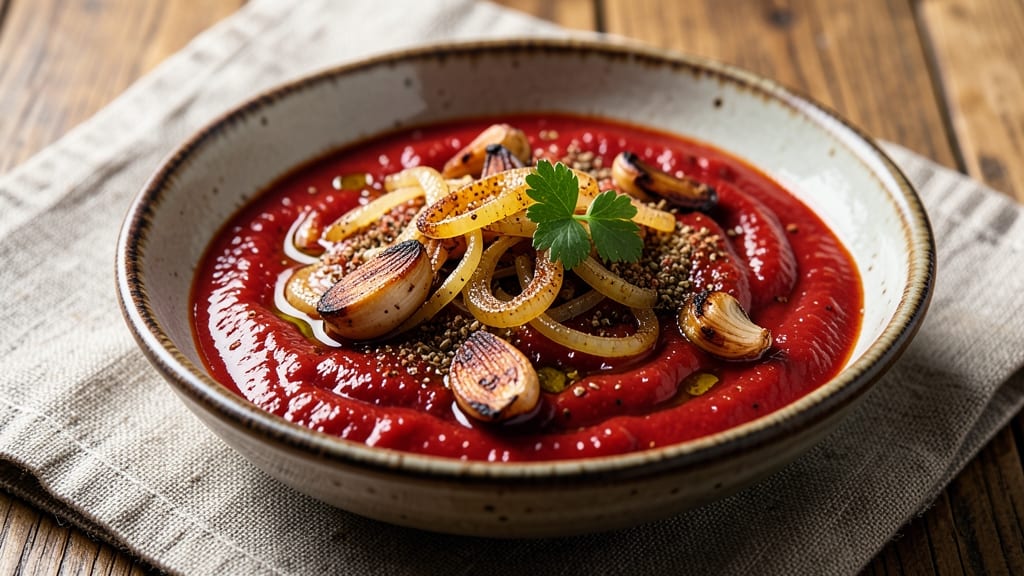
This Argentine tuco sauce recipe transforms simple ingredients into a smoky, thick condiment that elevates stews like locro or humita. The key lies in slow-simmered tomatoes, crispy garlic bits, and earthy spices that create a rich, umami-packed base.
I developed this version after years of perfecting the balance between sweet and savory—it’s the secret weapon in Argentine home cooking.
The process is straightforward but requires patience: onions and garlic caramelize until golden, then blend with tomatoes and spices until smooth. What sets tuco apart is its crispy garlic—toasted until nutty and fragrant—adding texture and depth.
This isn’t just a sauce; it’s the flavor foundation for hearty Argentine dishes, turning simple meals into something extraordinary.
By the end, you’ll have a thick, velvety sauce with a smoky aroma and layers of flavor that cling to every bite. It keeps well in the fridge for up to a week, making it perfect for meal prep.
Whether you’re cooking locro, humita, or even grilled meats, tuco sauce transforms ordinary dishes into something truly special.
Ready to master this Argentine staple? The ingredients are simple, but the results are anything but. Let’s get started—your taste buds will thank you.
Ingredients for argentine tuco sauce
Simple pantry staples meet Argentine tradition in this smoky, garlicky tuco sauce.
| Ingredient | Amount | Notes |
|---|---|---|
| Fresh Garlic Cloves 🧄 | 12 whole | Crispy-toasted for texture |
| Yellow Onions 🧅 | 2 whole | Medium, thinly sliced |
| Extra-Virgin Olive Oil 🫒 | 1 cup | High-quality, fruity variety |
| San Marzano Tomatoes 🍅 | 1 lb | Peeled, chopped, or crushed |
| Smoked Paprika 🌶️ | 2 tbsp | For authentic smoky flavor |
| Ground Cumin 🌿 | 1 tbsp | Toasted for deeper aroma |
| Dried Oregano 🍃 | 1 tbsp | Mexican oregano preferred |
| Red Wine Vinegar 🍷 | 2 tbsp | Balsamic works too |
| Kosher Salt 🧂 | 1 ½ tsp | Diamond Crystal preferred |
| Ground Black Pepper 🌶️ | ½ tsp | Freshly cracked |
The garlic is non-negotiable—12 cloves toasted until crispy and golden. Trader Joe's and Whole Foods carry the best-quality garlic, but any fresh, plump bulbs will do. For the onions, yellow onions caramelize better than red or white, giving that sweet, jammy depth. The San Marzano tomatoes are a must for their sweetness and low acidity—canned or fresh both work, but canned saves time. If you can't find San Marzano, any high-quality crushed tomatoes will suffice, just taste and adjust seasoning. The smoked paprika is what gives tuco its signature smoky aroma—Penzeys or La Boîte brands are top-tier, but any good smoked paprika will do.
No smoked paprika? Substitute with 1 tbsp liquid smoke plus 1 tbsp regular paprika—it’s not identical, but it’ll get you close. Short on red wine vinegar? Apple cider vinegar or balsamic vinegar both work, though the flavor will shift slightly. The oregano is where you can get creative: Mexican oregano has a deeper, earthier flavor, but regular dried oregano works in a pinch. If you’re feeling adventurous, add a pinch of cayenne for a subtle kick, but the sauce is rich enough to stand alone. For the olive oil, avoid light or refined oils—you want the fruity, peppery notes to shine through. If you’re prepping ahead, toast the garlic and onions first—they’ll keep in the fridge for 3 days in an airtight container.
This sauce keeps beautifully in the fridge for up to 1 week, with flavors deepening over time. For longer storage, freeze in ice cube trays—thaw as needed for a quick boost to any dish. The crispy garlic bits are best used within 2 days of toasting, so save those for last-minute garnishes. If you make a big batch, tuco freezes for up to 3 months, though the texture may soften slightly. The sauce thickens as it cools, so if it seems too thick when first made, stir in 1-2 tbsp water or broth to loosen it up. Trust me, the leftovers taste even better the next day.
Why You'll Love This Recipe
- Five-Ingredient Magic: I swear, this is the kind of recipe where you look at your pantry and realize you already have everything. No fancy store runs—just garlic, onions, olive oil, tomatoes, and that one jar of smoked paprika gathering dust. The kind of simplicity that makes me feel like a genius when I pull it off.
- Smoky Depth Explosion: That smoked paprika isn’t just flavor—it’s the star. One sniff of the simmering onions and garlic in olive oil, and suddenly your kitchen smells like a Buenos Aires street corner. The San Marzano tomatoes take it from good to "why didn’t I make this sooner?" with their natural sweetness cutting through the richness.
- Weeknight to Dinner Party: Between us, this sauce is my secret weapon for when I’m too tired to think but still want to impress. Dump it over grilled steak for a Tuesday night, or slather it on crusty bread for guests who’ll assume I slaved for hours. Honestly, it’s the kind of dish that makes you look like a better cook than you are.
- Leftovers That Don’t Suck: Most sauces turn into sad, watery memories after day two. Not this one. The smoky, garlicky richness actually deepens when reheated—perfect for tossing with pasta later or freezing for lazy Mondays. I’ve had it three days out, and it still tastes like I just made it. Budget-friendly? Absolutely. Reliable? Even more so.
Step-by-step instructions for Argentine tuco sauce
Here's how to create this smoky, garlicky chimichurri variation with irresistible crispy garlic bits.
Toast the Garlic Until Crispy
Preheat your oven to 400°F. Peel the 12 whole garlic cloves and place them on a parchment-lined baking sheet. Drizzle lightly with 1 tablespoon of the extra-virgin olive oil to help them brown evenly. Roast for 25-30 minutes until the edges are deep golden brown and the cloves feel firm to the touch.
Here's the thing—you want them crispy but not burnt. They should smell intensely aromatic with a sweet, nutty fragrance. If they start to darken too quickly, pull them out sooner. Once cooled slightly, they'll be perfect for adding texture to your sauce.
Sauté the Onions Until Caramelized
Heat 2 tablespoons of the extra-virgin olive oil in a large skillet over medium-low heat. Add the 2 whole yellow onions, sliced into ¼-inch thick rounds. Cook for 15-20 minutes, stirring occasionally, until the onions are deep golden brown and caramelized—almost jam-like in texture.
Don't rush this step. The onions should develop a rich, sweet flavor and a beautiful amber color. If they start to stick, add a splash of water and scrape up those delicious browned bits from the bottom of the pan. These caramelized onions will form the sweet base for your sauce.
Cook the Tomatoes Until Broken Down
Increase the heat to medium-high and add the 1 lb San Marzano tomatoes, chopped into ½-inch pieces. Cook for 10-12 minutes, stirring frequently, until the tomatoes break down into a chunky sauce. The mixture should reduce slightly and develop a deep, concentrated tomato flavor.
Here's where it gets good—toss in the 2 tbsp smoked paprika, 1 tbsp ground cumin, and 1 tbsp dried oregano. Stir well and cook for another 2 minutes to toast the spices and infuse their flavors into the tomato mixture. You'll notice the aroma become more complex and inviting.
Combine and Emulsify the Sauce
Remove the skillet from heat and let it cool slightly for 5 minutes. Add the 2 tbsp red wine vinegar, 1.5 tsp kosher salt, and 0.5 tsp ground black pepper. Stir in the remaining ½ cup extra-virgin olive oil and the toasted garlic cloves.
Now comes the magic—use an immersion blender to blend the sauce until smooth, or transfer to a blender and pulse until creamy. The sauce should be vibrant red with flecks of crispy garlic. If it's too thick, add 1-2 tablespoons of water to reach your desired consistency. Taste and adjust seasoning if needed.
Rest and Serve for Maximum Flavor
Transfer the sauce to a bowl and let it rest at room temperature for 30 minutes. This allows all the flavors to meld together and the garlic to soften slightly while maintaining its crisp texture. The sauce should be tangy, smoky, and deeply garlicky with a perfect balance of sweetness from the caramelized onions.
Serve immediately over grilled meats, with crusty bread, or drizzled over roasted vegetables. The crispy garlic bits will add an irresistible crunch to every bite. Store any leftovers in an airtight container in the refrigerator for up to 5 days, though I doubt it'll last that long!
Pro Tips For Making Argentine Tuco Sauce
- Sweat Onions Slowly: DESCRIPTION: Don’t rush the onions—cut them into even ¼-inch slices and cook them in olive oil over medium-low heat for at least 10 minutes. I learned this the hard way: rushing turns them bitter, and you’ll end up with a sauce that tastes like it’s fighting for flavor instead of supporting it. Let them soften and caramelize just enough to melt into the garlic later.
- Smash Garlic, Don’t Chop: DESCRIPTION: After sautéing onions, add whole garlic cloves (peeled) and let them sizzle for 30 seconds before crushing them with the back of a spoon. This prevents burning and releases their flavor more evenly than minced garlic, which can scorch and turn acrid. (Yes, even if you’re impatient like me.)
- Crush Tomatoes by Hand: DESCRIPTION: Skip the blender—use your fingers to break up San Marzano tomatoes directly in the pot. The skins and seeds add body to the sauce, and you avoid the watery texture that comes from straining or blending. Just give them a rough mash, then stir them into the onions and garlic. It’s messy, but it works.
- Add Paprika Last: DESCRIPTION: Stir in the smoked paprika just before removing the sauce from heat—it burns faster than you’d think. I used to add it early, and half the time, it turned bitter. A pinch at the end keeps the smoky depth without overpowering the tomatoes’ natural sweetness. (Your future self will notice.)
Serving suggestions for this argentine tuco sauce
Grilled Meat Pairings
Tuco sauce shines brightest with grilled meats, especially Argentine favorites like asado-style beef ribs or chorizo-sausaged skewers. The smoky depth of the sauce complements the charred flavors perfectly.
I love serving it with flank steak or short ribs—simply drizzle the sauce over the meat after grilling and let it soak in for 2-3 minutes before serving. 🔥
Comforting Stews
This sauce is the secret weapon in traditional Argentine stews like locro or humita. Stir ¼ cup tuco sauce into the finished stew just before serving to add layers of umami and smokiness.
For extra richness, add a dollop of queso crema or a sprinkle of fresh cilantro on top. The crispy garlic bits add texture that elevates the dish from simple to extraordinary.
Crusty Bread
No tuco sauce goes to waste when paired with warm, crusty bread. I recommend a fresh baguette or Argentine facturas like churros or alfajores. Dip the bread into the sauce or spread it like hummus for a quick, satisfying snack.
The contrast between the crunchy bread and the smooth, garlicky sauce is pure comfort food magic. 🥖
Roasted Vegetables
Tuco sauce isn't just for meat—it transforms roasted vegetables into a showstopper. Toss sweet potatoes, eggplant, or bell peppers with 2 tbsp olive oil, roast until tender, then drizzle generously with tuco sauce.
The smoky, tangy flavors make even the simplest veggies feel gourmet. Serve as a side or a main dish with a sprinkle of feta cheese for extra creaminess.
Taco Night Twist
Give your taco night an Argentine makeover by using tuco sauce as a creamy salsa alternative. Spread 2 tbsp tuco sauce on warm tortillas, then top with shredded chicken, avocado slices, and pickled red onions.
The smoky, garlicky flavors add a unique twist that'll have everyone asking for seconds. It's a fusion dish that's both unexpected and delicious!
Garnish Like a Pro
Elevate any dish with a few finishing touches. Top tuco sauce with crispy fried shallots for extra crunch, or sprinkle with toasted cumin seeds for a nutty aroma. A drizzle of high-quality olive oil and a pinch of flaky sea salt takes it to the next level.
These simple garnishes turn a good dish into a restaurant-worthy masterpiece. ✨
Nutrition facts
Frequently asked questions about Argentine tuco sauce
What makes tuco sauce different from chimichurri?
Tuco sauce is a thick, smoky tomato-based condiment that simmers until rich and velvety, while chimichurri is a fresh, herby sauce made with olive oil, vinegar, and parsley. Tuco has a deeper, more complex flavor from caramelized onions and toasted spices, while chimichurri stays bright and tangy. Think of tuco as the smoky, garlicky cousin to chimichurri's fresh, vibrant profile.
Can I make tuco sauce without smoked paprika?
Yes, but the smoky depth will be missing. For a substitute, mix 1 tbsp liquid smoke with 1 tbsp regular paprika—it won't be identical but will add a similar smokiness. If you're feeling adventurous, try ½ tsp chipotle powder for a subtle heat, though the flavor will differ slightly from traditional tuco.
How do I store leftover tuco sauce?
Transfer the sauce to an airtight container and refrigerate for up to 1 week. The flavors actually improve over time! For longer storage, freeze in ice cube trays—thaw as needed for a quick boost. The crispy garlic bits are best used within 2 days, so save those for last-minute garnishes.
What's the best way to use up extra tuco sauce?
Drizzle it over grilled meats, mix into stews like locro, or use it as a creamy dip for crusty bread. It also works as a marinade—coat chicken or beef and let it sit for 1-2 hours before grilling. For a quick fix, blend it into mayo for a smoky sandwich spread or toss it with roasted veggies for extra flavor.
Why does my tuco sauce taste too thin?
Simmer the sauce uncovered for 10-15 extra minutes to thicken it naturally. If it's still too thin, blend in 1 tbsp tomato paste or reduce it further by simmering on low heat. For an immediate fix, mix in 1 tsp cornstarch dissolved in water, but this should only be a last resort as it alters the texture slightly.