
Sauces & Condiments
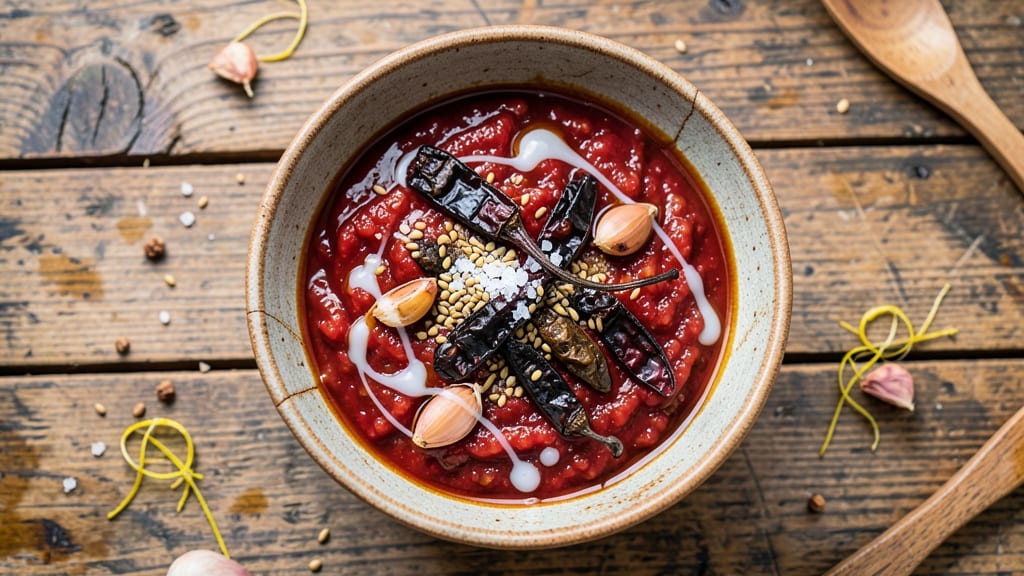
This árbol chili hot sauce recipe delivers the perfect balance of smoky, fiery heat and bright tomato zing that elevates everything from tacos to grilled meats.
The key lies in fresh tomatoes, garlic, and vinegar working together to create a sauce that's both complex and approachable—ideal for those who love bold flavors without overwhelming heat.
I developed this version after years of experimenting with traditional hot sauces, refining the blend to achieve that signature tangy-sweet profile with a lingering smoky finish.
The process is straightforward but requires patience, as proper fermentation and straining are essential for achieving that smooth, velvety texture without compromising heat. You'll start with fresh tomatoes, garlic, and vinegar, then blend everything with árbol chilies (adjust the quantity for your preferred spice level).
The sauce develops depth as it sits, with the árbol chilies contributing their signature earthy, slightly fruity heat that sets it apart from other hot sauces.
What makes this recipe truly special is its versatility—it works as a table condiment, a marinade, or a finishing sauce for dishes that need an extra kick.
The balance of acidity and sweetness ensures it won't overpower your food, while the árbol chilies provide a distinctive, medium-high heat that lingers just enough to satisfy spice lovers. Once you taste the difference, store-bought hot sauces won't compare.
Ready in just 30 minutes (plus fermentation time), this sauce keeps well in the refrigerator for up to 3 months, making it perfect for batch cooking.
Whether you're drizzling it over tacos, mixing it into dressings, or using it as a marinade, this árbol chili hot sauce will become a staple in your kitchen. Let's get started!
Ingredients for arbol chili hot sauce
Fresh tomatoes, árbol chilies, and vinegar create this fiery, smoky hot sauce that’s perfect for bold flavors.
| Ingredient | Amount | Notes |
|---|---|---|
| Fresh Roma Tomatoes 🍅 | 2 lbs | Ripe, firm, and vine-ripened preferred |
| Árbol Chilies 🌶️ | ½ cup | Dried, stems and seeds removed |
| White Vinegar 💧 | 1 cup | Distilled white vinegar preferred |
| Garlic Cloves 🧄 | 8 cloves | Fresh, peeled, and lightly crushed |
| Granulated Sugar 🍚 | ¼ cup | For balancing heat and sweetness |
| Salt 🧂 | 1 ½ tsp | Diamond Crystal kosher salt |
| Extra-Virgin Olive Oil 🫒 | ¼ cup | High-quality, fruity variety |
| Cumin Seeds 🌿 | ½ tsp | Toasted for deeper aroma |
| Smoked Paprika 🌶️ | ½ tsp | For additional smoky depth |
| Lemon Juice 🍋 | 2 tbsp | Freshly squeezed for brightness |
The árbol chilies are the heart of this sauce—look for them at Mexican markets or specialty stores like La Tienda or Goya for authentic flavor. If you can't find árbol chilies, guajillo or pasilla work in a pinch, but árbol's signature heat and fruity notes are irreplaceable. The tomatoes should be ripe but firm; Roma tomatoes are ideal as they're meaty and less watery. For the vinegar, distilled white ensures a clean acidity that won't overpower the other flavors. Toast the cumin seeds in a dry pan for 30 seconds—this enhances their aroma and ties everything together.
No árbol chilies? Double the smoked paprika and add a pinch of cayenne for heat, though it won’t replicate árbol’s unique flavor. Fresh tomatoes can be swapped for canned crushed tomatoes (drained well) if needed, but fresh yields a brighter, more vibrant sauce. The sugar isn’t just for sweetness—it helps balance the acidity and caramelizes slightly during fermentation, adding depth. Brown sugar or honey can replace granulated, but they’ll alter the texture slightly. If you’re sensitive to heat, reduce the árbol chilies to 0.25 cup—the sauce will still pack a punch but be more approachable.
This sauce develops best over time, so ferment it for at least 3 days before straining—this builds complexity and smooths out the heat. Store it in a clean, airtight glass jar in the fridge, where it’ll keep for up to 3 months. The flavor actually improves after the first week, so make a big batch. For gifting, use small jars or bottles with corks—they’re perfect for condiments. If the sauce thickens too much, thin it with a splash of vinegar or water. Trust the process, and the result will be a sauce worth every drop.
Why You'll Love This Recipe
- No Burn, No Fuss: I’ll say it—árbol chilies are not for the faint of heart, but this sauce handles the heat with a blender and a jar. No peeling, no charring, no waiting for smoky magic (though you could toast the garlic if you’re feeling fancy). Just pulse, strain, and let the vinegar tame the fire while you sip your iced tea.
- That Bright, Tangy Kick: The Roma tomatoes give it a sun-kissed sweetness that cuts through the árbol’s sharpness, while the sugar isn’t just for balance—it’s what makes it smooth instead of harsh. Honestly, the first time I tasted it, I grabbed the jar mid-sentence to add to my eggs. (Yes, even on a Tuesday night.)
- Pantry Stretch Magic: A single batch lasts me weeks, which means I’m always covered—drizzled on tacos, stirred into soups, or even mixed into mayo for sandwiches. Between us, that sugar and vinegar combo keeps it shelf-stable, so you’re not scrambling to use it up before it spoils. My grocery budget thanks me.
- Five-Ingredient Flex: You’re not tied to one meal here. Slather it on grilled chicken, toss it with roasted potatoes, or let it wake up a sad bowl of ramen. I’ll be real: my kids still think it’s “spicy ketchup,” but they’ll fight over the last drop at dinner. That’s versatility for you.
Step-by-step instructions for arbol chili hot sauce
Transform bold flavors into smoky, fiery heat with this straightforward process.
Toast the Árbol Chilies and Spices
Heat a dry skillet over medium heat and add the 0.5 cup Árbol Chilies and 0.5 tsp Cumin Seeds. Toast for 2-3 minutes, stirring constantly, until the chilies darken slightly and release their deep, smoky aroma. This step intensifies their natural heat and complexity—don’t walk away, as they can burn quickly.
Remove the chilies from the pan and immediately transfer them to a heatproof bowl. Add the 0.5 tsp Smoked Paprika to the same skillet and toast for 30 seconds until fragrant. Let the spices cool for 5 minutes before proceeding—this prevents steam from diluting your sauce later.
Roast the Tomatoes and Garlic
Preheat your oven to 425°F. Cut the 2 lbs Fresh Roma Tomatoes in half lengthwise and place them cut-side down on a baking sheet. Add the 8 cloves Garlic Cloves to the same sheet. Roast for 20-25 minutes until the tomatoes collapse slightly and develop deep caramelized spots.
Watch for the tomatoes to soften and the garlic to turn golden—this ensures maximum flavor extraction. Transfer the roasted tomatoes and garlic to a blender or food processor. The residual heat will help emulsify the sauce later, creating a smoother texture.
Blend the Base Ingredients
Add the roasted tomatoes, garlic, toasted chilies, and 0.25 cup Granulated Sugar to the blender. Pulse until the mixture is mostly smooth, leaving just a few small chunks for texture. This balances the heat with natural sweetness while maintaining some rustic character.
With the blender running on low, slowly drizzle in the 0.25 cup Extra-Virgin Olive Oil and 2 tbsp Lemon Juice. This creates an emulsion that keeps the sauce silky rather than oily. Taste the mixture—you should notice a bright, tangy depth from the lemon and a subtle smokiness from the chilies.
Simmer and Season
Transfer the blended mixture to a saucepan and bring to a gentle simmer over medium-low heat. Stir in the 1 cup White Vinegar and 1.5 tsp Salt, then reduce heat to maintain a steady simmer for 20-25 minutes. This slow cook time allows the flavors to meld and the acidity to develop.
Skimming off any foam that rises to the surface ensures a clean, polished finish. The sauce should thicken slightly but remain pourable—if it’s too thick, add 1-2 tablespoons of water to reach your desired consistency. Taste again, adjusting salt or sugar as needed to balance the heat.
Strain and Bottle
Let the sauce cool for 10 minutes, then strain it through a fine-mesh sieve into a clean jar or bottle. This removes any remaining seeds or skins, resulting in a velvety texture. The strained sauce will yield about 2 cups—enough to drizzle, dip, or elevate dishes with bold heat.
Seal the jar and store in the refrigerator for up to 2 weeks, or process in a water bath for shelf-stable preservation. The flavors will deepen over time, making it even more irresistible for tacos, grilled meats, or as a finishing touch on soups.
Pro Tips For Making Arbol Chili Hot Sauce
- CHAR THE TOMATOES HARD: Simmer the Roma tomatoes until they’re actually mushy—think 15-20 minutes on medium-low, not just until they soften. I used to rush this, and the sauce ended up thin and mealy. You want them to break down into a thick, glossy pulp that coats the back of a spoon.
- DESEED THE ÁRBOLS DRY: Pat the árbol chilies completely dry before seeding—wet stems make them slippery and ruin your grip. I learned this the hard way when a chili flew across the kitchen. Use a paper towel, then slice open the peppers with a knife instead of tearing them; it’s faster and cleaner.
- SALT THE GARLIC FIRST: Toss the minced garlic in a pinch of salt before adding it to the pot. This prevents it from burning and makes the flavor deeper. My grandmother swore by this, and she was right: the sauce tastes richer when the garlic develops properly.
- STRAIN TWICE FOR SMOOTHNESS: Run the blended sauce through a fine-mesh sieve twice—once after cooking, once after blending. The first pass catches skins and seeds; the second removes any lingering pulp that’ll make the sauce grainy. (Yes, it’s extra work, but your future self will thank you.)
Wine and beer pairings for this recipe
Mexican Beer Pairings
For an authentic experience, pair this árbol chili hot sauce with a crisp Mexican lager like Modelo Especial or Pacífico Clara. The light malt sweetness and subtle citrus notes in these beers complement the sauce’s smoky heat without overpowering it.
I love sipping a cold Modelo while drizzling this sauce over tacos al pastor—the beer’s effervescence cools the palate between bites. 🍺
Craft IPA Balance
If you prefer craft beer, opt for a hazy IPA with tropical fruit notes like Three Floyds Hazy Little Thing or New Belgium Fat Tire. The citrusy hop bitterness cuts through the sauce’s heat, creating a refreshing contrast.
I’ve found that the pineapple and mango undertones in hazy IPAs mirror the árbol chili’s fruity depth, making each sip and bite harmonize beautifully.
Red Wine Contrast
A medium-bodied Spanish Garnacha (Grenache) or Italian Sangiovese pairs surprisingly well with this sauce. The wine’s earthy, slightly tannic profile stands up to the árbol chili’s smokiness, while its acidity brightens the tomato base.
Serve it slightly chilled—around 60°F—to enhance its fruitiness and let it complement the sauce’s complexity. 🍷
White Wine Options
For lighter dishes, try a dry Riesling from Germany or a Verdejo from Spain. The Riesling’s crisp acidity and subtle mineral notes balance the sauce’s heat, while Verdejo’s citrus and floral hints echo the lemon and garlic in the recipe.
Both wines work beautifully with seafood dishes drizzled with this sauce, like grilled shrimp or ceviche.
Non-Alcoholic Pairings
Don’t overlook Mexican horchata or ginger beer as refreshing alternatives. The cinnamon and rice milk in horchata soothe the palate after spicy bites, while ginger beer’s zesty kick amplifies the sauce’s heat.
For a lighter option, try sparkling water with a squeeze of lime—it cleanses the palate and lets the sauce’s flavors shine.
Nutrition facts
Frequently asked questions
Can I substitute árbol chilies with other dried chilies?
Yes, but the flavor will change. For similar heat, use 0.25 cup cayenne pepper (but lose the árbol's smoky depth) or 0.3 cup guajillo chilies (soak first to soften). For fruity notes, try 0.25 cup ancho chilies—they're sweeter but milder. Always toast your substitute to enhance flavor.
How do I adjust the heat level in this hot sauce?
Start with 0.25 cup árbol chilies for medium heat, or reduce to 0.125 cup for mild. For extra spice, add 1/4 tsp cayenne pepper or 1-2 fresh habanero peppers (seeds removed) to the blend. Taste before straining to avoid overdoing it!
Why does my sauce look cloudy after straining?
Cloudiness usually means unfermented particles or oil separation. For smoother results, let the sauce ferment 3-5 days before straining, or blend again after straining. If it's too thick, add 1 tbsp vinegar to emulsify. Store properly in an airtight jar to prevent future clouding.
Can I make this sauce without vinegar?
Technically yes, but it won't last as long or develop proper tang. Replace vinegar with lemon juice (1.5 cups) for brightness, or use apple cider vinegar (1 cup) for deeper flavor. The acidity preserves the sauce and balances sweetness—skip it at your own risk!
How long should I ferment this hot sauce?
Minimum 3 days for basic flavor, but 5-7 days develops maximum depth. The longer it ferments, the smoother and more complex it becomes. Taste daily after 3 days—when the flavors meld perfectly, it's ready. Never ferment beyond 10 days or risk spoilage.