
Sauces & Condiments
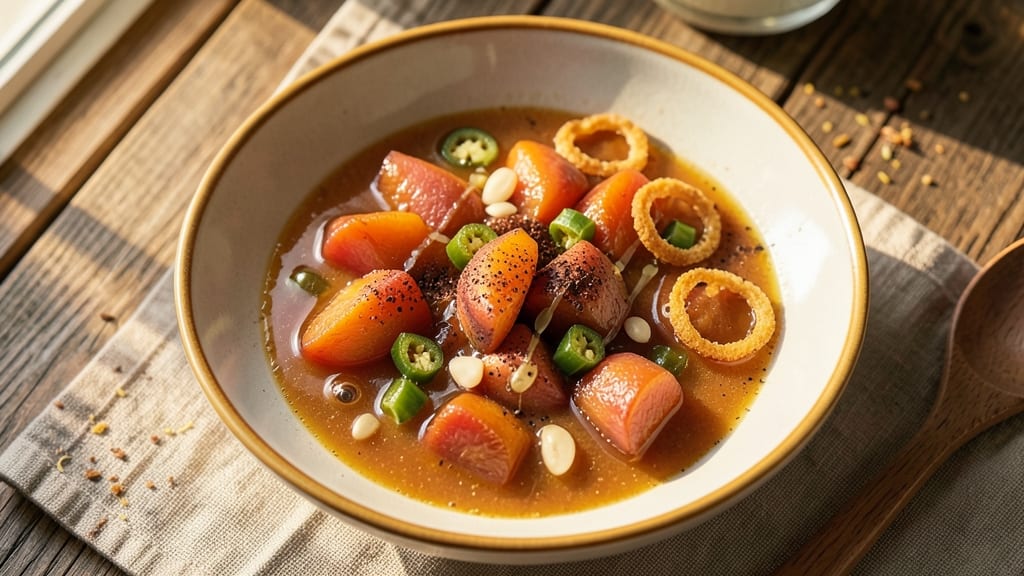
This apricot jalapeño sauce transforms grilled meats into unforgettable masterpieces with its perfect balance of sweet, smoky, and fiery flavors. I developed this recipe after years of experimenting with fruit-based sauces that could stand up to bold grilled dishes—no more watery, one-note condiments.
The sauce starts with caramelized apricots that deepen into a rich, jammy consistency, while jalapeños add controlled heat that lingers without overpowering.
The secret lies in slow reduction—simmering the sauce until it thickens into a glossy, cling-worthy glaze that clings to every bite. Quality ingredients make all the difference: ripe apricots, fresh jalapeños (seeds removed for milder heat), and a touch of apple cider vinegar to brighten the sweetness.
This isn't just a sauce; it's a flavor multiplier that elevates everything from pork chops to grilled shrimp.
Once cooled, this sauce keeps beautifully in the refrigerator for up to 2 weeks or can be preserved through canning for long-term storage.
The versatility is its greatest strength—drizzle it over grilled meats, use it as a marinade, or even surprise guests by adding it to desserts like ice cream or cheesecake. The sweet heat combination makes it addictive, and the smoky depth ensures it's memorable.
Perfect for summer cookouts, weeknight dinners, or gourmet gatherings, this sauce delivers restaurant-quality results with minimal effort. The balance of flavors is what makes it special, and once you try it, you'll reach for it every time you fire up the grill. Let's make it—your taste buds will thank you.
Ingredients for apricot jalapeno sauce
Sweet, smoky, and fiery—this sauce starts with caramelized apricots and fresh jalapeños for perfect heat balance.
| Ingredient | Amount | Notes |
|---|---|---|
| Fresh Apricots 🍑 | 1 ½ lb | Pitted, quartered, ripe and firm |
| Fresh Jalapeños 🌶️ | 4 whole | Seeds and ribs removed |
| Apple Cider Vinegar 🍏 | ¼ cup | Unfiltered preferred for depth |
| Extra-Virgin Olive Oil 🫒 | ½ cup | High-quality, fruity variety |
| Garlic Cloves 🧄 | 4 cloves | Peeled, roughly chopped |
| Smoked Paprika 🌶️ | 1 tbsp | For smoky depth |
| Honey 🍯 | 2 tbsp | Wildflower or clover preferred |
| Salt 🧂 | 1 tsp | Diamond Crystal kosher |
| Black Peppercorns 🌶️ | ½ tsp | Freshly cracked |
| Fresh Thyme Leaves 🌿 | ¼ cup | Or 1 tsp dried thyme |
The apricots are the foundation, so pick ripe but firm ones—the kind with vibrant color and no soft spots. Trader Joe's and Whole Foods always have great quality, but local farmers markets beat them for freshness. Jalapeños should be bright green, not yellowing. Remove seeds and ribs for milder heat, but leave some for that lingering kick. I usually grab extra apricots—half go into the sauce, half get tossed into salads. The apple cider vinegar adds brightness, so don't skimp on quality there either. Bragg is my go-to, but any unfiltered variety works.
No fresh thyme? Dried works at one-third the amount, but fresh gives that garden-fresh aroma. Short on honey? Maple syrup is a great swap, though it changes the flavor slightly. Want more smokiness? Add a pinch of liquid smoke or swap smoked paprika for regular. The olive oil matters—use something fruity and high-quality. Those cheap bottles of oil won't give the same depth. If you're making this for a crowd, double the recipe—it's worth the extra effort. The sauce thickens as it cools, so don't worry if it looks too thin right after cooking.
This sauce keeps beautifully in the fridge for 2 weeks, though it tastes even better after a day or two as flavors meld. For long-term storage, canning is perfect—sterilize jars and process for 15 minutes in a water bath. I portion mine into small jars for easy use on the grill. Freezing works too, but texture changes slightly. If it thickens too much, just add a splash of water or vinegar to loosen it up. The flavor only gets better with time, so make extra if you can—you'll want to use it again.
Why You'll Love This Recipe
- Five-Ingredient Magic: I swear by this—just apricots, jalapeños, vinegar, oil, and garlic. No blender, no fancy gadgets, just a knife and a pot. My lazy Sundays? Solved.
- Sweet Heat Balance: That first bite of jammy apricot with a hint of jalapeño heat—it’s the kind of contrast that makes you pause mid-spoonful. Honestly, I’ll take this over store-bought salsa any day.
- Game for Any Plate: Drizzle it over grilled chicken, toss it with pasta, or slather it on toasted bread. Even my picky teenagers ask for it now. (Yes, even on a Tuesday night.)
- Make-Once, Use-Twice: The sauce thickens beautifully when refrigerated, so I double the batch. First night on tacos, second on eggs—no waste, just flavor. My wallet thanks me.
Step-by-step instructions for apricot jalapeño sauce
Here's how to balance sweet and smoky heat for a sauce that elevates grilled dishes effortlessly.
Prepare the Apricots and Jalapeños
Begin by pitting and quartering the 1.5 lb fresh apricots, removing any hard pits and cutting them into even-sized pieces. This ensures consistent cooking and blending. In a separate bowl, finely dice the 4 whole fresh jalapeños (seeds and ribs removed) into small, even pieces—this distributes the heat evenly throughout the sauce.
Real talk: If you're sensitive to spice, reduce the jalapeño quantity by half, but keep the seeds out completely to avoid any bitterness. The goal is a bright, fruity heat—not a tongue-searing experience. Set both prepared ingredients aside until ready to use.
Sauté the Aromatics
Heat the 0.5 cup extra-virgin olive oil in a large skillet over medium heat until shimmering but not smoking. Add the 4 cloves peeled garlic and 0.25 cup fresh thyme leaves, stirring constantly for 1-2 minutes until the garlic turns golden and fragrant. You'll know it's ready when the thyme leaves release their piney aroma and the garlic stops sizzling aggressively.
Here's the thing—don't let the garlic burn. Burnt garlic adds bitterness that overpowers the delicate sweetness of the apricots. If the pan starts smoking, reduce the heat slightly and keep stirring. Once fragrant, remove the skillet from heat and let the aromatics cool for 2 minutes before proceeding.
Cook the Apricots and Jalapeños
Return the skillet to medium heat and add the quartered apricots and diced jalapeños. Cook for 5-6 minutes, stirring occasionally, until the apricots soften slightly and release their juices. You're looking for a caramelized edge on the apricot pieces—they should be tender but still hold their shape.
During this time, the jalapeños will soften and mingle with the apricot juices, creating a vibrant base for the sauce. If the mixture starts to stick, add a splash of water (about 1 tablespoon) to deglaze the pan. This step builds the sauce's depth—don't rush it.
Simmer with Vinegar and Spices
Pour in the 0.25 cup apple cider vinegar, 1 tbsp smoked paprika, 2 tbsp honey, 1 tsp salt, and 0.5 tsp freshly cracked black peppercorns. Stir well to combine, then reduce the heat to low and let the mixture simmer for 8-10 minutes, stirring occasionally. The sauce should thicken slightly as the liquid reduces, and the flavors meld together.
You'll notice the sauce develop a glossy sheen and deepen in color as it simmers. This is when the sweetness of the honey and apricots balances with the tang of the vinegar and the smoky heat of the jalapeños. Taste as you go—adjust the salt or honey if needed, but the goal is a harmonious blend of sweet, smoky, and slightly spicy notes.
Blend to Perfection
Transfer the simmered mixture to a blender or food processor. Pulse until smooth, stopping occasionally to scrape down the sides and ensure even blending. For a chunkier texture, pulse briefly instead of blending completely. The sauce should be velvety with a vibrant orange hue and a hint of green from the jalapeños.
Here's the moment that matters: Strain the sauce through a fine-mesh sieve if you prefer a completely smooth texture, or leave it slightly textured for added depth. Return the sauce to the skillet (if needed) and warm through over low heat for 2-3 minutes to ensure it's ready to serve. This sauce is best used fresh, so don't let it sit too long before drizzling over your grilled favorites.
Pro Tips For Making Apricot Jalapeno Sauce
- Char the Jalapeños First: I learned this the hard way—raw jalapeños add bitterness, not heat. Toss them whole in a dry skillet over medium-high for 2-3 minutes until blackened in spots, then peel off the skin. The smoky depth ties into the apricots better than raw peppers ever will.
- Pit the Apricots Properly: No one wants a mouthful of pits in their sauce. Score the apricots lengthwise with a knife, then plunge them into boiling water for 30 seconds to loosen the flesh. The pits slide out cleanly—no squeezing required, and you avoid that gritty texture.
- Simmer Low and Slow: Splattering and scorching ruin the balance of sweet and spicy. After deglazing the pan with vinegar, reduce the heat to medium-low and let the sauce bubble gently. A 15-minute simmer concentrates the flavors without burning the apricot sugars or turning the garlic bitter.
- Strain for Smoothness (If You Dare): I know, I know—some people love texture. But if you want a silky sauce, strain it through a fine-mesh sieve after blending. The seeds and skin add a weird mouthfeel, and this step guarantees a clean, restaurant-quality finish. (Yes, even if you’re impatient like me.)
Essential equipment for this recipe
Skillet Essentials
A heavy-bottomed stainless steel skillet like the All-Clad D5 is my go-to for this sauce—it distributes heat evenly and prevents scorching. The 8-inch size works perfectly for this recipe, but a 10-inch gives extra room if you're doubling the batch.
Avoid nonstick pans; they can't handle the low-and-slow simmering needed for depth. 🔥
Blender or Food Processor
For smooth results, a high-powered blender like the Ninja BN601 handles thick sauces effortlessly. If you prefer texture, a food processor with a sharp blade (like Cuisinart DFP-14BCY) works too. Avoid manual blenders—they struggle with the apricot fibers. Always pulse in short bursts to avoid overheating the motor.
Fine-Mesh Strainer
A stainless steel fine-mesh strainer (like the OXO Good Grips) is key if you want ultra-smooth sauce. It removes seeds and skins without losing precious liquid.
For a quicker option, a cheesecloth-lined colander works, but it requires more effort. Pro tip: Wet the strainer first to help the sauce flow through smoothly.
Measuring Tools
Precision matters here—use a stainless steel liquid measuring cup for vinegar and olive oil, and a spoon rest to keep utensils clean. A microplane for garlic and a sharp chef's knife for jalapeños ensure even dicing. I swear by Mercer Culinary tools for their durability and accuracy.
Storage Containers
For fridge storage, glass mason jars (like Ball Wide-Mouth) are ideal—they’re airtight, stackable, and easy to label. For canning, pint-sized jars work best. If freezing, use silicone lids to prevent freezer burn. Always leave ½-inch headspace to allow for expansion.
Nutrition facts
Frequently asked questions
Can I substitute dried apricots for fresh in this sauce?
Yes, but you'll need to adjust the texture and cooking time. Use 1 cup chopped dried apricots (about 6 oz) and soak them in ½ cup warm water for 20 minutes before cooking. Drain well, then proceed with the recipe. The sauce will be slightly thicker, so add 1-2 tablespoons water or vinegar during blending if needed. Dried apricots work well but lack the juicy freshness of ripe fruit.
How do I adjust the heat level in this sauce?
For milder heat, remove all jalapeño seeds and ribs before dicing, then reduce the quantity to 2 jalapeños. For extra spice, keep the seeds in 1 jalapeño and add ½ teaspoon red pepper flakes during the simmering step. Always taste as you go—you can balance heat with more honey or vinegar if needed. The key is gradual adjustments to avoid overpowering the sweetness.
What are the best ways to use this sauce beyond grilling?
This versatile sauce shines as a glaze for roasted chicken or pork ribs, a marinade for shrimp skewers, or a drizzle over tacos and quesadillas. For unexpected uses, try it in desserts like ice cream or cheesecake (the heat balances rich sweetness), or mix it into yogurt-based dips for a sweet-spicy twist. The smoky depth makes it perfect for charcuterie boards alongside cured meats.
Why did my sauce turn out too thin?
This usually happens if you didn't reduce the sauce long enough during simmering. After blending, return the sauce to the skillet and simmer uncovered over low heat for 5-10 more minutes, stirring occasionally, until it thickens. For immediate results, mix 1 tablespoon cornstarch with 1 tablespoon cold water, stir into the sauce, and simmer for 2 minutes until thickened. Always taste as you go—thinner sauces work well for dipping or drizzling.
Can I make this sauce without a blender?
For a chunkier texture, simply mash the cooked apricots and jalapeños with a fork or potato masher in the skillet. Stir in the remaining ingredients and simmer as directed. If you want some smoothness, strain half the mixture through a fine-mesh sieve before mixing back in. The sauce will have more texture but still deliver that perfect sweet-spicy balance. This method works great for quick weeknight prep.