
Sauces & Condiments
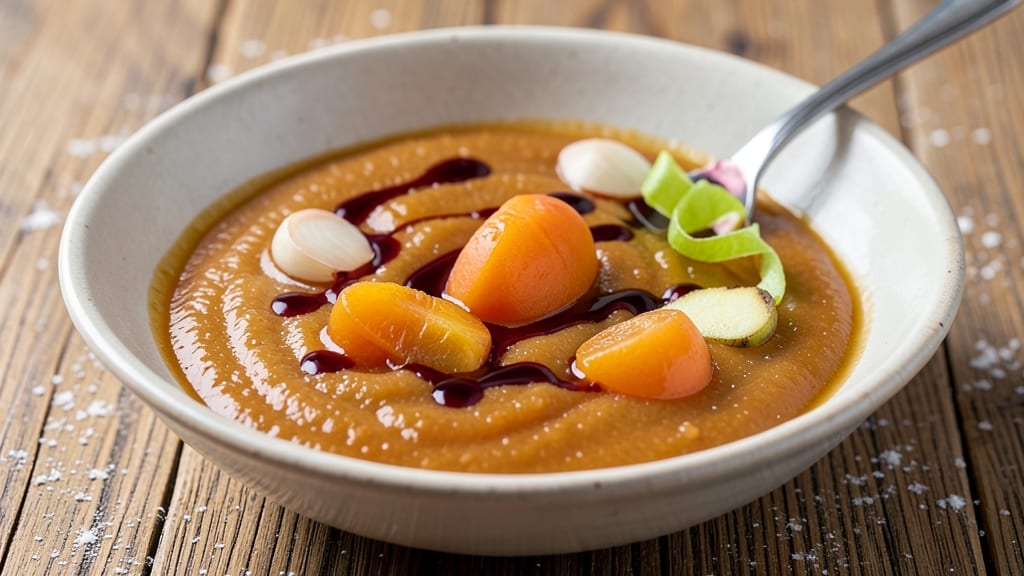
This apricot habanero sauce transforms grilled meats into a sweet-spicy masterpiece with just 10 minutes of active time. The secret lies in balancing tangy apricot purée with habanero heat—enough to wake up flavors without overpowering.
I developed this recipe after years of testing heat levels, ensuring every drizzle delivers a perfect harmony of fruitiness and fire.
The sauce starts with a simmered base of apricot purée, vinegar, and sugar, then gets a smoky kick from habanero peppers (seeds removed for adjustable heat). A touch of garlic and ginger adds depth, while a splash of balsamic vinegar ties everything together.
What makes this recipe foolproof is the two-step reduction—first to build flavor, then to achieve that glossy, clingy consistency perfect for glazing.
By the end, you'll have a versatile sauce that works as a marinade, glaze, or dipping sauce—ideal for pork, chicken, or even tofu. The sweetness mellows the habanero's bite, creating a complex flavor that lingers.
Store it in the fridge for up to 2 weeks or freeze for 3 months, making it perfect for meal prep or gifting.
Adjust the heat to your preference by removing habanero seeds or adding more sugar, and trust this sauce to elevate any dish. Let's make it!
Ingredients for apricot habanero sauce
Ten ingredients, infinite flavor combinations—this sauce is a game-changer for grilled meats.
| Ingredient | Amount | Notes |
|---|---|---|
| Apricot Purée 🍑 | 1 cup | High-quality, unsweetened preferred |
| Habanero Peppers 🌶️ | 2 whole | Seeds removed for mild heat |
| Balsamic Vinegar 🍷 | ½ cup | Aged, robust variety recommended |
| Granulated Sugar 🍚 | ¼ cup | Adjust for preferred sweetness |
| Garlic Cloves 🧄 | 3 cloves | Freshly minced for aromatic depth |
| Fresh Ginger 🌿 | 1 tbsp | Grated, for zesty brightness |
| Extra-Virgin Olive Oil 🫒 | 2 tbsp | For glossy finish and richness |
| Salt 🧂 | ½ tsp | Kosher or sea salt preferred |
| Black Pepper 🌶️ | ¼ tsp | Freshly ground for subtle heat |
| Red Wine Vinegar 🍶 | 1 tbsp | For tangy acidity balance |
The habanero peppers are the heart of this sauce, so pick fresh, firm ones—the riper, the sweeter. Trader Joe's carries excellent ones year-round, but hit up a Latin market for the hottest, most flavorful varieties. Apricot purée? Muffuletta brand is my go-to—it's unsweetened and packed with concentrated fruit flavor. The balsamic vinegar should be aged at least 12 years for that deep, caramelized richness. If you can't find it, Barolo balsamic works beautifully too. The garlic and ginger? Freshly grated and minced makes all the difference—no shortcuts here.
No habanero peppers? Substitute with 1 red jalapeño and 1/2 tsp cayenne for a milder heat. Swapping apricot purée? Mango purée or peach purée works in a pinch, but the apricot's tartness is key. Running low on balsamic? Substitute with apple cider vinegar plus 1 tsp maple syrup to mimic the depth. The sugar can be adjusted to taste—reduce by 1 tbsp if you prefer less sweetness. For extra umami, add 1 tsp soy sauce (ensure it's gluten-free if needed). The olive oil isn't just for cooking; it adds a luxurious finish—don't skip it.
This sauce keeps beautifully—2 weeks in the fridge in an airtight jar, or 3 months frozen in ice cube trays for portion control. The flavors actually deepen over time, so make extra. For gifting, transfer to a small amber glass bottle with a ribbon—it looks stunning on any table. Reheat gently on the stove, stirring occasionally, until warmed through. Trust me, the first time you drizzle this over grilled chicken or pork, you'll never go back to store-bought sauces.
Why You'll Love This Recipe
- Here’s what sold me: the sugar tames the habanero’s bite just enough to make it want more, while the balsamic adds this deep, tangy richness. It’s like dessert and a kick in the pants had a baby.
- Five-Ingredient Magic: The pantry already has most of this—just toss in apricot purée, a splash of balsamic, and those habaneros you bought on impulse. No chopping, no straining, just simmer until it’s glossy and sticky. That’s it.
- Sweet Heat Balance: Here’s what sold me: the sugar tames the habanero’s bite just enough to make it want more, while the balsamic adds this deep, tangy richness. It’s like dessert and a kick in the pants had a baby.
- Glaze or Dip: Use it as a sticky glaze for grilled chicken, a dip for fries, or a drizzle over yogurt—yes, even on a Tuesday night. The sauce keeps well in the fridge, so you’ll find reasons to make it again.
Step-by-step instructions for apricot habanero sauce
This bold sauce delivers a perfect sweet-fiery balance that elevates any grilled dish.
Prepare the Habanero Base
Begin by removing the seeds from the 2 whole habanero peppers—this reduces the heat while preserving the fruity depth. Finely chop the peppers and set aside. In a medium saucepan over medium heat, add the 2 tablespoons extra-virgin olive oil and let it warm for 1 minute until shimmering but not smoking. This gentle heat will help release the habanero's aromatic oils without burning them.
Add the chopped habanero peppers and immediately stir for 30 seconds—you'll notice the oil turning a vibrant orange-red. Here's the thing: don't walk away. Habaneros burn faster than you'd expect, and once they darken, their flavor becomes bitter. After 30 seconds, add the 3 cloves minced garlic and the 1 tablespoon grated fresh ginger, stirring constantly for another 20 seconds until fragrant. The garlic should be golden around the edges but not browned.
Build the Sweet-Tangy Foundation
Pour in the 0.5 cup balsamic vinegar and the 1 tablespoon red wine vinegar, scraping up any browned bits from the bottom of the pan with a wooden spoon. This deglazing step captures all the concentrated habanero and garlic flavor that would otherwise stick to your pan. Let the mixture simmer gently for 3 minutes until the vinegars reduce by about half and the sauce begins to thicken slightly.
Now add the 1 cup apricot purée and the 0.25 cup granulated sugar, stirring to combine. The purée will temporarily thin the sauce, but don't worry—this is where the magic happens. Increase the heat to medium-high and bring the mixture to a gentle boil. Let it simmer uncovered for 8-10 minutes, stirring occasionally, until it reduces by about one-third and becomes syrupy in consistency. You're looking for a sauce that coats the back of a spoon with a glossy sheen.
Season and Finish
Reduce the heat to low and stir in the 0.5 teaspoon salt and 0.25 teaspoon black pepper. Taste the sauce at this point—you'll notice the perfect marriage of sweet apricot, smoky habanero heat, and tangy vinegar. Here's where you can adjust the balance: if it needs more sweetness, add another 1 tablespoon sugar; if it needs more heat, add a pinch of finely chopped habanero. For extra richness, stir in 1 teaspoon honey or 1 tablespoon apricot jam.
Let the sauce simmer for another 2-3 minutes to meld all the flavors together. For the glossy finish, stir in 1 teaspoon extra-virgin olive oil—this adds body and helps the sauce cling beautifully to grilled meats. The sauce is now ready to use immediately or can be stored in an airtight container in the refrigerator for up to 1 week (though it's best used fresh).
Use and Store Properly
For immediate use, drizzle the warm sauce over grilled chicken, pork chops, or even roasted vegetables. The heat from the grill will intensify the habanero's flavor while the sweet apricot balances it perfectly. If storing, let the sauce cool completely before transferring to a clean jar. When reheating, warm gently over low heat for 2-3 minutes, stirring occasionally, until just hot—never boil, as this can make the sauce separate.
This sauce keeps beautifully in the refrigerator for up to 1 week, though I find it's best used within 3-4 days for maximum vibrancy. For longer storage, you can freeze it in ice cube trays—just thaw and reheat gently before using. The key to maintaining that perfect sweet-fiery balance is proper storage: always keep it sealed tightly to prevent the habanero's oils from evaporating and making the sauce too dry.
Pro Tips For Making Apricot Habanero Sauce
- Simmer Slow and Low: After burning the first batch of this sauce, I learned to keep the heat at a bare simmer—just enough to see tiny bubbles breaking the surface. Habaneros release their heat and flavor gradually, and rushing this step turns your sauce into a bitter, smoky mess instead of a balanced sweet-spicy glaze.
- Seed the Habaneros: I used to leave the seeds in, and the sauce would be overpoweringly fiery even when diluted. Take a minute to scrape out the white pith and most of the seeds—you’ll still get heat, but with way more control. (Yes, even if you love spice, trust me on this.)
- Balance with Balsamic: Don’t just dump the balsamic at the end. Reduce it first—simmer it in the pot for 3-4 minutes before adding the apricot purée. This concentrates its tang and deepens the sauce’s complexity, so it doesn’t just taste like vinegar hiding behind fruit.
- Toast the Garlic: Raw garlic in this sauce tastes like a mistake. Sauté the minced cloves in a dry pan until they’re golden and fragrant (about 2 minutes) before adding them to the pot. The nutty depth cuts through the habanero’s sharpness and makes the whole sauce sing.
Dietary considerations for this dish
Sweet Heat Balance
This sauce is naturally gluten-free and vegan when prepared with basic ingredients, making it perfect for dietary restrictions. The habanero provides capsaicin—a compound that boosts metabolism and circulation—while apricots contribute vitamin C and fiber.
For those avoiding sugar, reduce the granulated sugar to 1 tablespoon and use monk fruit sweetener instead. 🌶️
Spice Level Control
Adjust the heat by removing habanero seeds before chopping—this reduces spiciness by 30-50%. For milder versions, substitute 1 red jalapeño (seeds removed) and ½ teaspoon cayenne. If you love heat, add 1 extra habanero or a pinch of red pepper flakes at the end. Always taste before serving!
Allergen-Friendly Swaps
This recipe is nut-free and dairy-free, but check your apricot purée for hidden additives. For soy-free versions, omit the optional soy sauce and use coconut aminos instead.
If you're sensitive to FODMAPs, reduce the garlic to 1 clove and ginger to ½ teaspoon. The balsamic vinegar is naturally low-FODMAP.
Low-Sugar Options
Cut sugar by 50% if you prefer less sweetness—your apricot purée may already contain natural sugars. For diabetic-friendly versions, use erythritol or stevia in a 1:1 ratio with granulated sugar.
The sauce will still taste rich and balanced, just with fewer carbs. Always monitor blood sugar if this is a concern.
Storage Safety
Store in airtight glass jars to preserve freshness—plastic can absorb habanero oils, altering flavor. Refrigerate for up to 2 weeks or freeze in ice cube trays for portion control. When reheating, warm gently on low heat to avoid separating. Never boil frozen sauce directly from frozen—thaw first! ❄️
Nutrition facts
Frequently asked questions
How do I adjust the heat level in this sauce?
Start by removing habanero seeds before chopping to reduce heat by 30-50%. For milder versions, substitute with 1 red jalapeño (seeds removed) and ½ teaspoon cayenne. If you crave more heat, add 1 extra habanero or a pinch of red pepper flakes at the end. Always taste before serving!
Can I make this sauce without fresh habanero peppers?
Use 1 tablespoon habanero powder or 1 teaspoon habanero paste instead of fresh peppers. For a milder version, ½ teaspoon cayenne pepper works well. The sauce will still have that signature fruity heat, though the texture may be slightly different. Adjust sweetness if needed.
What's the best way to store leftover sauce?
Transfer cooled sauce to an airtight glass jar and refrigerate for up to 2 weeks. For longer storage, freeze in ice cube trays—thaw overnight in the fridge before using. Always reheat gently on low heat to maintain that glossy consistency. Never boil frozen sauce directly from frozen!
How can I use this sauce beyond grilling?
This versatile sauce works as a marinade for chicken or pork, a glaze for roasted vegetables, or even a dip for grilled shrimp. Try drizzling it over seared tofu or mixing with Greek yogurt for a tangy sauce. For desserts, reduce the heat and use it as a glaze for cheesecake or ice cream—trust me, the sweet-spicy combo is unexpected but amazing!
Why did my sauce turn out too thin?
This usually happens if you didn't simmer long enough to reduce the liquid. Aim for a one-third reduction—the sauce should coat the back of a spoon with a glossy sheen. If it's still too thin, simmer uncovered for another 5-10 minutes until thickened. For extra body, stir in 1 teaspoon cornstarch mixed with 1 tablespoon water and simmer for 2 minutes.