
Sauces & Condiments
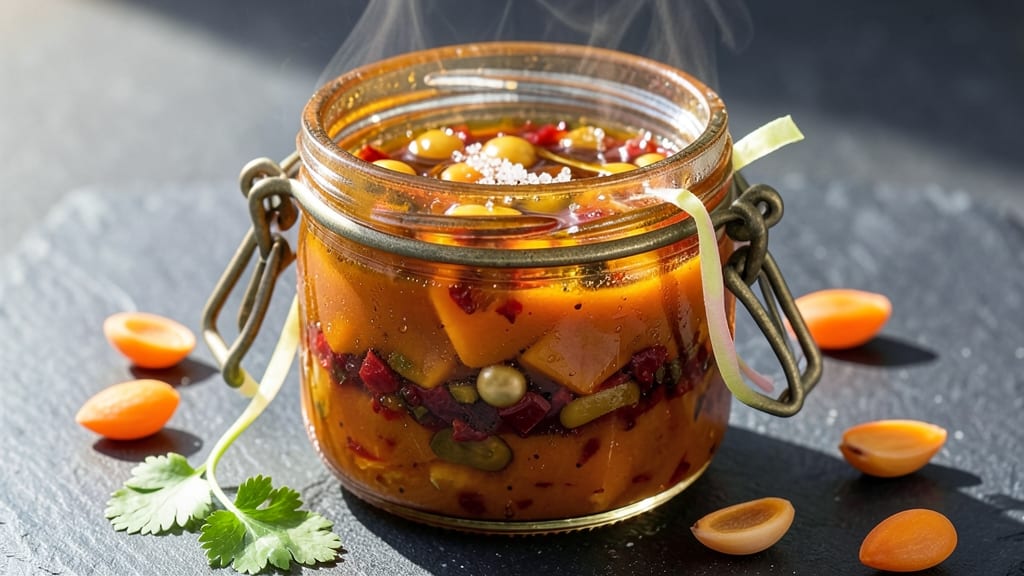
This apricot habanero hot sauce balances sweet tropical fruit with fiery habanero heat, creating a complex condiment that lingers on your palate long after the last drop. The secret lies in blending ripe apricots with fresh habanero peppers, then fermenting them for depth—no shortcuts here.
What makes this sauce special is how the natural sugars in apricots mellow the habanero's intensity while preserving its signature smoky heat.
The process is straightforward but requires patience: blend fresh ingredients, ferment for 3-5 days, then strain and bottle. This method develops layers of flavor that store-bought sauces can't match. The result is a vibrant red sauce with bright acidity, sweet undertones, and a slow-building heat that doesn't overpower.
Perfect for drizzling over grilled meats, tacos, or even eggs, this sauce transforms everyday dishes into something extraordinary. The balance of sweet and spicy makes it versatile enough for both adventurous eaters and those who prefer a milder kick.
Store it in the fridge for up to 3 months, or preserve it longer with proper canning.
Adjust the heat level by controlling habanero quantity—start with 1-2 peppers for mild heat, or double for serious spice lovers. The fermentation step is key; it softens the fruit's texture while enhancing the sauce's complexity. Once you taste the first batch, you'll never go back to store-bought again.
Ingredients for apricot habanero hot sauce
Fresh fruit meets fiery peppers—just nine ingredients transform into bold, fermented heat.
| Ingredient | Amount | Notes |
|---|---|---|
| Ripe Apricots 🍑 | 1 ½ cups | Pitted and chopped into chunks |
| Fresh Habanero Peppers 🌶️ | 3 whole | Seeds removed for milder heat |
| Apple Cider Vinegar 🍎 | 1 cup | For fermentation and tang |
| Granulated Sugar 🍚 | ½ cup | Balances heat and sweetness |
| Fresh Garlic Cloves 🧄 | 6 cloves | Minced for aromatic depth |
| Fresh Ginger Root 🌿 | 2 tbsp | Grated finely for zing |
| Salt 🧂 | 1 tsp | Diamond Crystal preferred |
| Extra-Virgin Olive Oil 🫒 | ¼ cup | For richness and finish |
| Water 💧 | ½ cup | For thinning if needed |
The habanero peppers are the heart of this sauce, so pick the freshest, firmest ones—the ones that pack serious heat but still have vibrant green shoulders. Local farmers markets often have the best selection, but grocery store produce sections work too. Look for apricots that are ripe but not mushy—they should yield slightly to gentle pressure. If you can't find habaneros, Carolina Reapers or Scotch Bonnets work in a pinch, but adjust the quantity down by half since they're hotter. The ginger and garlic are non-negotiable for depth—freshly grated ginger makes all the difference compared to powdered versions.
No habaneros? Jalapeños or serranos work at triple the amount, but expect a milder result. The vinegar can be swapped for white wine vinegar or lemon juice, though apple cider adds subtle sweetness. Running short on apricots? Peaches or mangoes work beautifully—they bring different fruit notes but the same fermented complexity. The olive oil is optional but recommended—it adds a luxurious finish and helps emulsify the sauce. If you're sensitive to heat, reduce habanero to 1-2 peppers and add an extra tablespoon of sugar to balance.
This sauce ferments best in a clean glass jar with a lid, kept at room temperature for 3-5 days. Once fermented, strain through a fine-mesh sieve and store in the fridge for up to 3 months. For longer storage, can the sauce using proper water bath canning techniques. The flavor actually improves with time—wait at least a week before using to let the flavors meld. Freeze extras in ice cube trays for single-serving portions. Always taste before adding more heat—some habaneros can vary wildly in spice level!
Why You'll Love This Recipe
- No Blender Needed: I swear by this—just chop apricots and habaneros, then let the vinegar do the work. No pulsing, no straining, no mess. That sweet-tart balance happens naturally when you simmer everything together.
- Sweet Heat Magic: The habanero gives a bright, fiery kick, but the apricots and sugar soften it into something almost silky. Honestly, it’s the kind of heat you’ll chase—like a spicy hug with dessert undertones.
- Pantry Staple Power: Between us, this sauce uses things you already have: vinegar, sugar, garlic. Even if you’re not a hot sauce person, these ingredients make it feel like a no-fail experiment. (Yes, even on a Tuesday night.)
- Lasts for Months: I’ve had jars of this sitting in my fridge for weeks, and it only gets better. The flavors meld deeper over time, and the acidity keeps it fresh. Plus, a little goes a long way—so you’re not drowning in leftovers.
Step-by-step instructions for apricot habanero hot sauce
Here's how to balance sweet apricot fruitiness with habanero heat for a sauce that dances on your tongue.
Sterilize and Prepare the Base
First, sanitize your equipment to prevent fermentation issues. Wash a clean glass jar and lid thoroughly, then sterilize them by boiling in water for 5 minutes. Let everything cool completely before use. In a large saucepan, combine the 1.5 cups chopped ripe apricots, 3 whole seedless habanero peppers, 1 cup apple cider vinegar, and 0.5 cup granulated sugar. Bring this mixture to a gentle boil over medium heat while stirring occasionally.
This step ensures all ingredients integrate properly while the sugar begins dissolving. The vinegar helps preserve the sauce while adding tangy depth. Let the mixture simmer uncovered for 10 minutes, stirring every 2 minutes to prevent scorching. You'll notice the apricots soften and the liquid reduces slightly, creating a thicker base for the sauce.
Add Aromatics and Simmer
Once the apricot mixture reaches a gentle simmer, reduce the heat to low and add the 6 minced garlic cloves and 2 tablespoons grated fresh ginger root. Stir well to distribute these aromatics evenly throughout the mixture. Let everything cook together for 15 minutes, stirring occasionally to prevent sticking. The sauce should thicken noticeably and develop a fragrant aroma that combines sweet, spicy, and herbal notes.
Here's where the magic happens: the garlic and ginger release their oils, infusing the sauce with complex depth. You'll see the habanero peppers soften slightly but maintain their shape. If the mixture becomes too thick during cooking, add 1-2 tablespoons of water to maintain proper consistency for blending.
Blend and Strain for Smoothness
Remove the saucepan from heat and let the mixture cool for 5 minutes. Transfer everything to a high-powered blender and blend until completely smooth. The texture should be silky with no visible chunks of fruit or peppers. If the sauce is too thick after blending, add 1-2 tablespoons of water at a time until you achieve a pourable consistency that coats the back of a spoon.
Strain the blended sauce through a fine-mesh sieve into a clean bowl, pressing gently on the solids to extract maximum flavor. This step removes any remaining fruit fibers that could make the sauce gritty. The strained sauce should be vibrant orange with a rich, fruity aroma that hints at both sweetness and heat. Taste and adjust seasoning with the 1 teaspoon salt if needed - you might need slightly more or less depending on your habanero peppers' heat level.
Finish with Oil and Rest
Return the strained sauce to the clean glass jar and let it cool to room temperature. Once cooled, stir in the 0.25 cup extra-virgin olive oil to create a beautiful emulsified finish. The oil adds richness and helps preserve the sauce. Seal the jar tightly and store it in a cool, dark place for 7-10 days, giving it time to develop deeper flavors through gentle fermentation.
This resting period allows the flavors to meld and the heat to mellow slightly. The sauce will continue to improve over time, with the sweetness of apricots balancing the habanero's fiery kick. For best results, use within 2-3 weeks for maximum freshness and vibrant color. The final product should be a glossy, orange sauce with a perfect balance of sweet, spicy, and tangy flavors that lingers pleasantly.
Pro Tips For Making Apricot Habanero Hot Sauce
- Char the Apricots: I learned this the hard way—skip the char, and you’ll end up with a sauce that tastes more like jam than hot sauce. Toss halved apricots cut-side down in a dry skillet over medium-high heat for 2-3 minutes until blackened in spots. That smoky depth is what ties the sweetness and heat together.
- Seed the Habaneros Last: Cutting into habaneros too early means losing precious capsaicin to the knife. Instead, slice the peppers just before adding them to the pot—no need to remove seeds if you’re okay with a little extra kick. If you’re sensitive to heat, use only the white pith and membrane (the seeds are where most of the fire lives).
- Simmer Slow and Low: Rushing this sauce on high heat turns it into a thin, vinegary glaze. Once everything’s in the pot, drop the heat to a bare simmer and let it cook uncovered for 20-25 minutes. You’re not making jam here—you’re building flavor, and that takes time. Stir occasionally, but don’t obsess.
- Balance the Vinegar Gradually: Dumping all the apple cider vinegar at once can make the sauce taste harsh. Start with half, let it cook for 10 minutes, then taste and adjust. You’re aiming for a bright acidity that cuts through the sweetness, not a mouth-puckering punch. If it’s too sharp, a pinch of sugar or a splash of water fixes it fast.
Perfect pairings for this recipe
Sweet Heat Pairings
This sauce shines on grilled pork chops or pulled pork sandwiches—the fruity sweetness cuts through the richness while the habanero adds a lingering kick. I love drizzling it over seared scallops or grilled shrimp skewers for a bright, tropical contrast.
The sauce also works beautifully with caramelized onions or roasted sweet potatoes to enhance their natural sweetness. 🔥
Taco and Burrito Toppings
Transform your tacos with this sauce as a dipping sauce or topping. It pairs perfectly with shredded chicken tacos or beef carnitas, adding a sweet-spicy dimension. For burrito bowls, drizzle it over cilantro-lime rice and black beans—the acidity brightens the dish while the heat lingers.
I also add it to queso fresco for a spicy, fruity twist on traditional toppings.
Breakfast Applications
Elevate your morning routine by adding this sauce to fried eggs, pancakes, or waffles. The sweetness balances the richness of eggs, while the habanero adds a surprising kick. I like drizzling it over avocado toast with crumbled feta—the combination is unexpected but delicious.
For a savory-sweet breakfast, mix it into scrambled eggs—just a teaspoon adds depth without overpowering.
Cheese and Charcuterie
This sauce is a game-changer for cheese boards! Pair it with creamy goat cheese, aged cheddar, or smoked gouda—the sweetness complements the cheese while the heat adds excitement.
I also serve it with prosciutto-wrapped melon for a sweet-savory-spicy combo. For a bold flavor explosion, drizzle it over blue cheese crumbles—the tangy, creamy cheese balances the sauce's heat perfectly.
Drink Pairings
Cool down the heat with a Mexican lager—like Modelo Especial or Pacifico—the crisp, clean flavors cleanse your palate between bites. For a non-alcoholic option, try it with sparkling water and lime—the bubbles and acidity enhance the sauce's fruity notes.
If you prefer wine, a light-bodied white like Sauvignon Blanc—with its citrusy brightness—complements the sauce beautifully. 🍷
Nutrition facts
Frequently asked questions
Can I adjust the heat level in this sauce?
For milder heat, reduce habanero peppers to 1-2 and add an extra 1 tablespoon of sugar to balance. For extra spice, increase to 4 peppers but remove seeds completely—this controls capsaicin intensity. Always taste before finalizing!
What if I can't find fresh habaneros?
Use Carolina Reapers or Scotch Bonnets at half the quantity (1-2 peppers total) since they're much hotter. For milder options, jalapeños or serranos work at triple the amount, but expect less fruity depth. Dried habaneros lose heat intensity—soak them first and use 1 teaspoon per pepper.
How long should I ferment the sauce?
The ideal fermentation time is 3-5 days at room temperature. This develops complexity without overpowering the fruit. For milder heat, ferment only 2 days—for deeper flavor, extend to 7 days. Always store in a cool place after fermentation to slow development.
Can I make this sauce without vinegar?
Vinegar is essential for fermentation and preservation, but you can substitute white wine vinegar or lemon juice. Apple cider vinegar adds subtle sweetness—omit it only if you prefer more tang. Without acid, the sauce may spoil faster and lack brightness. For a non-acid option, use 1 tablespoon of citric acid dissolved in water.
How do I store leftover sauce?
Store in a clean glass jar in the fridge for up to 3 months. For longer storage, use water bath canning (process for 10 minutes). Freeze in ice cube trays for single-serving portions. The flavor actually improves over time—wait 1-2 weeks before using for maximum depth!