
Sauces & Condiments
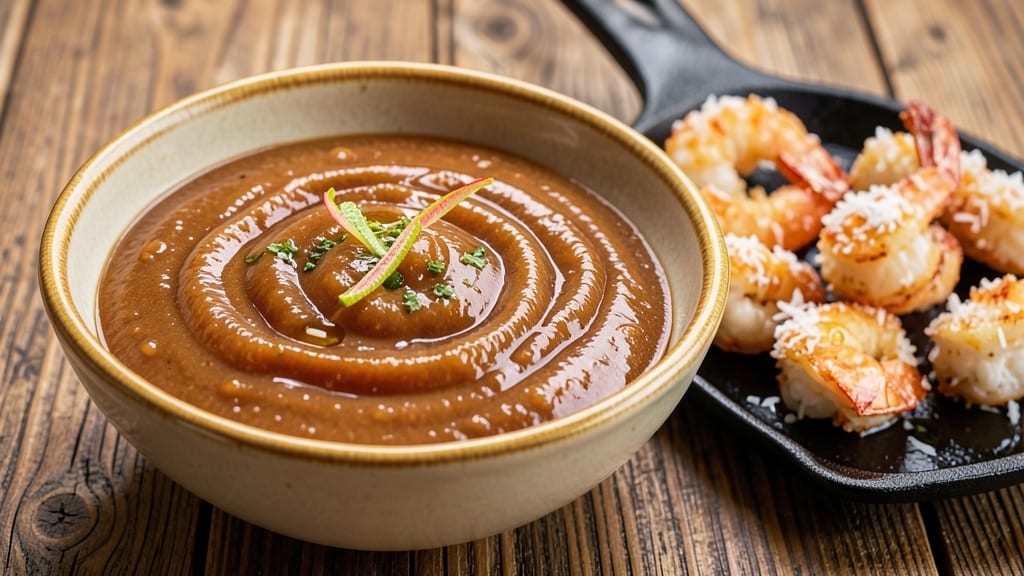
This apricot dipping sauce for coconut shrimp transforms a simple appetizer into an elegant showstopper with its perfect tangy-sweet balance. The secret lies in caramelized apricots, zesty lime, and a touch of coconut milk that complements the crispy shrimp beautifully.
I developed this recipe after struggling to find a sauce that didn't overpower the delicate shrimp flavor—now it's my go-to for dinner parties and weeknight cravings.
The sauce begins with simmering apricot preserves and coconut milk until thickened, then brightened with lime zest and a splash of lime juice for that signature tang. Meanwhile, the shrimp gets marinated in a light coconut-lime mixture before being flash-fried to golden perfection.
The result? A dish where every bite delivers crispy shrimp paired with a velvety sauce that's rich yet refreshing.
What makes this recipe truly special is how the flavors come together—sweet apricots play against the shrimp's natural sweetness, while the lime zest adds a subtle citrus note that cuts through the richness.
The coconut element ties everything together, creating a cohesive flavor profile that's both sophisticated and approachable. Perfect for serving at gatherings or as a special weeknight treat.
With just 30 minutes of active prep time and 15 minutes of cooking, this dish delivers restaurant-quality results without the fuss. The sauce can be made ahead and reheated, making it ideal for meal prep. Let's get started on creating this crowd-pleasing combination that's sure to impress.
Ingredients for apricot dipping sauce for coconut shrimp
Caramelized apricots, zesty lime, and velvety coconut milk create this elegant dipping sauce for coconut shrimp.
| Ingredient | Amount | Notes |
|---|---|---|
| Apricot Preserves 🍑 | ½ cup | High-quality, unsweetened preferred |
| Full-Fat Coconut Milk 🥥 | ½ cup | Canned, for creaminess |
| Fresh Lime Juice 🍋 | 2 tbsp | Freshly squeezed for brightness |
| Lime Zest 🍋 | 1 tsp | Fine, for aromatic depth |
| Extra-Virgin Olive Oil 🫒 | 1 tbsp | Light, fruity variety |
| Honey 🍯 | 1 tbsp | Wildflower preferred |
| Fresh Cilantro 🌿 | ¼ cup | Chopped, for freshness |
| Garlic Cloves 🧄 | 1 clove | Minced, for subtle depth |
| Large Shrimp 🦐 | 1 lb | Peeled, deveined, tails on |
| Unsalted Butter 🧈 | 2 tbsp | Cold, for frying |
| Diamond Crystal Kosher Salt 🧂 | ½ tsp | Fine grain for seasoning |
| Ground Black Pepper 🌶️ | ¼ tsp | Freshly cracked |
| Panko Breadcrumbs 🍞 | ¼ cup | For crispy coating |
The apricot preserves should be of high quality—avoid overly sweetened varieties, as they can dominate the sauce's delicate balance. Trader Joe's and Whole Foods carry excellent unsweetened options. For coconut milk, opt for full-fat canned coconut milk (like Thai Kitchen brand) to ensure richness. Fresh lime juice is non-negotiable; bottled juice lacks the brightness needed to cut through the sauce's sweetness. The lime zest should be finely grated to distribute evenly without bitterness. If you're using store-bought zest, ensure it's freshly packaged—pre-ground zest loses potency quickly.
No apricot preserves? Mango chutney works as a substitute, though the flavor profile shifts slightly. Running out of lime juice? Key lime juice intensifies the citrus notes, but regular lime juice will suffice. For a vegan adaptation, replace honey with agave nectar at the same ratio. The shrimp should be fresh or previously frozen—never thawed shrimp that smells fishy. If you prefer extra-crispy shrimp, toss the breadcrumbs with 1 tsp cornstarch before coating. The olive oil should be light and fruity—avoid strong, peppery varieties that can overpower the sauce.
The sauce can be made 2 days ahead and stored in an airtight container in the fridge, though the texture may slightly thicken upon reheating. To restore consistency, simply whisk in 1 tsp coconut milk before serving. The shrimp should be fried just before serving to maintain crispiness, but you can marinate them in the coconut-lime mixture up to 4 hours ahead. For meal prep, portion the sauce into small jars—it keeps for 5 days refrigerated or 3 months frozen. Always thaw frozen portions in the fridge overnight for best results.
Why You'll Love This Recipe
- No-Fuss Blend: I swear by this sauce because it’s just stir, simmer, done—no whisking, no straining, no stress. Five minutes of active time, and you’ve got that velvety apricot-coconut magic ready to go.
- Sweet-Tart Magic: The moment that lime zest hits your tongue after the first bite? Chef’s kiss. It’s the perfect push of brightness against the jammy richness, and the olive oil ties it all together so smoothly—like a hug in sauce form.
- Party Ready: Between us, this is my go-to for game day, brunch spread, or just because. Drizzle it over shrimp, serve it in a bowl with toothpicks, or even slather it on grilled chicken—it’s that adaptable.
- Leftover Goldmine: Make a double batch (it’s still under 10 minutes) and store it in the fridge. That apricot-coconut combo only gets better after a day or two—great for quick weeknight dinners or when you’re too tired to cook.
Step-by-step instructions for apricot coconut shrimp dipping sauce
This tangy-sweet sauce balances rich apricot and creamy coconut perfectly—here's how to make it.
Warm and Blend the Base Ingredients
In a small saucepan over medium-low heat, combine the 0.5 cup apricot preserves, 0.5 cup full-fat coconut milk, and 1 tablespoon honey. Stir gently and bring to a simmer, watching for small bubbles to form around the edges. This process should take about 3-4 minutes—you want the mixture to heat through without boiling vigorously, which could break down the delicate apricot texture.
While heating, I like to whisk continuously to ensure even distribution of the honey and to prevent the coconut milk from curdling. The moment the mixture reaches a gentle simmer, remove it from heat immediately. This prevents the sauce from becoming grainy or losing its natural fruitiness. Let it cool slightly for 2-3 minutes—it should be warm to the touch but not hot enough to scald your tongue when you taste it later.
Incorporate Aromatics and Brighten with Citrus
Transfer the warm apricot-coconut mixture to a blender or food processor. Add the 2 tablespoons fresh lime juice, 1 teaspoon lime zest, 1 tablespoon extra-virgin olive oil, and 1 minced garlic clove. Blend until completely smooth, about 20-30 seconds. The lime zest will add a subtle floral note that brightens the sweetness, while the garlic provides a subtle depth that complements the shrimp.
After blending, taste the mixture and adjust the balance. If it tastes too sweet, add a splash more lime juice. If it needs more richness, stir in a small amount of the reserved coconut milk. The sauce should have a vibrant orange hue with a glossy finish—this indicates proper emulsification of the oil and coconut milk. Let the sauce sit at room temperature for 5 minutes to allow the flavors to meld.
Finish with Fresh Herbs and Texture
While the sauce rests, finely chop the 0.25 cup fresh cilantro and set aside. The cilantro should be bright green with no stems—this ensures maximum freshness and flavor. Return the sauce to the blender and pulse once to incorporate the cilantro gently. You want the herbs to be finely distributed but still visible as little green specks throughout the sauce.
For an extra touch of texture, I like to add a small spoonful of the 0.25 cup panko breadcrumbs to the sauce before serving. This creates a delightful contrast between the creamy sauce and the crispy breadcrumb bits. Stir these in just before serving to maintain their crunch. The final sauce should be silky, with a balance of sweet, tangy, and herbal notes that pair beautifully with the coconut shrimp.
Prepare the Shrimp for Serving
While the sauce rests, prepare the shrimp by melting the 2 tablespoons unsalted butter in a large skillet over medium heat. Add the shrimp and cook for 2-3 minutes per side until they turn a beautiful pink color and are just opaque in the center. Season with 0.5 teaspoon kosher salt and 0.25 teaspoon black pepper while cooking.
Transfer the cooked shrimp to a serving platter and immediately drizzle with any remaining butter from the pan. Serve the shrimp alongside the prepared apricot-coconut sauce in small bowls or ramekins. The contrast of the warm, buttery shrimp with the cool, tangy-sweet sauce creates a perfect balance of temperatures and flavors that will impress any guest.
Pro Tips For Making Apricot Dipping Sauce For Coconut Shrimp
- Warm the Preserves First: Skip the clumpy mess by heating the apricot preserves in a small saucepan over low heat for 30 seconds—just until they’re fluid and spreadable. I learned this the hard way when I poured cold preserves straight into warm coconut milk and ended up with a gloppy, uneven sauce that separated halfway through dipping. A few seconds of warmth makes all the difference, especially if your preserves are thick or chilled.
- Use Full-Fat Coconut Milk: Don’t skimp on the fat here—full-fat coconut milk adds richness and helps emulsify the sauce so it doesn’t split when you add lime. I once used light coconut milk to cut calories, and the sauce turned grainy and separated like a sad vinaigrette. The extra fat also balances the sweetness of the apricots, so your shrimp don’t taste like dessert alone.
- Zest Before Juicing: Grate the lime zest fresh before juicing it—this way, you catch the most aromatic oils without overworking the flesh, which can make the sauce bitter. Toss the zest straight into the sauce while it’s warm; it’ll melt into the coconut milk and apricot preserves for a bright, layered flavor. (Yes, even if you’re impatient like me.)
- Simmer, Don’t Boil: Heat the sauce on medium-low and let it bubble gently for 2–3 minutes—just enough to blend the flavors without cooking out the lime’s acidity. I used to crank the heat, and the sauce would curdle or lose its freshness. A slow simmer keeps the texture silky and the flavors bright, so every dip of the shrimp tastes intentional.
Make-ahead tips for apricot dipping sauce for coconut shrimp
Sauce Prep Ahead
The apricot-coconut sauce is perfect for making 2 days in advance—just store it in an airtight container in the fridge. The flavors deepen over time, becoming even more balanced.
When ready to serve, gently reheat in a small saucepan over low heat with 1-2 tablespoons of water to restore its silky texture. Stir constantly to prevent scorching, and remove just before it reaches 160°F to maintain its glossy finish. 💫
Shrimp Prep Timeline
For maximum crispiness, marinate the shrimp in the coconut-lime mixture for up to 4 hours ahead, but cook them within 30 minutes of frying to keep the coating intact.
If prepping components separately, store the marinated shrimp in a single layer on a tray lined with parchment paper in the fridge. This prevents them from sticking together, making last-minute cooking a breeze. 🦐
Portioning for Parties
Divide the sauce into small ramekins (about 2 tbsp per serving) and store them in the fridge. Reheat individual portions by microwaving for 20-30 seconds on medium power, then stir vigorously to re-emulsify.
For the shrimp, portion them into lightweight containers—they're best fried fresh, but you can marinate and store them separately as mentioned above. 🍽️
Freezing for Later
Both the sauce and shrimp can be frozen, though textures may change slightly. The sauce freezes beautifully for up to 3 months—simply thaw it in the fridge overnight and reheat as directed. For shrimp, freeze them uncooked in a single layer before transferring to a bag.
When ready to cook, thaw in the fridge for 6-8 hours, then pat dry thoroughly before frying for optimal crispiness. ❄️
Reheating Leftovers
Leftover shrimp should be reheated for 10-15 seconds in the microwave to maintain their crispy coating. For the sauce, stir in 1 tsp coconut milk if it thickens upon reheating. I find that reheating small batches in a small saucepan over low heat preserves the texture better than microwaving.
Always taste and adjust seasoning—reheated sauces often need a pinch more salt or lime juice to brighten them up. 🔥
Make-Ahead Plating
Set up your serving station the night before by arranging small bowls for the sauce and a platter for the shrimp. Keep the shrimp uncooked in the fridge until ready to fry—this ensures they're piping hot when served.
For a restaurant-style presentation, chill the sauce in the fridge for 30 minutes before serving to enhance its vibrant color and glossy finish. This thoughtful prep makes hosting effortless and keeps your dish looking polished. ✨
Nutrition facts
Frequently asked questions
Can I substitute apricot preserves for another fruit?
Yes! For a similar texture, try mango chutney or peach jam—both work well with the coconut-lime balance. If you prefer a tangier sauce, swap in 1/4 cup orange marmalade and reduce the honey to 1/2 tablespoon. Avoid overly sweet preserves like strawberry jam, as they can overpower the shrimp.
How do I keep the shrimp from getting rubbery?
Cook shrimp for only 2-3 minutes per side over medium heat until just opaque—overcooking turns them rubbery. Use a meat thermometer to check: shrimp should reach 145°F internally. Pat them completely dry before frying, and avoid crowding the pan to maintain even heat distribution.
Can I make this sauce dairy-free?
Replace the 2 tablespoons butter with 2 tablespoons coconut oil or avocado oil for frying the shrimp. For the sauce, use coconut milk (already included) and skip the butter entirely. The sauce will still be creamy and delicious.
What's the best way to store leftovers?
Store the sauce in an airtight container in the fridge for up to 5 days. Reheat gently in a saucepan with 1 tsp coconut milk to restore texture. For shrimp, eat within 2 days—they're best reheated for 10-15 seconds in the microwave to preserve crispiness.
Can I use frozen shrimp?
Yes, but thaw them properly! Place frozen shrimp in a single layer on a tray and refrigerate for 6-8 hours before cooking. Pat them completely dry before frying to ensure maximum crispiness. Never thaw at room temperature—this can cause uneven cooking.