
Sauces & Condiments
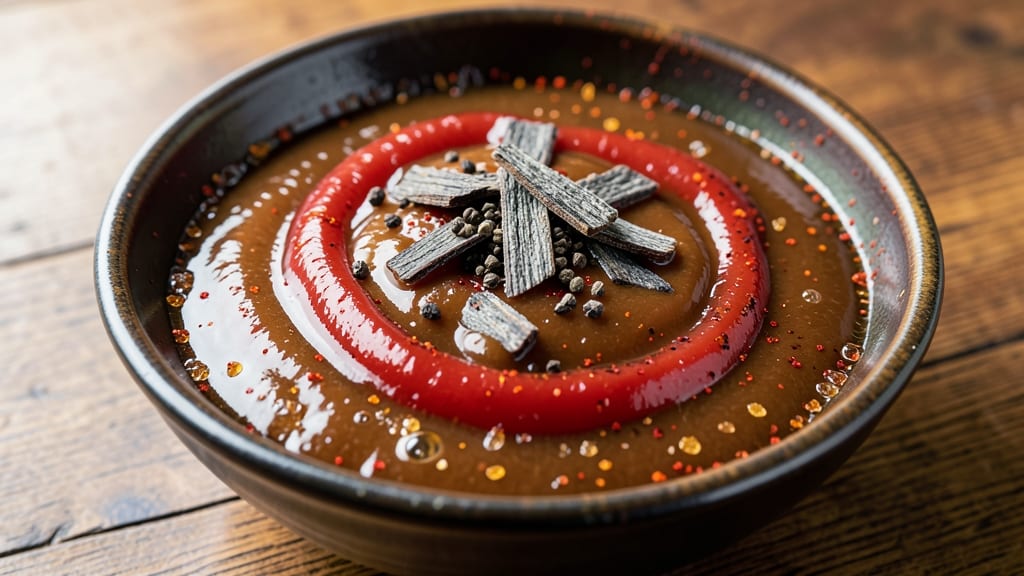
This applewood BBQ sauce recipe transforms your grill into a smoky charred masterpiece with every brush. The secret lies in smoked applewood chips that infuse deep, woodsy flavor without overpowering the sauce's perfect sweet-spice balance.
I developed this recipe after years of perfecting the art of balancing molasses' richness with apple cider vinegar's tang, creating a sauce that clings beautifully to meats while standing up to high-heat cooking.
The foundation starts with apple cider vinegar and molasses, which form the sauce's heart—molasses provides that signature caramel depth while vinegar cuts through the sweetness for complexity. Smoked applewood chips (or liquid smoke) add an authentic charred dimension that's impossible to replicate with store-bought sauces.
The blend of brown sugar and cayenne creates the signature sweet heat balance that makes this sauce irresistible.
What makes this recipe truly special is its versatility—use it as a marinade, basting sauce, or dipping sauce that enhances everything from pulled pork to grilled vegetables. The sauce thickens beautifully when reduced, creating a glossy finish that's perfect for drizzling over finished dishes.
Once you try this homemade version, you'll never go back to bottled BBQ sauce again.
Best of all, this recipe makes enough for multiple uses, with leftovers storing perfectly in the refrigerator for up to two weeks. The flavor actually improves as it sits, allowing those smoky and sweet notes to meld together into something extraordinary.
Let's create a sauce that will elevate all your grilling and smoking adventures.
Ingredients for applewood bbq sauce
Nine ingredients transform your grill into a smoky, charred masterpiece with every brush.
| Ingredient | Amount | Notes |
|---|---|---|
| Apple Cider Vinegar 🍎 | ½ cup | Raw, unfiltered preferred |
| Molasses 🍯 | ½ cup | Dark, unsulphured variety |
| Brown Sugar 🍚 | ½ cup | Light or dark, packed |
| Applewood Smoked Chips 🌳 | ¼ cup | Unsmoked chips for infusing |
| Cayenne Pepper 🌶️ | 1 tbsp | Adjust for heat preference |
| Ground Black Pepper 🌶️ | ½ tbsp | Freshly ground for depth |
| Garlic Cloves 🧄 | 3 cloves | Peeled, roughly chopped |
| Onion 🧅 | ½ whole | Yellow or red, chopped |
| Ketchup 🍅 | ½ cup | High-quality, no sugar added |
| Water 💧 | ½ cup | Filtered preferred |
The applewood chips are the secret weapon—Costco or specialty smoke shops carry the best unsmoked chips. Look for 100% applewood with no additives; Traeger or Smoke Magic brands are my go-tos. If you can't find chips, liquid smoke works in a pinch (use half the amount). The molasses should be dark and thick—Goya or Brer Rabbit are my pantry staples. For vinegar, raw, unfiltered is non-negotiable—it adds depth the pasteurized stuff can't match. Grab a small bottle of Bragg if you're unsure what to pick up.
No applewood chips? Hickory or cherry wood chips work, but applewood is signature. Short on molasses? Maple syrup at half the amount adds sweetness, though it lacks the depth. The cayenne is where the magic happens—start with 1 tbsp and adjust to taste. For ketchup, Heinz No Sugar Added keeps things balanced without overpowering. Garlic and onion can be swapped for 1 tbsp garlic powder and 1 tsp onion powder, but fresh is always better. The water is just to thin—use it if the sauce gets too thick during reduction.
This sauce thickens beautifully as it sits—3-4 days in the fridge is ideal for flavor development. Store in a glass jar with a tight seal to preserve those smoky notes. Freezes for up to 6 months if you want to make a big batch. I always double the recipe—one for immediate use, one to stash for future grilling adventures. The flavor actually improves with time, so don't rush it.
Why You'll Love This Recipe
- Pantry Magic: I swear, this sauce comes together with stuff I already have—no specialty trips needed. The molasses and brown sugar blend into a sticky-sweet base while the apple cider vinegar keeps it bright, and those applewood chips add smoky depth without extra work.
- Smoky-Sweet Bang: That first taste? Chef’s kiss. The molasses gives it a deep caramel richness, the vinegar cuts through the sweetness just right, and the cayenne adds a little kick that lingers. Honestly, it’s the kind of sauce you’ll reach for instead of store-bought every time.
- Weeknight & Weekend: Slather it on grilled chicken for a weeknight dinner, toss it with baked beans for a crowd-pleasing side, or drizzle it over pulled pork sandwiches at a BBQ. Between us, it’s my go-to for lazy Sundays or quick weeknight meals—no fuss, just flavor.
- Makes Extra, Costs Less: A big batch lasts me forever—drizzle it on sandwiches, mix it into marinades, or even glaze roasted veggies. The smoked chips and molasses stretch the budget, and the vinegar keeps it shelf-stable for weeks. (Yes, even on a Tuesday night.)
Step-by-step instructions for applewood BBQ sauce
This smoky, charred sauce delivers balanced sweetness and heat—every layer matters.
Infuse the Applewood Smoke into the Base
In a medium saucepan, combine the 0.5 cup apple cider vinegar, 0.5 cup molasses, 0.5 cup brown sugar, 0.5 cup ketchup, 0.5 cup water, 1 tablespoon cayenne pepper, and 0.5 tablespoon ground black pepper. Stir over medium-low heat until the mixture reaches a gentle simmer—about 5-7 minutes. This step builds the foundation, so don’t rush it.
Here’s the secret: Add the 0.25 cup applewood smoked chips now. Let them steep in the simmering liquid for 10 minutes, stirring occasionally. The chips will break down, releasing their deep, smoky essence into the sauce. Strain out the wood chips afterward—they’ve done their job, but you don’t want them in your final sauce.
Build Depth with Aromatics
In the same saucepan, add the 0.5 whole onion (chopped) and 3 cloves garlic (roughly chopped). Cook for 5-7 minutes until the onion softens and the garlic turns golden. This step is where the sauce gets its complexity—don’t skip it. The onions should caramelize just slightly, adding a subtle sweetness that balances the molasses.
Watch the pan closely. If the mixture starts to stick, add 1-2 tablespoons of water to keep it moving. You’re aiming for a thick, syrupy consistency, but not so thick it can’t coat the back of a spoon. Stir frequently to prevent burning—this is where flavors deepen.
Simmer to Perfect Consistency
Reduce the heat to low and let the sauce simmer uncovered for 20-25 minutes. Stir occasionally to prevent scorching. You’re looking for a sauce that coats a spoon but still flows smoothly—not gluey, not watery. The molasses and brown sugar will caramelize further, creating that rich, glossy finish.
Taste as you go. If the heat from the cayenne feels too sharp, add a pinch of brown sugar to mellow it out. If the sweetness needs balancing, a splash of apple cider vinegar will cut through. This is your chance to tweak the flavor before it’s set.
Finish and Rest for Maximum Flavor
Once the sauce reaches your desired consistency, remove it from heat. Let it cool slightly—10-15 minutes—before transferring to a clean jar. The flavors will meld even more as it cools, deepening that smoky-sweet profile. Store it in the refrigerator for up to 2 weeks or freeze for longer shelf life.
This sauce is best used on grilled meats, smoked ribs, or even as a glaze for roasted vegetables. The applewood infusion gives it a charred, almost campfire-like depth that’s hard to replicate. Trust the process—every step builds on the last to create something truly special.
Pro Tips For Making Applewood Bbq Sauce
- TOAST THE SMOKED CHIPS: Crush the applewood chips roughly first, then toast them in a dry skillet over medium heat for 2-3 minutes until they darken and smell like a campfire. This deepens their flavor way more than just tossing them in cold—trust me, I tried the lazy way first.
- SIMMER LOW AND SLOW: Don’t rush the reduction. Keep the sauce at a gentle boil (tiny bubbles, constant stirring) for at least 30 minutes—sometimes longer if it’s thick. Rushing it turns molasses into a gluey mess instead of a rich, glossy finish.
- STRAIN THE MOLASSES: Skip the sediment by straining the molasses through a fine-mesh sieve before adding it to the sauce. The gritty bits at the bottom taste bitter and ruin the smoothness—like eating sand in your ribs.
- VINEGAR FIRST, THEN SWEET: Add the apple cider vinegar to the pot before the sugar and molasses. It cuts through the initial bitterness and helps the flavors meld faster—otherwise, you’ll end up with a cloying, one-note sauce. (Yes, I’ve done it both ways.)
Serving suggestions for this dish
Grilled Meats
This applewood sauce transforms grilled meats into showstoppers. Brush it generously over pork shoulder during the last 15 minutes of smoking for a glossy, caramelized crust. For ribeye steaks, apply a thin layer after searing and finish under the broiler for 2-3 minutes to create a smoky glaze.
I love using it on chicken thighs—baste them with sauce during the last 10 minutes of grilling for a sticky, flavorful finish. 🔥
Smoked Dishes
Smoked ribs and brisket become legendary with this sauce. Apply a thin layer to pork ribs during the final 30 minutes of smoking at 225°F, then broil for 5 minutes to caramelize.
For brisket, use it as a mop sauce during the wrap phase—the applewood smoke complements the beef perfectly. I also use it on smoked salmon—just a light brush before serving with lemon wedges.
Vegetable Glazes
Don't limit this sauce to meats! Toss grilled portobello mushrooms with 1 tbsp sauce and broil for 3-4 minutes for a smoky, sweet glaze. Brush asparagus spears with sauce before grilling, then sprinkle with feta cheese for a Mediterranean twist.
Even roasted sweet potatoes become irresistible when tossed with sauce and baked at 400°F for 20 minutes.
Dipping Sauce
Serve this sauce warm as a dipping sauce for fried chicken, mozzarella sticks, or onion rings. I like to thin it slightly with 1 tbsp water for dipping to make it easier to scoop.
For extra flair, top with chopped scallions and a sprinkle of smoked paprika. The applewood notes add depth that store-bought dipping sauces can't match. 🌶️
Breakfast Applications
This sauce isn't just for dinner! Use it as a bacon glaze—coat strips of bacon with sauce and bake at 400°F for 12-15 minutes until crispy. Drizzle it over pancakes or waffles with a side of crispy bacon for a smoky-sweet breakfast.
Even scrambled eggs get an upgrade when finished with a spoonful of this sauce and a sprinkle of crumbled bacon.
Sandwich Spread
Transform your burgers and sandwiches with this sauce as a spread. Mix 2 tbsp sauce with 1 tbsp mayonnaise for a smoky-sweet condiment that works perfectly on pulled pork sandwiches or grilled cheese.
For extra richness, add 1 tsp butter to the mixture. The applewood flavor shines through while adding complexity to every bite. 💫
Nutrition facts
Frequently asked questions
Can I substitute applewood chips with liquid smoke?
Yes! If you can't find applewood chips, use ½ teaspoon liquid smoke instead of the ¼ cup chips. Start with less and adjust to taste—liquid smoke is much more concentrated. The flavor will be similar but slightly more intense, so don't overdo it.
How do I adjust the heat level in this sauce?
The recipe uses 1 tablespoon cayenne, but you can reduce it to ½ teaspoon for mild heat or increase to 2 tablespoons for extra spice. For a smoky kick without heat, swap cayenne for ½ teaspoon smoked paprika instead. Always taste as you go!
Can I make this sauce without ketchup?
Replace the ½ cup ketchup with ¼ cup tomato paste mixed with ¼ cup apple cider vinegar and 1 teaspoon sugar. This keeps the tangy-sweet balance while omitting processed ingredients. The sauce will have a deeper tomato flavor without artificial additives.
How long does homemade BBQ sauce keep?
Store in a clean glass jar in the refrigerator for up to 2 weeks. For longer storage, freeze for 6 months. The flavor actually improves with time—let it sit for 3-4 days before using for maximum depth. Always use a clean spoon to avoid contamination.
What's the best way to use this sauce on chicken?
For grilled chicken, baste with sauce during the last 10 minutes of cooking. For baked chicken, brush on generously before the final 15 minutes at 375°F. The high heat caramelizes the sauce beautifully. For extra crispiness, broil for 2-3 minutes at the end.