
Sauces & Condiments
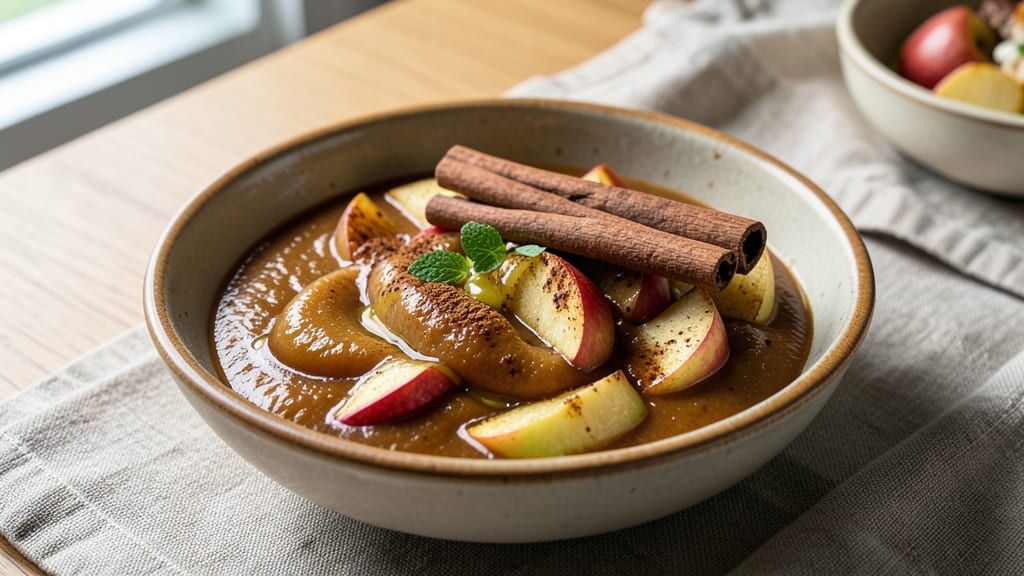
This apple sauce recipe with peel transforms what most people discard into the secret to richer flavor and bold spice—no waste, just pure comfort. I developed it after years of testing how apple skins contribute tannins and depth, turning simple apples into something restaurant-quality.
The peels add subtle bitterness that balances sweetness, creating a sauce that's complex without being overpowering.
What makes this sauce special is its versatility—you can make it smooth or chunky, depending on how you blend, and customize the spice profile with cinnamon, vanilla, or even a pinch of nutmeg.
The process is straightforward: core and chop apples with peels, simmer until tender, then blend to your preferred texture. It takes about 45 minutes from start to finish, with minimal effort but maximum flavor.
The result is a velvety, aromatic sauce that's perfect for drizzling over pancakes, mixing into oatmeal, or pairing with roasted meats. The peels infuse subtle earthiness that elevates the sweetness, while the spices add warmth that lingers.
This isn't just apple sauce—it's a flavor-packed condiment that turns ordinary meals into something extraordinary.
Store it in the fridge for up to 5 days or freeze for 3 months, making it ideal for meal prep. The texture actually improves after a day or two as the flavors meld.
Whether you're using it as a topping, baking ingredient, or sauce for savory dishes, this recipe proves that peels aren't waste—they're the key to deeper flavor.
Ingredients for apple sauce recipe with peel
Nine simple ingredients transform humble apples into a restaurant-quality sauce with peels.
| Ingredient | Amount | Notes |
|---|---|---|
| Apples with Peel 🍎 | 4 medium | Organic preferred for cleaner flavor |
| Granulated White Sugar 🍚 | ½ cup | Adjust to taste for sweetness |
| Cinnamon Sticks 🌿 | 2 whole | For infusion, remove before blending |
| Ground Cinnamon 🌶️ | 1 tsp | For finishing, not for simmering |
| Vanilla Extract 🌸 | 1 tsp | Pure vanilla for authentic flavor |
| Lemon Juice 🍋 | 1 tbsp | Freshly squeezed for brightness |
| Salt 🧂 | ¼ tsp | Diamond Crystal preferred |
| Water 💧 | ¼ cup | Only if needed for texture |
| Nutmeg 🌿 | ¼ tsp | Freshly grated for depth |
The apples are the foundation—organic Honeycrisp or Granny Smith work best since they hold their shape and add natural tartness. Whole Foods or local orchards usually carry organic varieties with vibrant peels, but any firm apple will do. The peels are non-negotiable here—they add subtle bitterness that balances the sweetness, creating that restaurant-quality depth. If you're using conventional apples, give them a good rinse to remove any wax residue. For a bigger batch, simply double the quantity—this sauce scales beautifully.
No cinnamon sticks? Ground cinnamon at double the amount works in a pinch, but the sticks infuse better flavor. Vanilla extract can be swapped for vanilla bean paste if you want extra richness. Want more warmth? Add a pinch of cardamom alongside the nutmeg. The lemon juice is crucial—it brightens the sauce and prevents it from tasting flat. If your apples are particularly tart, reduce the lemon to half a tablespoon. For a smoother texture, blend longer; for chunks, pulse briefly. The water is only for thinning if needed—most times, the apples release enough liquid.
This sauce keeps beautifully in the fridge for 5 days, with flavors actually improving as they meld. For longer storage, freeze in ice cube trays or silicone molds—perfect for single-serving portions. The texture thickens when chilled, so stir in a splash of water if it becomes too stiff. I always make a double batch—one for immediate use and one to freeze. The peels give it that earthy complexity, so don't skip them! If you're using it in baking, the sauce adds moisture without altering the recipe's structure.
Why You'll Love This Recipe
- Peel-Included Shortcut: I swear by keeping the peels—no peeling, no fuss. The skins add that earthy depth while saving me 10 minutes of prep every time, and honestly? The texture is way better with them.
- Warm Spice Magic: That first whiff of cinnamon sticks simmering in the apples? Pure autumn in a bowl. The sugar caramelizes just enough to balance the tartness, and a splash of vanilla ties it all together—like dessert for breakfast.
- Pantry Staple Flex: This sauce turns roasted chicken into a cozy meal, swirls into oatmeal like a hug, or even slathers onto toast when I’m craving something sweet. Between us, I’ve used it for everything from stuffing to ice cream topping.
- Budget-Friendly Leftovers: A big batch costs pennies—just apples, sugar, and spices—and keeps for weeks in the fridge. I freeze half for lazy mornings, and the rest? Gone in days between toast, yogurt, or sneaking it into baked goods. Zero waste, all win.
Step-by-step instructions for spiced apple sauce with peel
Here's how to transform whole apples into velvety, aromatic sauce while keeping the peel's fiber and nutrients.
Core, Quarter, and Simmer the Apples
Preheat your largest pot over medium heat. Peel the apples if you prefer, but for maximum texture and nutrients, leave the peels on. Core each apple and cut into quarters, leaving the skin intact. Add the 4 medium Apples with Peel to the pot along with the 2 whole Cinnamon Sticks and 0.25 cup Water.
Cover the pot and let the apples simmer for 15-20 minutes until they're fork-tender but still hold their shape. You want them soft enough to mash easily, but not falling apart. Stir occasionally to prevent sticking—this is where the peel's natural pectin starts releasing for that perfect thickening. If the apples aren't releasing much liquid, add 1-2 tablespoons more water.
Sweeten and Season the Simmering Mixture
Once the apples are tender, remove the 2 whole Cinnamon Sticks and discard them. Stir in the 0.5 cup Granulated White Sugar, 0.25 tsp Salt, and 1 tbsp Lemon Juice. Let the mixture simmer uncovered for another 5-7 minutes until the sugar dissolves completely and the sauce begins to thicken slightly. The lemon juice brightens the flavor while balancing the sweetness.
Taste and adjust the sweetness if needed—some varieties like Honeycrisp need less sugar than tart Granny Smiths. You're aiming for a balance where the natural apple flavor shines through without being cloying. The sauce should coat the back of a spoon with a smooth, velvety texture.
Blend to Perfection and Finish with Spices
Transfer the apple mixture to a blender or food processor. I prefer using an immersion blender for this step—it keeps everything contained and makes cleanup easier. Blend until completely smooth, scraping down the sides as needed. If the sauce is too thick, add 1-2 tablespoons water to reach your desired consistency.
Return the blended sauce to the pot and stir in the 1 tsp Vanilla Extract, 1 tsp Ground Cinnamon, and 0.25 tsp Nutmeg. Simmer gently for 3-5 minutes to let the spices infuse. The nutmeg adds a warm depth, while the ground cinnamon provides that classic apple pie warmth without the stick's texture.
Test for Doneness and Adjust Texture
For a truly restaurant-quality finish, let the sauce cool slightly for 5 minutes before your final taste test. The sauce should be thick enough to coat a spoon but still spoonable—not gluey. If it's too thick after cooling, thin it with 1 tablespoon water at a time. If it's too thin, simmer uncovered for 5-10 minutes to reduce.
Here's the thing—properly made apple sauce should have a natural sheen from the apple's pectin. If it looks dull, it needs more simmering time. The peel's fiber contributes to this thickening, so don't skip it if you want that authentic texture. Once you're satisfied, transfer to clean jars and let cool completely before sealing.
Pro Tips For Making Apple Sauce Recipe With Peel
- Use Firm Apples Only: Peeling keeps the texture, but soft apples turn to mush—no amount of sugar fixes that. Grab Honeycrisp, Granny Smith, or Braeburn. I learned this the hard way with a bag of overripe apples that turned my sauce into apple pudding.
- Simmer Slow and Low: High heat makes apples bitter and burns the sugar. Once the apples break down (about 20 minutes), drop the heat to a bare simmer—just enough to keep tiny bubbles dancing. This keeps the flavor smooth, not sharp.
- Strain for Smoothness: Skip the food mill if you hate pulp, but don’t just mash it—strain through a fine-mesh sieve. The peel adds texture, but too much grit ruins the finish. I used to blend it smooth, but straining keeps it elegant without extra work.
- Add Vanilla Late: Mixing vanilla in early can make it cook off and lose its bright flavor. Stir it in the last 5 minutes of simmering—trust me, the difference is noticeable. It’s a small tweak, but it makes the sauce taste like you actually bothered.
Wine and beer pairings for this dish
Sweet Apple Wines
A crisp, dry Riesling from Germany or Alsace is my go-to pairing for this spiced apple sauce—its bright acidity and honeyed notes mirror the sauce's sweetness and cinnamon warmth.
Look for a Kellermann Spätlese or Domaine Weinbach Riesling, both of which have enough body to stand up to the sauce's richness. The slight tannins in the wine also complement the peel's subtle bitterness, creating a harmonious balance. Serve slightly chilled to enhance the apple's freshness. 🍷
Spiced Apple Beers
For beer lovers, a Belgian-style witbier like Stella Artois or Hoegaarden is perfect—its coriander and orange peel notes play beautifully with the sauce's cinnamon and vanilla. The effervescence also cleanses your palate between bites.
If you prefer something heartier, a honey ale (like Dasselfelt Honey Brown Ale) adds a malty sweetness that pairs wonderfully with the sauce's depth. For a local Texas twist, try a spiced cider beer like Austin Eastciders' Spiced Apple.
Bourbon & Apple Sauce
Here's a fun twist: pour a small glass of bourbon (I love Austin's own Balcones Distillery) alongside your sauce. The caramel notes in the bourbon echo the sauce's natural sweetness, while the oak adds a smoky depth that contrasts beautifully with the apple's brightness.
For a cocktail, mix 1.5 oz bourbon, 1 oz apple sauce, and a splash of apple cider—serve over ice with a cinnamon stick stirrer. This combo is a crowd-pleaser at holiday gatherings. 🥃
Dessert Wine Pairings
If you're using this sauce for desserts, a Moscato d'Asti or Riesling Kabinett brings out the fruitiness in both the sauce and the dish. The slight fizziness of Moscato cuts through the sauce's richness, while the Riesling's acidity balances the sweetness.
For a more robust pairing, try a late-harvest Gewürztraminer—its lychee and spice notes complement the nutmeg and vanilla in the sauce. Serve these wines slightly chilled to enhance their refreshing qualities.
Cider & Hard Cider
Don't overlook hard cider—it's the perfect match for apple sauce with peel! A dry hard cider like Angry Orchard or Woodchuck provides enough acidity to balance the sauce's sweetness.
For something smoother, try a spiced hard cider like Austin's own BrewDog Punk Cider—the cinnamon and clove notes amplify the sauce's warmth. Pair with sharp cheddar or aged gouda for a savory-sweet contrast that feels like a cozy autumn meal. 🍏
Nutrition facts
Frequently asked questions
Why keep the apple peels in the sauce?
The peels add subtle bitterness and fiber that balances sweetness, creating a more complex flavor profile. They also release natural pectin during cooking, which helps thicken the sauce beautifully. Plus, it's a great way to reduce food waste while boosting nutrition—peels contain valuable antioxidants!
Can I make this sauce with rotten spots on the apples?
Yes, but remove all moldy areas first. Apples with small bruises or surface blemishes are fine—they won't affect the flavor. Just wash thoroughly and cut out any soft spots. The peel's flavor comes through best when using firm, ripe apples without major damage.
How do I adjust the texture for chunky vs. smooth sauce?
For smooth sauce, blend until completely silky—no visible pieces. For chunky, pulse briefly (3-4 seconds) in a food processor. Pro tip: If you want texture but not big chunks, simmer the apples slightly longer before blending to break them down more naturally.
Can I substitute vanilla extract for vanilla bean?
Yes! Use ½ vanilla bean scraped (about ½ tsp seeds) instead of 1 tsp vanilla extract. The seeds add beautiful flecks and richer flavor. For best results, infuse the vanilla seeds in the simmering apples for 5 minutes before blending, then remove the empty pod.
Will this sauce work in savory dishes?
The subtle bitterness from the peels actually enhances savory flavors. Try it as a glaze for pork tenderloin, mixed into stuffing, or as a topping for roasted chicken. The spices complement herbs like thyme or rosemary beautifully—just reduce the cinnamon to ½ tsp for savory applications.