
Sauces & Condiments
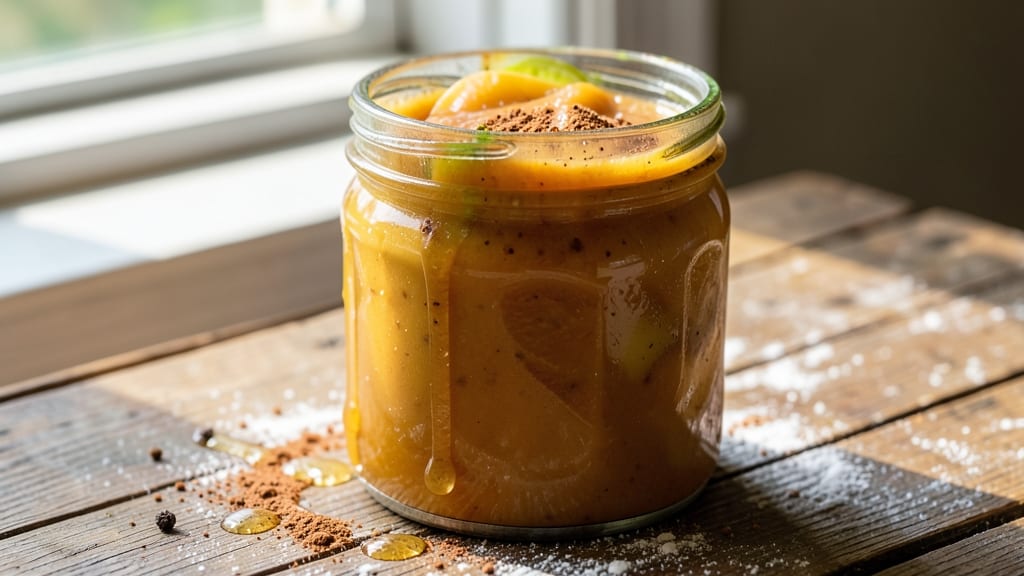
This no-sugar apple sauce canning recipe transforms seasonal fruit into a velvety, naturally sweet preserve that keeps for months—no artificial sweeteners needed. The secret lies in selecting perfectly ripe apples and balancing spices like cinnamon and cloves to enhance their inherent sweetness while ensuring proper preservation.
I’ve perfected this method through years of testing, guaranteeing a smooth, restaurant-quality sauce that’s perfect for toast, pies, or pairing with savory dishes.
The process begins with sterilizing jars and lids to prevent spoilage, then simmering peeled and chopped apples until they break down into a silky consistency.
A touch of lemon juice not only brightens the flavor but also acts as a natural preservative, while spices like cinnamon and allspice add warmth without overpowering the apple’s natural taste. This method preserves all the fruit’s goodness while creating a shelf-stable product that rivals store-bought versions.
What you’ll end up with is a batch of silky, spiced apple sauce that’s naturally sweet, vibrant, and ready to use for up to a year. The canning process locks in freshness, so every jar tastes like it was just made—no artificial additives or aftertaste.
Whether you’re prepping for winter or stocking your pantry, this recipe delivers perfectly preserved apple sauce that’s as nutritious as it is delicious.
Once sealed, store the jars in a cool, dark place for long-term use, or refrigerate opened jars for up to two weeks. The result is a pantry staple that’s versatile, healthy, and free from unnecessary sugars. Here’s how to make it—step by step—so you can enjoy homemade apple sauce anytime.
Ingredients for apple sauce canning recipe no sugar
Nine ingredients, zero sugar—just ripe apples and spices that sing together.
| Ingredient | Amount | Notes |
|---|---|---|
| Apples (Mixed Varieties) 🍎 | 12 lb | Use firm, ripe apples like Fuji, Gala, or Honeycrisp |
| Granulated Apple Cider Vinegar 🍏 | ½ cup | For natural preservation and tang |
| Ground Cinnamon 🌿 | 2 tbsp | For warm, aromatic depth |
| Ground Allspice 🌶️ | 1 tsp | Earthy warmth without overpowering |
| Ground Cloves 🌶️ | ½ tsp | Subtle spice for depth (use sparingly) |
| Fresh Lemon Juice 🍋 | ¼ cup | Brightens flavor and acts as preservative |
| Water 💧 | 1 cup | For simmering and texture control |
| Canning Salt 🧂 | ½ tsp | Diamond Crystal preferred for balance |
| Pint-Sized Mason Jars 🥫 | 7 jars | With new lids for perfect seal |
Apples are the heart of this sauce, so pick the right ones. A mix of sweet and tart varieties (like Fuji for sweetness and Granny Smith for acidity) balances perfectly. Local orchards or farmers markets often have the best selection—look for firm, unblemished fruit that yields slightly to gentle pressure. If you can't find fresh apples, frozen unsweetened apple slices work in a pinch, but they'll add a bit more liquid. Peel and core the apples before chopping them into even pieces—this ensures consistent cooking and a silky texture. For the spices, Penzeys or bulk bins offer the freshest ground cinnamon and allspice, but any quality brand will do.
No apple cider vinegar? White vinegar or lemon juice at double the amount works, though the flavor will be slightly sharper. Running low on cloves? Skip them entirely or use 1/4 tsp ground cinnamon for warmth. The lemon juice is non-negotiable—it brightens the apples and acts as a natural preservative, so freshly squeezed is best. If you're canning a large batch, consider using a juicer for extra lemon juice to ensure proper acidity. For the jars, Ball or Kerr brand are reliable, but any new, undamaged mason jars with lids will work. Just make sure they're sterilized before use—boiling them for 10 minutes in water does the trick.
Once canned, these jars stay fresh for up to a year in a cool, dark pantry. Label each jar with the date—a permanent marker on masking tape works best. The sauce thickens slightly as it sits, so it's perfect for spreading on toast or using in recipes after a few days. If you open a jar and it's too thick, just add a splash of water and reheat. For best results, use within 2 weeks of opening. The spices mellow over time, so the flavor actually improves with age. Store opened jars in the fridge, and if you're making a big batch, freeze extras in ice cube trays for single-serving portions.
Why You'll Love This Recipe
- No Sugar, No Stress: I’ll be real—this recipe is ridiculously simple. Peel, core, and chop apples (or use pre-sliced if you’re lazy), toss them in a pot with apple cider vinegar, and let the spices work their magic. No fancy techniques, no second-guessing.
- Spice Magic Unlocked: That warm cinnamon-allspice-clove combo? It’s like autumn in a jar. The vinegar brightens the apples just enough to keep it from turning mushy, while the spices deepen the flavor without needing sugar. Honestly, it tastes like dessert but works as a savory side.
- Pantry Staple Power: Between us, this stuff lasts forever. Use it on oatmeal, drizzle it over yogurt, or mix it into baked goods—it’s my go-to when I forget to buy store-bought sauce. And because it’s shelf-stable, I always have it ready for last-minute guests.
- Budget-Friendly Bargain: Apples are cheap, spices cost pennies, and vinegar? You’ve got it. This recipe stretches a few dollars into a dozen jars, and since it’s no-sugar, it’s way healthier than the processed stuff. Plus, I make it in bulk—less waste, more savings.
Step-by-step instructions for perfectly spiced sugar-free apple sauce
Here's how to transform fresh apples into silky, naturally sweet preserves without any added sugar.
Prepare and Peel the Apples
Start by washing the 12 lb apples thoroughly under cold water to remove any dirt or wax. I like to use a vegetable brush for stubborn spots. Cut each apple into quarters, removing the core but leaving the skin on for natural sweetness and texture. The skin also adds beautiful color to your finished sauce.
For a smoother texture, peel the apples using a swivel peeler or vegetable peeler. If you prefer a rustic look, leave the skin on—just be sure to use organic apples to avoid pesticide residue. Cut each peeled quarter into roughly ½-inch chunks for even cooking. Place them in a large stainless steel pot—this material prevents discoloration better than nonstick or aluminum.
Simmer the Apples Until Tender
Add the apple chunks to the pot and stir in the 1 cup water. Bring the mixture to a boil over medium-high heat, then reduce to a gentle simmer. Cover and cook for 20-25 minutes, stirring occasionally, until the apples are fork-tender. You'll know they're ready when a knife slides in easily with minimal resistance.
Here's the thing—don't rush this step. The apples need time to break down naturally, releasing their sweetness without added sugar. If they're not tender enough, the sauce will be grainy. If they're too soft, the texture will be mushy. Aim for that perfect balance where they're soft but still hold their shape slightly.
Add Spices and Acid for Flavor and Preservation
Once the apples are tender, stir in the 0.5 cup granulated apple cider vinegar, 0.25 cup fresh lemon juice, 2 tbsp ground cinnamon, 1 tsp ground allspice, and 0.5 tsp ground cloves. The vinegar and lemon juice not only brighten the flavor but also act as natural preservatives, extending shelf life without sugar. The spices will infuse warmth and depth—just be careful with the cloves, as they can be overpowering if used too liberally.
Simmer the mixture uncovered for another 10-15 minutes, stirring frequently, until it thickens slightly. You're looking for a consistency where the sauce coats the back of a spoon but isn't gluey. Taste as you go—if it needs more brightness, add a splash more lemon juice. If it's too tart, a pinch more cinnamon can help balance it. The goal is a naturally sweet, aromatic sauce that tastes like autumn in a jar.
Process the Apple Sauce in Mason Jars
While the sauce simmers, prepare the 7 pint-sized Mason jars by running them through a hot water bath for 10 minutes to sterilize. This step is critical—it ensures your jars seal properly and prevents spoilage. Remove the jars from the water and place them upside down on a clean kitchen towel to dry.
Using a ladle or large spoon, carefully fill each jar with the hot apple sauce, leaving about ½-inch headspace at the top. This space allows for expansion during processing. Wipe the rims of the jars with a clean, damp cloth to remove any sauce or residue that could interfere with sealing. Place the lids on the jars and screw on the bands until they're fingertip-tight—just until you feel resistance, but don't force it.
Pressure Can the Apple Sauce for Safe Storage
Place the filled jars into a pressure canner, following the manufacturer's instructions for your altitude. For most areas, this means adding 2 inches of hot water to the canner and heating it to 10 pounds of pressure for 15 minutes after the jars are submerged. The pressure and heat work together to kill bacteria and create a vacuum seal, preserving your sauce safely for up to 12 months in a cool, dark place.
Once the processing time is complete, turn off the heat and let the pressure canner cool naturally. Never rush this step—allowing the pressure to drop gradually prevents the jars from cracking or breaking the seal. Once the canner has cooled completely and the pressure has returned to zero, remove the jars and let them cool for 12-24 hours before checking the seals. Properly sealed jars will have a concave lid that doesn't flex when pressed—this means your hard work has paid off, and you're ready to enjoy your sugar-free apple sauce anytime.
Pro Tips For Making Apple Sauce Canning Recipe No Sugar
- PEEL AND CORE LIKE A PRO: Start by coring the apples with a sturdy apple corer—it’s faster and cleaner than a knife, and you’ll avoid those frustrating little fruit bits hiding in your sauce. For tough skins, give them a quick dip in boiling water for 10 seconds first; they’ll peel easier, and you’ll save your hands from raw apple resistance.
- STIR THE VINEGAR IN: Don’t just toss the apple cider vinegar in at the end—add it right when the apples hit the pot. The acidity helps break down the pectin faster, giving you a smoother sauce without needing extra cooking time. (Yes, even if the smell makes you pause—it’ll mellow out.)
- SKIP THE OVERCOOKED MUSH: Once the apples are tender, pull the pot off heat the second they’re fork-friendly. Overcooking turns your sauce into glue, and no one wants that. If it’s still thick, add a splash of water or apple juice later—it’s easier to fix than undoing the mush.
- USE WHOLE SPICES FIRST: Toast a pinch of whole cloves and allspice in a dry pan for 30 seconds before grinding them—it deepens the flavor without overpowering. Then grind them fresh for the sauce; pre-ground spices lose punch fast, and this step makes a real difference in warmth. (Your future self will notice.)
Flavor customization for this recipe
Spiced Variations
Swap the classic cinnamon blend for cardamom and nutmeg—just 1 tsp ground cardamom and ½ tsp nutmeg—for a Scandinavian-inspired twist that’s subtly floral and warm. Or try vanilla bean by scraping 1 vanilla bean into the simmering apples for a creamy depth.
For heat lovers, add ½ tsp cayenne pepper alongside the spices—it caramelizes beautifully during processing. 🌶️
Herbal Infusions
Brighten the sauce with fresh herbs like thyme or rosemary. Add 2 sprigs fresh thyme (or 1 tsp dried) during the final 10-minute simmer—they’ll release their piney aroma without overpowering.
For a citrusy kick, zest 1 orange into the apples before simmering. The zest adds natural sweetness and a vibrant color, while the juice (if added) enhances preservation. 🍊
Texture Adjustments
For a chunkier texture, leave the apples in ¾-inch pieces and simmer 5 minutes less—this preserves their shape while still softening. Prefer ultra-smooth sauce? Blend half the cooked apples before mixing back in, or pulse in a food processor until silky.
For a rustic finish, mash ¼ of the sauce with a potato masher after simmering. 🥄
Sweetness Boosters
Need extra natural sweetness? Simmer the apples with ½ cup unsweetened apple juice (instead of water) or ¼ cup honey (if you’re open to minimal sweetener). For a tropical twist, add ½ cup diced pineapple during the final 10 minutes of simmering—it caramelizes into the sauce beautifully. 🍍
Savory Pairings
Balance the sweetness with savory elements like smoked paprika or a pinch of smoked salt. Add ½ tsp smoked paprika during the final simmer for a subtle BBQ-like depth.
For a cheesy twist, stir in ½ cup shredded sharp cheddar during the last 5 minutes of processing—it melts into the sauce, creating a perfect dip for crackers. 🧀
Regional Twists
For a New England style, add ½ cup chopped dried apples during the final simmer—they’ll rehydrate and add chewy texture. A Southern-inspired version swaps cloves for ½ tsp ground ginger and a dash of black pepper, giving it a spicy-sweet kick.
For German-inspired Apfelmus, fold in 1 tbsp butter during the last 5 minutes of simmering. 🗺️
Nutrition facts
Frequently asked questions
Can I use frozen apples instead of fresh for this no-sugar apple sauce?
Yes, but with adjustments! Use 14-16 lb frozen unsweetened apple slices (they're more watery) and reduce the added water to ½ cup. Thaw them first, drain excess liquid, and simmer 5-10 minutes longer to achieve the same texture. Frozen apples work best when you can't find fresh, but they'll yield slightly more sauce due to their higher moisture content.
How do I know when my apple sauce is properly sealed?
Check seals after 12-24 hours of cooling. A properly sealed jar will have a concave lid that doesn't flex when pressed. If the lid pops up when pressed and stays up, the seal failed—refrigerate and use within 1 week. For extra security, test one jar by opening it after cooling: if it makes a popping sound when you press the center, it's sealed correctly.
What's the shelf life of this no-sugar apple sauce?
Properly processed and sealed jars last 12 months in a cool, dark pantry. Once opened, refrigerate and use within 2 weeks. For longer freshness, freeze opened jars for up to 3 months. The natural acidity from lemon juice and vinegar helps preserve it without sugar, but always check for mold or off odors before using.
Can I adjust the spice levels for picky eaters?
For mild flavors, reduce cinnamon to 1 tbsp and skip cloves entirely. Add ½ tsp vanilla extract instead for warmth. For kids, blend the sauce until completely smooth—this helps mask any spice intensity while keeping the natural apple sweetness. The lemon juice and vinegar will still provide preservation benefits without altering the mild taste.
Why did my apple sauce turn out too tart?
This usually happens when too much lemon juice or vinegar was added. Balance it by simmering in ½ tsp honey or maple syrup (optional) for 5 minutes or adding 1 extra tbsp cinnamon to complement the acidity. If you skipped the spices, a pinch of salt can also help round out the flavors. Taste as you go during the final simmer to adjust!