
Sauces & Condiments
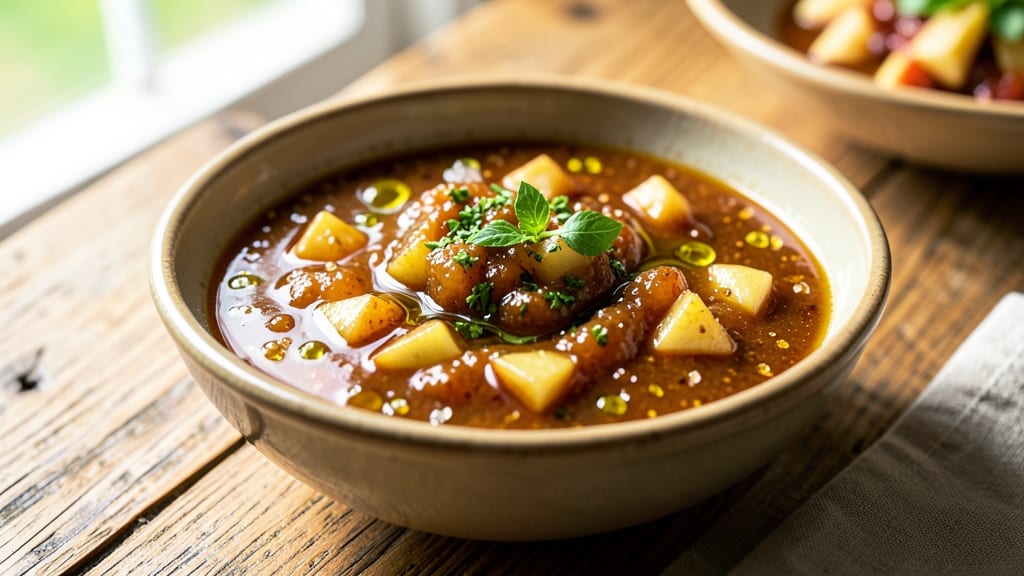
This apple horseradish sauce recipe transforms two bold flavors into a versatile condiment that brightens everything from sandwiches to roasted meats. The balance of sharp horseradish and sweet apple creates a tangy-sweet contrast that elevates dishes without overpowering them.
I developed this recipe after realizing how much horseradish sauce needed a modern twist—something with depth and complexity that still delivers a clean, refreshing bite.
The secret lies in the slow reduction of apple and horseradish with vinegar and sugar, which mellows the heat while intensifying the flavors. You'll need just 10 minutes of active prep, followed by a 30-minute simmer to develop that perfect harmony of sweet, tangy, and spicy notes.
The sauce thickens slightly as it cools, making it ideal for dipping, spreading, or drizzling.
What you’ll end up with is a versatile sauce that works as a sandwich spread, roasted meat glaze, or even a tangy dip for fries. The horseradish adds a sharp kick, while the apples soften the edge, creating a condiment that’s both sophisticated and approachable.
It keeps well in the refrigerator for up to two weeks, so you can make a batch and use it all season long.
Perfect for game day, holiday feasts, or weeknight dinners, this sauce transforms ordinary meals into something memorable. Whether you're pairing it with smoked salmon, roasted pork, or even a classic Reuben sandwich, it’s the kind of condiment that makes every bite more exciting. Let’s make it!
Ingredients for apple horseradish sauce
Nine ingredients transform bold flavors into a condiment that brightens everything from sandwiches to roasted meats.
| Ingredient | Amount | Notes |
|---|---|---|
| Granny Smith Apples 🍎 | 2 medium | Peeled and finely diced |
| Prepared Horseradish 🌶️ | ½ cup | Freshly grated preferred |
| Apple Cider Vinegar 🍎 | ¼ cup | For tangy brightness |
| Granulated Sugar 🍚 | ¼ cup | Adjust to taste |
| Extra-Virgin Olive Oil 🫒 | ¼ cup | For richness |
| Fresh Lemon Juice 🍋 | 2 tbsp | Brightens the sauce |
| Diamond Crystal Kosher Salt 🧂 | ½ tsp | Enhances all flavors |
| Freshly Ground Black Pepper 🌶️ | ¼ tsp | For subtle heat |
| Fresh Chives 🌿 | 2 tbsp | Chopped for garnish |
Granny Smith apples bring the perfect balance of tartness—avoid red delicious, they lack the sharpness needed. Whole Foods or local orchards often have better quality than grocery stores. If you can't find Granny Smith, Fuji apples work in a pinch, but they'll be slightly sweeter. The horseradish is non-negotiable—prepared horseradish from a jar works fine, but freshly grated has more punch. Look for jars with no added vinegar or sugar, just pure horseradish. If you're feeling adventurous, grow your own horseradish root—it's cheaper and fresher than store-bought.
No Granny Smith apples? Green apples like Braeburn are your next best bet. Running low on horseradish? Wasabi paste at half the amount adds heat without the sweetness. The apple cider vinegar can be swapped for white vinegar or red wine vinegar, but cider vinegar gives that subtle apple note. Sugar craving something different? Maple syrup or agave works beautifully—just reduce the sauce slightly longer to balance the sweetness. Fresh chives are ideal, but dried chives at one-third the amount will do in a bind. For extra depth, add a pinch of mustard powder to the mix.
This sauce thickens beautifully as it cools, so store it in an airtight jar in the fridge. It keeps for up to two weeks, though I usually make a fresh batch every few days. The flavors actually improve overnight—the horseradish mellows slightly, and the apple notes deepen. For serving, transfer to a pretty jar or bowl. A drizzle of extra-virgin olive oil before storing preserves freshness. Freezes well for up to three months, though texture changes slightly after thawing.
Why You'll Love This Recipe
- Five-Ingredient Magic: I swear by this recipe because it’s that simple—just peel, grate, and mix. No peeling apples perfectly (I’m not a saint), no fancy techniques. The Granny Smiths add natural sweetness while the horseradish cuts through like a bright, tangy wake-up call.
- Sweet Heat Balance: Honestly, the contrast here is chef’s kiss—the sharp bite of horseradish and the crisp acidity of apple cider vinegar play off the Granny Smith’s tartness. Drizzle it over roasted chicken or mix into yogurt, and you’ve got a flavor punch that’s equal parts bold and smooth.
- Game for Any Meal: Between us, this sauce is my secret weapon for holidays and lazy Mondays. Glaze it on pork tenderloin for Thanksgiving, dollop it on deviled eggs for a picnic, or toss it with greens for a salad that’ll make your coworkers ask for the recipe.
- Leftovers That Last: I make a double batch every time because it keeps for weeks in the fridge—no weird texture changes, just pure flavor waiting to be used. The olive oil keeps it from drying out, and the vinegar acts like a natural preservative. Budget-friendly? Absolutely. Waste-free? Even better.
Step-by-step instructions for apple horseradish sauce
Here's how to balance sweet Granny Smith apples with bold horseradish for a sauce that's both vibrant and complex.
Cook the Apple-Horseradish Base
In a medium saucepan, combine the 2 medium peeled and finely diced Granny Smith apples, 0.5 cup prepared horseradish, 0.25 cup apple cider vinegar, and 0.25 cup granulated sugar. Bring the mixture to a gentle simmer over medium heat, stirring occasionally to prevent sticking. The apples should soften and release their juices, creating a thick, fragrant purée.
Cook for 10-12 minutes until the apples break down completely and the mixture becomes smooth. You'll know it's ready when the sauce thickens slightly and the raw apple taste disappears, leaving only a bright, tangy sweetness. Keep the heat low to avoid burning the horseradish—its sharpness should mellow into the sauce rather than overpower it.
Incorporate the Oil and Lemon
Once the apple-horseradish mixture is fully cooked, remove the pan from heat and let it cool for 2-3 minutes. This brief rest prevents the sauce from curdling when you add the 0.25 cup extra-virgin olive oil and 2 tbsp fresh lemon juice. Slowly whisk in the oil to emulsify the sauce, creating a silky texture that balances the sharpness.
The lemon juice brightens the flavors and cuts through the richness of the olive oil. Taste the sauce and adjust the sweetness by adding a pinch more sugar if needed, or the tang by adding a splash of vinegar. The sauce should taste vibrant and complex—like a perfect harmony of sweet, spicy, and tangy notes.
Season and Finish
Return the sauce to low heat and stir in the 0.5 tsp Diamond Crystal kosher salt and 0.25 tsp freshly ground black pepper. Let it simmer gently for 2-3 minutes to meld the flavors. The sauce should coat the back of a spoon with a glossy sheen, indicating it's reached the ideal consistency—thick enough to cling but still pourable.
Remove the pan from heat once more and let the sauce cool to room temperature. The flavors will deepen as it sits, allowing the horseradish and apple to fully integrate. This is also the perfect time to chop the 2 tbsp fresh chives for garnish—save them for the final touch.
Serve or Store
Serve the sauce immediately over roasted meats, grilled fish, or mashed potatoes, or drizzle it over a charcuterie board for a bold contrast. If storing, transfer the sauce to an airtight container and refrigerate for up to 5 days. The flavors will continue to develop, making it even more complex over time.
When ready to use, give the sauce a quick stir and adjust the seasoning if needed. The chives can be sprinkled on top just before serving for a fresh, herbaceous finish that elevates the dish. This sauce is versatile—pair it with anything from smoked salmon to roasted Brussels sprouts for a sharp, sweet kick.
Pro Tips For Making Apple Horseradish Sauce
- GRATE THE APPLES FINE: I used to chunk them like I was making applesauce, and the sauce ended up grainy—like biting into a surprise in your dip. Use the small holes of a box grater (or pulse in a food processor) for a silky texture that blends smoothly.
- TEMPER THE HORSERADISH FIRST: That prepared horseradish is a beast—mix it with a splash of apple cider vinegar and sugar before adding the apples. It mellows the heat and lets the flavors marry instead of shocking your palate.
- DON’T SKIP THE SIMMER: A quick stir-and-go sauce tastes half-finished. Simmer the mixture for 5–7 minutes until the apples soften and the flavors meld—no, it won’t turn to jam, but it’ll taste like a proper sauce, not a sad salad dressing.
- SWAP SUGAR FOR HONEY (IF YOU DARE): The sugar crystallizes when the sauce cools, making it look dull. Swap half for honey—it keeps things glossy and adds a subtle depth that cuts through the horseradish’s bite. (Yes, even if you’re not a honey person.)
Dietary considerations for apple horseradish sauce
Gluten-Free Adaptation
This sauce is naturally gluten-free as written, but always double-check your prepared horseradish and apple cider vinegar labels to confirm they don’t contain hidden gluten. I’ve tested this recipe with Bragg Organic Apple Cider Vinegar and Whole Foods 365 Horseradish—both are certified gluten-free.
For extra peace of mind, use a dedicated gluten-free kitchen if you’re highly sensitive. The sauce’s texture remains perfectly smooth without any gluten-containing thickeners. 🌾
Dairy-Free Options
Since this recipe doesn’t contain dairy, it’s already dairy-free and safe for lactose-intolerant diets. However, if you’re serving it alongside dairy-based dishes (like mashed potatoes or cheese platters), keep a separate spoon to avoid cross-contamination.
The olive oil and horseradish base ensure a rich, creamy texture without any dairy ingredients. For extra richness, consider adding 1 tbsp dairy-free butter (like Miyoko’s) when serving over roasted vegetables. 🥛
Low-Sugar Adjustments
To reduce sugar, cut the granulated sugar to 2 tablespoons and add 1 teaspoon of stevia or monk fruit sweetener instead. The sauce will still taste balanced, though the texture may be slightly thinner.
Alternatively, use unsweetened applesauce (2 tablespoons) to replace half the sugar—this adds natural sweetness while keeping carbs in check. Always taste as you go, since horseradish’s sharpness can make sugar adjustments tricky. 🍬
Vegan-Friendly Notes
This sauce is 100% vegan as written, but if you’re using store-bought horseradish, verify the label for animal-derived additives. For a nut-free version, ensure your olive oil is refined (like Goya or Bertolli).
The recipe’s natural ingredients—apples, horseradish, vinegar, and lemon—make it an excellent plant-based condiment for vegan charcuterie boards or roasted vegetables. Garnish with extra chives for a fresh finish. 🌱
Allergen Awareness
If you’re accommodating tree nut allergies, stick to refined olive oil (like Bertolli) and avoid flavored vinegars that might contain nut extracts. For soy allergies, confirm your horseradish isn’t processed in soy facilities (some brands add soy as a preservative).
Always label your sauce clearly if sharing with guests—this recipe is safe for most common allergies, but transparency is key! 🚨
Keto Considerations
For a keto-friendly version, reduce the sugar to 1 tablespoon and add 1 teaspoon of erythritol for sweetness. The sauce will still cling beautifully to meats or roasted veggies, and the apple’s natural sweetness will complement the horseradish’s kick.
Net carbs stay under 3g per serving (about 2 tbsp), making it a great low-carb condiment. Pair it with cauliflower mash or grilled chicken for a keto-approved meal. 🥦
Nutrition facts
Frequently asked questions
Can I make this sauce without cooking the apples?
While you can blend raw apples and horseradish for a quick version, cooking the apples is key to developing that perfect balance of sweetness and tang. The 10-12 minute simmer breaks down the apple fibers and mellows the horseradish's sharpness, creating a smoother, more complex sauce. If you're short on time, try blending cooked apples with prepared horseradish and a splash of vinegar for a no-cook alternative.
How spicy will this sauce be? Can I adjust the heat?
The sauce has a bright, sharp kick from the horseradish but won't be overwhelmingly hot. For milder heat, reduce the horseradish to 0.25 cup and add 1 teaspoon of honey to balance. If you love spice, increase to 0.75 cup horseradish and add a pinch of cayenne pepper. Always taste as you go—the sauce's flavors meld beautifully when cooled.
What's the best way to use this sauce?
This versatile sauce works as a dipping sauce for fries or veggies, a spread for sandwiches (especially Reubens), or a glaze for roasted meats. Try drizzling it over smoked salmon or grilled chicken for extra flavor. The tangy-sweet balance makes it perfect for game day spreads too—pair it with crackers and cheese for a crowd-pleasing appetizer.
Why did my sauce separate? How can I fix it?
Sauce separation usually happens when oil and vinegar aren't properly emulsified. Fix it by whisking in 1 tablespoon of Dijon mustard or 1 teaspoon of cornstarch mixed with water to thicken. For future batches, add the oil and lemon juice slowly while whisking vigorously. The sauce should thicken slightly as it cools—this is normal and actually improves texture!
Can I make this sauce ahead of time?
This sauce tastes even better after 24 hours as the flavors meld. Store it in an airtight container in the fridge for up to 2 weeks. For best results, make it a day ahead—this gives the horseradish time to mellow and the apple notes to develop fully. Stir well before serving, and adjust seasoning if needed.