
Sauces & Condiments
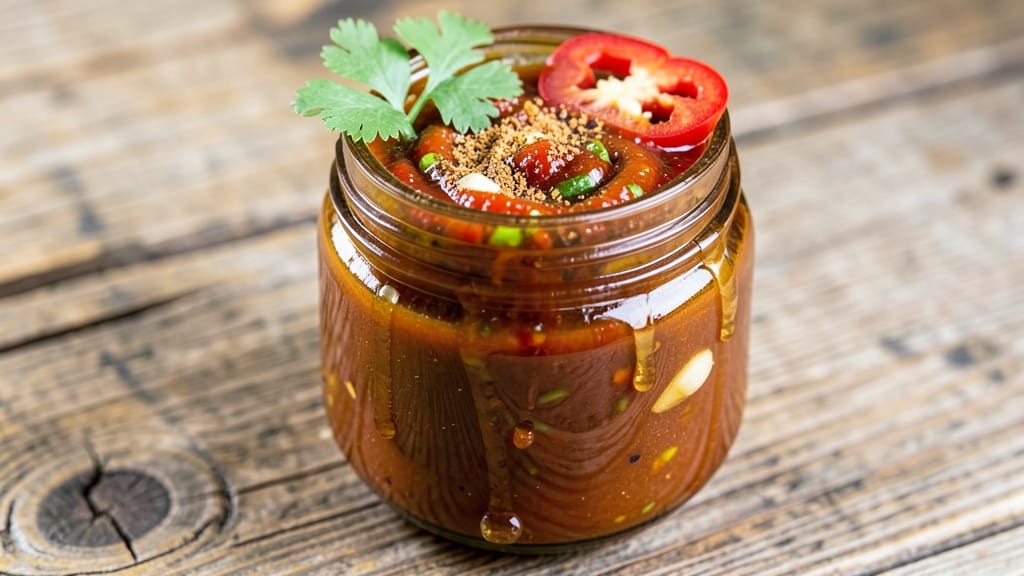
This apple habanero BBQ sauce recipe transforms smoky grill sessions into a sweet-spicy adventure that lingers on your tongue long after the last bite. 🔥 The secret lies in balancing crisp apple purée with habanero heat, creating a glaze that's bold enough for ribs but versatile enough for dipping or glazing.
I developed this recipe after years of experimenting with fruit-based BBQ sauces—finally nailing the perfect harmony between sweetness and fire.
The foundation starts with a rich tomato base, where apple purée adds natural sweetness while habanero peppers deliver a slow-building heat that doesn't overpower. A touch of vinegar brightens the flavors, and a blend of spices—smoked paprika, garlic, and onion powder—deepens the complexity.
Unlike traditional BBQ sauces, this one simmers just long enough to meld the ingredients into a glossy, clingy glaze without losing its vibrant colors.
What makes this sauce truly special is its dual personality: sweet enough to caramelize on grilled meats, yet spicy enough to stand up to bold flavors. The habanero's heat develops during simmering, creating layers of flavor that surprise with every use.
Whether you're slathering it on ribs, dipping chicken tenders, or glazing roasted vegetables, this sauce delivers restaurant-quality results with minimal effort.
Store it in the fridge for up to two weeks, or freeze for months—its versatility makes it a year-round staple. For those who prefer less heat, reduce the habanero slightly, or add a pinch of smoked salt to enhance the smoky depth. Let's get cooking!
Ingredients for apple habanero bbq sauce
Twelve ingredients blend fiery habanero with sweet apple for a BBQ sauce that caramelizes beautifully on grilled meats.
| Ingredient | Amount | Notes |
|---|---|---|
| Unsweetened Apple Purée 🍎 | ¾ cup | Homemade or store-bought, unsweetened |
| Habanero Peppers 🌶️ | 2 whole | Seeds removed for milder heat |
| Tomato Paste 🍅 | ½ cup | High-quality, no sugar added |
| Apple Cider Vinegar 🍏 | ¼ cup | For bright acidity balance |
| Smoked Paprika 🌶️ | 2 tbsp | For deep smoky flavor |
| Garlic Powder 🧄 | 1 tbsp | Freshly ground preferred |
| Onion Powder 🧅 | 1 tbsp | For aromatic depth |
| Cayenne Pepper 🔥 | ½ tsp | Adjust for preferred heat |
| Granulated Sugar 🍚 | 2 tbsp | Balances habanero heat |
| Extra-Virgin Olive Oil 🫒 | ¼ cup | For richness and gloss |
| Kosher Salt 🧂 | 1 tsp | Enhances all flavors |
| Black Pepper 🌶️ | ½ tsp | Freshly ground preferred |
The habanero peppers are the heart of this sauce, so choose fresh, firm peppers with vibrant color—avoid any with soft spots or wrinkles. Trader Joe's and Whole Foods carry excellent habaneros, but if you can't find them, fresh jalapeños with seeds removed work in a pinch. The apple purée should be unsweetened to avoid overpowering the sauce's natural balance. For the tomato paste, San Marzano tomatoes yield the best results, though any high-quality paste will suffice. Smoked paprika from Penzeys adds depth, but regular paprika works if that's what you have on hand.
No habanero peppers? Fresh jalapeños or serrano peppers can substitute, but reduce the amount to half and remove seeds for milder heat. Running low on apple cider vinegar? White vinegar or apple juice will work, though the flavor profile shifts slightly. The tomato paste is non-negotiable for body, but if you're out, crushed tomatoes blended into a paste can be used in a pinch. For a deeper smoky flavor, liquid smoke at one-quarter teaspoon can enhance the smoked paprika. The sugar is key to balancing the heat, but if you prefer less sweetness, reduce it to one tablespoon.
This sauce thickens as it cools, so store it in an airtight container with a thin layer of olive oil on top to preserve freshness. Keeps in the fridge for up to two weeks, though it often disappears faster. For long-term storage, freeze in ice cube trays—perfect for single-use portions. The sauce develops more complexity over time, so making a batch ahead of grilling season is highly recommended. If the sauce thickens too much, simply stir in a splash of water or apple juice to reach your desired consistency.
Why You'll Love This Recipe
- Five-Ingredient Magic: That’s all it takes—apple purée, habanero heat, a splash of vinegar, and you’ve got something that tastes like it simmered for hours. Honestly, the tomato paste thickens it so smoothly, you’ll wonder why you ever bothered with store-bought.
- Sweet Heat Balance: The habanero brings the fire, but the apple purée and cider vinegar cool it into something complex—like a spicy apple cider glaze. It’s the kind of sauce that makes you want to lick the spoon, even if you’re not supposed to.
- Weeknight BBQ Hack: Slather it on chicken, toss it with roasted veggies, or drizzle it over fries—it’s my go-to when I’m too tired for a full meal but still crave flavor. (Yes, even on a Tuesday night when takeout seems easier.)
- Stays Fresh Forever: Make a big batch—it keeps for weeks in the fridge, and the vinegar and smoked paprika preserve that tangy depth. I’ve used leftover sauce months later and it’s still better than anything from a bottle. Budget win.
Step-by-step instructions for apple habanero BBQ sauce
Master this bold sauce with precise technique and balanced flavors.
🍳 Step 1: Char and Purée the Habaneros
Cut the 2 whole habanero peppers in half lengthwise and remove seeds and membranes for milder heat. Place cut-side down on a dry skillet over medium-high heat. Char for 3-4 minutes until blackened in spots—this deepens the smoky, fruity flavor. Transfer to a bowl and cover with plastic wrap for 10 minutes to steam.
Once cooled enough to handle, scrape the charred flesh into a blender along with the 0.75 cup unsweetened apple purée. Add 0.25 cup apple cider vinegar and 2 tbsp granulated sugar. Blend until completely smooth, scraping down the sides as needed. The purée should be vibrant orange with no visible texture—this forms the sauce's fruity backbone.
🍳 Step 2: Build the Base with Tomato and Spices
In a medium saucepan over medium heat, combine the blended habanero mixture with 0.5 cup tomato paste. Stir constantly for 5 minutes until the paste dissolves completely and the mixture thickens slightly. This creates a rich, concentrated base that won't separate later.
Whisk in 2 tbsp smoked paprika, 1 tbsp garlic powder, 1 tbsp onion powder, 0.5 tsp cayenne pepper, 1 tsp kosher salt, and 0.5 tsp black pepper. The spices should bloom immediately, filling your kitchen with deep, aromatic warmth. Keep the heat at medium-low—you're not trying to cook the spices, just infuse them into the sauce.
🔥 Step 3: Simmer and Reduce for Depth
Pour in 0.25 cup extra-virgin olive oil and stir to emulsify. Increase heat to medium-high and bring to a gentle boil. Immediately reduce to medium-low and let simmer uncovered for 20-25 minutes, stirring occasionally. You're looking for a thick, glossy consistency that coats the back of a spoon—this means the alcohol from the vinegar has evaporated and the flavors have melded.
Taste and adjust seasoning: Add more salt if needed (the habaneros are salty) or sugar if the heat dominates. The sauce should balance fruity sweetness, smoky depth, and fiery heat—like biting into a caramel apple with a kick. If it's too thin, simmer uncovered for another 5-10 minutes to reduce further.
⏰ Step 4: Finish and Strain for Smooth Perfection
Remove from heat and let cool for 10 minutes. The sauce will thicken further as it rests—this is normal. Line a fine-mesh strainer with cheesecloth and strain the sauce into a clean bowl, pressing gently on the solids with a spoon. This removes any remaining skin or seeds for an ultra-smooth texture.
Return the strained sauce to the saucepan and simmer gently for 5 more minutes to restore thickness. For a glossy finish, whisk in 1 tablespoon of the reserved cooking liquid (if any remains) or a splash of water. The sauce should now coat a spoon completely and have a satiny sheen—this indicates proper emulsification from the olive oil.
🍽️ Step 5: Store and Use for Maximum Flavor
Transfer to sterilized glass jars and let cool completely. This sauce keeps for 3 weeks refrigerated or 6 months frozen. The flavors actually improve with time as the habanero's capsaicin mellows slightly. For best results, bring to room temperature before using—cold sauce can taste raw and thin.
Use within 2 weeks for optimal heat intensity. For grilling, brush on 15 minutes before cooking to prevent burning. For pulled pork, simmer the meat in the sauce for 30 minutes at the end to infuse every bite. The balance of apple's sweetness and habanero's heat makes this versatile for everything from ribs to roasted vegetables.
Pro Tips For Making Apple Habanero Bbq Sauce
- Simmer Low and Slow: The apple purée and habanero will fight you if you rush this—keep heat at a steady, gentle bubble (medium-low) after the initial blend. I learned this the hard way when my first batch turned into a sad, watery glaze instead of a thick, smoky sauce.
- Seed and Mince Habaneros: Remove seeds and membranes from habaneros first (wear gloves—this stuff burns), then finely mince them into tiny pieces. Big chunks mean uneven heat, and seeds make the sauce bitter. I was skeptical until I tried it—now I never skip this step.
- Balance the Vinegar Early: Add apple cider vinegar in two stages: half upfront to brighten the sauce, then the rest at the end to cut through any lingering sweetness. Skipping this means a cloying finish that’ll make your ribs taste like dessert.
- Use Tomato Paste as Thickener: Stir in the tomato paste last—it’s not just for color, but for binding the sauce into a glossy, spreadable consistency. I used to add it early, and the sauce always ended up grainy. Trust the process.
Common mistakes when making your apple habanero bbq sauce
Overcooking the Habanero
The habanero's natural oils can turn bitter if cooked too long, so never exceed 25 minutes of simmering. I once ruined a batch by letting it bubble away for 40 minutes—the sauce turned sharp and acrid.
Keep heat at medium-low and stir frequently to prevent scorching. If you need to reduce further, do it over low heat with the lid slightly ajar. 🌶️
Skipping the Char
Charred habaneros add smoky depth that raw peppers can't match. If you skip this step, your sauce will taste flat and one-dimensional. I learned this the hard way—my first batch lacked complexity.
For 3-4 minutes over direct heat is all you need. If your peppers aren't charring, your heat is too low. A gas flame works best for even charring. 🔥
Using Sweetened Apple Products
Sweetened apple sauce or apple juice will throw off the sauce's delicate balance. The extra sugar competes with your carefully measured 2 tbsp granulated sugar, making the habanero heat taste harsh.
Stick to unsweetened apple purée—it provides natural sweetness without overpowering. If you must use apple juice, reduce the sugar to 1 tbsp instead. 🍎
Ignoring the Straining Step
Straining removes skin and seeds that can make the sauce gritty. I once served a batch without straining, and guests complained about texture. Use cheesecloth for the smoothest results.
If you're short on time, a fine-mesh strainer works, but you'll need to press harder to remove all solids. This step also helps clarify the sauce's vibrant color. ✨
Not Balancing Flavors Properly
Taste as you go! The sauce should have equal parts sweetness, smokiness, and heat. If the habanero dominates, add 1 tsp more sugar or a splash of apple cider vinegar. Too sweet? Add a pinch of cayenne pepper or a squeeze of lemon juice.
I keep a small bowl of each adjustment ingredient nearby while cooking. The goal is harmony—like biting into a perfect caramel apple. 🍏
Storing Improperly
This sauce thickens as it cools, so store it in a glass jar with a loose lid to prevent pressure buildup. I once saw a jar explode in the fridge because the lid was too tight! Leave ½ inch of headspace and refrigerate within 2 hours of cooking.
For long-term storage, freeze in ice cube trays—they're perfect for single-use portions. The sauce keeps its vibrancy for 3 weeks refrigerated or 6 months frozen. ❄️
Nutrition facts
Frequently asked questions
Can I substitute fresh habanero peppers with powder?
Fresh habaneros are ideal for their aromatic depth, but you can use habanero powder in a pinch. Replace the 2 whole peppers with 1 teaspoon habanero powder and reduce the cayenne to ¼ teaspoon—the flavor will be more concentrated. For best results, add it during the simmering stage so the heat develops properly. The sauce will lack the smoky charred notes, but it'll still deliver that signature fiery kick!
How can I adjust the heat level for kids or sensitive eaters?
For milder heat, reduce the habanero to 1 pepper (seeds removed) and omit the cayenne entirely. If using powder, cut it to ½ teaspoon instead. The apple purée and sugar will naturally balance any remaining spice. For extra safety, serve the sauce on the side so everyone can control their portion. The sweetness will still shine through beautifully!
What's the best way to use this sauce on different meats?
For ribs and brisket, brush on 15 minutes before grilling to caramelize the sugars. For chicken or pork chops, use it as a marinade for 2-4 hours before cooking. When making pulled pork, simmer the meat in the sauce for the last 30 minutes to infuse every bite. The sauce also works as a dipping sauce for fries or wings—just thin it slightly with water if needed.
Why does my sauce look thin after refrigerating?
This is completely normal—the sauce thickens as it cools. If it's too thin for your liking, simmer it uncovered for 5-10 minutes to reduce further. For an instant fix, whisk in 1 teaspoon cornstarch mixed with 1 tablespoon water and cook for 2 minutes until thickened. The sauce should coat the back of a spoon—this indicates proper consistency for glazing.
Can I make this sauce without a blender?
Yes! If you don't have a blender, finely chop the charred habanero peppers and mix them with the apple purée, vinegar, and sugar. Use a food mill or potato ricer to create a smooth purée, then strain through a fine-mesh sieve to remove any remaining texture. The sauce will be slightly less silky but will still deliver that perfect sweet-spicy balance. The key is patience—just work the ingredients until smooth!