
Sauces & Condiments
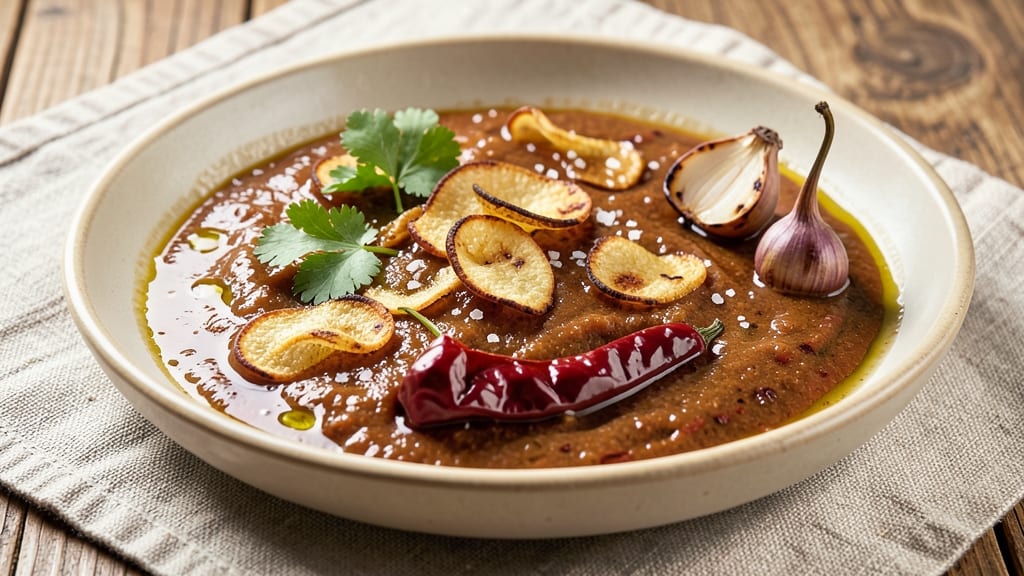
This apple chipotle sauce recipe transforms smoky chipotle heat into a sweet-tart glaze that works magic on wings, fries, and more. The secret lies in caramelizing apples first—creating a natural sweetness that balances the pepper’s bold kick while building depth through slow simmering.
What starts as a simple blend of fruit and spices becomes a complex, versatile sauce that elevates everything it touches.
Professional results come from three key techniques: peeling and dicing apples uniformly for even caramelization, simmering until reduced by half to concentrate flavors, and blending just until smooth to preserve texture.
The sauce’s versatility makes it perfect for glazing baked chicken, drizzling over crispy fries, or even marinating pork chops—each application delivers that perfect balance of smoky, sweet, and tangy.
What you’ll end up with is a glossy, aromatic sauce that clings beautifully to foods while delivering layers of flavor in every bite. The caramelized apple base adds natural sweetness that mellows the chipotle’s heat, creating a complex profile that’s both sophisticated and approachable.
With just 10 minutes of active prep and 20 minutes of simmering, this sauce transforms ordinary dishes into restaurant-worthy creations.
Store leftovers in an airtight container in the refrigerator for up to two weeks, or freeze for three months—making it ideal for meal prep.
The sauce’s flexibility means you can adjust the heat level by adding more chipotle or sweetness with extra apple, ensuring it works perfectly for your taste preferences and culinary needs.
Ingredients for apple chipotle sauce
Sweet apples and smoky chipotle create a versatile sauce that transforms wings, fries, and more.
| Ingredient | Amount | Notes |
|---|---|---|
| Apples (Honeycrisp or Granny Smith) 🍎 | 2 lb | Peeled, diced into uniform 1/4-inch pieces |
| Chipotle Peppers in Adobo Sauce 🌶️ | 2 whole | Canned, minced for even distribution |
| Apple Cider Vinegar 🍏 | ¼ cup | For tangy brightness and balance |
| Brown Sugar 🍚 | ½ cup | Packed for deeper caramelization |
| Extra-Virgin Olive Oil 🫒 | ¼ cup | High-quality for rich finish |
| Garlic Cloves 🧄 | 4 cloves | Minced for aromatic depth |
| Ground Cinnamon 🌿 | ½ tsp | For subtle warmth and complexity |
| Salt 🧂 | 1 tsp | Diamond Crystal preferred |
| Fresh Lime Juice 🍋 | 2 tbsp | Freshly squeezed for zesty finish |
| Water 💧 | ¼ cup | For simmering and thinning |
The apples are the foundation—Honeycrisp or Granny Smith work best because their balance of sweetness and tartness mirrors the sauce’s profile. Buy organic if possible to avoid wax, and peel them thoroughly to prevent bitterness during caramelization. I always grab apples from Whole Foods or a local orchard when in season, but the grocery store’s Honeycrisp holds up well too. The chipotle peppers in adobo sauce are non-negotiable for authentic smokiness—avoid the powdered versions, which lack depth. For extra heat, add an extra pepper, but start with two to balance the sweetness. The apple cider vinegar adds that signature tang that makes this sauce shine.
No Honeycrisp apples? Fuji or Braeburn are solid substitutes—they caramelize well and hold their shape. Short on chipotle peppers? Substitute smoked paprika at half the amount, but you’ll lose some of that deep, smoky complexity. The brown sugar can be swapped for maple syrup or agave nectar (reduce by 1 tbsp) if you’re avoiding refined sugar. Fresh lime juice is ideal, but bottled works in a pinch—just add a pinch of salt to compensate for the lack of freshness. For a smoother texture, strain the sauce after simmering, but I prefer the rustic look of blended bits, especially when drizzling over fries or wings.
This sauce keeps beautifully—two weeks in the fridge or three months in the freezer. Store it in an airtight container, and if it thickens, just add a splash of water or apple cider vinegar to loosen it. The flavor actually improves after a day or two as the ingredients meld. I like to make a big batch and freeze it in ice cube trays for easy single-use portions. Perfect for meal prep, especially since it reheats beautifully—just warm it gently on the stove or microwave. The sauce’s versatility means it’s always on hand for last-minute glazes or marinades.
Why You'll Love This Recipe
- Five-Ingredient Magic: I swear, this sauce comes together with just a knife, a pot, and 10 minutes of stirring. No fancy gadgets—just apples, chipotle, and a splash of vinegar. Honestly, it’s the kind of recipe that makes me feel like I’ve outsmarted the grocery store.
- Sweet Heat Balance: That first bite of tangy-sweet with a slow-building smoky kick? Chef’s kiss. The Granny Smith’s sharpness cuts through the chipotle’s fire, while the brown sugar rounds it out—like autumn in a jar. I’ll be real: my kids ask for it on tacos and toast.
- Dresses Up Anything: Slather it on grilled chicken, drizzle it over roasted veggies, or toss it with quinoa—this sauce turns boring meals into “I actually cooked tonight” moments. Between us, it’s my go-to for game day snacks or lazy Sunday breakfasts. (Yes, even on a Tuesday night.)
- Stays Fresh for Days: Make a big batch on Sunday, and you’ll still have leftovers when Wednesday rolls around. The vinegar keeps it from spoiling, and the olive oil adds richness that doesn’t go rancid. Plus, it’s cheaper than buying specialty sauces—my wallet thanks me every time.
Step-by-step instructions for apple chipotle sauce
Let's create a bold, caramelized sauce that balances sweet apple, smoky chipotle, and bright acidity.
Caramelize the Apples and Build the Base
Heat the 0.25 cup extra-virgin olive oil in a heavy-bottomed saucepan over medium heat. Add the 2 lb peeled, diced apples and cook for 8-10 minutes, stirring occasionally, until they begin to soften and release their juices. You'll notice the apples darken slightly at the edges—that's the caramelization starting.
Once the apples are tender but still hold their shape, add the 0.5 cup packed brown sugar and 0.5 tsp ground cinnamon. Stir well to coat the apples completely. Let this mixture cook for another 5 minutes until the sugar begins to dissolve and the apples release even more liquid. This step develops the sauce's signature sweet-smoky depth.
Incorporate Aromatics and Acid
Push the apple mixture to one side of the pan and add the 4 minced garlic cloves to the empty space. Sauté for 30 seconds until fragrant—you'll smell that unmistakable garlic aroma. Then, add the 2 whole minced chipotle peppers in adobo sauce and stir to combine with the garlic.
Pour in the 0.25 cup apple cider vinegar and 0.25 cup water, scraping up any browned bits from the bottom of the pan. These bits are packed with flavor, so don't miss them. Let the mixture simmer for 3-4 minutes until the vinegar's sharpness mellows and the chipotle peppers begin to soften, releasing their smoky essence throughout the sauce.
Simmer and Thicken the Sauce
Reduce the heat to low and stir in the 1 tsp salt. Let the sauce simmer uncovered for 15-20 minutes, stirring occasionally, until it thickens to a glossy consistency. You're looking for a sauce that coats the back of a spoon but still flows smoothly. If it thickens too quickly, add 1-2 tablespoons of water to maintain the right balance.
During this time, the apples will break down further, creating a rich, jammy texture. The sauce should smell complex—sweet from the apples and brown sugar, smoky from the chipotle, with a warm cinnamon undertone. Taste it now; if you want more heat, add a pinch more chipotle, or if it needs brightness, squeeze in 1 tbsp of the fresh lime juice now.
Finish with Lime and Adjust Consistency
Once the sauce reaches your desired thickness, remove it from the heat and stir in the remaining 1 tbsp fresh lime juice. This final touch brightens the flavors and balances the sweetness with a tangy finish. Let the sauce rest for 5 minutes—this allows the flavors to meld and the sauce to thicken slightly more off the heat.
If the sauce is too thick for your liking, thin it with a splash of water or apple cider vinegar. For a smoother texture, strain it through a fine-mesh sieve, pressing gently on the solids to extract all the flavor. The sauce should be versatile enough to drizzle over wings, fries, or even tacos, delivering that perfect mix of sweet, smoky, and tangy notes.
Pro Tips For Making Apple Chipotle Sauce
- Peel and Dice Small: Cut apples into ¼-inch cubes instead of chunks—smaller pieces soften faster and blend smoothly without gummy texture. I used to leave them too big, and they’d turn to mush or stay stubbornly raw in the sauce.
- Toast the Adobo: Heat the chipotle peppers in adobo over medium-low for 2–3 minutes before blending—this deepens their smoky flavor without burning. Skipping this step means you’re missing that rich, caramelized depth that makes the sauce sing.
- Simmer, Don’t Boil: Keep the sauce at a gentle simmer (tiny bubbles, occasional swirls) for 10–12 minutes after blending—this lets the flavors meld without turning the apples into glue. I learned this after one batch turned into a sticky mess from aggressive heat.
- Strain the Vinegar: Pour apple cider vinegar through a fine-mesh strainer before adding it to the sauce—this removes sediment that can make the sauce cloudy or gritty. It’s a tiny step, but it makes the final product look (and taste) polished.
Common mistakes when making perfect results
Over-Simmering Apples
Don’t let those apples turn into mush! If you simmer them too long before adding sugar, they’ll break down completely, turning your sauce into a thick, unappetizing jam. I’ve ruined more than one batch by walking away mid-cook—always keep an eye on them.
Once the apples are tender but still hold their shape (about 8-10 minutes), it’s time to add the sugar. Overcooked apples will make your sauce cloyingly sweet and lose that perfect jammy texture we want. 🍎
Skipping the Vinegar
The apple cider vinegar isn’t just for tang—it’s the secret to balancing all those rich, sweet, and smoky flavors. If you forget it or use too little, your sauce will taste flat and one-dimensional.
I once made a batch without it and was shocked at how dull the final product was. Start with the ¼ cup called for, then adjust to taste—just don’t skip it entirely! The acidity cuts through the sweetness and makes the chipotle’s heat pop. 🍋
Using Powdered Chipotle
Powdered chipotle is a common shortcut, but it lacks the deep, smoky complexity of fresh minced peppers in adobo. The canned peppers in adobo sauce have a rich, smoky flavor that powder can’t replicate.
If you’re in a pinch, use ½ tsp smoked paprika as a substitute, but expect a milder result. For the best flavor, always use the whole peppers—it’s worth the extra step. The adobo sauce also adds a subtle tang that enhances the overall balance of the sauce. 🌶️
Ignoring the Resting Time
Rushing to serve the sauce right after cooking is a big mistake. Letting it rest for 5 minutes off the heat allows the flavors to meld and the sauce to thicken slightly, creating a more cohesive texture.
I’ve seen people pour it over food immediately, only to end up with a runny, uneven glaze. Patience here makes all the difference—trust me, it’s worth the wait! The resting time also lets the lime juice integrate fully, brightening the sauce without overpowering it. ⏳
Not Adjusting Heat or Sweetness
Every batch of this sauce is different, so don’t be afraid to tweak it to your taste. If the heat is too mild, add a pinch more chipotle or a dash of cayenne. If it’s too sweet, balance it with extra vinegar or lime juice.
I’ve had batches that needed both adjustments—it’s all about finding that perfect harmony. Taste as you go, especially during the final 15-20 minute simmer. The goal is a sauce that’s complex, not one-note. 🔥
Using Low-Quality Ingredients
This sauce shines when made with high-quality ingredients. Cheap apples, low-grade olive oil, or generic spices will make the final product taste bland or off. Invest in Honeycrisp or Granny Smith apples, extra-virgin olive oil, and Penzeys spices for the best results.
I’ve noticed a huge difference when I use organic apples and fresh lime juice—it’s worth the extra cost for a restaurant-quality sauce. Don’t skimp on the basics! 💡
Nutrition facts
Frequently asked questions
Can I make this sauce without apples?
The apples are essential for creating that signature caramelized sweetness that balances the smoky chipotle heat. However, if you're avoiding fruit, you could substitute with ½ cup unsweetened applesauce or ½ cup caramelized onions for a similar depth of flavor—though the texture will be slightly different.
How spicy will this sauce be?
The sauce has a moderate heat level from two chipotle peppers, but you can easily adjust it. For milder heat, remove the seeds and membranes first. For extra kick, add ½ tsp cayenne pepper or an extra chipotle. The sweetness from the apples helps mellow the spice naturally.
What are the best ways to use this sauce?
This versatile sauce works as a glaze for baked chicken wings, a dip for fries or pretzels, or a marinade for pork chops or tofu. It also shines as a topping for tacos, grilled corn, or even drizzled over ice cream for a sweet-spicy dessert twist!
Can I make this sauce in a slow cooker?
Yes! Combine all ingredients in your slow cooker and cook on low for 4-5 hours, stirring occasionally. The slow cooking enhances the caramelization, but you may need to add 1-2 tablespoons of water if it gets too thick. Just be sure to reduce the water slightly at the end for the right consistency.
How do I store leftovers?
Transfer to an airtight container and refrigerate for up to 2 weeks, or freeze for 3 months. To reheat, warm gently on the stove over low heat or microwave in 30-second bursts, stirring between each. The texture may thicken slightly when refrigerated—just add a splash of water or vinegar to loosen.