
Sauces & Condiments
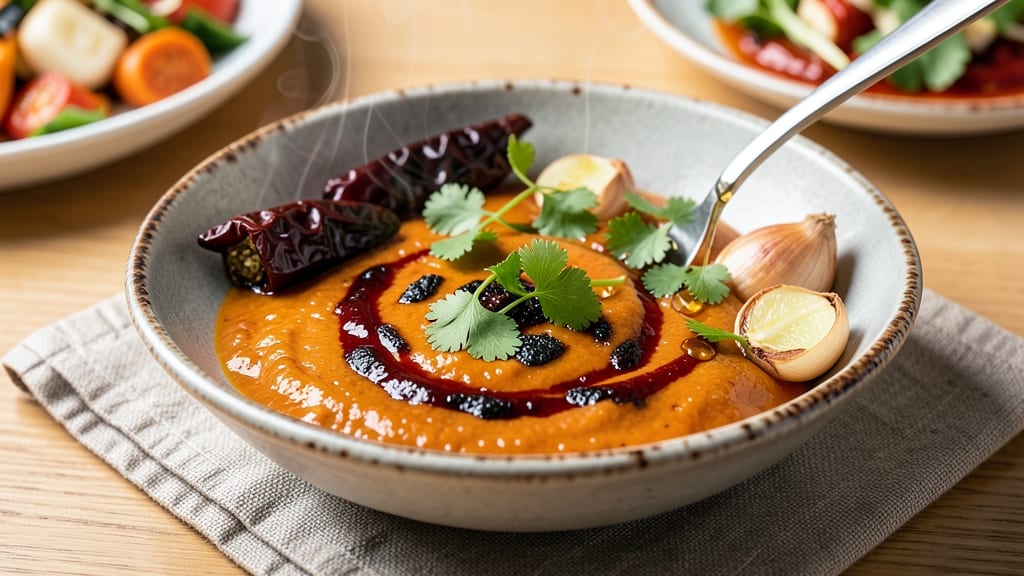
This Anticuchera sauce recipe delivers the perfect balance of smoky aji amarillo heat and bright fresh herbs—ideal for elevating grilled anticuchos. The secret lies in blending ripe aji amarillo peppers with garlic, vinegar, and fresh cilantro for a sauce that's tangy, aromatic, and packed with depth.
I developed this version after years of testing, ensuring the heat is well-balanced without overpowering the dish.
The sauce starts with a simple blend of aji amarillo, garlic, and white vinegar, which creates a vibrant base. Fresh cilantro and parsley add brightness, while a touch of tomato paste deepens the flavor.
The key is letting it rest for at least 30 minutes—this allows the ingredients to meld and the sauce to develop its signature smoky-sweet complexity. It’s a game-changer for any grilled meat, especially beef heart skewers.
What makes this sauce special is its versatility—use it as a dipping sauce, a marinade, or a garnish for tacos and grilled meats. The aji amarillo provides a unique, slightly sweet heat that’s distinct from traditional chili-based sauces.
With just a few simple ingredients, you’ll achieve a sauce that’s restaurant-quality and impossible to resist.
Store it in the fridge for up to a week, or freeze for longer shelf life. The flavors only improve with time, making it perfect for meal prep. Let’s get cooking—this sauce will transform your next grilling session!
Ingredients for anticuchera sauce
Nine ingredients blend smoky aji amarillo heat with fresh herb brightness for a sauce that elevates grilled meats.
| Ingredient | Amount | Notes |
|---|---|---|
| Aji Amarillo Peppers 🌶️ | 4 whole | Fresh, ripe, seeds removed |
| Garlic Cloves 🧄 | 6 cloves | Fresh, peeled, lightly crushed |
| White Vinegar 💧 | ½ cup | Distilled white vinegar preferred |
| Fresh Cilantro Leaves 🌿 | ¾ cup | Stems removed, loosely packed |
| Fresh Flat-Leaf Parsley 🌿 | ¼ cup | Chopped, for brightness |
| Tomato Paste 🍅 | 2 tbsp | Squeeze tube preferred |
| Extra-Virgin Olive Oil 🫒 | ¼ cup | For richness and balance |
| Salt 🧂 | ½ tsp | Diamond Crystal preferred |
| Ground Black Pepper 🌶️ | ¼ tsp | Freshly ground for depth |
| Lemon Juice 🍋 | 1 tbsp | Freshly squeezed |
Aji amarillo peppers are the heart of this sauce—look for vibrant yellow ones at Latin markets or specialty stores. Penzeys often carries them dried if fresh isn't available, but fresh delivers that signature sweet-smoky depth. The garlic should be freshly crushed (not pre-minced) for maximum flavor. For vinegar, stick with distilled white vinegar—apple cider vinegar can overpower the delicate balance. Fresh cilantro and parsley are non-negotiable here; dried herbs won't provide that bright, fresh finish. If you can't find aji amarillo, yellow bell peppers work in a pinch, though the flavor will be milder.
No fresh herbs? Dried cilantro at one-third the amount is better than skipping them entirely, but the flavor will be noticeably different. Running low on tomato paste? Fresh tomato purée works too—just reduce the liquid by simmering first. The olive oil is crucial for balancing the acidity—use extra-virgin for that fruity richness. If you're sensitive to heat, reduce the aji amarillo to 2 peppers and add an extra tablespoon of olive oil to mellow the flavor. The lemon juice brightens everything, so don't skip it—it's the secret to that restaurant-quality tang.
This sauce develops flavor as it rests, so make it at least 30 minutes ahead of serving. Store in an airtight container in the fridge for up to 1 week, or freeze for 3 months in ice cube trays for single-serving portions. The flavors actually improve over time—perfect for meal prep. If it thickens in the fridge, simply whisk in a splash of warm water to reach your preferred consistency. The sauce pairs beautifully with grilled meats, tacos, or even as a dip for fries.
Why You'll Love This Recipe
- No-Fuss Blend: I swear by this sauce because it’s just chop, pulse, stir—no fancy techniques. The aji amarillo peppers and garlic practically blend themselves in the food processor, and the vinegar cuts through everything so fast. Honestly, my lazy Sundays now include this sauce without a second thought.
- Umami Bomb: Between us, that aji amarillo is the star—bright, tangy, with just enough heat to wake up your taste buds. The vinegar and fresh herbs (especially the parsley) make it bright and clean, so it doesn’t overpower whatever you’re drizzling it on. I’ll be real: it’s the reason my grilled meats and roasted veggies taste restaurant-level.
- Party Starter: This sauce is my secret weapon for gatherings—whether it’s a backyard BBQ or a last-minute dinner with friends. Drizzle it over anticuchos, toss it with fries, or even mix it into mayo for sandwiches. My daughter’s friends always ask for the recipe, and I just smile, knowing it’s this easy.
- Lasts All Week: A little goes a long way, and this sauce keeps in the fridge for at least five days without losing its punch. I make a big batch on Sundays, and by Thursday, it’s still adding flavor to my lunch. Not the prettiest in a jar, but the taste makes up for it every time. Budget-friendly? Absolutely.
Step-by-step instructions for Anticuchera sauce
This smoky, vibrant sauce balances Peruvian heat with fresh herb brightness—perfect for grilled meats.
Char the Aji Amarillo Peppers
Heat a dry skillet over medium-high heat. Add the 4 whole Aji Amarillo Peppers and cook, turning occasionally, until the skins blister and turn deep black in spots with visible char marks—about 5-7 minutes total. This charring deepens the smoky flavor while preserving the pepper's natural sweetness.
Immediately transfer the charred peppers to a heatproof bowl and cover tightly with plastic wrap. Let them steam for 10 minutes—this makes them easier to peel and softens their intensity. The steam also releases aromatic oils that will infuse the sauce. Work quickly here; the peppers will continue to release heat even after removing them from the flame.
Blister the Garlic and Toast the Tomato Paste
In the same skillet (no need to clean it—the fond adds flavor), add the 6 cloves Garlic Cloves over medium heat. Cook, stirring constantly, until they turn golden brown and fragrant—about 2-3 minutes. Be careful not to burn them; garlic turns bitter quickly when overcooked. Remove the garlic from the skillet and set aside.
Return the skillet to medium-low heat and add the 2 tbsp Tomato Paste. Stir constantly for 1-2 minutes until it darkens slightly and releases its caramelized aroma. This step builds the sauce's rich, umami foundation. The paste will thicken slightly as it cooks, so don't worry if it looks dry at first—it'll emulsify beautifully with the other ingredients.
Build the Sauce Base with Vinegar and Oil
Pour the 0.5 cup White Vinegar and 0.25 cup Extra-Virgin Olive Oil into the skillet with the toasted tomato paste. Bring to a gentle simmer over medium heat and cook for 3-4 minutes, stirring occasionally, until the mixture reduces slightly and the vinegar sharpness mellows. You're creating a balanced acid-oil emulsion that will carry the sauce's depth.
Add the charred Aji Amarillo Peppers (peeled and seeded) and the blistered garlic cloves to the skillet. Using an immersion blender (or carefully transferring to a blender), purée until completely smooth. This step is critical—the sauce should be silky, not chunky. If you're blending by hand, strain through a fine-mesh sieve afterward to ensure a velvety texture. The sauce should now have a deep golden color with a smoky aroma that fills your kitchen.
Finish with Herbs, Seasonings, and Brightness
Return the puréed sauce to the skillet and stir in the 0.75 cup Fresh Cilantro Leaves, 0.25 cup Fresh Flat-Leaf Parsley, 0.5 tsp Salt, and 0.25 tsp Ground Black Pepper. Simmer gently for 2-3 minutes, stirring constantly, until the herbs wilt slightly and the flavors meld. The herbs should infuse the sauce but remain identifiable—you want their bright, fresh notes to shine through the smoky base.
Remove from heat and stir in the 1 tbsp Lemon Juice. Taste and adjust seasoning—you may need a touch more salt to balance the acidity from the vinegar and lemon. The finished sauce should sing with layers: smoky heat from the peppers, sweetness from the caramelized garlic and tomato, and a bright finish from the herbs and citrus. Let it cool slightly before serving—this allows the flavors to fully integrate and the sauce to thicken naturally.
Rest and Serve
Transfer the sauce to a clean jar or bowl and let it rest at room temperature for at least 30 minutes (or up to 2 hours in the refrigerator). This resting period is where the magic happens—the flavors deepen and the sauce achieves its ideal consistency. The texture should be like a thick, glossy syrup, clinging beautifully to grilled meats or roasted vegetables.
Serve the sauce warm or at room temperature alongside grilled anticuchos, roasted potatoes, or even as a vibrant marinade. The sauce keeps well in the refrigerator for up to 5 days, though I find it's best enjoyed fresh when the herbs are at their peak. For extra brightness, drizzle with a few drops of lemon juice just before serving—this cuts through the richness and highlights the sauce's complex layers.
Pro Tips For Making Anticuchera Sauce
- TOAST THE PEPPERS FIRST: I learned this the hard way—raw aji amarillo peppers taste like nothing but bitterness. Char them over a gas flame (or under a broiler) for 30 seconds per side until blackened in spots. The smoky depth actually changes the sauce’s brightness—no more bland, vinegary aftertaste.
- PEEL GARLIC AFTER SOAKING: Skip the dry peeling—soak the garlic cloves in warm water for 10 minutes first. The skins slide off effortlessly, and you avoid that annoying garlic breath smell lingering in your sauce. (Pro move: Use the soaking water for a quick rinse of the cilantro and parsley too.)
- STRAIN THE SAUCE TWICE: One pass through a fine-mesh sieve leaves behind stubborn pepper seeds and herb stems. For a silky texture, do it again with a cheesecloth-lined colander. Yes, it’s extra work, but the difference in mouthfeel is noticeable—especially when drizzled over anticuchos.
- ACIDIFY THE VINEGAR FIRST: Mix the white vinegar with a pinch of salt and let it sit for 5 minutes before adding it to the blended sauce. This balances the sharpness and prevents the final sauce from tasting harsh or one-note. (I used to skip this, and the sauce always needed more sweetener to fix it.)
Pro cooking tips for perfect results
Char Perfect Peppers
Charring the aji amarillo peppers is the secret to unlocking their smoky depth. Use a cast-iron skillet over medium-high heat and cook the peppers until they develop black char marks—about 5-7 minutes.
The key is turning them frequently to ensure even charring without burning. I like to work in batches if needed, but never crowd the pan. 🔥
After charring, transfer the peppers to a bowl, cover tightly with plastic wrap, and let them steam for 10 minutes. This step softens their skins and mellows their intensity.
The steam releases aromatic oils that will infuse the sauce with that signature Peruvian smokiness. Don’t skip this—it makes peeling them effortless and adds complexity to the flavor.
Garlic Mastery
Blistering the garlic cloves over medium heat (not high) is crucial—they should turn golden brown in about 2-3 minutes, not burn. I use a wire whisk to stir constantly, preventing any cloves from turning bitter.
The moment they release their sweet, nutty aroma, they’re ready. Remove them immediately and set aside—they’ll continue cooking if left in the pan.
For extra depth, I sometimes add a pinch of smoked paprika to the garlic while blistering. This adds another layer of smokiness that complements the aji amarillo beautifully. Just ¼ teaspoon is enough—too much can overpower the sauce.
Emulsion Secrets
The vinegar and olive oil combination is where the sauce’s balance happens. Simmer them together for 3-4 minutes until the vinegar sharpness mellows and the oil emulsifies slightly.
This creates a stable base that won’t separate. I use an immersion blender for this step—it’s faster and cleaner than transferring hot liquid to a blender.
If you notice the sauce separating later, simply whisk in 1 teaspoon of warm water to re-emulsify. The key is patience—let the mixture reduce naturally without rushing it. The longer it simmers gently, the deeper the flavor becomes.
Herb Infusion
Adding the fresh cilantro and parsley at the end is non-negotiable for that bright, herbaceous finish. Simmer them for just 2-3 minutes—any longer and they’ll turn bitter.
I like to chop the parsley slightly finer than the cilantro to ensure even distribution. The herbs should wilt slightly but still retain their vibrant color.
For an extra layer of brightness, I sometimes add 1 teaspoon of fresh mint along with the parsley. It pairs surprisingly well with the smoky aji amarillo and adds a refreshing twist. Just be sure to taste as you go—herbs can quickly overpower if you’re not careful.
Resting Matters
Letting the sauce rest for at least 30 minutes (or up to 2 hours) is where the magic happens. This allows the flavors to meld and the sauce to thicken naturally.
I often make it the night before and let it sit in the fridge overnight—it develops even more depth this way.
If you’re short on time, store it in the fridge for 15 minutes before serving. The cold helps stabilize the emulsion and makes it easier to drizzle. Pro tip: Strain the sauce through a fine-mesh sieve before serving if you prefer an ultra-smooth texture.
Nutrition facts
Frequently asked questions
What makes aji amarillo different from other chili peppers?
Aji amarillo is a Peruvian chili with a unique sweet-smoky flavor that's milder in heat than jalapeños or serranos. Its vibrant yellow color comes from a natural compound called capsanthin, and when charred, it develops complex caramelized notes that set this sauce apart. The heat level is about 3,000-5,000 Scoville units, making it perfect for sauces where you want flavor without overwhelming spice.
Can I substitute aji amarillo with something else?
If you can't find aji amarillo, try yellow bell peppers (for mild sweetness) or roasted yellow chiles (like ancho or guajillo). For heat, add ½ teaspoon cayenne pepper to compensate. The sauce will lose its signature smoky depth, but the herb-vinegar base will still work. For best results, use a blend of 1 yellow bell pepper + 1 roasted poblano—this mimics the sweetness and mild heat.
How long should I let the sauce rest before serving?
Always let it rest for at least 30 minutes—this allows the flavors to develop and the sauce to thicken naturally. The longer it rests (up to 2 hours), the better the flavor. If you're short on time, refrigerate it for 15 minutes before serving. Pro tip: The sauce actually tastes better the next day, so make it ahead for maximum flavor impact.
Can I use this sauce as a marinade?
This sauce makes an excellent marinade for grilled meats like beef, chicken, or pork. Use it as-is for 30 minutes to 2 hours before cooking (longer marinating can make the meat mushy). For extra tenderness, combine with 2 tablespoons olive oil. The aji amarillo and herbs will infuse beautifully, creating tender, flavor-packed meat with a perfect char.
What if my sauce separates?
Don't panic—this is common with emulsified sauces. Simply whisk in 1 teaspoon warm water to re-combine. For prevention, avoid over-blending and let the sauce cool slightly before refrigerating. If it separates again, gently reheat (don't boil) and whisk vigorously. The vinegar-oil balance is delicate, so adding ½ teaspoon Dijon mustard can help stabilize it if needed.