
Sauces & Condiments
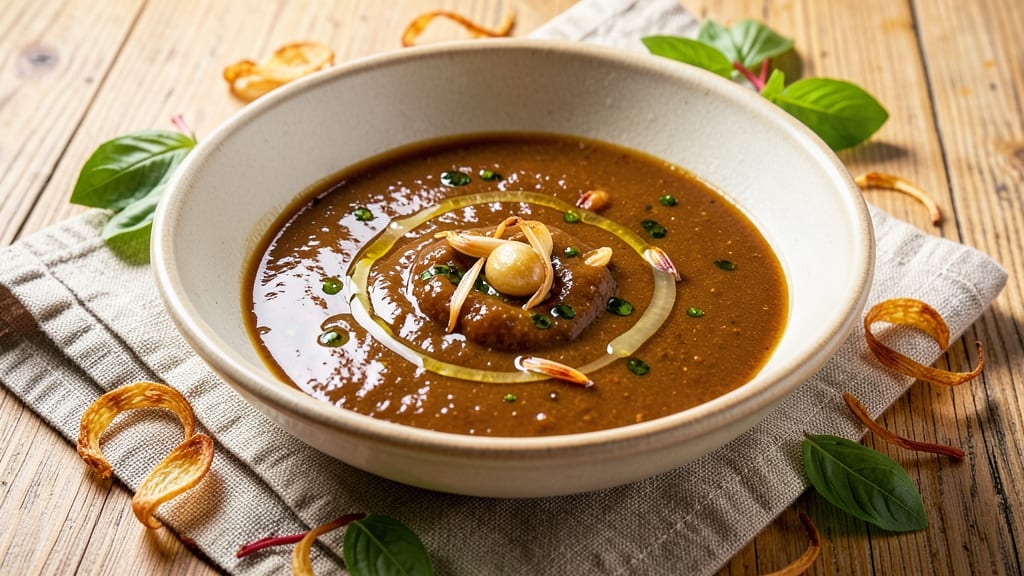
Annie Chun's Pad Thai sauce delivers that signature tangy-sweet balance with crispy garlic bits that make every bite irresistible. The secret lies in tamarind paste, fish sauce, and palm sugar—simmered together until perfectly harmonized.
I've replicated this restaurant-quality sauce at home, and the difference is night and day compared to store-bought versions.
What sets this sauce apart is the crispy garlic technique—pan-frying whole garlic cloves until golden before crushing them into the sauce adds depth and texture. The tamarind paste provides that signature tang, while fish sauce and palm sugar create the perfect sweet-savory balance.
It's a sauce that transforms simple noodles into a restaurant-worthy dish.
Simmering the sauce reduces it to the ideal consistency—thick enough to coat noodles but still pourable. The result is a glossy, aromatic sauce with layers of flavor that cling to every strand of noodle.
This isn't just a sauce; it's the heart of your Pad Thai experience, ready to elevate any dish.
Store it in the fridge for up to 2 weeks, or freeze for longer shelf life. The flavors only deepen over time, making this a sauce worth making in batches.
Whether you're serving it over fresh rice noodles or using it as a marinade, this sauce delivers professional-quality results every time.
Ingredients for annie chun's pad thai sauce
Nine ingredients transform into that iconic tangy-sweet Pad Thai sauce you crave.
| Ingredient | Amount | Notes |
|---|---|---|
| Tamarind Paste 🍯 | ½ cup | Use block form, dissolved in warm water |
| Fish Sauce 🐟 | ⅓ cup | Red Boat preferred for quality |
| Palm Sugar 🍬 | ¼ cup | Or substitute brown sugar |
| Garlic Cloves 🧄 | 6 whole | Unpeeled for crispy bits |
| Extra-Virgin Olive Oil 🫒 | ¼ cup | For pan-frying garlic |
| Rice Vinegar 🍶 | ¼ cup | White or seasoned |
| Soy Sauce 🥢 | ¼ cup | Use light soy sauce |
| Water 💧 | 1 ½ cups | For dissolving tamarind |
| Salt 🧂 | 1 tsp | Adjust to taste |
| White Pepper 🌶️ | ¼ tsp | For subtle heat |
The tamarind paste is non-negotiable here—Thai Kitchen brand works best, but any block form will do. Grab it at Asian markets or the international aisle at Whole Foods. For the fish sauce, Red Boat is my go-to, but Squanido from Trader Joe's is a solid budget pick. The garlic needs to be crispy, so don't skip the pan-frying step. Use whole cloveslight brown sugar works in a pinch if you can't find it at World Market.
No tamarind paste? Lime juice plus 1 tbsp molasses gets you close, though the tang won't be identical. Short on fish sauce? Soy sauce plus a pinch of sugar mimics some of the umami. Want to skip the palm sugar? Honey or maple syrup works, but the flavor profile shifts slightly. The crispy garlic is the star—if you burn it, start over. For extra authenticity, add a dash of shrimp paste (optional but recommended). The sauce should coat the back of a spoon but still be pourable—adjust water as needed.
This sauce keeps beautifully in the fridge for 2 weeks, with flavors deepening over time. For longer storage, freeze in ice cube trays—perfect for single-use portions. The crispy garlic bits stay crisp for about 5 days in the fridge, so make fresh batches if you're freezing. Double the recipe and freeze half—you'll thank me when you're craving Pad Thai on a lazy night. Store in an airtight container with parchment between layers to prevent sticking.
Why You'll Love This Recipe
- Five-Ingredient Magic: I swear, this sauce comes together with just a pan, a spoon, and five ingredients—no blender, no straining, no stress. That tangy tamarind and fish sauce combo? It’s the backbone of something restaurant-worthy without the fuss.
- Umami Bomb: The moment you toast those garlic cloves in olive oil and let the fish sauce sing? Chef’s kiss. It’s salty, sweet, and funky all at once—like a flavor party in your mouth, and it’s ready in 10 minutes flat.
- Leftovers That Shine: Make a double batch and store it in the fridge. Drizzle it over noodles, toss it with shrimp, or even glaze chicken—it’s the secret weapon that turns simple meals into "I went out for Thai" vibes. (Yes, even on a Tuesday night.)
- Budget-Friendly Flex: Tamarind paste and palm sugar last forever, and a little fish sauce goes a long way. This isn’t just a sauce; it’s my wallet’s new best friend. Plus, it’s way cheaper than takeout, but honestly? You won’t even miss it.
Step-by-step instructions for Annie Chun's Pad Thai sauce
Here's how to create that signature tangy, slightly sweet sauce with perfect crispy garlic bits.
Dissolve the Tamarind Paste
In a medium saucepan, combine the 0.5 cup tamarind paste with 1.5 cups water over medium-low heat. Stir constantly until the tamarind completely dissolves and the mixture becomes smooth—this should take about 5 minutes. You'll notice the color deepen to a rich amber hue as the paste integrates. If you encounter any undissolved lumps, strain the mixture through a fine-mesh sieve to ensure a silky texture. This step is crucial because undissolved tamarind will create graininess in your final sauce.
While the tamarind dissolves, I like to taste the mixture occasionally. It should be intensely sour and slightly sticky. If it tastes too acidic for your preference, you can balance it later with the palm sugar. The tamarind is the heart of this sauce, so don't rush this step—proper dissolution ensures the perfect balance of flavors in your finished sauce.
Add Sugar, Vinegar, and Soy Sauce
Once the tamarind is fully dissolved, reduce the heat to low and add the 0.25 cup palm sugar, 0.25 cup rice vinegar, and 0.25 cup soy sauce. Stir well to combine, and let the mixture simmer gently for 8-10 minutes. You'll see the sugar begin to caramelize slightly, deepening the sauce's color to a beautiful golden-brown. This simmering process helps integrate all the flavors and reduces the mixture enough to create a concentrated base for your sauce.
Here's the thing—you want the sauce to be thick enough to coat noodles but still flow smoothly. If it starts to thicken too much during simmering, you can add 1-2 tablespoons of water to maintain the right consistency. Taste the mixture after 5 minutes of simmering. It should be a perfect balance of sweet, sour, and salty. If it needs more sweetness, add a pinch more palm sugar. If it's too sweet, you can add a tiny bit more rice vinegar to brighten the flavor.
Infuse with Fish Sauce and Seasonings
Remove the saucepan from heat and let it cool slightly for 2-3 minutes. Then, stir in the 0.33 cup fish sauce, 1 tsp salt, and 0.25 tsp white pepper. The fish sauce adds that signature umami depth that makes this sauce so addictive. I like to add the fish sauce gradually, tasting as I go, to ensure I don't overpower the other flavors. The white pepper adds a subtle warmth that complements the garlic you'll add next.
While the sauce cools, give it a final taste. It should be complex—sweet from the palm sugar, tangy from the tamarind and vinegar, salty from the fish sauce and salt, and just a hint of spice from the white pepper. If you're making this sauce ahead of time, let it cool completely and store it in an airtight container in the refrigerator for up to 5 days. The flavors will continue to meld and deepen over time, making it even more delicious.
Pan-Fry the Garlic for Crispy Bits
In a small skillet, heat the 0.25 cup extra-virgin olive oil over medium heat until it shimmers but doesn't smoke. Add the 6 whole garlic cloves, unpeeled, and cook them gently for 8-10 minutes, turning occasionally. You want them to turn golden brown and crispy on all sides, with the skins becoming slightly charred. This is what gives Annie Chun's Pad Thai that signature crunch and aroma. Be patient here—rushing will result in soft garlic that won't add the right texture to your sauce.
Once the garlic is perfectly crispy, remove it from the oil and let it cool for 1 minute. Then, use a pinch to gently squeeze and crack the skins, releasing the fragrant garlic oil. Add these crispy cloves directly to your sauce. The garlic oil will infuse into the sauce, creating that irresistible aroma, while the crispy bits add a delightful textural contrast to every bite of your Pad Thai.
Combine and Adjust
Return the saucepan with your tamarind mixture to low heat and carefully pour in the garlic oil from the skillet. Stir well to combine, then add the crispy garlic cloves. Let the sauce simmer gently for an additional 3-5 minutes to allow all the flavors to meld together. Taste the sauce one final time and make any necessary adjustments—perhaps a touch more fish sauce for saltiness, a splash of rice vinegar for tang, or a pinch of salt to balance the flavors.
Your Annie Chun's Pad Thai sauce is now ready to use! It should be thick enough to coat the back of a spoon but still flow smoothly. If it's too thick, you can thin it with a splash of warm water. Serve it immediately over your Pad Thai noodles, or store it in the refrigerator for up to 5 days. The crispy garlic bits will soften slightly over time, but the sauce will only get better as the flavors continue to develop. Enjoy the tangy, sweet, and umami-packed result that makes this sauce so iconic!
Pro Tips For Making Annie Chun'S Pad Thai Sauce
- Bloom the Tamarind: Mix the tamarind paste with ¼ cup warm water first—it thickens like glue if dry. I learned this the hard way when my sauce turned into a sticky mess instead of a smooth base. Stir until it’s silky, then add the rest.
- Toast the Garlic Low: Cook the minced garlic in olive oil over medium-low heat—high heat burns it fast. I used to rush this, and the sauce tasted bitter. Let it sizzle gently until fragrant, about 2 minutes.
- Balance the Fish Sauce: Start with half the fish sauce called for, taste, then add more. Store-bought brands vary wildly in saltiness, and overdoing it ruins the harmony. A little patience here saves a whole dish.
- Skip the Palm Sugar Sub: If you must substitute, use dark brown sugar—but dissolve it in hot water first. Cold sugar clumps and won’t integrate, leaving your sauce grainy. (Yes, even if you’re impatient like me.)
Common mistakes when making this dish
Skipping the Tamarind
Using lime juice instead of tamarind paste is a common shortcut, but it completely changes the sauce's depth. Tamarind provides a complex, fruity tang that lime juice can't replicate—it's like comparing a symphony to a single note.
If you must substitute, use ¼ cup lime juice plus 1 tablespoon molasses, but expect a brighter, less nuanced flavor. I've tried this version, and while it works in a pinch, it lacks that signature Annie Chun's richness. 🌶️
Over-Simmering the Sauce
Simmering too long reduces the sauce too much, turning it into a thick paste that's impossible to drizzle. The ideal consistency should coat the back of a spoon but still flow smoothly over noodles.
If you see the sauce thickening dramatically after 10 minutes, immediately remove it from heat and stir in 1-2 tablespoons of warm water. I've ruined batches by letting them reduce too far—once it reaches that stage, adding water back won't fully restore the balance.
Burning the Garlic
Crispy garlic is the star of this sauce, but burning it creates bitter, acrid flavors that overpower everything else. Keep your heat at medium and watch closely—garlic should turn golden brown in 8-10 minutes, not blackened in half that time.
If you burn a batch, start over. There's no saving it. I learned this the hard way when I got distracted making noodles and came back to find my garlic looking like charcoal. 🔥
Adding Fish Sauce Too Early
Fish sauce contains alcohol that evaporates during simmering, which can alter the sauce's balance if added too soon. Always stir it in after removing the pan from heat to preserve its full umami impact.
I've made this mistake and ended up with a sauce that tasted flat and one-dimensional. The key is patience—let the other flavors develop first, then add the fish sauce when everything else is harmonized.
Ignoring the Crispy Garlic Oil
The fragrant garlic oil released when crushing the cloves is what gives this sauce its signature aroma. Skipping this step means missing out on that irresistible first whiff that makes Pad Thai so addictive.
After pan-frying, let the garlic cool for 1 minute before crushing—this ensures maximum oil release. I've tasted versions without this step, and while they're still good, they lack that professional-quality depth.
Not Tasting as You Go
Pad Thai sauce is all about balance, and that balance can shift quickly. Taste the sauce at each critical stage—after dissolving tamarind, after adding sugar/vinegar, and especially after adding fish sauce.
Adjustments at this point are easy (a pinch more sugar, a splash of vinegar), but fixing an unbalanced sauce later is nearly impossible. I keep a small spoon handy and taste frequently—I've caught and corrected flavor issues before they became problems. 💡
Nutrition facts
Frequently asked questions
Can I make this sauce without tamarind paste?
You can try using ¼ cup lime juice plus 1 tablespoon molasses as a substitute, but the flavor won't be identical. Tamarind provides a complex, fruity tang that lime juice lacks. The sauce will taste brighter and less nuanced, but it still works in a pinch. For the closest experience, track down tamarind paste at Asian markets.
How long does the crispy garlic stay crispy in the sauce?
The garlic bits remain crisp for about 3-5 days when stored in the fridge. After that, they soften but still infuse flavor. For maximum crunch, make fresh garlic batches or store them separately and add them to noodles right before serving. The sauce itself keeps well for 2 weeks in the refrigerator.
Can I use this sauce for other dishes besides Pad Thai?
This versatile sauce works beautifully on rice noodles, grilled chicken, or even as a marinade for tofu or shrimp. The tangy-sweet balance pairs well with Asian-inspired salads or as a dipping sauce for spring rolls. Just adjust the thickness with water if needed for different applications.
What's the best fish sauce to use?
Red Boat is my top recommendation for its clean, robust flavor, but Squanido from Trader Joe's is a great budget-friendly alternative. Avoid cheap brands—they can taste overly salty or fishy. If you're sensitive to strong fish flavors, use ½ the amount and boost umami with an extra ½ teaspoon of soy sauce.
How do I adjust the sweetness level?
If the sauce tastes too sweet, add 1-2 teaspoons more rice vinegar to brighten it. For extra sweetness, stir in ½ teaspoon more palm sugar or a pinch of honey. Always taste as you go—adjustments are easiest during the simmering stage. The ideal balance should make your mouth water slightly when you taste it.