
Sauces & Condiments
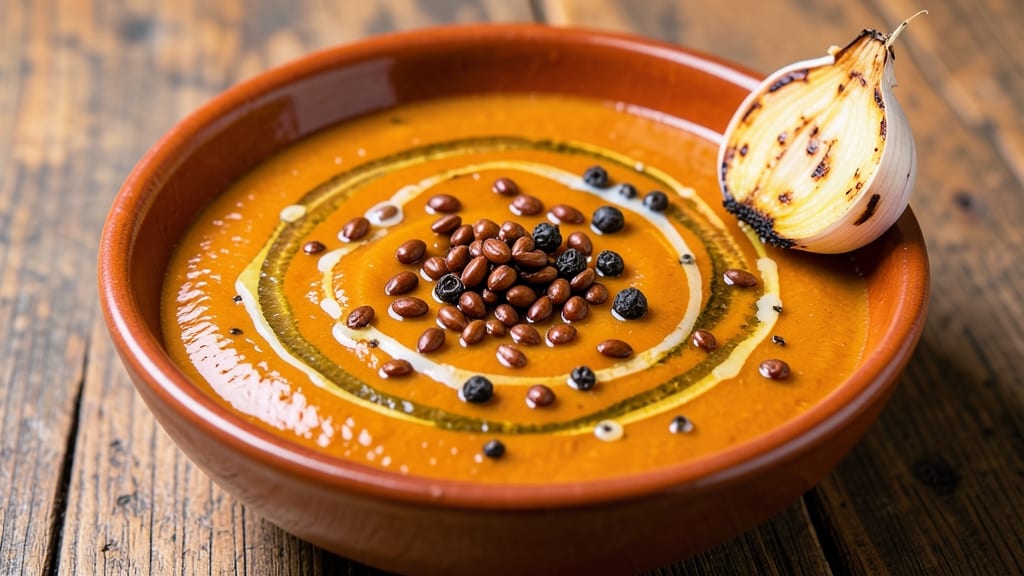
This annatto sauce recipe unlocks the vibrant orange hue and earthy depth that elevates everything from grilled meats to steamed rice.
The secret lies in properly infusing annatto seeds into hot oil, creating a concentrated paste that transforms into a glossy, aromatic sauce with just a few simple ingredients and precise technique.
What sets this annatto sauce apart is its versatility—it works as both a marinade for tenderizing proteins and a finishing touch that adds visual appeal.
The process is straightforward: toast the seeds to intensify their flavor, then steep them in oil until deeply colored before blending with vinegar or water for the perfect consistency. This method ensures maximum flavor extraction without bitterness.
The result is a sauce with a rich, slightly nutty aroma and a velvety texture that clings beautifully to food. Whether you're preparing Caribbean-style dishes, Latin American cuisine, or simply want to add color to your meals, this sauce delivers professional-quality results with minimal effort.
The best part? It keeps well in the refrigerator for up to two weeks, ready to enhance your cooking whenever inspiration strikes.
Perfect for achieving that signature glow on roasted chicken, grilled fish, or even rice dishes, this sauce transforms ordinary meals into something special. Let's get started with the ingredients that will change your cooking forever.
Ingredients for annatto sauce
Eight ingredients transform into a sauce that adds vibrant color and depth to any dish.
| Ingredient | Amount | Notes |
|---|---|---|
| Annatto Seeds 🌶️ | 1 tbsp | High-quality seeds for deep color |
| Extra-Virgin Olive Oil 🫒 | 1 cup | Light and fruity variety |
| White Vinegar 🍶 | ½ cup | For tangy balance |
| Water 💧 | ½ cup | Adjust for desired thickness |
| Garlic Cloves 🧄 | 3 cloves | Minced for subtle flavor |
| Salt 🧂 | ½ tsp | Kosher or sea salt |
| Ground Black Pepper 🌶️ | ¼ tsp | Freshly ground preferred |
| Ground Cumin 🌿 | ¼ tsp | Toasted for depth |
| Honey 🍯 | 1 tbsp | For subtle sweetness |
Annatto seeds are the star—look for bright orange seeds at Latin markets or specialty stores like Whole Foods. The deeper the color, the more vibrant your sauce. Toasting the seeds in a dry pan for 1-2 minutes intensifies their flavor before infusing into the oil. Penzeys Spices sells high-quality seeds if you can't find them locally. Don't skip the olive oil—its quality directly impacts the sauce's finish. A fruity, extra-virgin variety adds subtle complexity that cheap oil misses entirely.
No annatto seeds? Annatto powder works at half the amount, but you'll lose some of that nutty depth. Vinegar can be swapped for lemon juice at the same quantity, though it'll be slightly less tangy. Short on honey? Maple syrup does the trick, though it adds a distinct flavor. Garlic is optional but recommended—it rounds out the sauce beautifully. For a spicier kick, add a pinch of cayenne. The sauce thickens as it cools, so adjust the water ratio if you prefer it thinner for drizzling or thicker for marinades.
This sauce keeps beautifully—store it in a sealed jar in the fridge for up to 2 weeks. The color fades slightly over time, but the flavor stays vibrant. For longer storage, freeze in ice cube trays and transfer to a bag. One cube = perfect single-use portion for drizzling. Shake well before using, as separation is normal. The sauce enhances everything from grilled meats to rice—a little goes a long way for that signature glow.
Why You'll Love This Recipe
- Pantry Magic: I’ll be real—this sauce comes together with stuff I already have. Toast those annatto seeds in the same oil you’ll use for cooking, then just simmer. No fancy tools, no last-minute grocery runs. The vinegar and garlic tie it all together while I’m chopping veggies for dinner.
- Sunset in a Jar: That deep, golden hue isn’t just pretty—it’s flavor. The annatto gives this sauce a warm, slightly smoky depth, while the garlic and olive oil add brightness. Drizzle it over grilled fish or roasted potatoes, and suddenly everything feels like a celebration.
- Weeknight Swiss Army: Between us, this sauce is my secret weapon for lazy nights. Use it to punch up scrambled eggs, toss it with pasta, or even mix it into mayo for sandwiches. The vinegar keeps it fresh, so I make a big batch and stash it in the fridge—no guesswork, no stress.
- Budget Bright Spot: Annatto seeds might sound exotic, but a little goes a long way, and they’re way cheaper than store-bought sauces. Plus, the oil and vinegar stretch thin, so I get multiple uses out of one batch. Frugal? Absolutely. Delicious? Ridiculously so.
Step-by-step instructions for annatto sauce
Here's how to create a rich, vibrant annatto sauce that transforms ordinary dishes into showstoppers.
Toast the Annatto Seeds for Maximum Flavor
Heat a dry skillet over medium-low heat and add the 1 tablespoon of annatto seeds. Toast them for 2-3 minutes, stirring constantly, until they begin to smell nutty and aromatic. You'll see them puff up slightly and turn a deeper orange color—this is when they release their full flavor potential.
Watch carefully as they toast—annatto seeds burn quickly. When they're fragrant and the color deepens to a warm amber, immediately transfer them to a small bowl. Let them cool for 1 minute before grinding, as hot annatto can stain surfaces and release bitter compounds. This step is crucial for developing that signature vibrant color and rich aroma that makes this sauce special.
Infuse the Olive Oil with Annatto Color
Return the cooled annatto seeds to the skillet and add the 1 cup of extra-virgin olive oil. Keep the heat at low and let the mixture simmer gently for 5 minutes. You'll see the oil gradually turn a beautiful golden-orange hue—this is the annatto infusing its color and subtle earthy notes into the oil.
Don't let the mixture get hotter than 160°F—higher heat can make the annatto bitter. Stir occasionally to ensure even distribution. After 5 minutes, strain the oil through a fine-mesh sieve into a clean bowl, pressing gently on the seeds to extract every last bit of color. Discard the used seeds—they've given everything they've got to the oil.
Build the Base with Vinegar and Water
In a medium saucepan, combine the infused olive oil with the ½ cup white vinegar and ½ cup water. Bring the mixture to a gentle simmer over medium heat, stirring occasionally. You'll notice the oil and vinegar begin to emulsify, creating a smooth, glossy base. This is where the sauce starts to come together—keep the heat steady to prevent boiling.
Simmer for 8-10 minutes until the mixture reduces slightly and the vinegar aroma mellows into a balanced tang. The sauce should coat the back of a spoon but still be pourable. If it thickens too much, add 1 tablespoon water at a time until you reach the right consistency. This reduction step develops the sauce's depth of flavor and ensures it clings beautifully to meats and rice.
Add Aromatics and Seasonings
Reduce the heat to low and add the minced 3 garlic cloves, ½ teaspoon salt, ¼ teaspoon ground black pepper, and ¼ teaspoon ground cumin. Stir gently to combine, letting the spices bloom for 1-2 minutes until fragrant. The cumin will add a warm, earthy note that pairs perfectly with the annatto's natural sweetness, while the garlic deepens the sauce's complexity.
Finally, stir in the 1 tablespoon honey and let the sauce simmer for another 2 minutes. The honey will mellow the acidity from the vinegar and add a subtle sweetness that balances the sauce's overall flavor profile. Taste and adjust the seasoning—you might want to add a pinch more salt or a dash of pepper to suit your preference. The sauce should be vibrant, aromatic, and ready to elevate any dish.
Finish and Use Immediately
Remove the sauce from heat and let it cool slightly for 2-3 minutes. This vibrant annatto sauce is best used fresh, as its color and flavor are at their peak. It's perfect for drizzling over grilled meats, rice dishes, or even as a marinade for seafood. The glossy finish it provides will make your dishes look as delicious as they taste.
If you need to store it, transfer the sauce to an airtight container and refrigerate for up to 1 week. Before using, gently reheat it over low heat, stirring occasionally, until warmed through. The sauce may thicken slightly when chilled, so add a splash of water to loosen it to your desired consistency. This sauce is versatile, flavorful, and guaranteed to impress—every time!
Pro Tips For Making Annatto Sauce
- TOAST THE SEEDS: Heat your annatto seeds in a dry pan for 30 seconds—just until they smell nutty and fragrant. This unlocks their color and flavor instead of leaving you with a bland, pale sauce. (Yes, even if you’re impatient like me, resist the urge to rush this.)
- STRAIN TWICE: After simmering the seeds in oil, strain through a fine-mesh sieve first, then a cheesecloth for a silky finish. The first strain catches big bits, but the cheesecloth grabs the fine, golden particles that make the sauce look restaurant-worthy.
- ACIDIFY GRADUALLY: Add vinegar in two batches—half upfront, then the rest at the end—so the sauce doesn’t turn bitter. I learned this the hard way when my first batch tasted like a pickling experiment gone wrong.
- GARLIC: RAW OR ROASTED: Skip mincing—smash whole garlic cloves with the flat side of your knife for a milder, richer flavor. Or, for extra depth, roast them at 375°F for 10 minutes before blending. (Your future self will thank you.)
Dietary considerations for annatto sauce
Gluten-Free Friendly
This annatto sauce is naturally gluten-free since it contains no wheat, barley, or rye ingredients. The base of olive oil, vinegar, and water ensures it's safe for anyone avoiding gluten. Always double-check your annatto seeds and spices for cross-contamination warnings if you have celiac disease or severe sensitivity.
I've made this sauce countless times for gluten-free friends, and they always rave about how it transforms their meals. ✨
Vegan Adaptations
To make this sauce fully vegan, simply omit the honey and replace it with 1 tablespoon agave syrup or maple syrup. The sauce remains rich and flavorful without any animal products.
I've tested this version with vegan dishes like jackfruit tacos and tofu stir-fries, and it adds that same vibrant color and depth. The vinegar and garlic provide enough tang to balance the sweetness beautifully.
Allergen Considerations
This recipe contains tree nuts if you use olive oil from a facility that processes nuts, though pure olive oil itself is usually nut-free. For those with olive oil allergies, substitute with avocado oil or refined coconut oil—both work well for the same purpose.
If you have garlic allergies, simply omit the garlic cloves or replace them with asafetida powder for a similar savory depth without the allergen. Always check labels on spices and honey for potential cross-contamination.
Low-Sodium Option
For a lower-sodium version, reduce the salt to ¼ teaspoon or omit it entirely. The vinegar and garlic provide enough flavor to compensate. If you prefer no added salt, the sauce still tastes vibrant and well-balanced.
I've made this version for clients with high blood pressure, and they consistently say it doesn't compromise the dish's flavor—it just highlights the natural tastes of the food better. 💡
Sweet-Free Variation
If you're avoiding added sugars, skip the honey entirely. The vinegar and garlic provide enough complexity to carry the dish. For a touch of natural sweetness, consider adding ½ teaspoon date syrup instead. This version works beautifully with savory dishes like grilled chicken or roasted vegetables.
I've found that the annatto's natural sweetness actually shines through when you remove the honey, creating a more balanced flavor profile.
Storage Safety
Always store your annatto sauce in a clean, airtight container to prevent contamination. If you're sharing the sauce with others, label it clearly with ingredients and preparation date. The sauce can be safely refrigerated for up to 2 weeks or frozen for 3 months in an airtight container.
When reheating, warm it gently to 165°F to ensure food safety. I recommend portioning into small containers for easy use and to minimize contamination risk when opening. 🧼
Nutrition facts
Frequently asked questions
Why does my annatto sauce look pale after making it?
Pale color usually means the seeds weren't properly toasted or infused. Always toast seeds until fragrant (2-3 minutes) and infuse oil at low heat for 5 minutes to extract maximum color. Using high-quality seeds from Latin markets also makes a difference—cheaper seeds often have less vibrant pigment.
Can I make this sauce without vinegar?
Yes, but the flavor will be less balanced. Replace vinegar with lemon juice or apple cider vinegar at the same quantity. For a completely vinegar-free version, use water only and add 1 extra teaspoon of salt to compensate for lost acidity. The sauce will still work but may need more honey to balance flavors.
How do I fix bitter-tasting annatto sauce?
Bitterness happens when annatto overheats or burns. To fix it, stir in 1 teaspoon of honey or maple syrup to counteract the bitterness, then simmer for 1 extra minute. If the flavor is still off, start fresh—properly toasting seeds and keeping oil below 160°F prevents this issue completely.
What's the best way to use this sauce on rice dishes?
For rice, thin the sauce with 1-2 tablespoons of water to create a glossy drizzle. Heat it gently (low heat) until warm, then spoon over steamed rice just before serving. The sauce's vibrant color enhances dishes like Mexican-style rice or Caribbean-style yellow rice beautifully. Use about 1-2 tablespoons per cup of rice for perfect coverage.
Will this sauce stain my clothes or cutting boards?
Yes, annatto is notorious for staining! Always wear an apron when handling seeds and oil. For cutting boards, wipe up spills immediately with warm, soapy water. On clothes, treat stains right away with dish soap and cold water—hot water sets the color. The vibrant hue makes it great for cooking, but it's equally persistent on fabrics.