
Sauces & Condiments
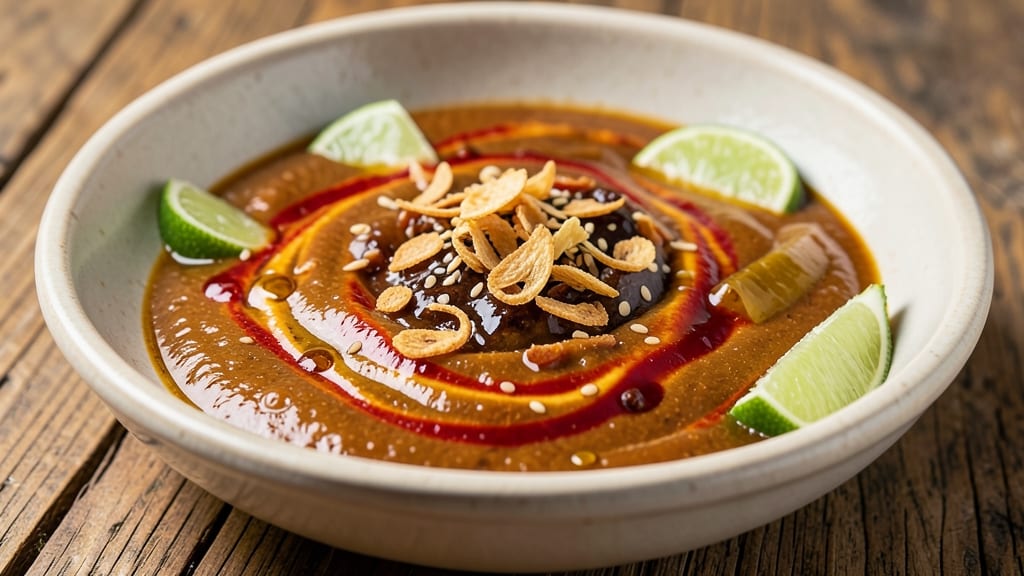
This Angry Crab Pacific Rim sauce delivers the perfect balance of heat, umami, and citrus—transforming simple seafood into a flavor explosion. 🔥 The secret lies in a carefully balanced simmer of chili paste, fish sauce, and garlic, creating a sauce that's bold enough to stand up to crab legs but versatile enough for appetizers or drizzling over rice bowls.
I developed this recipe after craving that signature Pacific Rim restaurant kick at home, and it's now my go-to for spicy seafood nights.
The sauce builds layers of flavor through a 15-minute simmer, where sweet honey or agave caramelizes with chili and soy, while fresh lime juice adds that signature tang. Sesame oil and toasted garlic infuse depth, ensuring every bite delivers a complex, restaurant-quality punch.
What makes it special is how it clings to crab meat, enhancing its natural sweetness without overpowering it—just like your favorite waterfront eatery.
Once reduced to a glossy, sticky consistency, this sauce becomes your secret weapon for crispy crab legs, shrimp skewers, or even grilled vegetables. The heat comes from chili paste, but the sweetness of honey balances it perfectly, creating a sauce that's addictive yet approachable.
Store it in the fridge for up to a week, or freeze for longer shelf life—because once you try it, you'll want to keep a jar on hand.
Ready in just 20 minutes with pantry staples, this sauce proves you don’t need a fancy restaurant to enjoy bold, spicy flavors. Whether you're hosting a seafood boil or craving a quick weeknight appetizer, this Pacific Rim sauce delivers the perfect kick every time. Let’s make it!
Ingredients for angry crab pacific rim sauce
Nine bold flavors come together for a sauce that delivers restaurant-style heat and tang.
| Ingredient | Amount | Notes |
|---|---|---|
| Red Curry Paste 🌶️ | 2 tbsp | High-quality paste for authentic heat |
| Fish Sauce 🐟 | 2 tbsp | Red Boat brand preferred |
| Honey 🍯 | 2 tbsp | Wildflower for floral notes |
| Soy Sauce 🥢 | 1 tbsp | Light soy preferred |
| Lime Juice 🍋 | ½ cup | Freshly squeezed for tang |
| Sesame Oil 🫒 | 1 tbsp | Toasted for depth |
| Garlic Cloves 🧄 | 4 cloves | Toasted until golden |
| Ginger Root 🌿 | 1 tbsp | Freshly grated |
| Water 💧 | ½ cup | For thinning consistency |
| Salt 🧂 | ½ tsp | Adjust to taste |
The Red Boat fish sauce is a game-changer—it's got that authentic umami punch that makes this sauce sing. Trader Joe's or Asian markets usually carry it, and it's worth the splurge. For the curry paste, I grab Maesri brand when I can find it—it's got the perfect balance of heat and complexity. Toasting the garlic until it's golden adds a nutty depth that's non-negotiable. If you're short on time, pre-toasted garlic from the jar works, but trust me, fresh is better. The ginger should be freshly grated—pre-grated loses its zing fast.
No Red Boat fish sauce? Any good-quality fish sauce works, but avoid the cheap stuff. Running out of honey? Agave or maple syrup will work in a pinch, though the flavor's slightly different. Sesame oil giving you trouble? Toasted sesame seeds can be ground into oil as a last resort, but it won't be as rich. The lime juice is crucial—Mexican limes if you can find them, but regular limes work fine. If you're making this ahead, add the lime juice just before serving so it stays bright and tangy.
This sauce keeps beautifully—1 week in the fridge or 3 months in the freezer. I like to store it in small jars so I can grab just what I need. The flavor actually improves after a day or two as everything melds together. If it gets too thick, just add a splash of water or lime juice. For extra heat, add a dash of Sriracha or chili flakes when serving. It's perfect for crab legs, but also amazing on grilled shrimp or even drizzled over rice bowls.
Why You'll Love This Recipe
- Five-Ingredient Magic: I swear, this sauce comes together with just a pan and a whisk—no fancy techniques. That red curry paste does all the heavy lifting, while the fish sauce and honey balance it out in seconds. Honestly, I’ve made it while waiting for takeout to arrive.
- Umami Bomb: The fish sauce cuts through the sweetness like a knife, but the honey keeps it from tasting harsh. Lime juice finishes it with that bright, tangy kick—like a flavor party where everyone’s invited. (Yes, even on a Tuesday night.)
- Dip Everything: Slather it on crab cakes, toss it with noodles, or drizzle it over grilled shrimp. It’s my go-to for weeknight dinners when I’m too tired to think. My daughter even asks for it on her plain rice—no joke.
Step-by-step instructions for Pacific Rim sauce
This bold sauce comes together in minutes with just a few simple steps.
🍳 Step 1: Toast the Aromatics for Maximum Flavor
Heat a small skillet over medium heat and add the 4 cloves garlic cloves and 1 tablespoon ginger root. Toast for 2-3 minutes until the garlic turns golden brown and fragrant—this deepens their flavor and removes any raw bite. Be careful not to burn them; they should smell incredible but not bitter.
While the aromatics toast, measure out the 2 tablespoons red curry paste in a small bowl. This paste is the heart of your sauce, delivering that signature Pacific Rim heat and complexity. Keep it nearby so you can add it right after toasting the aromatics while they're still hot.
🥘 Step 2: Build the Sauce Base with Heat and Depth
Transfer the toasted garlic and ginger to a mixing bowl. Add the 2 tablespoons fish sauce, 1 tablespoon soy sauce, and 2 tablespoons honey. Stir vigorously to combine—you'll notice the mixture immediately starts to mellow and develop layers of flavor. The fish sauce adds umami depth, the soy sauce brings saltiness, and the honey balances with natural sweetness.
Here's the thing—don't rush this mixing. Let the ingredients marry for 30 seconds while you prepare the remaining components. The fish sauce might smell strong at first, but it'll mellow as the other ingredients integrate. This is where the magic starts happening.
🍋 Step 3: Add Citrus and Oil for Brightness
Pour in the ½ cup lime juice and 1 tablespoon sesame oil. The lime juice will make the mixture bubble slightly—this is normal and actually helps distribute the flavors. Stir well, then taste a small spoonful. You should notice the sauce is already complex, with bright citrus cutting through the richness of the honey and fish sauce.
If the sauce seems too thick, add 1-2 tablespoons of the ½ cup water to reach your desired consistency. It should coat the back of a spoon but still be pourable. The water helps thin the sauce without diluting the flavors too much. This is especially important if you're using this for dipping—you want it to cling to your food without being gloppy.
⏰ Step 4: Simmer and Balance the Flavors
Transfer the sauce to a small saucepan and bring to a gentle simmer over medium-low heat. Let it cook for 3-5 minutes, stirring occasionally, until the flavors meld completely. You'll notice the aroma becomes more complex—citrusy, spicy, and slightly smoky from the toasted aromatics.
Taste and adjust the seasoning. If it needs more heat, add a pinch of the ½ teaspoon salt (though the fish sauce and soy sauce should provide enough saltiness). If it's too salty, add a splash more lime juice to brighten it up. The sauce should be perfectly balanced—sweet, salty, tangy, and spicy all at once.
🍽️ Step 5: Cool and Serve with Confidence
Remove the sauce from heat and let it cool for 5 minutes. This resting period allows the flavors to settle and the sauce to thicken slightly. Give it one final taste—it should be vibrant, with all the flavors working together in harmony. If you're using this for dipping, let it cool completely before serving to prevent the food from getting soggy.
This sauce is incredibly versatile. Use it immediately on your favorite seafood, like shrimp or crab legs, or store it in an airtight container in the refrigerator for up to 5 days. The flavors actually improve over time as they continue to meld. When you're ready to use it again, give it a quick stir and adjust the consistency with a splash of water if needed.
Pro Tips For Making Angry Crab Pacific Rim Sauce
- Bloom the Paste First: Toss your red curry paste into a cold pan with a splash of water or coconut milk before turning on the heat—this stops it from burning instantly. I learned this the hard way after inhaling smoke from a charred paste that turned my sauce bitter.
- Balance the Fish Sauce: Start with half the fish sauce called for, taste, then add the rest—it’s saltier than you’d think. My first batch tasted like a swimming pool until I realized I’d overdone it by 50%.
- Simmer, Don’t Boil: Keep the sauce at a gentle bubble, not a rolling boil, or the honey will caramelize too fast and make it cloying. Think “low and slow” here—your patience will pay off.
- Zest the Lime: Add lime zest along with the juice for a brighter, more complex flavor without over-acidifying. I was skeptical until I tried it—now it’s non-negotiable for that Pacific Rim punch.
Wine and beer pairings for this angry crab pacific rim sauce
Citrus-Forward Whites
This sauce’s bright lime and honey balance pairs beautifully with crisp, citrus-forward whites. I love a Sauvignon Blanc from New Zealand—its zesty acidity and grapefruit notes mirror the sauce’s tang. Try Cloudy Bay or Oyster Bay for that signature Pacific Rim refreshment.
The slight herbal notes in these wines complement the ginger and garlic in the sauce, creating a harmonious match. 🍷
Light-Bodied Reds
For a red wine pairing, opt for a light Pinot Noir with subtle fruitiness. A Willamette Valley or Sonoma Coast Pinot Noir works wonders—their bright cherry and raspberry flavors don’t overpower the sauce’s heat.
The wine’s acidity cuts through the richness of the honey and fish sauce, while its earthy undertones enhance the toasted garlic. Avoid heavy Cabernets or Syrahs, which would clash with the sauce’s brightness.
Asian-Inspired Beers
Beer lovers should reach for a light Japanese lager like Asahi Super Dry or Sapporo. The crisp, clean finish balances the sauce’s bold flavors without competing. For a craft option, try a wheat beer with citrus notes—like Blue Moon or Allagash White.
The effervescence cleanses your palate between bites, making each spoonful of sauce hit fresh. Avoid heavy stouts or IPAs, which would overpower the delicate balance.
Garnish for Elevation
Before serving, garnish your sauce with a drizzle of toasted sesame oil and a sprinkle of crushed peanuts for texture. The oil adds another layer of nuttiness, while the peanuts provide a satisfying crunch.
A few lime zest strips on the side let guests add extra brightness if they prefer. This simple garnish transforms the sauce from restaurant-quality to showstopper-worthy. ✨
Spicy Pairing Tip
If you love heat, serve the sauce with chilled cucumber slices or steamed edamame to cool the palate. The crisp cucumber’s water content contrasts the sauce’s richness, while edamame adds a protein boost.
For a heartier option, pair it with grilled shrimp skewers—the sauce’s stickiness clings perfectly to the shrimp’s texture, creating a match made in Pacific Rim heaven. 🌶️
Nutrition facts
Frequently asked questions
Can I make this sauce without fish sauce?
The fish sauce is key for that signature umami depth, but you can substitute with 2 tablespoons soy sauce + 1 teaspoon oyster sauce for a vegetarian-friendly version. The flavor will be slightly different but still delicious. For a vegan option, use 2 tablespoons coconut aminos + 1 teaspoon mushroom sauce. Just remember, the sauce won't have the same complexity without the fish sauce's umami punch.
How spicy is this sauce, and can I adjust the heat?
The sauce has a moderate heat level from the red curry paste, but you can easily adjust it. For more heat, add ½ teaspoon chili flakes or 1 teaspoon sriracha at the end. For milder heat, reduce the curry paste to 1 tablespoon and add 1 extra tablespoon honey to balance it. Always taste as you go!
What's the best way to store leftover sauce?
Store in an airtight container in the fridge for up to 5 days or freeze for 3 months. The flavors actually improve over time! When reheating, warm gently on the stove over low heat and add a splash of water if it thickens too much. Avoid microwaving to preserve the texture.
Can I use this sauce on non-seafood dishes?
This versatile sauce works beautifully on grilled chicken, pork skewers, or even roasted vegetables. It's also fantastic as a marinade for tofu or tempeh. The bright citrus and spicy notes cut through rich meats, while the sweetness complements roasted veggies perfectly. Just adjust the heat level based on your protein.
Why does my sauce smell strong at first?
The strong aroma comes from the fish sauce and toasted garlic, which are key flavor components. As the sauce simmers, these flavors mellow and blend beautifully. Don't worry—it's normal! The final product should have a complex aroma with notes of citrus, garlic, and subtle spice. If it still smells too strong after simmering, add a splash more lime juice to brighten it up.