
Sauces & Condiments
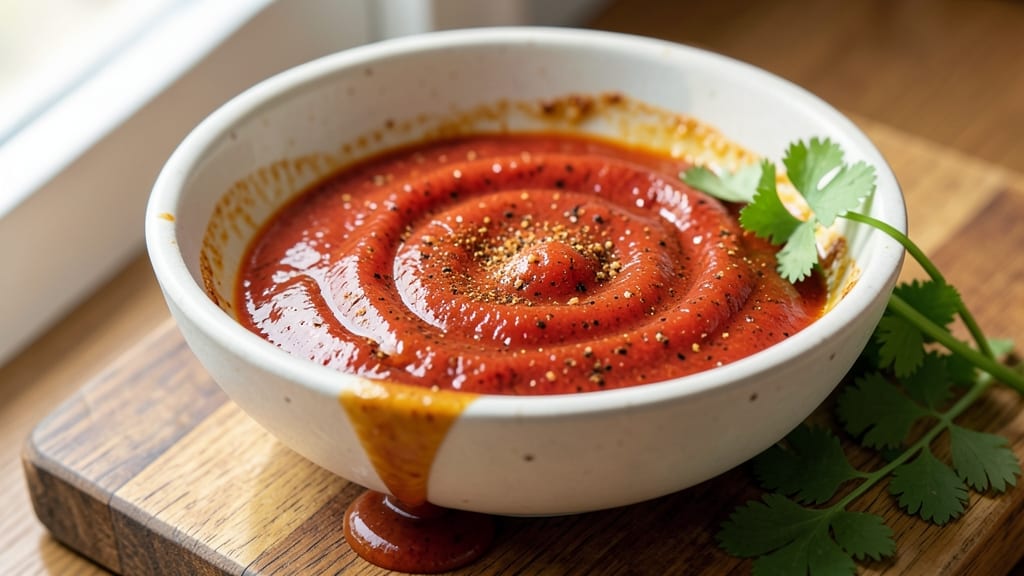
This Anchor buffalo sauce recipe delivers that signature tangy, smoky heat that makes wings and fries irresistible. The secret lies in balancing cayenne pepper, melted butter, and vinegar for a sauce that's bold enough to stand up to crispy fried foods.
I've perfected this version to stay true to the original while offering flexibility for different dietary needs.
The magic happens when you melt butter with spices and hot sauce, then simmer until thickened—just 10 minutes of active time, but the flavor develops as it cools. This recipe works perfectly for wings, fish, or even as a dip for fries and veggies.
The smoky depth comes from a touch of smoked paprika, while the vinegar keeps it bright and tangy.
What you'll end up with is a sauce that's rich, spicy, and perfectly balanced—ready to transform ordinary meals into something unforgettable. The best part?
It keeps well in the fridge for up to 2 weeks, so you can make a big batch and have it on hand whenever cravings strike.
While this recipe delivers classic buffalo flavor, I'll show you how to adapt it for vegan diets or adjust the heat level to suit your preference. Let's get started on making sauce that brings that iconic buffalo kick to your table.
Ingredients for anchor buffalo sauce
Nine simple ingredients transform into that iconic tangy, smoky buffalo sauce everyone loves.
| Ingredient | Amount | Notes |
|---|---|---|
| Unsalted Butter 🧈 | ½ cup | Cold, cubed for even melting |
| Hot Sauce 🌶️ | ½ cup | Frank's RedHot preferred |
| White Vinegar 💧 | ¼ cup | For tangy brightness |
| Smoked Paprika 🌶️ | 1 tbsp | For signature smoky depth |
| Cayenne Pepper 🔥 | 1 tsp | Adjust for heat preference |
| Garlic Powder 🧄 | ½ tsp | Freshly ground preferred |
| Ground Black Pepper 🌶️ | ¼ tsp | Freshly cracked for warmth |
| Salt 🧂 | ½ tsp | Kosher salt preferred |
| Honey 🍯 | 1 tbsp | Balances heat (optional) |
The butter is non-negotiable—it's what makes this sauce rich and velvety. Use unsalted so you control the saltiness, and cold cubes melt more evenly than a whole stick. For the hot sauce, Frank's RedHot is the gold standard, but any good-quality hot sauce works. Smoked paprika is key for that signature smoky flavor—Penzeys or McCormick brands are reliable. If you're sensitive to heat, start with half the cayenne and adjust to taste. The vinegar keeps the sauce bright, so don't skip it—white vinegar is classic, but apple cider works too.
No hot sauce? Substitute 1/4 cup tomato paste plus 1/2 tsp cayenne for a similar tang. Want it vegan? Swap the honey for maple syrup or agave. Short on smoked paprika? Regular paprika plus 1/4 tsp liquid smoke gets you close. The garlic powder can be replaced with 1/4 tsp onion powder plus 1/2 tsp fresh minced garlic if you've got it. And if you're making this for a crowd, double the recipe—it keeps beautifully for 2 weeks in the fridge.
This sauce tastes even better after it sits for a few hours—let it cool completely before storing. Keep it in an airtight jar in the fridge, and it'll last up to 2 weeks. For longer storage, freeze portions in ice cube trays—just thaw and stir. The sauce thickens as it cools, so if it's too thick after refrigerating, add a splash of water or vinegar to loosen it up. Trust me, you'll want to make extra—it disappears fast when wings or fries are on the menu.
Why You'll Love This Recipe
- Pantry Magic: I’ll never buy store-bought again—just butter, hot sauce, and vinegar. That’s it. The smoked paprika and cayenne give it depth without extra effort, and honestly? It’s the kind of sauce that makes you feel like a chef just for opening the jar.
- Heat That Sticks: The vinegar cuts through the richness of the butter, while the cayenne delivers that signature kick. It’s not just spicy—it’s smoky and tangy, the kind of flavor that lingers and makes you reach for seconds (or thirds).
- Game for Any Meal: Drizzle it over wings, toss it with pasta, or slather it on grilled chicken. I’ve even used it as a marinade for steak—works every time. Between us, it’s the secret weapon for lazy nights and last-minute dinner rescues.
- Budget-Friendly Fire: A single batch costs pennies but stretches across three meals. The leftovers? Even better the next day—if you’re brave enough to reheat it. My college roommate and I lived on this stuff, and we were far from broke.
Step-by-step instructions for homemade buffalo sauce
Transform simple pantry ingredients into bold, restaurant-quality sauce with this foolproof method.
Melt the Butter and Spices
In a medium saucepan, combine the 0.5 cup unsalted butter and place over medium-low heat. Let it melt completely, swirling occasionally, until it reaches 160°F—just before it starts to foam. This gentle heat prevents burning while allowing the butter to fully incorporate.
Once melted, reduce the heat to low and stir in the 1 tablespoon smoked paprika, 1 teaspoon cayenne pepper, 0.5 teaspoon garlic powder, and 0.25 teaspoon ground black pepper. Let the spices bloom for 1-2 minutes—you’ll smell that deep, smoky aroma developing. This step builds the sauce’s signature flavor foundation. Keep stirring to prevent scorching, as spices burn quickly at higher temperatures.
Add Vinegar and Hot Sauce
Pour in the 0.5 cup hot sauce and 0.25 cup white vinegar, then increase the heat to medium. Bring the mixture to a gentle simmer, stirring constantly for 3-4 minutes until it thickens slightly. The vinegar will create a bright, tangy contrast to the richness of the butter, while the hot sauce adds that signature kick.
Taste the sauce at this stage—it should be bold and spicy, with a sharp tang. If it’s not spicy enough, add a pinch more cayenne. If it’s too sharp, a tiny splash of water can mellow it. This is your chance to adjust before adding the finishing touches.
Incorporate Salt and Honey
Reduce the heat to low and stir in the 0.5 teaspoon salt and 1 tablespoon honey. The salt balances the heat and enhances all the flavors, while the honey adds a subtle sweetness that rounds out the sauce’s complexity. Let the mixture simmer for another 2 minutes, stirring occasionally, until everything is fully combined and the sauce reaches a smooth, glossy consistency.
Here’s the thing—this sauce thickens as it cools, so don’t worry if it looks a little thin now. The honey also helps stabilize the sauce, preventing it from separating later. If the sauce is still too thin after simmering, simmer it uncovered for another minute or two to reduce it further.
Cool and Store for Best Results
Remove the saucepan from heat and let the sauce cool to room temperature, stirring occasionally to prevent skin formation. This cooling step is crucial—it allows the flavors to meld and the sauce to thicken naturally. Once cooled, transfer the sauce to a clean jar or airtight container.
The sauce will keep in the refrigerator for up to 2 weeks, but I recommend using it within 10 days for the freshest flavor. If the sauce thickens too much after refrigeration, simply stir in a splash of water or hot sauce to loosen it. This homemade version is far superior to store-bought—richer, smoother, and packed with deeper flavor.
Pro Tips For Making Anchor Buffalo Sauce
- Melt Butter Slowly: Start with low heat—unsalted butter burns faster than you’d expect, and once it’s scorched, you’re fighting a bitter, smoky flavor that ruins the sauce. Let it melt gradually, stirring every 30 seconds until it’s just liquid gold, not browned.
- Balance Heat First: Taste your hot sauce before adding it—some brands (like Frank’s RedHot) are way hotter than others. If you’re using a milder sauce, add a pinch of cayenne upfront to build heat; if it’s already fierce, hold off until the end. The sauce should sing, not scream.
- Acid in Stages: Don’t dump all the white vinegar at once—it’ll thin the sauce too fast and mute the smoky depth. Add half the vinegar with the hot sauce, then taste. If it needs more tang, add the rest a little at a time while simmering. You’re chasing balance, not vinegar overload.
- Strain for Smoothness: After simmering, let the sauce sit for 2 minutes—this lets the smoked paprika and cayenne settle. Pour it through a fine-mesh strainer into a clean jar. Skipping this step leaves gritty bits that’ll make every bite feel like you’re chewing on pepper flakes. Worth the 10 seconds.
Serving suggestions for this dish
Wings Perfection
This buffalo sauce shines when tossed with crispy fried wings. Toss 12-15 wings (about 2 pounds) in ½ cup sauce while still hot from frying. Let them sit for 5 minutes to absorb the flavor, then serve with ranch or blue cheese dressing for dipping.
For extra crunch, sprinkle with crushed red pepper flakes and sesame seeds right before serving. 🔥
Fries and Veggies
Transform ordinary fries into buffalo fries by tossing them in ¼ cup sauce after frying. Serve with celery sticks and extra sauce for dipping. For a veggie twist, toss roasted cauliflower or Brussels sprouts in sauce and broil for 3-5 minutes to crisp the edges.
The smoky depth pairs perfectly with the caramelized veggies.
Dipping Sauce
Use this sauce as a dip for mozzarella sticks, onion rings, or even soft pretzels. Thin it slightly with 1 tablespoon water if needed for dipping consistency.
For a creamy version, stir in 2 tablespoons sour cream or Greek yogurt at the end. Keep extra sauce on hand in the fridge for spontaneous snack time.
Protein Pairings
Brush onto grilled chicken or fish fillets before serving for a bold flavor boost. For shrimp, toss 1 pound peeled shrimp in 2 tablespoons sauce and grill or sauté for 2-3 minutes per side.
The sauce caramelizes beautifully on proteins, adding a smoky-sweet crust. Pair with garlic mashed potatoes for a complete meal.
Breakfast Twist
Drizzle over scrambled eggs or pancakes for a spicy breakfast surprise. Start with 1 tablespoon sauce per serving and adjust to taste—it adds heat without overpowering. Top with crumbled bacon and chives for a restaurant-worthy brunch. The tangy heat wakes up your taste buds instantly. 💫
Nutrition facts
Frequently asked questions
Can I make this buffalo sauce without butter?
Yes, but the texture and richness will change. For a dairy-free version, substitute ½ cup olive oil or avocado oil for the butter, and add 1 tablespoon lemon juice to balance flavors. The sauce will be thinner but still pack plenty of heat.
How do I adjust the heat level?
Start with the full 1 teaspoon cayenne pepper, then taste and adjust. For mild heat, reduce to ½ teaspoon or swap for ½ teaspoon mild chili powder. For extra spice, add ½ teaspoon more cayenne or a pinch of red pepper flakes. Always taste as you go!
Why did my sauce separate?
This happens when sauce cools too quickly or ingredients aren't fully emulsified. Stir in 1 tablespoon hot sauce or water while reheating on low heat, stirring constantly. For prevention, whisk vigorously while simmering and let it cool gradually. The honey helps stabilize, but a quick reheat fixes any separation.
Can I use this sauce on grilled meats?
Brush onto chicken, pork chops, or steak during the last 2-3 minutes of grilling. The high heat caramelizes the sauce beautifully, creating a smoky crust. For fish, use 1 tablespoon per fillet and grill for 3-4 minutes to avoid overcooking delicate proteins.
How long can I store homemade buffalo sauce?
Store in an airtight container in the fridge for up to 2 weeks. For longer storage, freeze in ice cube trays (thaw and stir before using). The sauce thickens when refrigerated—add 1 tablespoon water to loosen if needed. Always reheat gently on low heat to preserve flavor.