
Sauces & Condiments
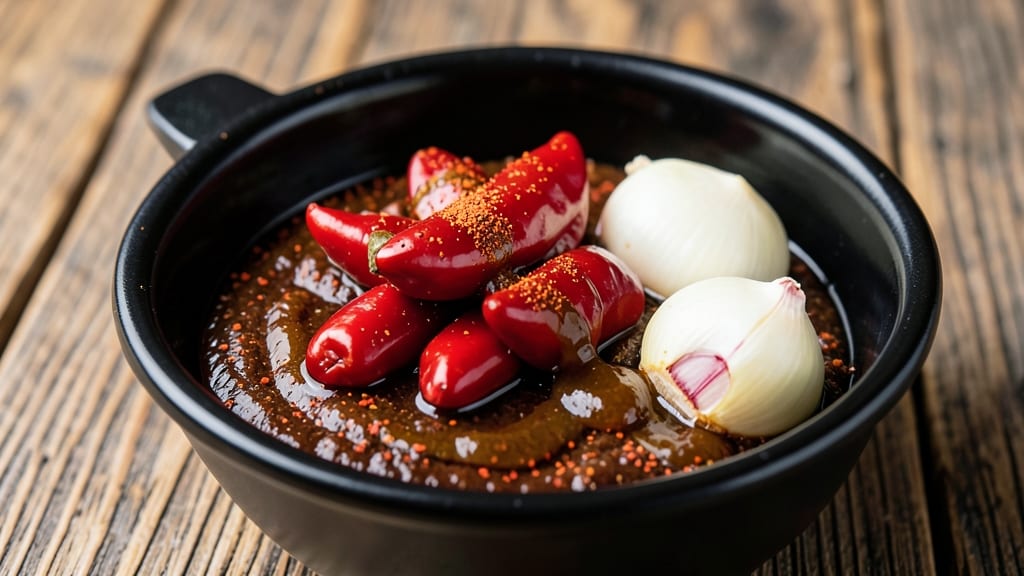
This Anchor Bar hot sauce recipe delivers the same smoky chipotle and garlic firehouse heat that made the original famous. 🔥 The secret lies in balancing cayenne's fiery kick with the deep, smoky notes of chipotle peppers and a touch of garlic for complexity.
Unlike store-bought versions, this recipe simmers all flavors together for a perfectly smooth, well-rounded sauce that's ready in just 20 minutes.
The foundation starts with white vinegar as the base—its acidity cuts through the heat while preserving the sauce's vibrant color. Fresh garlic and chipotle peppers in adobo sauce provide that signature smoky depth, while cayenne delivers the firehouse heat.
A pinch of cinnamon and cloves adds warmth that rounds out the flavor profile without overpowering the main ingredients.
What you'll end up with is a glossy, deep red sauce with layers of heat that build gradually—first the garlic's sharpness, then the smoky chipotle, and finally the lingering cayenne burn.
The simmering process ensures all flavors meld perfectly, creating a sauce that's smooth enough for dipping but bold enough to stand up to grilled meats or fried foods.
Store the sauce in the refrigerator for up to 2 weeks, where the flavors will continue to develop and intensify. For longer storage, transfer to sterilized jars and process in a water bath for canning. This hot sauce transforms any dish into something extraordinary—let's make it.
Ingredients for anchor bar hot sauce
Eight essential ingredients transform into the iconic Anchor Bar hot sauce with smoky depth and fiery kick.
| Ingredient | Amount | Notes |
|---|---|---|
| White Vinegar 💧 | 2 cups | Distilled preferred for clarity |
| Chipotle Peppers in Adobo Sauce 🌶️ | 4 whole | Stems and seeds removed |
| Garlic Cloves 🧄 | 6 cloves | Fresh, peeled, minced |
| Cayenne Pepper 🔥 | 2 tbsp | Adjust for heat preference |
| Ground Cinnamon 🍃 | ½ tsp | Freshly ground preferred |
| Ground Cloves 🌿 | ¼ tsp | Freshly ground preferred |
| Granulated Sugar 🍯 | 2 tbsp | Light brown sugar for depth |
| Salt 🧂 | 1 tsp | Kosher or sea salt |
The chipotle peppers in adobo sauce are the heart of this recipe—look for canned peppers with thick, smoky sauce at Latin markets or the international aisle. Penzeys Spices carries high-quality adobo sauce if you can't find it locally. Fresh garlic is non-negotiable here; jarred garlic lacks the punch. For vinegar, distilled white vinegar ensures clarity and preserves the sauce's vibrant red color. If you're sensitive to heat, start with 1.5 tbsp cayenne and adjust to taste after tasting.
No chipotle peppers in adobo? Smoked paprika plus a pinch of liquid smoke mimics the smoky depth, though it won’t be identical. Substitute hot sauce like Tabasco for cayenne (start with 1 tbsp and adjust). Fresh garlic unavailable? Garlic powder at half the amount works in a pinch, but the flavor won’t be as complex. For a touch of sweetness, honey or maple syrup can replace sugar, though sugar helps balance the acidity. Diamond Crystal kosher salt dissolves best, but any salt will work.
This sauce thickens as it cools—stir well before each use. Store in a sterilized glass jar in the fridge for up to 2 weeks, where flavors deepen. For longer storage, process in a water bath for canning (10 minutes after sealing). Freezes beautifully for up to 6 months. The sauce mellows slightly over time, so make a double batch—it disappears fast!
Why You'll Love This Recipe
- Five-Ingredient Magic: I swear, this sauce comes together faster than I can say "hot sauce emergency." Just blend, simmer, and—boom—you’ve got a jar of smoky, tangy goodness without any fancy footwork.
- Smoky Garlic Hug: That chipotle in adobo? It’s the star, but the garlic and cinnamon turn it into a full-on flavor party. Sweet, spicy, and just a little funky—like a campfire in a bottle.
- Game for Any Meal: Drizzle it on eggs, toss it in tacos, or use it to wake up a sad salad. Honestly, I’ve even poured it over popcorn (don’t judge). It’s the kind of sauce that makes everything better.
- Pantry Goldmine: A few jars of this stuff mean you’re always ready for heat—no last-minute grocery runs. Plus, the vinegar and spices are cheap, so you’ll have enough to share (or hoard, no shame).
Step-by-step instructions for smoky chipotle and garlic hot sauce
Here's the exact method to create a balanced, smoky hot sauce with deep flavor and controlled heat.
🔥 Step 1: Prepare the Chipotle Base
Remove stems and seeds from the 4 whole chipotle peppers in adobo sauce and place them in a medium saucepan with the 2 cups white vinegar. Bring to a gentle simmer over medium heat for 10 minutes, until the peppers soften and release their smoky oils. You'll see the vinegar take on a deep red hue—this is your flavor foundation.
Use an immersion blender to purée the mixture until completely smooth. Strain through a fine-mesh sieve to remove any remaining skin fragments. This step ensures a silky texture without any gritty bits that can ruin the sauce's mouthfeel. Keep the strained liquid warm for the next step.
🍳 Step 2: Build the Spice and Sweet Balance
Return the strained chipotle-vinegar mixture to the saucepan and add the 6 cloves minced garlic, 2 tbsp cayenne pepper, 2 tbsp granulated sugar, 0.5 tsp ground cinnamon, 0.25 tsp ground cloves, and 1 tsp salt. Stir continuously over medium-low heat for 15-20 minutes until the mixture reduces by about one-third and becomes syrupy.
Watch the color change from bright red to a deeper mahogany—this indicates the spices are fully integrated. Taste occasionally and adjust the cayenne if you want more heat or the sugar if you prefer a sweeter profile. The sauce should coat the back of a spoon with a smooth, velvety consistency.
⏰ Step 3: Simmer to Perfection
Continue simmering uncovered for an additional 10 minutes to drive off any excess moisture and intensify the flavors. The sauce should thicken noticeably and develop a glossy sheen. You're aiming for a consistency similar to store-bought hot sauce—thick enough to coat but still pourable.
Remove from heat and let cool completely before transferring to sterilized jars. This cooling period allows the flavors to meld fully. The sauce will continue to thicken slightly as it cools, so don't worry if it looks a bit runny while warm.
🥘 Step 4: Bottle and Age for Depth
Ladle the cooled sauce into clean, sterilized glass bottles or jars. Seal tightly and store in a cool, dark place for at least 24 hours before using—this aging process allows the flavors to develop and harmonize. The longer it ages (up to 2 weeks), the more complex the flavor profile becomes.
Shake gently before each use to redistribute any settled spices. The final product should deliver a perfect balance of smoky chipotle heat, garlicky depth, and subtle sweetness with just a hint of warm spices. Use within 3 months for best flavor and heat intensity.
Pro Tips For Making Anchor Bar Hot Sauce
- Blend Chipotles First: Dump those whole chipotles in adobo straight into the blender with vinegar and garlic before adding anything else. I learned this the hard way—skipping this step leaves you with uneven texture and clumps that won’t break down, no matter how long you blend later.
- Toast Cayenne Properly: Heat your cayenne in a dry skillet for 30 seconds until it smells tobacco-like—that’s when it’s ready. Cold cayenne just sits there like a wallflower; toasting brings out its depth and smoky edge, which is non-negotiable for that Anchor Bar kick.
- Strain Twice, Slowly: After blending, strain through a fine-mesh sieve first, then press the pulp with a spoon. Pour through a coffee filter or cheesecloth for the second go—this removes the gritty bits that ruin the smoothness. Yes, it’s tedious, but your sauce will taste like it came from a professional kitchen, not a blender explosion.
- Simmer Low and Long: Reduce heat to a bare simmer (tiny bubbles, barely moving) and let it cook for at least 20 minutes. Rushing this step leaves the vinegar sharp and the flavors underdeveloped—think of it as letting the sauce breathe so the cinnamon and garlic can mingle properly.
Storing and reheating your leftovers
Refrigerator Storage
Transfer your freshly made hot sauce to a sterilized glass jar or airtight container once completely cooled. Store in the refrigerator at 40°F or below for up to 2 weeks.
The flavors actually deepen over time, so I love making a batch on weekends—it’s perfect for the week ahead. Always use a clean spoon to avoid contamination. ❄️
Freezer Preservation
For longer storage, portion the sauce into freezer-safe glass jars or silicone molds (like EZ Freeze trays). Leave ½ inch headspace to prevent cracking. Freeze for up to 6 months—the texture may slightly thicken but remains usable.
Thaw in the fridge overnight before using. I’ve found that the heat level stays potent even after freezing. 🧊
Room Temperature Aging
Before refrigerating, let the sauce sit at room temperature for 24 hours in a sealed jar. This step enhances flavor complexity, similar to how wine ages. Store in a cool, dark pantry (below 70°F) during this time.
The longer it ages (up to 2 weeks), the smoother and more balanced the heat becomes. Just remember: never leave it out longer than 2 weeks to prevent spoilage. 🕒
Reheating Methods
If your sauce thickens too much in the fridge, gently reheat in a saucepan over low heat with 1-2 tbsp water until smooth. Never microwave—it can alter the delicate balance of flavors.
For quick use, a splash of white vinegar (the same amount you used initially) helps restore consistency. Always reheat just until warm, not boiling. 🔥
Canning for Long-Term Use
For shelf-stable sauce, process in a water bath canner for 10 minutes after sealing. Use pint-sized jars with ½ inch headspace. The sauce will keep for 1 year unopened.
Sterilize jars and lids in boiling water for 10 minutes beforehand. This method preserves heat and flavor perfectly—ideal for gifting or bulk prep. ✨
Reviving Settled Sauce
If spices settle at the bottom, simply shake the jar vigorously before each use. For stubborn separation, warm the jar in hot water for 2 minutes, then shake.
The sauce’s texture and heat will return to normal. I’ve had batches sit for months this way—just give it a good shake and it’s ready to go. 💫
Nutrition facts
Frequently asked questions
Why does this hot sauce taste different from store-bought versions?
This homemade version uses fresh chipotle peppers in adobo sauce instead of dried or powdered forms, giving it a deeper smoky flavor. The fresh garlic and slow simmering process create a more complex, well-rounded heat that store-bought sauces often lack. The warm spices like cinnamon and cloves add subtle depth that commercial brands typically skip.
Can I adjust the heat level?
Start with the 2 tbsp cayenne pepper as written, then taste the sauce before bottling. For milder heat, reduce to 1.5 tbsp cayenne. Want more fire? Add ½ tbsp extra cayenne or a pinch of red pepper flakes. Remember, flavors mellow slightly as the sauce ages, so don't be afraid to adjust early.
What's the best way to use this hot sauce?
This sauce shines on grilled meats, fried foods, and seafood—think wings, shrimp, or burgers. For extra flavor, brush it on proteins before cooking. It also works as a marinade (reduce cooking time by 20% due to acidity) or a dip for fries and chips. Try drizzling it over tacos or mixing into mayo for a spicy sandwich spread.
Can I make this sauce without chipotle peppers?
Yes, but the smoky depth will be different. Substitute with 1 tbsp smoked paprika plus ½ tsp liquid smoke for the chipotle flavor. For heat, use 1 tbsp extra cayenne pepper. The sauce will still be spicy but lose that signature smoky complexity. Fresh garlic and the simmering process will still create a well-balanced condiment.
How do I fix a sauce that's too thin or too thick?
For thin sauce, simmer uncovered for 5-10 extra minutes to reduce. If it's too thick, stir in 1 tbsp white vinegar at a time until smooth. Never add water—it dilutes the flavor. For thickened sauce after refrigeration, reheat gently with 1 tbsp water over low heat. Always taste as you adjust!