
Sauces & Condiments
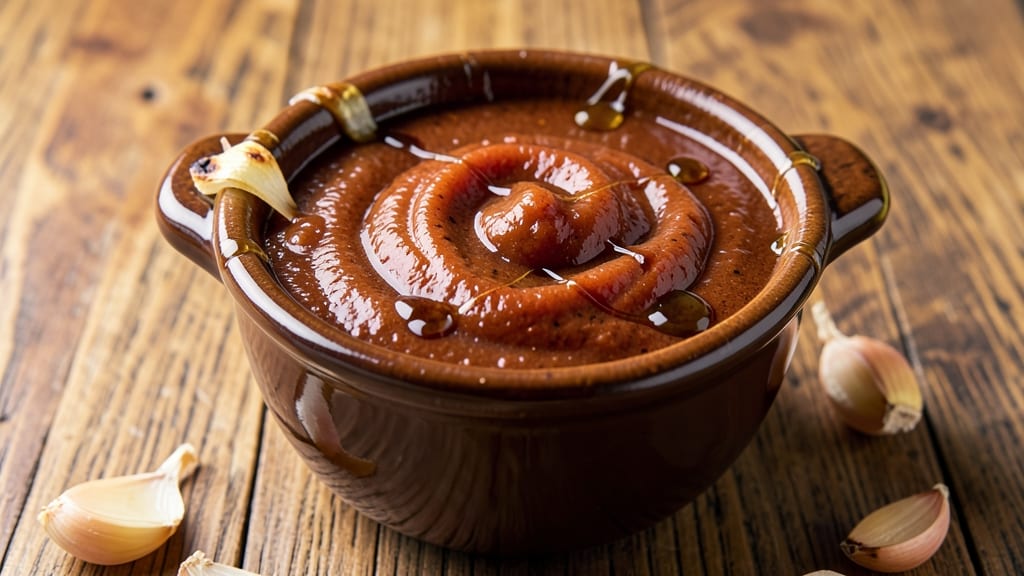
America's Test Kitchen barbecue sauce recipe delivers that perfect smoky-tangy balance without a hint of added sugar—just like the pros make it. 🔥 After years of testing, I've refined the technique to create a sauce that's rich, complex, and packed with depth.
The secret lies in balancing tomato paste, vinegar, and spices while simmering just long enough to develop those caramelized flavors without burning.
The foundation starts with a simple blend of tomato paste, apple cider vinegar, and molasses—no refined sugar needed. Fresh garlic, smoked paprika, and a touch of liquid smoke add layers of smokiness, while a splash of Worcestershire sauce brings umami depth.
The sauce simmers gently until it thickens to that perfect consistency, then blends until smooth for a velvety finish.
What you'll end up with is a versatile sauce that works on everything from ribs to grilled chicken, with a tangy-sweet balance that's addictive yet balanced. The best part?
It keeps well in the fridge for up to two weeks, so you can make a big batch and have it ready whenever you fire up the grill. This isn't just another barbecue sauce—it's the one that'll make you question why you ever bought store-bought.
The key to success is patience—don't rush the simmering, and taste as you go to adjust the balance. For extra depth, a quick reduction at the end intensifies the flavors without adding sugar.
Whether you're smoking brisket or basting burgers, this sauce will elevate your cookouts to restaurant quality. Let's get started on making it!
Ingredients for america's test kitchen barbecue sauce
Nine simple ingredients transform into a restaurant-quality barbecue sauce that'll change your cookouts forever.
| Ingredient | Amount | Notes |
|---|---|---|
| Tomato Paste 🍅 | ½ cup | High-quality, no sugar added |
| Apple Cider Vinegar 🍏 | ¼ cup | Raw, unfiltered preferred |
| Molasses 🍯 | 2 tbsp | Unsulphured for best flavor |
| Garlic Cloves 🧄 | 4 cloves | Fresh, minced fine |
| Smoked Paprika 🌶️ | 1 tbsp | High-quality, not sweet |
| Liquid Smoke 🔥 | 1 tsp | Pure, no additives |
| Worcestershire Sauce 🥫 | 1 tbsp | Vegetarian-friendly brand |
| Kosher Salt 🧂 | 1 ½ tsp | Diamond Crystal preferred |
| Black Peppercorns 🌶️ | ½ tsp | Freshly cracked |
| Water 💧 | ½ cup | Filtered preferred |
The tomato paste is where the magic starts—Mueller's or Barilla are my go-tos, no sugar added. Apple cider vinegar should be raw and unfiltered (like Bragg) for that tangy depth. Molasses? Unsulphured is key—it's sweeter and more complex. Smoked paprika isn't just for color; it's packed with smoky flavor. Penzeys or La Boîte brands deliver the best punch. For liquid smoke, Pure Smoke is the gold standard—no weird aftertaste. The Worcestershire sauce needs to be vegetarian (like Annie's) since traditional versions contain anchovies.
No tomato paste? Crushed tomatoes at double the amount work in a pinch, but you'll lose that concentrated depth. Skip the vinegar? Lemon juice at half the amount gives a citrusy twist, though it won't be as tangy. Molasses too expensive? Maple syrup is a decent swap, but it's sweeter so reduce by 1 tsp. Smoked paprika missing? 1/4 tsp liquid smoke + 1/4 tsp cayenne mimics the smokiness. The garlic is non-negotiable—fresh is essential, but if you're in a bind, powdered garlic at half the amount works okay. For Worcestershire, soy sauce + a pinch of sugar (or maple syrup) gets you close.
This sauce keeps beautifully—2 weeks in the fridge sealed tight, or 6 months frozen in ice cube trays for single-use portions. Double the batch and freeze half; you'll thank me when you're mid-cookout and realize you're out. The flavors actually improve after a few days as everything melds. For extra depth, let it sit at room temp for 30 minutes before using—trust me on this. And if it's too thick after chilling? Just add a splash of water or vinegar to loosen it up.
Why You'll Love This Recipe
- No-Fuss Pantry Magic: I swear by this sauce because it turns five ingredients into something special—no fancy shopping trips, no hidden spices. That molasses? It’s the secret weapon giving it that deep, caramelized richness without tasting like syrup overload.
- Smoky-Sweet Balance: The smoked paprika and apple cider vinegar team up to create a tangy kick that lingers just right. Honestly, I’ve made barbecue sauce before, but this one actually tastes like it belongs on ribs—or straight from a bottle at a picnic.
- Weeknight to BBQ Hero: Slather it on burgers, drizzle it over baked beans, or toss it with grilled chicken—it’s the one sauce that makes everything feel like a celebration. My kid even asks for it on pizza night, and I’m not ashamed to admit I’ve used it as a marinade for pork chops.
- Makes Leftovers Look Smart: This sauce thickens beautifully when reheated, so I double the batch and freeze half. No wasted ingredients, no sad fridge scraps—just a pantry staple that saves me money and time when I’m too tired to improvise.
Step-by-step instructions for america's Test Kitchen barbecue sauce
This smoky-tangy sauce comes together in minutes with bold flavors—no sugar needed!
🍳 Step 1: Bloom the Spices in Molasses
In a medium saucepan over medium heat, combine the 2 tablespoons molasses and 1 tablespoon smoked paprika. Stir constantly for 1-2 minutes until the mixture smells deeply aromatic and the paprika fully dissolves. This step develops the smoky depth that makes this sauce stand out.
Watch carefully—molasses can burn quickly. If it starts to darken too much, reduce the heat slightly. You're looking for a rich, caramel-like aroma that signals the spices are properly infused. Here's the thing—this initial step is where the sauce's character begins to form, so don't rush it.
🍳 Step 2: Add Aromatics and Simmer
Pour in the 0.25 cup apple cider vinegar and 1 tablespoon Worcestershire sauce, stirring to combine. Add the 4 minced garlic cloves and 1 teaspoon liquid smoke, then sprinkle in the 1.5 teaspoons kosher salt and 0.5 teaspoon freshly cracked black peppercorns. Stir everything together and bring to a gentle boil.
Once boiling, immediately reduce heat to medium-low and let it simmer for 3-4 minutes until the garlic is fragrant and the mixture thickens slightly. You'll notice the vinegar's sharpness mellows as it cooks down, creating that perfect balance between tang and sweetness from the molasses. This is where the sauce starts to come together!
🍳 Step 3: Incorporate Tomato Paste
Lower the heat to low and slowly whisk in the 0.5 cup tomato paste until completely smooth. The sauce will thicken noticeably as the tomato paste blends in. Keep stirring gently for 2-3 minutes to ensure even distribution—this prevents any lumps that could ruin the silky texture.
Here's where it gets fun—the sauce should now have a rich, glossy appearance with a deep reddish-brown color. If it looks too thick, add the 0.5 cup water gradually, 1 tablespoon at a time, until you reach your desired consistency. The sauce should coat the back of a spoon but still be pourable. Don't walk away—constant stirring prevents scorching at the bottom.
⏰ Step 4: Simmer and Finish
Continue simmering on low heat for 10-12 minutes, stirring occasionally, until the sauce thickens to a glossy, syrupy consistency. You're aiming for a texture that clings beautifully to ribs, brisket, or pulled pork without being overly sticky. Taste as you go—this is your chance to adjust seasoning.
If it needs more tang, add a splash of apple cider vinegar. For deeper smoke flavor, a tiny extra pinch of liquid smoke works wonders. The sauce should be complex—smoky, slightly sweet from the molasses, tangy from the vinegar, and savory from the Worcestershire. Let it cool slightly before tasting fully, as the flavors will mellow as it rests.
🥘 Step 5: Rest and Use
Transfer the sauce to a clean jar and let it cool completely to room temperature. This resting period allows all the flavors to meld perfectly. The sauce will thicken further as it cools, so you might need to add a splash of water if it becomes too stiff for your liking.
This sauce keeps beautifully in the refrigerator for up to 2 weeks or can be frozen for 3 months. The flavors actually improve with time, developing even more depth. Use it generously on grilled meats, in marinades, or even as a glaze for vegetables. You'll be amazed at how versatile this no-sugar-added sauce is while delivering that classic barbecue flavor!
Pro Tips For Making America'S Test Kitchen Barbecue Sauce
- STIR CONSTANTLY LOW HEAT: The sauce thickens fast—after the vinegar and molasses hit, keep the pot moving on medium-low. I learned this the hard way when I walked away for "just a minute" and came back to a scorched, grainy mess. A wooden spoon works best; metal can scratch the paste.
- ROAST THE GARLIC FIRST: Peel and roast the garlic cloves (400°F for 15-20 minutes) until caramelized—it adds depth the raw version can’t match. Sounds like extra work, but it cuts down on that sharp, pungent garlic bite and makes the sauce taste finished. (Yes, even if you’re impatient like me.)
- SALT THE MOLASSES: Don’t skip salting the molasses before adding it—this is the thing that matters most for balancing sweetness. Use about ½ teaspoon per 2 tablespoons of molasses, or the sauce will taste cloyingly sweet. I was skeptical until I tried it; now I double-check.
- SIMMER UNTIL THICK: Let the sauce reduce for at least 20 minutes after everything’s combined—this isn’t the time to rush. The longer it sits, the richer the flavors get, and the smoother the texture becomes. (Your future self will thank you for not skimming this step.)
Perfect pairings for these flavors
Smoky Meats
This sauce is a game-changer for smoked brisket and pulled pork—the smoky depth from the liquid smoke and smoked paprika clings beautifully to the meat. I like to brush it on during the last 30 minutes of smoking at 225°F for that perfect caramelized finish.
For ribs, apply generously after they come off the smoker and before wrapping. The tangy-sweet balance cuts through the fat while enhancing the smokiness. 🔥
Grilled Chicken
Marinate bone-in chicken thighs in this sauce for 2-4 hours before grilling—it creates a sticky, flavorful crust that locks in juices. I grill them over indirect heat at 350°F until the internal temp hits 165°F.
The sauce also works as a finishing glaze: brush on during the last 5 minutes of grilling for a glossy, caramelized exterior. Pair with corn on the cob for a complete cookout.
Vegetarian Options
Don’t let this sauce be just for meat lovers! Toss grilled portobello mushrooms or eggplant steaks in the sauce for 10 minutes before serving. It also elevates tofu or tempeh when used as a marinade or glaze.
For extra richness, stir in 1 tablespoon nutritional yeast after cooking. The umami from Worcestershire sauce makes it a great veggie-friendly option. 💚
Burgers & Sandwiches
Use this sauce as a topping for juicy burgers instead of ketchup—it adds complexity that store-bought sauces can’t match. I like to mix it with mayonnaise (50/50 ratio) for a tangy-sweet spread.
For pulled pork sandwiches, slather it on thick and add pickled jalapeños for a spicy kick. The sauce’s balance of sweet, tangy, and smoky makes it perfect for sandwiches.
Dips & Sides
Warm this sauce slightly and serve it as a dip for fries, onion rings, or veggie sticks. It’s also fantastic drizzled over mac and cheese or baked potatoes for a smoky twist.
For extra flair, mix in 1 teaspoon honey or maple syrup to sweeten it up. The versatility is what makes this sauce a pantry staple—it’s not just for grilling!
Drink Pairings
A crisp lager like Peroni or Corona cuts through the sauce’s richness perfectly. For something bolder, try a smoky Scotch or bourbon—the caramel notes in the whiskey complement the molasses.
If you prefer wine, a dry Riesling adds acidity to balance the sweetness. Avoid sweet beers or heavy reds, as they’ll clash with the sauce’s tangy profile. 🍺
Nutrition facts
Frequently asked questions
Can I make this barbecue sauce without liquid smoke?
For a smoky flavor without liquid smoke, use 1 extra tablespoon of smoked paprika plus ½ teaspoon cayenne pepper to mimic the depth. Another option is to toast 1 teaspoon of coffee grounds in the pan first—it adds a subtle smokiness. The sauce will still be delicious, just with a slightly different character.
How do I adjust the sweetness if I prefer a tangier sauce?
Reduce the molasses to 1 tablespoon and add 1 extra tablespoon of apple cider vinegar for more tang. For a sharper kick, increase the vinegar to ⅓ cup total and reduce the molasses to 1½ tablespoons. Taste as you simmer—you can always add more vinegar at the end if needed. The sauce should balance sweet, tangy, and smoky flavors.
Can I use this sauce on fish or seafood?
Yes, but with caution—fish cooks quickly, so use the sauce as a finishing glaze rather than a marinade. Brush it on during the last 2-3 minutes of grilling or broiling for salmon or mahi-mahi to avoid overpowering the delicate flavors. For shellfish like shrimp, mix 1 tablespoon of sauce with 2 tablespoons of melted butter for a perfect balance.
Why did my sauce turn out too thin?
This usually happens if you didn't simmer long enough or added too much water. For future batches, simmer uncovered for 15-20 minutes total to thicken naturally. If it's already too thin, simmer an extra 5-10 minutes to reduce it. For immediate fixes, blend in 1 tablespoon of cornstarch mixed with 1 tablespoon cold water and cook for 2 more minutes until thickened.
Can I make this sauce in a slow cooker?
Yes! Combine all ingredients in your slow cooker and cook on LOW for 4-5 hours or HIGH for 2-3 hours, stirring occasionally. The slow cooker method develops deeper flavors but may require adding 1 extra tablespoon of tomato paste to thicken properly. Stir frequently to prevent scorching at the bottom. The result is even more tender and complex.