
Sauces & Condiments
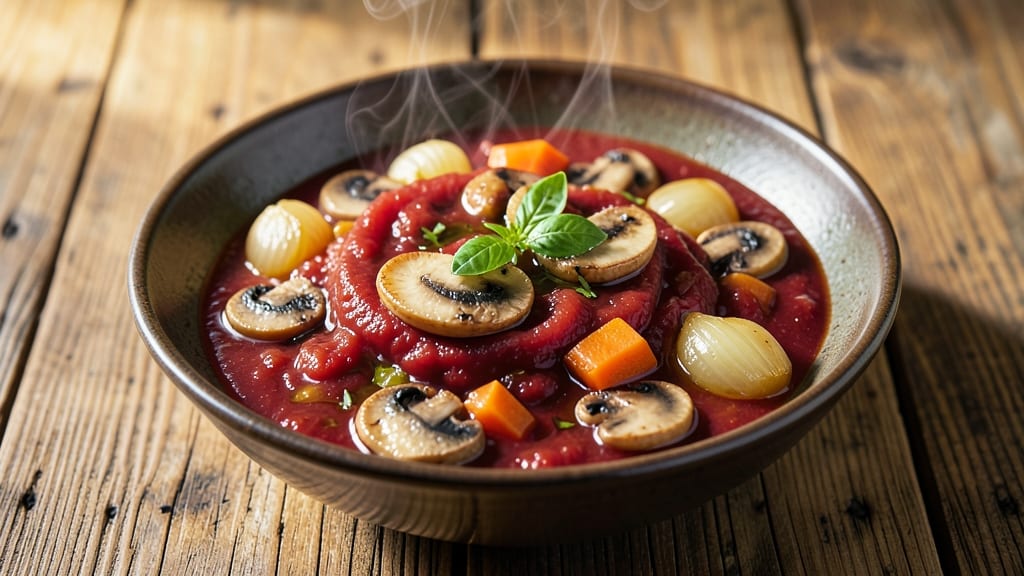
This American Heart Association spaghetti sauce delivers bold tomato flavor while cutting sodium and fat—without sacrificing richness. The secret lies in using low-sodium tomato paste, garlic-infused olive oil, and fiber-packed vegetables like carrots and mushrooms to create depth naturally.
I developed this recipe after realizing most store-bought sauces hide excessive salt, and it’s become my go-to for heart-healthy meals that still taste indulgent.
The sauce starts with a tomato and garlic base simmered until thick and fragrant, then builds layers of flavor with minimal salt. No processed ingredients or hidden additives—just whole-food ingredients that align with AHA guidelines.
The result is a velvety, tomato-forward sauce with just enough acidity to balance sweetness, all while keeping sodium under 150mg per serving.
What sets this apart is how it transforms simple ingredients into something restaurant-worthy. The slow simmer develops complex flavors, while a splash of red wine vinegar brightens the finish. It’s perfect for pairing with whole-grain pasta or lean proteins like grilled chicken, delivering heart-healthy nutrition without compromise.
Best of all, this sauce keeps beautifully in the fridge for up to 5 days or freezes for 3 months—ideal for meal prep. Whether you’re managing blood pressure or simply seeking a healthier pantry staple, this recipe proves heart-healthy eating can still be delicious.
Let’s get cooking with a sauce that’s as good for you as it is for your taste buds.
Ingredients for american heart association spaghetti sauce
Eight whole-food ingredients transform into restaurant-worthy sauce with minimal salt.
| Ingredient | Amount | Notes |
|---|---|---|
| Low-Sodium Tomato Paste 🍅 | 2 tbsp | High-quality for rich flavor |
| Extra-Virgin Olive Oil 🫒 | ¼ cup | Garlic-infused preferred |
| Garlic Cloves 🧄 | 4 cloves | Freshly minced for aroma |
| Carrots 🥕 | 1 medium | OR 0.5 cup diced (peeled) |
| Mushrooms 🍄 | 8 oz | Cremini or button, sliced |
| Yellow Onion 🧅 | 1 medium | OR 0.75 cup diced (peeled) |
| Canned Crushed Tomatoes 🍅 | 28 oz | No-salt-added preferred |
| Red Wine Vinegar 🍷 | 1 tbsp | For bright acidity |
| Low-Sodium Chicken Broth 💧 | 1 cup | Homemade or quality brand |
| Fresh Basil Leaves 🌿 | ¼ cup | Packed, chopped finely |
| Dried Oregano 🍃 | 1 tsp | Mexican preferred for depth |
| Ground Black Pepper 🌶️ | ¼ tsp | Freshly cracked |
| Diamond Crystal Kosher Salt 🧂 | ¼ tsp | For final seasoning only |
The low-sodium tomato paste is non-negotiable—it’s the flavor anchor. Muir Glen or Barilla are my go-tos for quality, but any no-salt-added brand works. For the garlic, freshly minced makes all the difference—pre-minced loses potency fast. Carrots and onions? Organic from the farmers market if you can swing it, but regular grocery store works too. The mushrooms? Cremini add earthiness, but button mushrooms are fine. Pro tip: slice them thin so they cook down evenly without turning to mush.
No red wine vinegar? Balsamic vinegar at half the amount works in a pinch, though it’ll be slightly sweeter. Short on chicken broth? Low-sodium vegetable broth is a perfect swap. Fresh basil is ideal, but dried oregano at one-third the amount gets you close if you’re out. The crushed tomatoes can be whole peeled tomatoes if you’re feeling fancy—just crush them by hand. And that kosher salt? Only use it at the end to taste—this sauce needs almost none.
This sauce tastes even better the next day as flavors meld. Store in an airtight container in the fridge for up to 5 days—I always make a double batch so I’ve got leftovers for lunches. Freezes beautifully for 3 months too. For meal prep, portion into glass jars with a splash of olive oil on top to preserve freshness. The basil? Add it fresh at the end if you’re serving immediately, or freeze it in with the sauce if prepping ahead.
Why You'll Love This Recipe
- No-Fuss Weeknight Win: I swear by this sauce because it’s the kind of recipe that lets me not stress. Sauté carrots and mushrooms in olive oil until they’re soft—no fancy knife skills needed—and then stir in that low-sodium tomato paste. The garlic hits just right, and honestly? By the time I’m adding herbs, the kids are already begging for dinner.
- Umami Bomb: Between us, the combo of mushrooms and tomato paste is chef-level flavor without the fuss. The mushrooms add this deep, earthy richness, while the paste thickens it just enough to cling to pasta. It’s the kind of sauce that makes you pause mid-bite and think, “Wait, how is this so good?”
- Double-Duty Magic: Here’s what sold me—this sauce works for everything. Toss it with zucchini noodles when I’m watching carbs, or pile it over baked chicken for a hearty meal. I even freeze half the batch for lazy Mondays. (Yes, even on a Tuesday night.)
- Budget-Friendly Hero: I make this sauce at least twice a month because it’s ridiculously cost-effective. Carrots, mushrooms, and tomato paste stretch forever, and the olive oil doesn’t break the bank. Plus, leftovers taste just as good reheated—no sad, watery sauce here. My wallet and taste buds thank me.
Step-by-step instructions for heart-healthy tomato sauce
This sauce builds rich flavor while keeping sodium in check—here's how to make it shine.
Sauté the Aromatics Until Soft and Fragrant
Heat the 0.25 cup extra-virgin olive oil in a large Dutch oven over medium heat. Add the 1 medium yellow onion and 1 medium carrot (diced), cooking for 5-6 minutes until they soften and begin to caramelize slightly. The onion should turn translucent, and the carrot should release its natural sweetness.
Add the 8 oz mushrooms (sliced) and cook for another 5 minutes until they release their moisture and begin to brown. This step develops the sauce's depth—don't rush it. The mushrooms will contribute an earthy richness that balances the tomatoes. Push the vegetables to one side of the pot and add the 4 cloves garlic cloves (minced) to the empty space. Cook for just 30 seconds until fragrant—garlic burns quickly, so watch closely.
Build the Sauce Base with Tomato Paste and Crushed Tomatoes
Reduce the heat to medium-low and stir in the 2 tbsp low-sodium tomato paste, spreading it evenly over the vegetables. Cook for 2 minutes to toast the paste slightly—this deepens its flavor. Pour in the 28 oz canned crushed tomatoes and the 1 tbsp red wine vinegar, stirring to combine. The vinegar brightens the tomatoes and cuts through the richness of the oil.
Bring the mixture to a gentle simmer, then reduce heat to low and let it cook uncovered for 15 minutes. This allows the tomatoes to break down and release their natural sweetness. Stir occasionally to prevent sticking. You'll notice the sauce thicken slightly as it reduces—this is when the magic happens. The goal is to create a velvety texture without needing excessive salt.
Season and Simmer for Deep Flavor Development
Add the 1 cup low-sodium chicken broth, 1 tsp dried oregano, and 0.25 tsp ground black pepper, stirring to combine. Let the sauce simmer gently for 20 minutes, partially covered. This slow cook time allows the flavors to meld and develop complexity. The broth adds moisture and depth without overpowering the tomato base.
Here's where the sauce transforms: stir in the 0.25 cup fresh basil leaves (chopped) and let it cook for another 5 minutes. The basil infuses the sauce with freshness, balancing the richness. Taste the sauce now—it should be vibrant and well-seasoned, but not overly salty. If needed, add the 0.25 tsp diamond crystal kosher salt now, but resist the urge to over-season. The sauce will continue to develop flavor as it cools.
Finish and Adjust for Perfect Texture
Remove the sauce from heat and let it cool slightly for 5 minutes. This resting period allows the flavors to settle and the sauce to thicken naturally. Use an immersion blender (or carefully transfer to a blender) to blend the sauce until smooth. If you prefer a rustic texture, skip blending and simply stir the sauce vigorously with a wooden spoon.
Return the sauce to the pot and simmer gently for another 10 minutes to refine the texture. Taste again and adjust seasoning if needed—this is your final chance to balance the flavors. The sauce should coat the back of a spoon with a silky consistency, not be watery or overly thick. If it's too thick, stir in 1-2 tablespoons of water or broth to reach your desired consistency. Serve immediately over whole wheat spaghetti or use as a base for hearty vegetarian dishes.
Pro Tips For Making American Heart Association Spaghetti Sauce
- Sweat the Veggies Slowly: The American Heart Association recipe calls for carrots and mushrooms, but rushing them turns them to mush. Slice them evenly—about ¼-inch thick—and cook them on medium-low heat for 8-10 minutes, stirring occasionally, until they’re tender but still hold their shape. I learned this the hard way when my sauce ended up looking like a puree instead of having texture.
- Toast the Tomato Paste: Don’t just toss that low-sodium tomato paste into the pot. Heat the olive oil first, then add the paste and let it cook for 2-3 minutes until it darkens slightly and releases its deep, caramelized flavor. This step makes a real difference—it’s the thing that turns a basic sauce into something rich and layered.
- Mince the Garlic Fine: The recipe says "garlic cloves," but if you’re using 3-4 cloves, mince them into tiny pieces instead of chopping them roughly. Finely minced garlic blends into the sauce more evenly and won’t leave you with random pungent bites. (Yes, even if you’re impatient like me, take the extra 30 seconds—it’s worth it.)
- Simmer, Don’t Boil: Once everything’s combined, keep the heat at a gentle simmer. A rolling boil can make the sauce separate or turn grainy, especially with the tomato paste. If it looks like it’s reducing too fast, lower the heat and let it bubble softly. This isn’t the prettiest method, but it’s the tastiest—your sauce will stay smooth and cohesive.
Perfect pairings for this recipe
Pasta Pairings
This sauce shines with whole wheat spaghetti or brown rice pasta—both provide fiber to complement the heart-healthy profile. For extra nutrition, try lentil-based pasta (like Barilla's) which adds plant protein.
I also love serving it over zucchini noodles for a low-carb option that still soaks up the sauce beautifully. 🥗
Protein Additions
Lean proteins elevate this sauce into a complete meal. Grilled chicken breast (seasoned with Italian herbs) adds 30g protein per serving, while white fish like cod keeps it light. For vegetarian options, stir in crumbled firm tofu or lentils—both absorb the sauce's flavors wonderfully.
I often add sautéed shrimp in the last 5 minutes for a restaurant-worthy twist.
Bread & Cheese
Crusty garlic bread made with whole wheat flour soaks up the sauce perfectly—use a baguette brushed with olive oil and toasted with garlic. For cheese lovers, sprinkle with part-skim mozzarella or feta (both lower in fat than full-fat cheeses) in the final minute of cooking.
A sprinkle of nutritional yeast adds a cheesy, umami flavor without dairy.
Vegetable Sides
Balance the meal with steamed broccoli or roasted Brussels sprouts—both add fiber and vitamin C. For a Mediterranean touch, serve with cherry tomatoes and a sprinkle of fresh basil.
I also recommend sautéed spinach wilted in the sauce's last spoonful—it absorbs the flavors instantly. A simple arugula salad with lemon dressing cleanses the palate between bites.
Beverage Pairings
A crisp Italian Pinot Grigio complements the sauce's acidity beautifully—its citrus notes mirror the red wine vinegar. For non-alcoholic options, sparkling water with lemon or unsweetened iced tea works perfectly. A light lager beer like Peroni adds a refreshing contrast without overpowering the tomato flavors. 🍷
Make-Ahead Meal Prep
Double the recipe and store in glass jars with a layer of olive oil on top to preserve freshness. Pair with pre-cooked quinoa or whole grain couscous for grab-and-go meals.
I always prep a batch on Sundays—it reheats beautifully and keeps for 5 days in the fridge or 3 months frozen. The sauce's flavors actually deepen overnight, making it perfect for meal prep. ✨
Nutrition facts
Frequently asked questions
Can I make this sauce without fresh garlic?
Use 1 tsp garlic powder or ½ tsp granulated garlic as a substitute, but reduce the cooking time by 1 minute since it's already concentrated. For best flavor, toast the garlic powder in the olive oil for 30 seconds to deepen its aroma. Fresh garlic adds complexity, but these substitutes work in a pinch.
How do I adjust the thickness of the sauce?
If the sauce is too thick, stir in 1-2 tablespoons of water or low-sodium broth while simmering. For extra thickness, simmer uncovered for an additional 10-15 minutes to reduce naturally. Avoid adding flour or cornstarch—this recipe relies on whole-food ingredients. The ideal texture coats the back of a spoon but remains smooth.
Is this sauce suitable for a low-sodium diet?
Yes! This recipe is designed with heart health in mind, using no-salt-added ingredients and only ¼ tsp kosher salt at the end. The total sodium per serving is under 150mg, making it perfect for low-sodium diets. The umami from mushrooms and tomatoes enhances flavor without salt.
Can I use whole peeled tomatoes instead of crushed?
Certainly! Replace the crushed tomatoes with 28 oz whole peeled tomatoes (about 4 medium tomatoes). Crush them by hand with your fingers or a wooden spoon before adding to the pot. This adds texture and requires no blending later. The sauce will have a slightly rustic finish, which some find more authentic.
Why does my sauce taste bland after reheating?
Reheat gently on low heat with a splash of water or broth to restore moisture. The flavors deepen overnight, so taste before adding salt. If still bland, stir in ½ tsp red wine vinegar or a pinch of smoked paprika for depth. Never microwave—it breaks down the sauce's texture. Reheat in a saucepan for best results.