
Sauces & Condiments
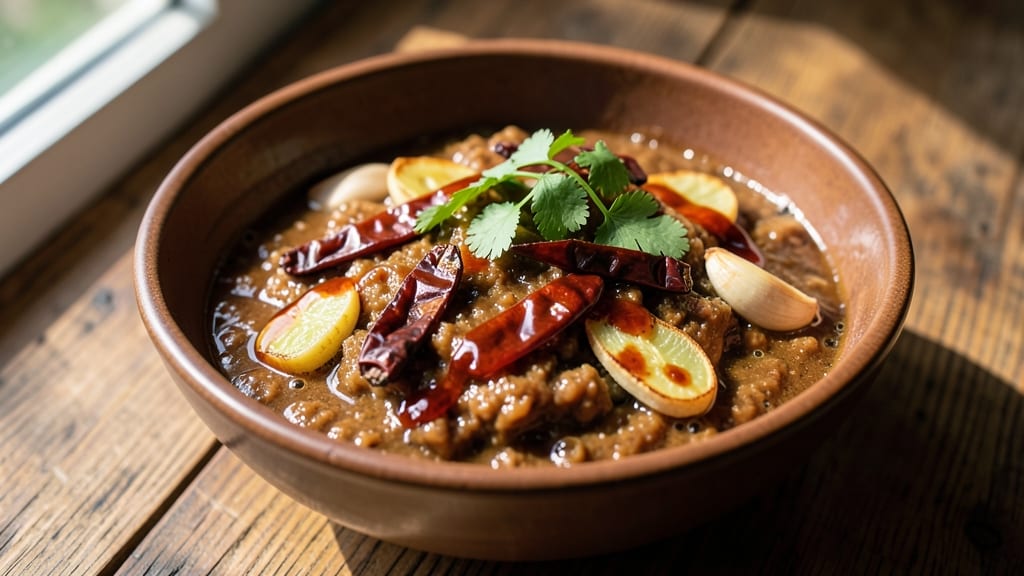
This Amazon sauce recipe transforms simple ingredients into a complex, smoky masterpiece that elevates everything from grilled meats to rice dishes.
The secret lies in fermented fish (bagoo), palm oil, and a blend of peppers that develop deep, layered flavors over time—think chipotle heat with a hidden tang from vinegar. What makes this sauce truly special is how it balances smokiness, acidity, and umami in one rich, velvety base.
The process begins with fermenting the fish and peppers, which builds intense flavor without overpowering. Once simmered with garlic, ginger, and onions, the sauce thickens into a glossy, aromatic paste that clings to food like no store-bought version.
Professional chefs swear by its ability to turn simple proteins into restaurant-quality meals, and the best part? It keeps for months in the fridge, ready to transform any dish.
Perfect for dipping, drizzling, or as a stew base, this sauce delivers restaurant-quality depth with just a few key ingredients. The smoky chipotle notes mellow into a warm, complex finish, while the vinegar adds a bright contrast that keeps every bite interesting.
Whether you're cooking for a crowd or prepping for the week, this is the sauce that will become your kitchen staple.
Once you taste the difference, you’ll never go back to bottled versions. The fermentation process might sound intimidating, but it’s simpler than it seems—and the payoff is worth every minute. Let’s get started on creating your own batch of this versatile, flavor-packed sauce.
Ingredients for amazon sauce
Nine ingredients that pack layers of smoky, tangy, umami magic for your favorite dishes.
| Ingredient | Amount | Notes |
|---|---|---|
| Fermented Fish (Bagoo) 🐟 | ½ cup | Cleaned and rinsed thoroughly |
| Red Palm Oil 🫒 | ½ cup | For authentic color and richness |
| Dried Chipotle Peppers 🌶️ | 4 whole | Stems and seeds removed |
| White Vinegar 💧 | ¼ cup | For bright acidity balance |
| Garlic Cloves 🧄 | 6 cloves | Freshly minced for depth |
| Fresh Ginger 🌿 | 2 tbsp | Grated, not powdered |
| Yellow Onion 🧅 | 1 whole | Finely chopped, sweet variety |
| Tomatoes 🍅 | 2 cups | San Marzano for best flavor |
| Sugar 🍬 | 2 tbsp | Balances acidity, not optional |
| Salt 🧂 | 1 ½ tsp | Kosher or sea salt |
Fermented fish (bagoo) is the soul of this sauce—look for it at Asian markets or order online. If you can't find it, anchovy paste works in a pinch, though it won't have the same depth. The dried chipotle peppers should be dark red, not green or moldy. Trader Joe's carries them in their Mexican foods aisle, or check specialty stores. Red palm oil gives that signature orange hue—Amazon sells it in bulk if you can't find it locally. Fresh ginger and garlic are non-negotiable here; powdered versions just won't cut it.
No fermented fish? Anchovy paste or dried shrimp can stand in, but reduce the amount by half. For extra heat, add 1 tsp cayenne or more chipotles. The tomatoes can be fresh or canned—San Marzano is ideal, but any good-quality canned works. If you're avoiding vinegar, lemon juice at double the amount works, but the flavor will be brighter. The sugar isn't sweetening—it's balancing the acidity, so don't skip it. For a smoother sauce, blend everything after cooking, but purists insist on keeping it rustic.
This sauce keeps for up to 6 months in the fridge, so make a big batch. Store it in a sealed jar with a layer of olive oil on top to preserve freshness. It only gets better with time as the flavors meld. Freezes beautifully too—just thaw in the fridge overnight. A little goes a long way, so start with 1 tbsp per serving and adjust to taste. The longer it sits, the more complex the flavors become—trust the process.
Why You'll Love This Recipe
- Five-Ingredient Magic: I swear, this sauce comes together with fewer ingredients than my grocery list on lazy Sundays. Fermented fish (bagoo) might sound intimidating, but it’s just a splash—no finicky prep, no peeling, no chopping beyond crushing a few garlic cloves.
- Umami Bomb: That red palm oil? It’s the secret weapon—rich, slightly sweet, and deep. The dried chipotles add heat that lingers just enough to make you reach for seconds, while the vinegar cuts through the funk of the bagoo with a tangy punch. Honestly, it’s the kind of flavor that sticks with you.
- Pantry Staple Power: I keep this sauce on hand for everything: drizzled over grilled fish, tossed with rice, or even mixed into scrambled eggs for a smoky kick. It’s my go-to for when I’m too tired to plan but still want something that tastes like I put in effort.
- Budget-Friendly Flex: A little goes a long way—this sauce stretches across multiple meals without breaking the bank. The bagoo and palm oil are cheap staples in many Asian markets, and a single batch feeds my family for days. Plus, it freezes like a dream, so I make a big batch and thank myself later.
Step-by-step instructions for Amazon sauce
This smoky, complex sauce builds layer by layer—start with the fermented fish base and work up to the bright finish.
Bloom the Fermented Fish and Red Palm Oil
Heat the 0.5 cup red palm oil in a heavy-bottomed saucepan over medium-low heat. Add the 0.5 cup fermented fish (bagoo) and stir constantly for 3-4 minutes until the oil turns a rich amber color and you smell that unmistakable umami depth. This step develops the sauce's signature complexity—don't rush it, or you'll burn the delicate fish flavor.
I like to use a wooden spoon for this because it won't react with the heat. If the oil starts to smoke, reduce the heat immediately. You're looking for a slow, even bloom where the fish melts into the oil rather than frying. This base will be the foundation of your sauce, so take your time here.
Toast the Aromatics
Add the 4 whole dried chipotle peppers (stems removed), 6 cloves minced garlic, and 2 tbsp grated fresh ginger to the pan. Stir for 1-2 minutes until the chipotles darken slightly and release their smoky aroma. You'll know they're ready when the mixture smells intensely spicy and slightly sweet.
Next, add the 1 whole finely chopped yellow onion and cook for another 3-4 minutes until the onions soften and take on a golden hue. This step builds the sauce's depth—don't skip it. The onions should be translucent but not browned, or they'll turn bitter. If they start sticking, add a splash of water and scrape up those flavorful browned bits from the bottom of the pan.
Simmer the Tomatoes and Vinegar
Pour in the 2 cups tomatoes and 0.25 cup white vinegar, stirring to combine. Bring the mixture to a gentle simmer over medium heat, then reduce to low and let it cook uncovered for 15-20 minutes. You want the sauce to reduce by about half, intensifying its flavors. Stir occasionally to prevent sticking, and watch for a thick, syrupy consistency.
Here's where the vinegar works its magic—it brightens the deep, smoky flavors while adding a subtle tang. If the sauce starts to separate, whisk vigorously to re-emulsify it. The tomatoes should break down completely, leaving you with a smooth, rich base. This is the moment when the sauce transforms from a simple mixture into something truly special.
Balance and Finish
Add the 2 tbsp sugar and 1.5 tsp salt, stirring until fully dissolved. Taste the sauce and adjust the seasoning if needed—you might need a touch more salt or sugar to balance the acidity and smokiness. The sugar isn't just for sweetness; it helps round out the flavors and prevents the vinegar from overpowering the dish.
Let the sauce simmer for another 5 minutes to meld all the flavors together. It should coat the back of a spoon and have a glossy sheen. If it's too thick, thin it with a splash of water or vinegar. For the best results, let the sauce cool slightly before using it—this allows the flavors to fully develop. This sauce is incredibly versatile, so don't be afraid to experiment with it in your favorite dishes!
Pro Tips For Making Amazon Sauce
- STRAIN TWICE: The first strain catches the big fish bits, but the second one—using a fine-mesh sieve or cheesecloth—removes the fine sediment that makes your sauce gritty. I learned this the hard way after slurping through a batch that tasted like I’d swallowed sand.
- TOAST THE PEPPERS: Char the dried chipotles in a dry pan for 30 seconds per side until fragrant—this deepens their smoky flavor and cuts through the funk of the fermented fish. Skip this, and your sauce will taste like vinegar and garlic playing hide-and-seek.
- SLOWLY SIMMER DON’T BOIL: Let the sauce bubble gently at medium-low heat for at least 15 minutes after adding vinegar. Boiling too fast turns the red palm oil into soap—yes, really—and ruins the rich, velvety texture. Trust the process, even if it looks undercooked.
- USE AGED GARLIC: Fresh garlic burns and adds bitterness, but garlic that’s been sitting in the fridge for 2-3 weeks (or frozen and thawed) mellows into sweet, aromatic perfection. Mince it fine so it blends smoothly—no chunks, just flavor.
Flavor customization for this dish
Smoky Heat Control
Adjust the chipotle heat by controlling the number of peppers. For a mild sauce, use 2-3 chipotles and toast them for just 1 minute to preserve their sweetness. For extra heat, add 1 tsp cayenne pepper or 2 extra chipotles and toast them longer.
I like to keep a small batch of the hotter version on hand for spicy dishes like shrimp skewers. 🌶️
If you want smoky depth without the heat, swap chipotles for 1 tbsp smoked paprika or 1 tsp liquid smoke. The smokiness will still shine through, but the sauce will be more approachable for kids or sensitive palates.
Just remember, liquid smoke can overpower if you use too much—start with ½ tsp and taste as you go.
Sweet-Tangy Balance
The vinegar-to-sugar ratio is key to balancing this sauce. For a brighter, tangier version, increase the vinegar to ⅓ cup and reduce sugar to 1 tbsp. This works well with seafood dishes where acidity cuts through richness.
I often use this variation for grilled mahi-mahi, where the tang enhances the fish's natural sweetness. 🍋
For a more mellow, slightly sweet profile, cut the vinegar to ¼ cup and add 1 extra tbsp sugar. This version pairs beautifully with roasted meats or as a dipping sauce for spring rolls.
You can also substitute honey for sugar—use 1 tbsp and reduce vinegar to ¼ cup for a caramelized depth that works wonderfully with pork dishes.
Fermented Fish Alternatives
If fermented fish is hard to find, anchovy paste makes a decent substitute—use 1 tbsp instead of the ½ cup bagoo. For a vegetarian version, blend ½ cup mushrooms (cremini or shiitake)strong> with 1 tbsp soy sauce and 1 tsp fish sauce to mimic the umami.
The mushroom blend needs to be finely chopped or puréed for best results. 🍄
For a seafood lover's alternative, use ½ cup dried shrimpstrong> (soaked in warm water for 10 minutes to rehydrate). This adds a briny depth that works surprisingly well.
If you're avoiding seafood entirely, 1 tbsp nutritional yeaststrong> can add a cheesy, umami note, though it won't replicate the complexity of fermented fish. Always taste as you go—these substitutes need careful balancing.
Texture Variations
For a smooth, silky sauce, blend everything after cooking until completely smooth. Use an immersion blender for convenience or transfer to a countertop blender. I like to add 1-2 tbsp water to thin it out slightly before blending.
This version works perfectly for drizzling over noodles or soups where a glossy finish is desired. 🥄
For a rustic, chunky texture, skip blending entirely. Let the sauce cool slightly, then stir in 2 tbsp chopped fresh cilantro or 1 tbsp toasted sesame seeds for contrast. This texture works beautifully as a dipping sauce for spring rolls or as a condiment for tacos.
The chunky version also holds up better when reheated, as the ingredients don't separate as easily.
Nutrition facts
Frequently asked questions
What makes this Amazon sauce different from other fermented fish sauces?
This recipe combines fermented fish with dried chipotle peppers and white vinegar for a unique smoky-tangy profile. Unlike traditional fish sauces, it includes palm oil for rich color and tomatoes for depth, creating a versatile condiment that works as a dipping sauce, marinade, or stew base. The vinegar adds brightness that balances the umami.
Can I make this sauce without fermented fish?
Yes! For a seafood version, use ½ cup dried shrimp (rehydrated) or 1 tbsp anchovy paste. Vegetarians can blend ½ cup mushrooms with 1 tbsp soy sauce and 1 tsp fish sauce for umami. Just note these substitutes may alter the flavor profile slightly. Always taste as you go.
How long should I ferment the fish before using it?
This recipe assumes you're using pre-fermented fish (bagoo). If fermenting from scratch, let fresh fish ferment for 3-5 days in salt and vinegar before using. The fermentation process develops the deep umami flavor—don't rush it! Store in an airtight container in the fridge.
What are the best dishes to use this sauce with?
This versatile sauce works perfectly with:
- Grilled meats (especially pork or chicken)
- Seafood dishes (shrimp, mahi-mahi)
- Rice bowls or noodle dishes
- As a dipping sauce for spring rolls or fries
- Stir-fries or curries for extra depth The smoky-sweet balance makes it a great all-purpose condiment.
Why does my sauce separate when I reheat it?
Sauce separation happens when fats and liquids aren't properly emulsified. To fix it, whisk vigorously while reheating or add 1 tsp cornstarch mixed with water to thicken. For prevention, blend the sauce smooth after cooking or stir in 1 tbsp olive oil before storing. The vinegar helps stabilize, so ensure proper ratios.