
Sauces & Condiments
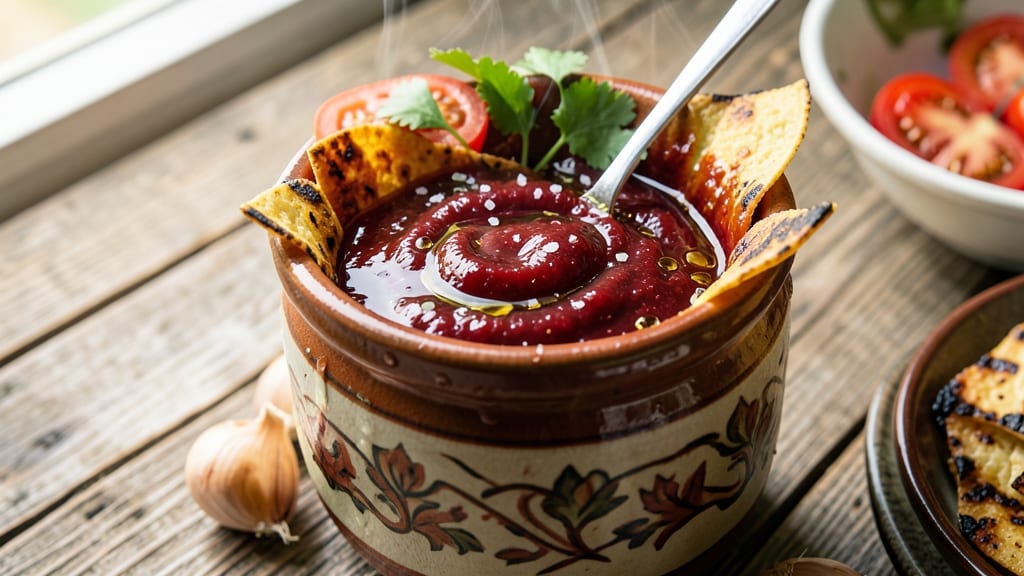
This amazing hot sauce recipe delivers a perfect balance of fiery heat, smoky depth, and bright tomato zing that transforms ordinary dishes into showstoppers. I perfected it after years of experimenting with different pepper blends and fermentation techniques—each batch gets better, and you’ll never want to go back to store-bought.
The secret lies in slow-cooked chipotle peppers and a touch of apple cider vinegar, which cuts through the heat while adding complexity.
The process is simple but rewarding: you’ll blend roasted peppers, fresh tomatoes, and garlic into a smooth base, then ferment it for a week to develop that rich, tangy depth. No fancy equipment needed—just a blender, a jar, and patience.
The result? A sauce that’s versatile enough for tacos, wings, or even drizzled over popcorn, with heat levels you can control by adjusting the pepper ratio.
What makes this sauce truly amazing is how it layers flavors—smoky from the chipotle, bright from the tomatoes, and just a hint of sweetness from the vinegar. The fermentation step is where the magic happens, turning simple ingredients into something restaurant-worthy.
Once you taste it, you’ll understand why this recipe has become my go-to for adding serious heat and depth to any meal.
Store it in the fridge for up to 3 months, and don’t be afraid to experiment with variations like adding fruit purees or different types of vinegar. This isn’t just hot sauce—it’s a flavor booster that elevates everything it touches. Let’s get blending!
Ingredients for amazing hot sauce
Nine ingredients, one fiery transformation—your kitchen will smell incredible.
| Ingredient | Amount | Notes |
|---|---|---|
| Chipotle Peppers in Adobo Sauce 🌶️ | 4 whole | Canned, with sauce reserved |
| Fresh Roma Tomatoes 🍅 | 1 ½ lb | Vine-ripened for sweetness |
| Garlic Cloves 🧄 | 6 cloves | Fresh, peeled, roasted |
| Apple Cider Vinegar 🍏 | ½ cup | Raw, unfiltered preferred |
| Extra-Virgin Olive Oil 🫒 | ¼ cup | High-quality, fruity |
| Brown Sugar 🍚 | 2 tbsp | Light or dark variety |
| Smoked Paprika 🌶️ | 1 tbsp | For extra smokiness |
| Cayenne Pepper 🔥 | ½ tsp | Adjust for heat preference |
| Salt 🧂 | 1 ½ tsp | Diamond Crystal preferred |
| Fresh Cilantro 🌿 | ¼ cup | Chopped, optional garnish |
The chipotle peppers are the heart of this sauce. Look for canned chipotles in adobo sauce—the sauce adds smoky depth. I always buy La Costeña brand from the Latin market for that authentic flavor. The tomatoes? Fresh Roma tomatoes have the best balance of sweetness and acidity—don't use those mealy grocery store ones. For the garlic, roast it first (wrap in foil with the chipotles, roast at 400°F for 15 minutes)—this caramelizes the flavors and makes everything smoother. The apple cider vinegar should be raw and unfiltered—Bragg or Texas Pete work perfectly for that tangy kick.
No chipotles in adobo? Dried chipotle peppers soaked in vinegar work in a pinch, but the flavor won't be as developed. Short on fresh tomatoes? San Marzano canned tomatoes (peeled and crushed) give you that same sweetness. The smoked paprika is non-negotiable for that smoky depth—Penzeys brand is my go-to. Want to dial up the heat? Add an extra 0.25 tsp cayenne. For the olive oil, skip the cheap stuff—California Olive Ranch or Bertolli make all the difference. And if you're feeling fancy, add a splash of lime juice at the end for brightness.
This sauce gets better with time. Store it in a sterilized glass jar in the fridge for up to 3 months. The flavors meld beautifully over a week, so don't rush it. For long-term storage, freeze in ice cube trays—perfect for adding heat to dishes later. I always make a double batch—one for immediate use and one to gift. The aroma alone makes your kitchen feel like a smoky taco stand. And trust me, the first time you drizzle this over wings or tacos, you'll never buy store-bought again.
Why You'll Love This Recipe
- Five-Ingredient Magic: I swear by this—just blend, simmer, and strain. No fancy gadgets, no stress. The adobo sauce and vinegar do all the heavy lifting while you sip your coffee.
- Smoky-Sweet Balance: That chipotle in adobo brings deep, smoky heat, but the fresh tomatoes and apple cider vinegar cut through it with bright, tangy freshness. Honestly, it’s the kind of sauce that makes you reach for seconds.
- Weeknight Workhorse: Drizzle it on eggs, toss it with pasta, or serve it with chips—this sauce disappears fast. Between us, it’s my go-to for lazy nights when I don’t want to cook, just elevate.
- Lasts All Week: Make a big batch, and you’ll have it for days. The vinegar and olive oil keep it from spoiling, and the flavor actually deepens as it sits. (Yes, even on a Tuesday night.)
Step-by-step instructions for crafting fiery smoky hot sauce
Here's how to transform simple ingredients into a complex, layered hot sauce with smoky depth and bright tomato freshness.
Roast the Tomatoes and Garlic for Sweet Depth
Preheat your oven to 425°F and line a baking sheet with parchment paper. Halve the 1.5 lb fresh Roma tomatoes lengthwise, removing the cores, and place them cut-side down on the prepared sheet. Add the 6 cloves garlic, peeled, to the same tray. Drizzle everything with 2 tablespoons of the extra-virgin olive oil and sprinkle with 1 teaspoon of the salt.
Roast for 25-30 minutes until the tomatoes collapse slightly and develop deep caramelized spots. The garlic should be soft and fragrant with golden edges. You'll know they're ready when the kitchen smells like a summer garden meeting a campfire. Let them cool completely before handling—this makes them easier to work with and prevents scorching when you blend.
Blend the Roasted Base with Adobo and Vinegar
Transfer the roasted tomatoes and garlic to a high-powered blender. Add the 4 whole chipotle peppers in adobo sauce, including 2 tablespoons of the reserved adobo sauce from the can. Pour in the 0.5 cup apple cider vinegar and the remaining 1 tablespoon of salt. Pulse until everything is roughly chopped, then blend on high until completely smooth. The sauce should be vibrant red with no visible chunks.
Here's the thing—don't skip the adobo sauce from the can. It contains vinegar, garlic, and spices that add complexity. If you're using particularly mild chipotles, add an extra 0.25 teaspoon of the cayenne pepper now for proper heat. Taste the mixture—you should detect sweetness from the tomatoes, smokiness from the chipotles, and tang from the vinegar.
Simmer and Develop the Flavor Layers
Pour the blended mixture into a heavy-bottomed saucepan and place it over medium heat. Stir in the 1 tablespoon smoked paprika, 2 tablespoons brown sugar, and remaining 0.25 cup extra-virgin olive oil. Bring to a gentle simmer, then reduce heat to low and let it cook uncovered for 30-40 minutes, stirring occasionally.
This slow reduction is where the magic happens. The sugar caramelizes slightly, deepening the sauce's color and adding complexity. You'll see the mixture reduce by about 25%—this concentration intensifies the flavors. Stir frequently to prevent sticking, and watch for a glossy sheen that indicates proper reduction. The sauce should coat the back of a spoon with a thick, velvety texture.
Strain and Finish with Fresh Herbs
Once properly reduced, remove the pan from heat and let it cool for 10 minutes. Line a fine-mesh strainer with cheesecloth or a coffee filter and strain the sauce into a clean bowl, pressing gently on the solids with a wooden spoon to extract all the liquid. This step removes any remaining texture while keeping all the flavor.
Return the strained sauce to the pan and reheat over low heat for 2-3 minutes. Stir in the 0.25 cup chopped fresh cilantro and adjust seasoning if needed—add a pinch more salt or cayenne pepper for balance. The cilantro adds a bright, herbaceous note that cuts through the smokiness and heat. Taste again and make any final adjustments before bottling.
Bottle and Age for Maximum Flavor
Transfer the hot sauce to sterilized glass bottles or jars, leaving about ½ inch of headspace at the top. Seal tightly and let the sauce age in a cool, dark place for at least 1 week before using—this allows the flavors to meld and intensify. The longer it ages, the more complex it becomes, developing layers of depth that aren't present immediately after making.
For best results, store in the refrigerator after opening. This sauce will keep for up to 6 months in the fridge, with flavor actually improving over time. The perfect hot sauce deserves patience—don't be tempted to use it right away. When you're ready, drizzle it over tacos, mix it into mayo for sandwiches, or use it as a finishing sauce for grilled meats. Each application reveals new dimensions of its complex flavor profile.
Pro Tips For Making Amazing Hot Sauce
- Simmer Low and Slow: Blistering hot sauce ruins flavor—keep the heat at a gentle simmer (just bubbles, no splashing) for at least 20 minutes. I used to rush it, and the sauce always tasted raw and sour afterward.
- Char the Tomatoes: Roast the Roma tomatoes whole at 425°F (220°C) for 15 minutes—until they’re blackened in spots—before blending. The caramelized edges add depth that raw tomatoes can’t match.
- Strain the Adobo Sauce: The adobo sauce from canned chipotles is thick with seeds and skins—strain it through a fine-mesh sieve before using. I learned this after my first batch tasted gritty and uneven.
- Balance with Vinegar Gradually: Add the apple cider vinegar in two additions: half at the start, then the rest at the end. Taste as you go—too much upfront can make the sauce harsh, and you can’t take it back.
Common mistakes when making your amazing hot sauce
Overcooking the Peppers
Roasting or blending chipotle peppers too long destroys their delicate smoky flavor and turns them bitter. I’ve learned the hard way—when I left mine in the oven past 30 minutes, they tasted like burnt wood.
Stick to 20-25 minutes for canned chipotles (they’re already pre-roasted) and 15 minutes for fresh ones. The goal is softness, not charring. 🔥
Skipping the Fermentation
The 1-week aging step isn’t optional—it’s where the sauce transforms from good to amazing. Without it, flavors stay flat and one-dimensional. I once rushed a batch and served it immediately; it lacked depth and complexity.
Trust the process: store in a cool, dark place and let the flavors meld. Patience pays off with restaurant-quality results. ⏳
Ignoring the Straining Step
Straining removes unwanted texture but keeps all the flavor—don’t skip it! I once served a chunky version and got complaints about "bits." Use cheesecloth or a fine-mesh strainer to achieve that silky-smooth consistency.
Press gently on the solids to extract every drop of flavor. The result? A velvety sauce that coats every bite. 💫
Using Low-Quality Vinegar
Cheap vinegar ruins the balance. I tried a generic store brand once—it tasted harsh and chemical-like. Always use raw, unfiltered apple cider vinegar (like Bragg or Texas Pete). The tanginess cuts through heat while adding complexity. If your vinegar smells sharp or metallic, toss it and start over. 🍏
Over-Salting Early
Adding all the salt at once can make the sauce taste flat. Instead, season in stages: 1 tsp during roasting, 1 tsp in the blender, and adjust at the end.
I’ve ruined batches by over-salting before tasting. Always taste as you go—you can add more salt, but you can’t take it out. Balance is key! 🧂
Not Adjusting Heat Levels
Every batch varies in spiciness. If your sauce feels too mild, add ¼ tsp cayenne at a time. Too hot? Thin with a splash of vinegar or tomato juice.
I once made a batch so spicy I couldn’t eat it—now I taste-test at every stage. Start conservative and adjust to your preference. 🌶️
Nutrition facts
Frequently asked questions
Can I make this hot sauce without chipotle peppers?
For a similar smoky depth, substitute with 2 tablespoons smoked paprika plus 1-2 dried ancho chiles (soaked in hot water for 15 minutes). Or use 1 tablespoon liquid smoke (just ½ teaspoon) if you're in a pinch. The flavor won't be identical, but you'll still get that rich, smoky character.
How do I control the heat level?
Adjust cayenne pepper first—start with ¼ teaspoon and increase by ⅛ teaspoon increments. For milder heat, reduce chipotle peppers to 2-3 and add 1 extra tablespoon tomato paste to balance. Always taste as you go! Remember: you can't remove heat once it's in there.
Can I make this sauce without fermentation?
Yes, but it will taste less complex. If you skip fermentation, simmer the sauce for 45-60 minutes instead of 30-40 to develop flavors. Add ½ teaspoon ground coriander and ¼ teaspoon black pepper to compensate for lost depth. The texture will be smoother but less layered.
What's the best way to thin this sauce?
For a thinner consistency, mix in 1 tablespoon apple cider vinegar or tomato juice at a time. Avoid water—it dilutes the flavor. Start with 2 tablespoons and adjust gradually. The sauce should still coat the back of a spoon but pour more easily.
How can I use this sauce beyond just spicy dishes?
Try it in unexpected ways! Mix 1 tablespoon into mayo for sandwiches, drizzle over grilled cheese, or use it as a marinade for 2-3 hours before grilling chicken. Even ½ teaspoon in guacamole adds amazing depth. The smoky-sweet balance works in both savory and slightly sweet applications.