
Sauces & Condiments
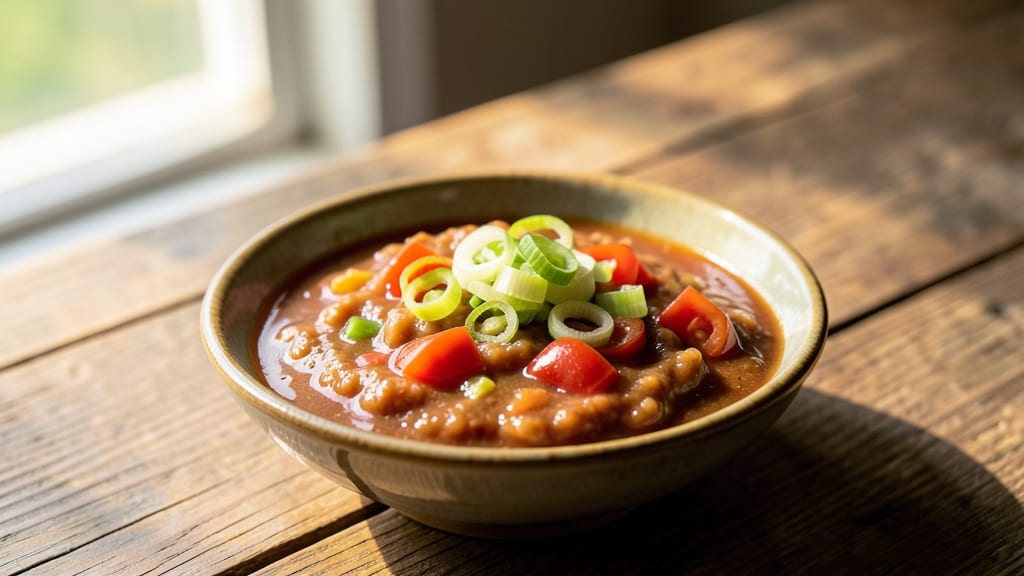
This amakuchi sauce recipe transforms humble tomatoes into a Japanese condiment with a unique fermented depth that elevates everything from rice bowls to sushi.
The magic lies in its blend of fermented soybeans, rice, and a touch of miso, creating a tangy, slightly sweet paste that bridges traditional Japanese flavors with fresh crunch from celery.
What makes this sauce special isn’t just its complexity—it’s how effortlessly it bridges the gap between umami-rich fermentation and bright, fresh vegetables.
The process begins with fermenting soybeans and rice, a technique rooted in Japanese culinary tradition that develops rich, savory notes over time. This isn’t an instant sauce—it requires patience, but the reward is a condiment that deepens in flavor with each use.
The addition of tomatoes and celery introduces a refreshing contrast, balancing the sauce’s fermented intensity with vibrant acidity and crunch. Whether you’re drizzling it over steaming donburi or pairing it with fresh sushi, this sauce becomes the star of the dish.
What sets amakuchi sauce apart is its versatility—it works as both a dip and a topping, adding layers of flavor without overpowering. The fermentation process ensures it keeps well in the refrigerator for weeks, making it a pantry staple for anyone eager to explore Japanese home cooking.
The result is a sauce that’s equal parts comforting and exciting, perfect for those who appreciate the art of slow-flavored condiments.
Once you taste this sauce, you’ll understand why it’s a beloved secret in Japanese home kitchens. It’s not just about the ingredients—it’s about the harmony between fermentation and freshness, tradition and innovation. Let’s get started on creating this flavorful staple that will transform your meals.
Ingredients for amakuchi sauce
Fermented soybeans meet fresh tomatoes and celery in this Japanese condiment masterpiece.
| Ingredient | Amount | Notes |
|---|---|---|
| Fermented Soybeans (Natto) 🌱 | ½ cup | Freshly fermented, not powdered |
| Short-Grain White Rice 🍚 | ½ cup | Uncooked, sushi rice preferred |
| Red Miso Paste 🧈 | ¼ cup | Aged 1-2 years for depth |
| Fresh Tomatoes 🍅 | 1 lb | Ripe, vine-ripened preferred |
| Celery Stalks 🥬 | 2 whole | Fresh, crisp variety |
| Green Onions 🧅 | 4 whole | White and green parts separated |
| Soy Sauce 🍶 | ¼ cup | Japanese-style, reduced |
| Rice Vinegar 💧 | ½ cup | Seasoned preferred |
| Sesame Oil 🫒 | 1 tbsp | Toasted, not flavored |
| Sugar 🍯 | 2 tbsp | Granulated or coconut sugar |
The fermented soybeans are the heart of this sauce—look for natto at Japanese markets or well-stocked Asian grocery stores. If you can't find natto, miso paste with a high umami content (like red miso) can substitute, though the texture will differ slightly. For the rice, sushi rice is ideal—its sticky texture helps bind the sauce, but jasmine rice works in a pinch. The tomatoes should be ripe but firm; Heirloom varieties have the best flavor, but any vine-ripened will do. Celery should be crisp with no browning—organic celery from the produce section usually meets this standard.
No fermented soybeans? Double the miso paste and add 1 tbsp of soy sauce to mimic the funk. For the celery, fennel or extra cucumber can add similar crunch, though the flavor profile shifts. The green onions are crucial—they add freshness and balance the sauce's richness. Substitute with chives or scallions if needed, but use twice the amount. The rice vinegar can be swapped for apple cider vinegar, though it'll lack the delicate sweetness. If you're short on sugar, honey or maple syrup work well, but reduce by half to avoid over-sweetening.
This sauce ferments best in a sterilized glass jar with a loose lid—it needs to breathe but stay contained. Store in the fridge for 2-3 weeks to develop full flavor, though it's safe for up to 3 months. The longer it sits, the deeper the umami. For best texture, blend before serving—the celery stays chunky for crunch. Portion into small containers for easy use; it pairs perfectly with sushi, rice bowls, or even as a dip for veggies. Freeze extras in ice cube trays for single-serving convenience.
Why You'll Love This Recipe
- No-Natto-Nonsense Prep: I swear, this sauce takes less effort than deciding what to eat. Toss the natto, rice, and miso into a pan with a splash of water—no blending, no straining, just stir and simmer. The celery and tomatoes barely need chopping; I usually just slice them thick and let them soften into the sauce.
- Umami Bomb Alert: That first spoonful? Chef’s kiss. The natto’s funky richness marries perfectly with the sweet-tart tomatoes and deep, salty miso—like a cozy hug for your taste buds. Honestly, the celery adds this weirdly refreshing crunch that cuts through the richness, making it addictive in the best way.
- Leftovers That Shine: This sauce actually improves the next day. I make a big batch on Sundays, and by Wednesday, it’s even more complex—like a slow dance of flavors. Slather it on rice bowls, toss it with noodles, or drizzle it over grilled fish. My roommates now beg for it, and I’ve turned into the office snack hero.
- Budget-Friendly Powerhouse: Between us, natto and miso are cheap staples that pack serious flavor. A single block of miso and a bag of natto stretch for weeks, and the tomatoes and celery are pantry basics. I’ve made this for $3 a serving, and it still feels like a fancy restaurant dish. (Yes, even on a Tuesday night.)
Step-by-step instructions for amakuchi sauce
Here's how to create this vibrant Japanese dip with perfect balance and texture.
Prepare the Natto and Rice Base
In a small saucepan, combine the 0.5 cup fermented soybeans (natto) and 0.5 cup uncooked short-grain white rice with 1.5 cups water. Bring to a gentle simmer over medium heat, then reduce to a low boil for 15 minutes until the rice is completely tender and the mixture thickens into a paste. You'll notice the natto releases its signature sticky texture—this is essential for the sauce's signature mouthfeel.
Stir occasionally to prevent sticking, and keep the heat low enough to maintain a gentle simmer. The mixture should reduce slightly but remain moist enough to blend smoothly. Once done, remove from heat and let cool to room temperature. This base forms the fermented foundation of your amakuchi sauce, so don't rush this step—proper cooking ensures the perfect texture.
Cook and Process the Tomatoes
While the natto-rice mixture cools, prepare the tomatoes by cutting them into ½-inch chunks (about 2 cups total). In a separate saucepan, combine the tomato chunks with 0.25 cup soy sauce, 0.5 cup rice vinegar, and 2 tbsp sugar. Bring to a simmer over medium heat and cook for 10-12 minutes until the tomatoes soften and the liquid reduces by half.
Use a wooden spoon to mash the tomatoes slightly as they cook—this helps break down the flesh and incorporate the flavors. You're aiming for a thick, jam-like consistency that still has some texture. The tomatoes should release their juices and meld with the soy sauce and vinegar, creating a sweet-savory balance. Taste as you go and adjust the sugar slightly if needed—it should complement the natural acidity of the tomatoes.
Blend the Sauce Components
Once both mixtures have cooled to room temperature, transfer them to a food processor or high-powered blender. Add the 0.25 cup red miso paste and 1 tbsp sesame oil to the blender. Process until completely smooth, scraping down the sides as needed. The sauce should be velvety with a rich, umami depth from the miso and natto.
Taste the sauce and adjust seasoning if needed—you might want to add a splash more rice vinegar for brightness or a touch of sugar to balance the acidity. The texture should be thick but pourable, with a slight sheen from the sesame oil. This blending step is where all the flavors come together, so take your time to achieve the perfect consistency. The sauce should coat the back of a spoon smoothly without being gluey.
Prepare the Celery Crunch Topping
While the sauce blends, prepare the celery topping by cutting the 2 whole celery stalks into ¼-inch dice (about 1 cup total). Separate the 4 whole green onions into white and green parts, then finely chop the white parts and thinly slice the green parts. In a small bowl, toss the celery with 1 tsp rice vinegar and ½ tsp sugar to preserve its crispness.
This celery topping is what makes amakuchi sauce uniquely satisfying—the contrast between the smooth, rich sauce and the fresh, crunchy celery is essential. The vinegar and sugar help balance the celery's natural bitterness while keeping it vibrant. Let the celery sit for 5 minutes before serving to allow the flavors to meld slightly.
Combine and Serve
Transfer the blended sauce to a serving bowl and top with the prepared celery mixture. Gently fold the celery into the sauce just before serving to maintain its crisp texture. The sauce should be served at room temperature, allowing all the flavors to fully develop. For the best experience, serve immediately with steamed rice, grilled fish, or as a dip for fresh vegetables.
The finished amakuchi sauce should have a vibrant pink-orange hue from the tomatoes, with a complex flavor profile that balances sweet, savory, umami, and tangy notes. The texture should be smooth yet slightly sticky from the natto, with a refreshing crunch from the celery. Each bite should deliver a perfect harmony of flavors that makes this Japanese dip truly special.
Pro Tips For Making Amakuchi Sauce
- Toast the Natto: I learned this the hard way—skipping this step makes the sauce taste flat. Heat your natto in a dry pan over medium-low for 2-3 minutes until it smells nutty and slightly caramelized. This deepens the umami without burning it (yes, even if you're impatient like me).
- Blend Celery Roughly: Puree the celery until it’s chunky, not smooth. A food processor with a pulse works best—this adds texture that disappears when over-blended. Think "sauce with bite," not "smooth paste."
- Simmer, Don’t Boil: After adding miso and tomatoes, keep the heat at a gentle simmer for 10-12 minutes. Boiling turns the sauce bitter and dulls the rice’s sweetness. Stir occasionally, and resist the urge to rush it.
- Salt the Rice First: Mix a pinch of salt into the cooked rice before blending it into the sauce. This balances the funky natto and miso flavors upfront—no last-minute panic adjusting seasoning. Trust me, your taste buds will notice.
Troubleshooting this dish
Fermentation Gone Wrong
If your amakuchi sauce develops an off odor (like ammonia or rotten eggs) during fermentation, it means harmful bacteria have taken over.
This usually happens when the mixture isn't stored at 40°F or below or if the jar isn't clean. Solution: Start fresh with sterilized equipment and refrigerate immediately after blending. For extra safety, add 1 tsp rice vinegar to the fermenting mixture to inhibit unwanted bacteria growth. 💡
Sauce Too Thin
A watery sauce often means the natto-rice base wasn't cooked long enough or too much liquid was added during blending. Fix it by simmering the sauce uncovered on low heat for 5-10 minutes, stirring occasionally, until it thickens.
If needed, add 1 tsp cornstarch mixed with 1 tbsp water as a slurry and stir until the sauce reaches your desired consistency. For future batches, reduce the water in the natto-rice mixture by ¼ cup.
Celery Loses Crunch
The celery topping should stay crisp, but if it turns soggy, it’s likely from sitting too long before serving or being added too early. Prevent this by tossing celery with 1 tsp rice vinegar and ½ tsp sugar right before serving, not during prep.
For extra crunch, chill the celery in the fridge for 10 minutes before adding it to the sauce. If you must prep ahead, store celery separately in an airtight container with a paper towel to absorb moisture. ✨
Overpowering Miso Flavor
If the miso taste dominates and overshadows the tomatoes, you’ve likely used too much or an overly aged miso paste. Balance it by adding 1 tbsp rice vinegar or ½ tsp sugar to brighten the sauce.
For future batches, start with 2 tbsp red miso paste instead of ¼ cup and adjust to taste. A splash of sesame oil (another ½ tbsp) can also help mellow the intensity while adding depth. 🌶️
Sauce Separates
Separation happens when the fat from the sesame oil or the natural pectin in tomatoes isn’t properly emulsified. Fix it by blending the sauce again for 10-15 seconds or whisking vigorously.
To prevent this, ensure all ingredients are completely cooled before blending and add 1 tsp xanthan gum (a stabilizer) to the sauce if you’re prepping ahead. Stir gently after serving to maintain a uniform texture.
Fermentation Too Fast
If your sauce ferments in less than 2 weeks and develops a strong, pungent smell, the environment was too warm or the natto was overly active. Slow it down by storing the fermenting mixture in the coldest part of your fridge (not the door) and reducing the rice portion by 2 tbsp.
For future batches, use less ripe natto or substitute ½ the natto with miso paste to control fermentation speed. Patience is key—let it develop gradually for the best flavor. 💪
Nutrition facts
Frequently asked questions
What’s the best way to store homemade amakuchi sauce?
Transfer the sauce to a sterilized glass jar with a tight lid and store in the refrigerator for up to 3 months. The flavors actually improve over time! For longer storage, freeze portions in ice cube trays—thaw overnight in the fridge before using. Keep the celery separate until serving to maintain its crispness.
Can I make amakuchi sauce without natto?
Yes! If you can’t find natto, substitute with ½ cup extra red miso paste or ¼ cup soy sauce + 1 tbsp miso for a similar umami depth. The texture will be slightly less sticky, but the flavor remains rich. For a closer match, add 1 tsp rice vinegar to mimic natto’s fermented tang.
How do I adjust the spice level in this sauce?
This recipe is naturally mild, but you can add heat by blending in ½ tsp chili flakes or 1 tsp gochujang (Korean chili paste) for a spicy kick. For smoky depth, stir in ½ tsp smoked paprika before serving. Always taste first—you can’t easily remove added spices!
What are the best dishes to serve with amakuchi sauce?
This versatile sauce shines as a dip for fresh veggies, a topping for sushi or donburi bowls, or a marinade for grilled fish. Try it with steamed rice as a quick side, or drizzle over poke bowls for extra umami. The celery crunch makes it perfect for crudité platters too!
Why does my amakuchi sauce smell strong?
A bold aroma is normal during fermentation—natto and miso develop deep, savory notes over time. If it smells rotten or ammonia-like, discard it and sterilize your equipment. For a milder scent, reduce fermentation time to 1-2 weeks or use less natto. The flavor will still be rich, just less intense.