
Sauces & Condiments
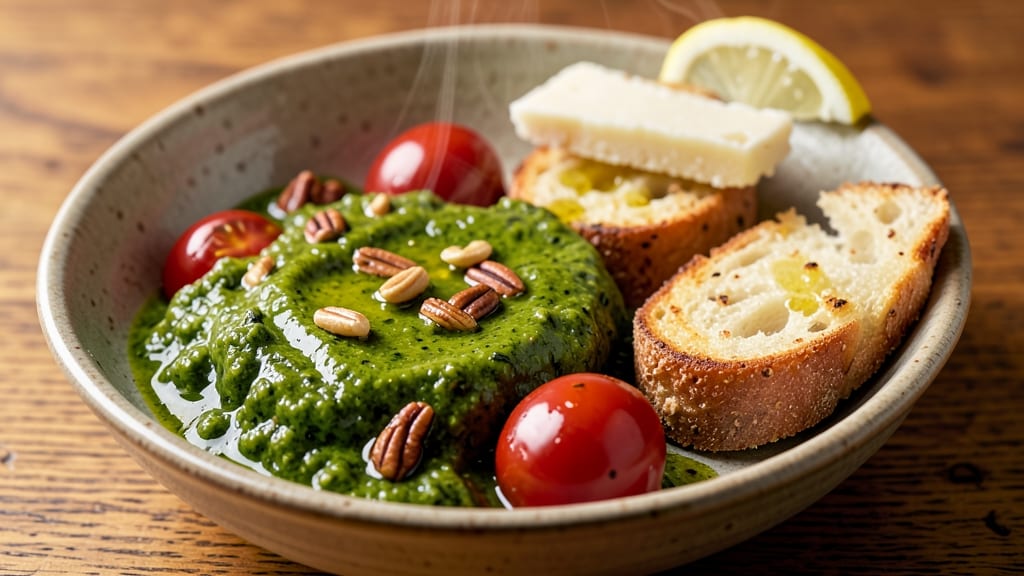
Alton Brown's pesto sauce recipe delivers that perfect balance of fresh basil, nutty depth, and bright garlic—exactly what elevates any dish from good to extraordinary. The secret lies in blending fresh ingredients to a silky consistency, ensuring every bite carries that vibrant, herby punch without overpowering the dish. I've perfected this technique over years, and it's become my go-to for everything from pasta to dipping fresh bread.
What sets this pesto apart is the combination of toasted pine nuts for nutty richness and Parmesan for a savory backbone, all bound together with high-quality olive oil. The food processor does the heavy lifting, pulverizing everything into a smooth, spreadable sauce in just minutes.
No need for complicated techniques—just fresh ingredients and a few simple steps to create something restaurant-quality at home.
Once blended, this pesto is incredibly versatile—toss it with pasta, spread it on sandwiches, or use it as a marinade for grilled meats. The sauce keeps beautifully in the fridge for up to a week, so you can make a big batch and enjoy it all week long.
The key is to store it in an airtight container with a thin layer of olive oil on top to preserve its freshness and vibrant green color.
The result is a pesto that's bright, aromatic, and packed with flavor—no bitterness or aftertaste, just pure, fresh basil magic. Whether you're a seasoned cook or just starting out, this recipe is foolproof and delivers every time. Let's get started on making your own batch of this classic sauce.
Ingredients for alton brown pesto sauce
Fresh basil, nutty pine nuts, and sharp garlic—just eight ingredients transform into Alton Brown's legendary pesto.
| Ingredient | Amount | Notes |
|---|---|---|
| Fresh Basil Leaves 🌿 | 2 ½ cups | Packed, stems removed |
| Toasted Pine Nuts 🥜 | ½ cup | Or walnuts for budget option |
| Garlic Cloves 🧄 | 3 cloves | Peeled, rough chopped |
| Parmesan Cheese 🧀 | ¾ cup | Freshly grated from block |
| Extra-Virgin Olive Oil 🫒 | ¾ cup | High quality, fruity |
| Lemon Juice 🍋 | 1 ½ tbsp | Freshly squeezed |
| Sea Salt 🧂 | ½ tsp | Fine grain preferred |
| Freshly Ground Black Pepper 🌶️ | ¼ tsp | Freshly cracked preferred |
The basil is non-negotiable—farmers market bunches have the most flavor, but grocery store containers work too (just pick the freshest looking). Toast the pine nuts in a dry pan for 3-4 minutes until fragrant—Trader Joe's sells them pre-toasted if you're in a rush. For the Parmesan, grate it yourself from a wedge—pre-grated has anti-caking agents that ruin texture. The olive oil? Don't skimp—this is where the magic happens, so grab the good stuff from Whole Foods or your local olive oil shop if you're serious about flavor.
No pine nuts? Walnuts or cashews work perfectly—just toast them first. Short on basil? Spinach or arugula can stretch it out (use half the amount). The garlic can be roasted for a sweeter flavor—wrap whole cloves in foil, bake at 400°F for 10 minutes. For extra richness, add 1/4 cup of vegan Parmesan if you're avoiding dairy. The lemon juice is key—Meyer lemons add a floral note if you can find them. And if your pesto turns bitter after blending, just add another splash of olive oil to balance it out.
Store this pesto with a thin layer of olive oil on top—keeps it vibrant for up to 1 week in the fridge. For longer storage, portion into ice cube trays, freeze, then transfer to a bag. Thaws perfectly for up to 3 months. The oil layer prevents browning and preserves that bright green color. Make a big batch—it's the perfect pasta sauce, sandwich spread, or marinade for grilled chicken. Trust me, you'll use it all.
Why You'll Love This Recipe
- No-Fuss Freshness: I toss in whole basil leaves instead of chopping—just pulse them in the food processor with garlic and pine nuts. The texture stays vibrant, not mushy, and honestly? That’s half the battle won before I even add the oil.
- Umami Bomb: Toasted pine nuts and sharp Parmesan? That’s the flavor combo that turns "pesto" into "I’d eat this on toast." The garlic hits just right—fresh but not overpowering—while the olive oil ties it all into something dangerously addictive.
- Weeknight to Party: Slather it on pasta in 10 minutes or drizzle it over grilled chicken for a fancy dinner. Between us, I’ve used it as a marinade, a sandwich spread, and even a dip for veggies—no judgment here. It’s the Swiss Army knife of sauces.
- Leftovers That Last: This keeps for days in the fridge, and the taste only gets better as the flavors meld. I make a big batch on Sundays, freeze half, and still have it when I need a quick lunch. Budget-friendly? Absolutely. Waste-free? Even better.
Step-by-step instructions for alton brown's pesto sauce
Here's how to make this vibrant, nutty pesto that balances fresh basil with rich Parmesan.
Toast the Pine Nuts
Heat a dry skillet over medium-low heat and add the 0.5 cup toasted pine nuts. Toast for 3-4 minutes, stirring constantly, until they turn a rich golden brown and smell deeply nutty. Watch them closely—they burn easily, and once they're dark brown, they'll lose their delicate flavor.
Remove the pine nuts immediately and let them cool for 5 minutes on a wire rack. This cooling step is crucial—it prevents the nuts from releasing oil when you blend them later, which can make the pesto too greasy. While they cool, you can prep the other ingredients.
Pulse the Nuts and Cheese
Transfer the cooled pine nuts to a food processor along with the 3 cloves garlic cloves and 0.75 cup Parmesan cheese. Pulse for 10-15 seconds until the mixture forms a coarse crumbly texture. You want it to break down just enough to release the cheese's flavor but not so fine that it becomes a paste.
This step is all about texture—you're building the foundation for that perfect balance of creaminess and crunch. If your processor struggles, stop and use a spatula to push down the mixture. Don't worry if it looks uneven; we'll blend it smooth in the next step.
Blend with Olive Oil and Lemon
With the processor running, slowly drizzle in the 0.75 cup extra-virgin olive oil through the feed tube. This gradual addition prevents the processor from seizing up and helps emulsify the pesto properly. After all the oil is added, blend for another 30 seconds until the mixture is completely smooth.
Add the 1.5 tbsp lemon juice and pulse just once to incorporate. The lemon brightens the flavors and cuts through the richness of the cheese and nuts. Taste at this point—the sauce should be vibrant and well-balanced, with the basil flavor just starting to emerge.
Add Basil and Season
Add the 2.5 cups fresh basil leaves (packed and stems removed) to the processor and pulse for 20-30 seconds until the basil is finely chopped but not completely pureed. You want to see some texture remaining—this gives the pesto its signature freshness and prevents it from becoming too thick.
Finally, add the 0.5 tsp sea salt and 0.25 tsp freshly ground black pepper. Pulse just once to combine. The salt should enhance all the flavors, while the pepper adds a subtle heat that makes the pesto more complex. Taste again and adjust seasoning if needed—you might want to add a pinch more salt or lemon juice to balance the flavors perfectly.
Adjust Consistency and Serve
Transfer the pesto to a bowl and taste immediately. If it's too thick, add 1-2 tablespoons of water at a time, stirring well after each addition, until it reaches your desired consistency. For a smoother texture, blend again briefly. For a more rustic finish, leave it slightly chunky.
This pesto is best used immediately, but if you need to store it, cover the surface with a thin layer of olive oil to prevent browning. It'll keep in the refrigerator for up to 5 days or can be frozen for 3 months. Use it on pasta, as a sandwich spread, or as a marinade for grilled meats—just be sure to enjoy it while it's fresh for the best flavor.
Pro Tips For Making Alton Brown Pesto Sauce
- TOAST NUTS LOW: Skip the high-heat panic—toast pine nuts in a dry skillet over medium-low for 3-4 minutes, stirring constantly. I learned this the hard way: one second too hot, and you’ll end up with bitter, burnt bits instead of fragrant crunch.
- STACK GARLIC SMART: Peel and smash whole garlic cloves with the flat side of your knife before pulsing in the food processor. This prevents clogging and ensures even distribution—no more chasing garlic chunks in your pesto.
- SALT THE CHEESE: Sprinkle the grated Parmesan with a pinch of salt before adding it to the processor. The cheese in most grocery bags is unsalted, and this one extra step makes the flavor pop without overpowering the basil.
- PULSE DON’T PUREE: Work in short bursts—pulse the basil, nuts, and garlic first, then add olive oil in a thin stream while processing. Stop when it’s chunky, not smooth, or you’ll end up with a sad, gluey mess instead of vibrant pesto.
Common mistakes when making this dish
Over-Processing Basil
I’ve seen so many people blend their basil into oblivion, turning vibrant green pesto into a sad, mushy paste.
The key is stopping just before it becomes completely smooth—you want to see some texture remaining. 20-30 seconds of pulsing is all you need to release the basil’s flavor without destroying its freshness. If your pesto looks like a puree, it’s gone too far and will taste bitter. 🌿
Skipping the Toast
Never skip toasting your nuts—this is where the nutty depth comes from! Toasting pine nuts for 3-4 minutes at medium-low heat brings out their natural oils and flavor. If you skip this step, your pesto will taste flat and bland.
And for heaven’s sake, don’t walk away while they toast—they burn in seconds! A few seconds too long, and you’ll end up with bitter, inedible crunch.
Adding Oil Too Fast
Drizzling olive oil too quickly into the food processor can cause it to seize up or create an uneven emulsion. Always add the 0.75 cup olive oil slowly while the processor is running.
This gradual approach ensures the oil is properly incorporated and prevents a greasy, unbalanced sauce. Trust me, your pesto will thank you for the patience!
Using Pre-Grated Cheese
Pre-grated Parmesan contains anti-caking agents that make your pesto grainy and dull. Always grate your own cheese from a block—it’s worth the extra effort. The freshly grated cheese melts into the pesto beautifully, creating that rich, savory backbone.
If you’re in a pinch, use high-quality pre-grated cheese, but it won’t be the same.
Ignoring the Lemon Juice
The lemon juice isn’t just for flavor—it’s the secret to balancing the richness of the cheese and nuts. If you skip it or use bottled lemon juice (which is often watered down), your pesto will taste flat and one-dimensional.
Freshly squeezed 1.5 tbsp lemon juice brightens everything up and cuts through the fat beautifully. Don’t skip this step—it’s what makes the pesto truly shine! 🍋
Storing Without Oil
Leaving pesto exposed to air causes it to oxidize and turn brown, losing its vibrant color and fresh flavor. Always store it with a thin layer of olive oil on top—this creates a protective barrier.
I like to press plastic wrap directly onto the surface before sealing the container. This simple trick keeps your pesto looking and tasting fresh for up to a week in the fridge.
Nutrition facts
Frequently asked questions
Can I substitute walnuts for pine nuts?
Walnuts or cashews work perfectly—they add a similar nutty depth when toasted. Just toast them for 3-4 minutes at medium-low heat until fragrant, then use the same amount as the recipe calls for pine nuts. The texture will be slightly different but still delicious.
How do I fix pesto that's too thick?
Thin it gradually with 1-2 tablespoons of water at a time, stirring well after each addition. For a smoother texture, blend briefly again. If you prefer chunkier pesto, leave it as-is—it's still delicious! The key is patience; adding too much liquid at once can dilute the flavor.
Can I make this pesto without a food processor?
Yes! Use a mortar and pestle for a rustic, textured pesto. Start with the garlic, nuts, and cheese, grinding them into a coarse paste. Then add basil leaves and olive oil, pressing and folding until combined. It takes more elbow grease but creates a beautiful, chunky sauce perfect for dipping or tossing with pasta.
Why does my pesto turn brown after blending?
This happens when basil oxidizes from exposure to air. To prevent it, store your pesto with a thin layer of olive oil on top and press plastic wrap directly onto the surface. This creates a protective barrier that preserves the vibrant green color and fresh flavor for up to a week in the fridge.
What's the best way to use leftover pesto?
Pesto is incredibly versatile! Toss it with cooked pasta, spread it on sandwiches, or use it as a marinade for grilled chicken or fish. For extra flavor, mix it into soups or mashed potatoes. You can also freeze it in ice cube trays for easy portioning—just thaw and use as needed.