
Sauces & Condiments
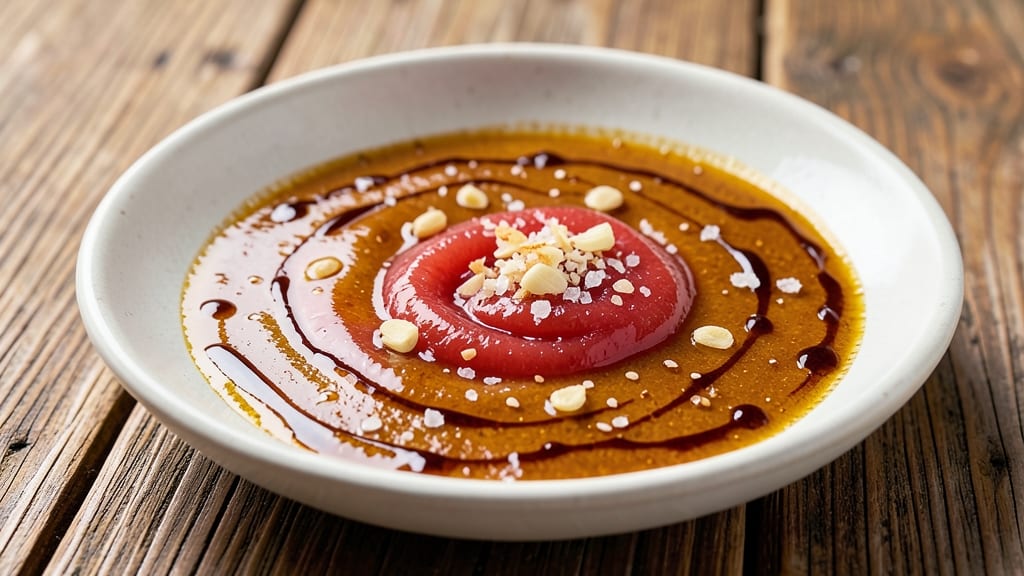
This aloha shoyu teriyaki sauce recipe transforms ordinary grilled meats into restaurant-worthy masterpieces with its bold Hawaiian-inspired umami punch. The secret lies in balancing traditional teriyaki with aloha shoyu's tangy depth, creating a glossy sauce that caramelizes beautifully on high heat.
I developed this recipe after years of experimenting with fusion flavors, and it never fails to elevate everything from chicken thighs to salmon fillets.
The magic happens through a slow simmer that reduces the sauce to perfect consistency—thick enough to cling to proteins but still glossy enough to glaze.
You'll use simple pantry staples like soy sauce, mirin, and brown sugar, but the aloha shoyu brings that tropical twist that sets this apart from classic teriyaki. The pineapple juice adds subtle sweetness while keeping the sauce from becoming too heavy.
What you'll end up with is a versatile sauce that works as both a marinade and finishing glaze, delivering deep caramelized flavor with every bite. The aroma alone will have everyone asking what you're cooking, and the taste—sweet, salty, and tangy all at once—is impossible to resist.
This sauce keeps well in the fridge for up to two weeks, making it perfect for meal prep and repeat use.
Whether you're grilling, stir-frying, or basting, this aloha shoyu teriyaki sauce will become your go-to for adding that perfect balance of sweetness and umami. Let's get started on creating this flavor-packed sauce that brings a taste of Hawaii to your kitchen.
Ingredients for aloha shoyu teriyaki sauce
Nine pantry staples transform into this restaurant-quality aloha shoyu teriyaki sauce.
| Ingredient | Amount | Notes |
|---|---|---|
| Aloha Shoyu 🥫 | ½ cup | Hawaiian soy sauce for depth |
| Light Soy Sauce 🥫 | ½ cup | For salty umami base |
| Mirin 🍶 | ¼ cup | Sweet rice wine for balance |
| Brown Sugar 🍚 | ½ cup | Packed, light variety |
| Pineapple Juice 🍍 | ¼ cup | Fresh for tropical sweetness |
| Garlic Cloves 🧄 | 4 cloves | Minced for aromatic punch |
| Fresh Ginger 🌿 | 1 tbsp | Grated, for zesty kick |
| Sesame Oil 🫒 | 1 tbsp | Toasted for nutty aroma |
| Rice Vinegar 🍶 | 1 tbsp | For tangy brightness |
| Honey 🍯 | 1 tbsp | Or agave for vegan option |
The aloha shoyu is the game-changer here—Hawaiian-style soy sauce with that extra depth you won't find in regular soy. Trader Joe's carries a great brand, but any aloha shoyu will do. For the brown sugar, light brown works best—it dissolves more smoothly than dark. The mirin adds that signature sweetness, so don't skip it. If you can't find mirin, dry sherry plus 1 tsp sugar is a solid swap. The garlic and ginger? Freshly grated and minced makes all the difference—pre-minced garlic loses its punch fast.
No aloha shoyu? Double the soy sauce plus 1 tsp fish sauce gets you close (though it won't be quite as Hawaiian). Out of mirin? White grape juice works in a pinch, though it'll be slightly more acidic. The honey can be swapped for agave or maple syrup if you're vegan. Sesame oil is optional but adds that nutty aroma that makes this sauce sing—toasted sesame oil is best, but regular works too. The pineapple juice? Canned is fine, but fresh has more vibrant flavor. If you're making this ahead, reduce the rice vinegar slightly—it'll mellow out over time.
This sauce gets better with time—24 hours in the fridge lets all the flavors meld perfectly. Store it in a glass jar with a tight seal, and it'll keep for up to 2 weeks. The flavors actually deepen after the first day, so don't be afraid to make extra. Freezes beautifully for up to 3 months—just thaw in the fridge overnight. The sauce thickens as it cools, so if it seems too thick when cold, add a splash of water or pineapple juice to loosen it up before using.
Why You'll Love This Recipe
- Pantry Magic: I swear, this sauce comes together with stuff I already have—no special shopping needed. Aloha Shoyu and mirin alone make it taste like a vacation, and the pineapple juice cuts through the richness so it doesn’t feel heavy.
- Sweet-Savory Balance: That caramelized brown sugar and mirin combo? It’s like a hug in a bottle. The Aloha Shoyu adds this deep umami kick, while the pineapple keeps it bright—perfect for when you want something rich but not overwhelming.
- Glazes Everything: Slather it on grilled chicken, toss it with tofu, or drizzle it over roasted veggies. Honestly, I’ve even used it as a marinade for shrimp—it’s that versatile. The sticky-sweet glaze? Always a crowd-pleaser.
- Leftovers That Shine: Make a big batch and store it in the fridge—it gets better over time, not worse. I’ve had this sauce last me a full week, and every time I pull it out, it’s still packed with flavor. Plus, it’s cheap to make; you’ll use half the bottle of soy sauce you’d normally buy.
Step-by-step instructions for aloha shoyu teriyaki sauce
This Hawaiian-inspired sauce delivers bold umami with a perfect balance of sweet and tangy notes.
Bloom the Aromatics in Sesame Oil
Heat the 1 tablespoon sesame oil in a medium saucepan over medium-low heat. Add the 4 cloves minced garlic cloves and 1 tablespoon freshly grated ginger, stirring constantly for 30 seconds until fragrant but not browned. This step unlocks the aromatic foundation of your sauce—don't rush it or the flavors will turn bitter.
Watch for the moment when the kitchen fills with that warm, nutty aroma from the sesame oil and the sharp, zesty scent of fresh ginger. That's your cue to move quickly to the next ingredient. If you smell burning, reduce the heat immediately—this sauce starts with delicate flavors that need gentle treatment.
Combine Wet Ingredients and Simmer
Pour in the 0.5 cup Aloha Shoyu and 0.5 cup light soy sauce, stirring to dissolve any sugar crystals. Add the 0.5 cup packed brown sugar, 0.25 cup pineapple juice, and 1 tablespoon rice vinegar, then bring the mixture to a gentle simmer over medium heat. You'll see small bubbles form at the edges—this tells you the liquid is heating properly without boiling over.
Simmer uncovered for 8-10 minutes, stirring occasionally, until the mixture reduces by about one-third and thickens slightly. You're looking for a glossy consistency that coats the back of a spoon. The sauce should smell like a perfect blend of caramelized sweetness and salty umami—this is where the magic happens. If it reduces too quickly, lower the heat to maintain gentle simmering.
Finish with Mirin and Honey
Remove the pan from heat and whisk in the 0.25 cup mirin and 1 tablespoon honey. Let the sauce sit off the heat for 2 minutes to allow the mirin to mellow and the honey to blend smoothly. The mirin will add a subtle sweetness that balances the tangy rice vinegar, while the honey rounds out any sharp edges in the sauce.
Taste and adjust the balance—you might want to add a splash more pineapple juice for brightness or a pinch of salt if the flavors need more depth. The sauce should coat your tongue with a perfect harmony of sweet, salty, and tangy notes. For the richest flavor, let it sit at room temperature for 10 minutes before using—this allows all the components to fully meld together.
Pro Tips For Making Aloha Shoyu Teriyaki Sauce
- Simmer Slow and Steady: I learned this the hard way—rushing the reduction on high heat turns your sauce bitter and cloying. Keep it at a gentle boil, stirring often, until it thickens to a glossy consistency that coats the back of a spoon. (Yes, even if you’re impatient like me.)
- Strain the Mirin: That gritty sediment in cheap mirin? It’s not your imagination—it’s actual sediment that’ll ruin the texture of your sauce. Strain it through a fine-mesh sieve or coffee filter before adding it to the pot. Trust me, your sauce will thank you.
- Balance the Sweetness First: Brown sugar and pineapple juice are teaming up to make this sauce sweet, but if you add all the sugar at once, you’ll end up with a syrup. Taste as you go—add half the sugar first, simmer, then adjust with the rest. The aloha shoyu’s saltiness will balance it out perfectly.
- Skip the Pre-Mixed Shortcut: I was skeptical until I tried it: mixing aloha shoyu and light soy sauce separately (instead of pre-mixing) gives you more control over the depth of flavor. Start with a 1:1 ratio, then tweak to taste—some batches need more umami, others more brightness. (Your future self will thank you.)
Troubleshooting perfect results
Sauce Too Thin?
If your sauce isn't thickening enough during simmering, you likely need to reduce it longer or adjust the heat. Try simmering uncovered for an additional 5-10 minutes over low heat—this evaporates excess liquid while concentrating flavors.
For a quicker fix, whisk in 1 teaspoon cornstarch mixed with 1 tablespoon water and simmer for 1-2 minutes until thickened. The key is patience—rushing causes splattering and uneven texture. 🌡️
Sauce Too Thick?
Over-reduced sauce? Thin it with pineapple juice or water, 1 tablespoon at a time, until you reach a glossy, spoonable consistency. Avoid thinning with acidic liquids like vinegar, as they can alter the flavor balance.
If the sauce separates, whisk vigorously over low heat to re-emulsify. For future batches, reduce heat slightly during simmering to prevent over-thickening.
Flavor Too Salty?
If the sauce tastes overly salty, balance it with pineapple juice or honey—both dilute salt while adding sweetness. For a more dramatic fix, whisk in 1-2 tablespoons water and simmer for 2-3 minutes to let flavors rebalance.
Avoid adding sugar directly, as it can make the sauce cloying. Taste as you go—this sauce should sing with harmony, not dominate with one flavor.
Flavor Too Sweet?
Cut sweetness by adding 1 teaspoon rice vinegar or lemon juice to brighten the sauce. For a deeper fix, simmer in a splash of water for 2-3 minutes to dilute sugar concentration.
If the sauce tastes flat afterward, boost umami with ½ teaspoon fish sauce** or an extra pinch of salt. The goal is balance—this sauce should dance between sweet, salty, and tangy.
Sauce Separates?
Separation happens when fats (like sesame oil) or sugars crystallize. Whisk vigorously over low heat while adding 1 tablespoon water to re-emulsify. For stubborn separation, blend with an immersion blender for 10-15 seconds.
To prevent this, stir frequently during simmering and avoid boiling. A smooth, glossy sauce is your reward for gentle care. ✨
Storage Issues?
If your sauce develops mold or off smells after refrigeration, it’s gone bad—discard it immediately. To prevent spoilage, store in a sterilized glass jar with a tight seal. For longer storage, freeze in ice cube trays—thaw cubes in the fridge overnight for fresh use.
The sauce’s shelf life is 2 weeks refrigerated or 3 months frozen, but always check for freshness before using.
Nutrition facts
Frequently asked questions
What makes aloha shoyu teriyaki sauce different from regular teriyaki?
The aloha shoyu brings a deeper, more complex flavor profile with its unique blend of Hawaiian soy sauce and subtle tropical notes. While traditional teriyaki relies on soy sauce and mirin, this version incorporates pineapple juice and aloha shoyu for a sweeter, tangier balance that's perfect for grilling or stir-frying.
Can I use this sauce as a marinade?
This sauce works beautifully as a marinade for chicken, pork, or fish. For best results, marinate proteins for 2-4 hours in the fridge before cooking. The acidity in the rice vinegar and pineapple juice helps tenderize the meat while infusing it with rich flavor.
How do I adjust the sweetness level?
If you prefer less sweetness, reduce the brown sugar to ¼ cup or swap 1 tablespoon honey for rice vinegar. For extra sweetness, add 1-2 tablespoons more pineapple juice or increase the mirin by 1 tablespoon. Always taste as you go to achieve the perfect balance.
What's the best way to store leftover sauce?
Store in an airtight glass jar in the fridge for up to 2 weeks. For longer storage, freeze in ice cube trays—thaw overnight in the fridge. The flavors actually deepen after the first day, so making extra is worth it! Just give it a stir before using.
Can I make this sauce without mirin?
Yes! Replace mirin with ¼ cup dry white wine plus 1 teaspoon sugar or ¼ cup white grape juice. The alcohol in wine will cook off during simmering, leaving behind sweetness. For a non-alcoholic option, use ¼ cup apple juice** instead. The sauce will still taste delicious!