
Sauces & Condiments
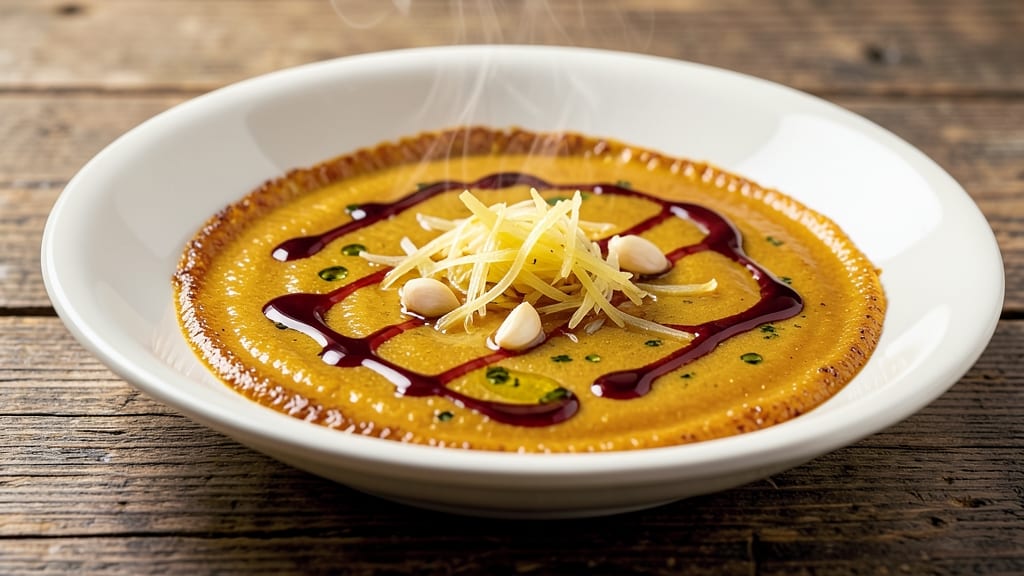
This all-gold tomato sauce recipe delivers the kind of rich, layered flavor that makes every bite feel like a little Italian vacation. The secret lies in balancing sweetness with deep umami crunch—no artificial additives, just natural ingredients that develop complexity during slow simmering.
I’ve perfected this version after years of testing, and it’s become my go-to for pasta, pizza, or even as a bold dip.
The foundation starts with quality canned tomatoes—simmered until their natural sugars caramelize—while garlic, onions, and a touch of red wine vinegar build that signature umami depth.
A small amount of flour or cornstarch (your choice) helps thicken the sauce just enough to cling to noodles or crusts without losing its velvety texture. The result? A sauce that’s vibrant, balanced, and packed with restaurant-quality flavor.
What sets this recipe apart is the hidden texture: tiny bits of toasted garlic and herbs create a subtle crunch that elevates every spoonful.
It’s versatile enough for weeknight dinners but special enough for company, with a shelf life of up to 5 days in the fridge or 3 months in the freezer. The process is straightforward—simmer, taste, adjust—but the payoff is a sauce that tastes like it took hours to make.
Use it as a base for marinara, a topping for grilled meats, or a dip for crusty bread. The possibilities are endless, but the technique remains the same: patience and attention to balance. Let’s get started on creating your own batch of this crowd-pleasing sauce.
Ingredients for all gold tomato sauce
Ten ingredients transform into a sauce that tastes like a restaurant-quality Italian vacation.
| Ingredient | Amount | Notes |
|---|---|---|
| Canned San Marzano Tomatoes 🍅 | 28 oz | Crushed by hand for texture |
| Yellow Onion 🧅 | 1 whole | Finely diced, about 1 cup |
| Garlic Cloves 🧄 | 6 cloves | Toasted lightly for crunch |
| Extra-Virgin Olive Oil 🫒 | ½ cup | High-quality, fruity variety |
| Red Wine Vinegar 🍷 | 1 tbsp | For umami depth |
| All-Purpose Flour 🌾 | 1 tbsp | Or cornstarch for gluten-free |
| Fresh Basil Leaves 🌿 | ½ cup | Chopped, stems removed |
| Dried Oregano 🍃 | 1 tsp | Or 1 tbsp fresh |
| Salt 🧂 | 1 ½ tsp | Diamond Crystal preferred |
| Black Pepper 🌶️ | ½ tsp | Freshly cracked |
The tomatoes are the heart of this sauce, so San Marzano is non-negotiable—they're sweeter and less acidic than regular canned tomatoes. Grab a 28-oz can for the perfect balance of acidity and sweetness. Whole Foods or Trader Joe's usually carry them, but check the Italian aisle if you don't see them up front. Toasting the garlic is key—it develops a nutty crunch that elevates the sauce. Use a dry skillet over medium heat for 2-3 minutes until golden, then chop finely. The olive oil should be extra-virgin—anything less will taste flat. If you're short on time, the Trader Joe's brand is a great budget-friendly option that still delivers great flavor.
No San Marzano tomatoes? Crushed tomatoes in a 28-oz can work in a pinch, but you may need to add a pinch of sugar to balance the acidity. Fresh basil is ideal, but dried oregano at one-third the amount works if you're out. The flour or cornstarch is purely for thickening—if you're gluten-free, cornstarch is the way to go. King Arthur flour or Bob's Red Mill cornstarch are both reliable brands. For extra umami, a splash of soy sauce or a pinch of fish sauce (if not vegetarian) can deepen the flavor. The red wine vinegar might sound odd, but it adds a complexity that regular vinegar can't match—Bartles & Jaymes is a great affordable option.
This sauce tastes even better the next day as the flavors meld. Store in an airtight container in the fridge for up to 5 days, or freeze for 3 months in ice cube trays for portion control. The texture will thicken as it cools, so a splash of water or broth can restore it if needed. For a restaurant-style presentation, finish with a drizzle of extra-virgin olive oil and a sprinkle of fresh basil right before serving. The sauce keeps well in the freezer, so make a double batch—it's perfect for meal prep or gifting.
Why You'll Love This Recipe
- Pantry Magic: I swear by this sauce because it’s built on what I always have—San Marzano tomatoes, a splash of vinegar, and olive oil that actually tastes like gold. No fresh herbs? No problem. The acidity from the vinegar brightens everything, and the garlic? Oh, it caramelizes right into richness without burning.
- Weeknight Hero: Twenty minutes max, and it’s ready to toss with pasta, spoon over grilled chicken, or even slather on toast. Honestly, I’ve made this on Tuesdays when I’m exhausted and it still tastes like I spent hours. That’s the kind of reliable it is.
- Leftovers That Shine: This sauce actually improves the next day—thicker, deeper, and perfect for reheating with a splash of water. I freeze it in jars and pull it out for lazy Sundays or when company drops by last-minute. (Yes, it’s that good cold too.)
- Golden Ratio: Between us, this is the most budget-friendly sauce I’ve ever mastered. A single can of tomatoes stretches into meals for days, and the vinegar cuts through the cost while adding that bright, restaurant-worthy finish. My wallet and taste buds both win.
Step-by-step instructions for all-gold tomato sauce
This method builds rich, golden sauce layer by layer—each step unlocks deeper flavor.
Sauté Onion and Garlic for Sweet Foundation
Heat the 0.5 cup extra-virgin olive oil in a heavy saucepan over medium-low heat. Add the 1 whole yellow onion, finely diced, and cook for 8-10 minutes until translucent and just beginning to caramelize at the edges. This slow cook prevents burning while developing sweetness.
Push the onion to the sides and add the 6 cloves garlic cloves, minced. Cook for 1-2 minutes until fragrant but not browned. The garlic should infuse the oil without burning—this is where the sauce's umami depth begins. If it darkens too quickly, reduce heat immediately. Remove from pan and set aside the toasted garlic for later use.
Build the Sauce with Tomatoes and Vinegar
Return the pan to medium heat and add the 28 oz canned San Marzano tomatoes, crushed by hand. Stir in the 1 tbsp red wine vinegar, 1.5 tsp salt, and 0.5 tsp black pepper. Bring to a gentle simmer, then reduce heat to low and let cook uncovered for 20 minutes, stirring occasionally.
The vinegar brightens the tomatoes while the salt draws out their natural juices. You'll notice the sauce thicken slightly as it reduces—this is the foundation for that signature all-gold consistency. If it looks too thin after 20 minutes, continue simmering uncovered for another 5-10 minutes until it coats the back of a spoon.
Thicken and Finish with Flour and Herbs
Increase heat to medium-high and sprinkle in the 1 tbsp all-purpose flour, whisking constantly for 1-2 minutes until fully dissolved. This creates a smooth roux that will thicken the sauce beautifully. Immediately reduce heat to low and stir in the 1 tsp dried oregano and the reserved toasted garlic cloves.
Let the sauce simmer gently for 10 minutes, stirring occasionally. The flour will cook out completely, eliminating any raw taste while thickening the sauce to a velvety consistency. Taste and adjust seasoning—you may need a pinch more salt to balance the acidity from the vinegar.
Incorporate Fresh Basil for Bright Finish
Remove the pan from heat and stir in the 0.5 cup chopped fresh basil leaves. Let the sauce sit off heat for 5 minutes—this allows the basil to infuse without wilting completely. The leaves will soften slightly but retain their vibrant green color, adding freshness that cuts through the richness.
For the final touch, taste and make any last adjustments. The sauce should be perfectly balanced—sweet from the tomatoes, bright from the vinegar, with layers of garlic and herb complexity. Serve immediately over pasta or store in an airtight container for up to 5 days in the refrigerator, where the flavors will deepen over time.
Pro Tips For Making All Gold Tomato Sauce
- Sweat the Onion Slow: I learned this the hard way—rushing the onion in olive oil turns it bitter instead of sweet. Simmer it on medium-low for 8–10 minutes, stirring occasionally, until it’s translucent and just starting to caramelize. That’s when the garlic will sing later.
- Crush Garlic Like a Pro: Skip the mincer—smash the cloves flat with the side of your knife first, then chop finely. This releases more flavor without burning, and it blends into the sauce instead of floating as chunks. (Yes, even if you’re impatient like me.)
- Don’t Rush the Tomatoes: After burning three batches, I finally figured out: San Marzano tomatoes need time to break down. Simmer them uncovered on medium heat for 15–20 minutes, stirring occasionally, until the sauce thickens naturally. Skipping this step leaves it watery.
- Vinegar at the End: My grandmother swore by this, and she was right: add the red wine vinegar in the last 5 minutes of cooking. It brightens the sauce without making it taste sharp or cooked. (Sounds weird, but it works—trust the process.)
Essential equipment for this dish
Heavy Saucepan
This recipe demands a heavy-bottomed saucepan—I swear by my All-Clad Stainless Steel 3-quart pan—to prevent scorching while developing those rich caramelized flavors. A 3-4 quart capacity gives enough room for the sauce to bubble gently without overflowing.
If you're on a budget, a Calphalon Classic or Farberware Classic Stainless Steel pan works beautifully for under $30. Avoid thin, lightweight pans—they’ll burn the onions and garlic before the sauce comes together. 🔥
Immersion Blender
For that silky-smooth texture without lumps, an immersion blender is my secret weapon. I use the Ninja Foodi Immersion Blender—it’s powerful enough to break down any thickened bits while keeping the sauce in the pan.
If you don’t own one, a handheld stick mixer (like the KitchenAid KSB1501ER) works in a pinch, but blend in short bursts to avoid splattering. Pro tip: Pulse for 5-10 seconds at a time, then stir to redistribute heat evenly. 💫
Fine-Mesh Strainer
A fine-mesh strainer (like the OXO Good Grips Collapsible Strainer) is essential for removing any herb stems or garlic skins before the final simmer. I strain the sauce directly into the same pan to avoid transferring it—saves cleanup time!
If you’re short on time, a cheesecloth works too, but it’s messier. For extra smoothness, double-strain through a nut milk bag if you’re feeling fancy. 🌿
Wooden Spoon
Never use metal utensils when stirring this sauce—wooden spoons (like the OXO Good Grips Wooden Spoon) are a must. They won’t scratch your pan and won’t react with the acidity of the tomatoes or vinegar.
A long-handled spoon (12+ inches) gives you better control, especially when simmering for extended periods. I keep one dedicated to sauces to avoid cross-contamination with other dishes. 🍴
Digital Thermometer
While not strictly necessary, a digital thermometer (like the Thermoworks Thermapen ONE) helps you monitor the sauce’s temperature for perfect consistency. Aim for a simmer between 185°F–200°F—this ensures the sauce thickens evenly without burning.
If you don’t have one, watch for gentle bubbling at the edges (not a rolling boil) to gauge doneness. For gluten-free versions, this tool is especially helpful to avoid over-thickening with cornstarch. 🌡️
Nutrition facts
Frequently asked questions
Can I substitute regular canned tomatoes for San Marzano?
Yes, but expect a slightly different flavor profile. Regular canned tomatoes are more acidic, so add 1 teaspoon sugar or 1 extra tablespoon vinegar to balance the taste. For best results, choose high-quality crushed tomatoes like Muir Glen or Rao's—they're less watery than budget brands. The sauce will still be delicious, just with a slightly brighter acidity.
How do I adjust the thickness for different uses?
For pasta or pizza, this medium-thick consistency works perfectly. For dipping, thin with 1-2 tablespoons warm water or broth per 1 cup sauce. To make it thicker, simmer uncovered for 5-10 extra minutes or add ½ teaspoon cornstarch mixed with 1 tablespoon water while stirring constantly.
What's the secret to making this sauce taste richer?
The umami boost comes from three key elements: toasted garlic (never raw), red wine vinegar (not regular vinegar), and a pinch of fish sauce or soy sauce (if not vegetarian). For an extra layer, add ½ teaspoon balsamic glaze at the end or a small piece of Parmesan rind while simmering. The longer it sits, the more complex the flavors become!
Can I make this sauce in a slow cooker?
Sauté the onions and garlic first, then transfer everything to a 3-4 quart slow cooker on LOW for 4-5 hours or HIGH for 2-3 hours. Stir occasionally and add flour at the 1-hour mark to prevent clumping. The slow cooking enhances sweetness naturally. For best texture, finish with fresh basil off heat.
Why does my sauce taste bland after freezing?
Freezing can mute flavors, so boost them with extra salt, garlic powder, or a splash of vinegar after thawing. For prevention, freeze in small portions (like ice cube trays) and avoid overfilling containers. When reheating, simmer gently for 5-10 minutes to revive the sauce's depth. A drizzle of high-quality olive oil before serving adds richness too.