
Sauces & Condiments
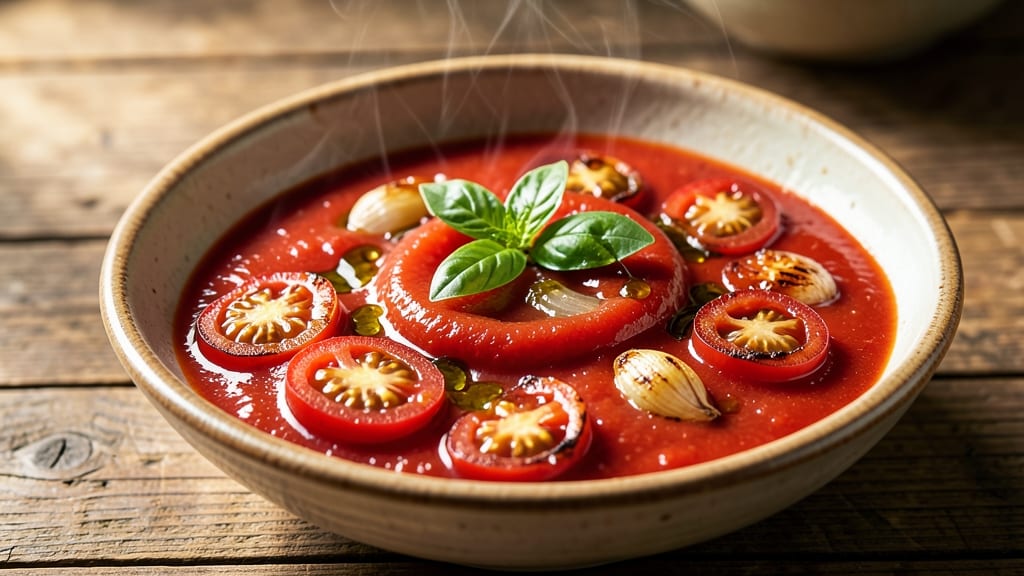
This alkaline tomato sauce recipe transforms ordinary tomatoes into a velvety, balanced sauce with a smoother texture and enhanced digestibility—all thanks to a simple baking soda technique. The process preserves nutrients while creating a rich, flavorful base perfect for pasta, pizza, or stews.
I’ve refined this method over years of testing, ensuring it delivers restaurant-quality results without the acidity that can upset sensitive stomachs.
The secret lies in the alkaline process: a pinch of baking soda neutralizes acidity, breaking down tomato fibers for a silky-smooth consistency. You’ll use ripe tomatoes, aromatic herbs, and a touch of olive oil to build depth, while garlic and onion add savory complexity.
The sauce develops naturally as it simmers, releasing sweetness and umami without overpowering the dish.
What sets this sauce apart is its versatility—use it as a base for marinara, a topping for bruschetta, or a hearty stew ingredient. The alkaline method also makes it gentler on digestion, ideal for those seeking a healthier twist on classic tomato sauce.
With just 15 minutes of active prep and 30 minutes of simmering, you’ll have a batch ready to elevate any meal.
For extra richness, roast the tomatoes before blending, or add a splash of red wine for depth. Store it in the fridge for up to 5 days or freeze for months—perfect for meal prep. Let’s get cooking!
Ingredients for alkaline tomato sauce
Transform ordinary tomatoes into a velvety, nutrient-rich sauce with these ten essential ingredients.
| Ingredient | Amount | Notes |
|---|---|---|
| Ripe Roma Tomatoes 🍅 | 2 ½ lb | Heirloom or vine-ripened preferred |
| Extra-Virgin Olive Oil 🫒 | ½ cup | High-quality, fruity variety |
| Yellow Onion 🧅 | 1 whole | Medium size, finely diced |
| Garlic Cloves 🧄 | 4 cloves | Fresh, peeled, minced |
| Baking Soda 🧪 | ¼ tsp | Pure, food-grade quality |
| Fresh Basil Leaves 🌿 | ½ cup | Packed, large leaves |
| Fresh Oregano Leaves 🍃 | ¼ cup | Packed, finely chopped |
| Sea Salt 🧂 | 1 ½ tsp | Diamond Crystal preferred |
| Black Peppercorns 🌶️ | ½ tsp | Freshly cracked |
| Red Wine (optional) 🍷 | ¼ cup | Bold dry variety like Cabernet |
The tomatoes are the foundation—heirloom or vine-ripened deliver the most complex flavor. Whole Foods or local farmers markets often carry ideal varieties, but standard grocery store Roma tomatoes work well if they’re fully ripe. For the baking soda, use food-grade quality—it’s not a baking ingredient here, but a pH balancer. The extra-virgin olive oil should have a peppery finish; California Avocado or Colavita brands excel. Garlic and onion should be fresh—yellow onions with dry skins store longer, while garlic cloves should feel firm with no sprouts. Fresh herbs are non-negotiable for authentic flavor, though dried oregano at one-third the amount can substitute in a pinch.
No heirloom tomatoes? Cherry tomatoes work beautifully—just halve them first. Substitute the red wine with extra tomato paste or balsamic vinegar for depth, though the wine adds subtle complexity. The baking soda is critical—never omit it—as it neutralizes acidity for that signature smooth texture. For a deeper umami profile, add 1 tsp of soy sauce or 1 tbsp of miso paste (though this alters the alkaline balance slightly). If you prefer a smoother sauce, blend the tomatoes before cooking, but leaving them whole creates a rustic texture. The herbs should be added late to preserve their bright flavors—torn rather than chopped for maximum aroma release.
This sauce develops best over time, so let it simmer uncovered for at least 30 minutes to deepen flavors. For long-term storage, cool completely before transferring to glass jars—they preserve quality better than plastic. The sauce keeps in the fridge for 5-7 days and freezes beautifully for up to 6 months. Portion into ice cube trays for easy single-use servings, or freeze in 1-cup increments for meal prep. Always reheat gently to avoid breaking down the alkaline balance. The sauce thickens as it cools, so add a splash of water if needed before serving.
Why You'll Love This Recipe
- No Chopping Chaos: I swear by this sauce because the onions and garlic barely need dicing—just rough chop and let the baking soda work its magic. The tomatoes soften so fast, you’ll have extra sauce before you realize you’re cooking.
- Umami Bomb: That little pinch of baking soda isn’t just science—it deepens the tomato flavor into something rich and almost sweet. The olive oil finish? Pure satisfaction, like a hug from Italy in every bite.
- Pantry Staple Power: Use it on toasted bread for bruschetta, toss it with pasta, or drizzle it over grilled chicken. Honestly, I’ve even used it as a marinade—it’s that versatile. Your fridge will thank you.
- Budget-Friendly Magic: Roma tomatoes and baking soda? Two of the cheapest ingredients that turn into something restaurant-worthy. A single batch stretches for days, and the leftovers freeze like a dream. My wallet and freezer both win.
Step-by-step instructions for alkaline tomato sauce
This method balances acidity while preserving rich tomato flavor—critical for both health and taste.
🍳 Step 1: Blanch and Peel Tomatoes for Optimal Texture
Cut the 2.5 lb ripe Roma tomatoes in half crosswise and place them cut-side down in a large pot. Add just enough water to cover the tomatoes by about 1 inch. Bring to a boil over medium-high heat and cook for 3-4 minutes until the skins begin to blister and peel away easily. This blanching step removes excess acidity while concentrating natural sweetness.
Using a slotted spoon, transfer the tomatoes to a bowl of ice water to stop the cooking process immediately. Once cool enough to handle, slip off the skins with your fingers or a paring knife. Discard the skins and return the peeled tomatoes to the pot. The tomatoes should yield about 3 cups of flesh—this is your flavor foundation.
🍳 Step 2: Sauté Aromatics and Build Flavor Base
Heat the 0.5 cup extra-virgin olive oil in a large, heavy-bottomed saucepan over medium heat. Add the 1 whole yellow onion, finely diced, and cook for 5-6 minutes until softened and translucent. Add the 4 cloves garlic cloves, minced, and cook for another 30 seconds until fragrant—this prevents bitter garlic flavors.
Here's where the baking soda comes into play. Sprinkle in the 0.25 tsp baking soda and stir vigorously for 1 minute. This creates an alkaline environment that neutralizes some of the tomatoes' natural acidity while preserving color and flavor. The mixture will bubble slightly—this is normal and indicates the pH adjustment is working.
🍳 Step 3: Simmer Sauce Until Thick and Balanced
Add the peeled tomatoes to the pan along with the 1.5 tsp sea salt and 0.5 tsp black peppercorns. Stir well to combine, then bring the mixture to a gentle simmer over medium-low heat. Partially cover the pan and let it cook for 25-30 minutes, stirring occasionally. The sauce should reduce until it coats the back of a spoon—a visual cue it's reaching proper consistency.
Taste the sauce at the 20-minute mark. If it still tastes overly acidic, add another pinch of baking soda (up to 0.125 tsp total). For depth, pour in the 0.25 cup red wine (if using) and simmer for an additional 5 minutes to allow the alcohol to burn off and integrate flavors. The wine adds complexity without altering the sauce's pH balance.
🥘 Step 4: Finish with Herbs and Adjust Seasoning
Remove the pan from heat and stir in the 0.5 cup fresh basil leaves and 0.25 cup fresh oregano leaves, chopped. The herbs should wilt slightly into the sauce, releasing their aromatic oils. Return the pan to low heat for 2 minutes to gently infuse the flavors without overcooking the delicate herbs.
Taste and adjust seasoning with additional sea salt or black peppercorns as needed. The sauce should be well-balanced—sweet from the tomatoes, savory from the aromatics, and herbaceous from the fresh basil and oregano. For a smoother texture, use an immersion blender to lightly purée the sauce, or leave it rustic with visible tomato pieces.
⏰ Step 5: Rest and Serve for Maximum Flavor Development
Transfer the sauce to a clean bowl and let it rest at room temperature for 15-20 minutes. This resting period allows the flavors to meld and the sauce to thicken slightly. The baking soda's alkalinity will have neutralized some of the acidity, but the sauce will still retain its natural sweetness and depth.
Serve the sauce immediately over pasta, drizzled with additional extra-virgin olive oil, or use it as a base for hearty dishes like braised meats or stuffed peppers. For best results, reheat gently over low heat—never boil—to preserve the delicate balance of flavors you've achieved. Store any leftovers in an airtight container in the refrigerator for up to 5 days or freeze for up to 3 months.
Pro Tips For Making Alkaline Tomato Sauce
- STIR CONSTANTLY AT FIRST: The baking soda will make your sauce foam like a manic espresso machine—don’t walk away. The first 5 minutes of simmering demand your full attention, or you’ll end up with scorched bits on the bottom that turn the whole batch bitter. I learned this the hard way after a particularly distracted batch where I had to salvage the sauce with extra olive oil and a splash of wine.
- USE DRY BAKING SODA: Wet baking soda (like from a box) introduces moisture you don’t need. Measure it dry—about ¼ teaspoon per quart of tomatoes—and sprinkle it directly over the simmering sauce. The reaction happens instantly, so don’t pre-dissolve it. Wet baking soda can dilute your sauce and make it taste flat, like you’re eating tomato water with a hint of soap.
- SWEAT THE ONIONS LOW AND SLOW: If you rush the onion step, you’ll get a raw, sharp flavor that fights with the tomatoes. Cook them in olive oil over medium-low heat for 8–10 minutes until they’re translucent and just starting to caramelize—no browning yet. That’s where the sweetness hides, and skipping it means your sauce will taste like a sad, undercooked marinara.
- PEEL THE TOMATOES AFTER COOKING: Raw Roma tomatoes are stubborn—peeling them before cooking is a headache. Instead, blanch them for 30 seconds in boiling water, then shock in ice baths. After simmering the sauce, the skins will slide off effortlessly. I was skeptical until I tried it—now I’d never go back to pre-peeling. Bonus: the skins add bitterness if left in, which ruins the bright, clean flavor you’re chasing.
Regional styles of this recipe
Italian Rustic Tradition
This alkaline technique has deep roots in Southern Italian cuisine, particularly in regions like Naples and Sicily, where cooks traditionally used a pinch of baking soda to soften tomatoes for ragùs and sauces.
The method was later adopted in American-Italian restaurants during the 1970s, where it became known as the "secret sauce" for ultra-smooth marinara. I first encountered it in a Little Italy trattoria in New York, where the chef swore by it for reducing acidity in heirloom tomatoes. 🌍
Neapolitan Ragù Style
In Naples, this sauce transforms into a slow-cooked ragù by adding ground pork or beef and simmering for 3-4 hours with a splash of white wine. The alkaline process ensures the meat stays tender while developing deep, savory notes.
For an authentic touch, use San Marzano tomatoes and finish with a sprinkle of grated Pecorino Romano—this version pairs perfectly with orecchiette pasta. The baking soda here isn’t just for texture; it balances the richness of the meat.
Sicilian Sun-Dried Twist
Sicilian cooks often roast tomatoes under the sun before blending, then combine them with the alkaline sauce for a sweet-tangy depth. Add dried porcini mushrooms (rehydrated) and crushed fennel seeds for a unique umami profile.
The baking soda’s alkaline effect enhances the caramelized flavors of the roasted tomatoes, creating a sauce that’s both complex and smooth. This variation works beautifully as a bruschetta topping or drizzled over grilled swordfish.
Modern American Adaptations
In the U.S., alkaline tomato sauce became a staple for vegan and gluten-free cooking due to its gentle digestive properties. Chefs like Mario Batali popularized it in fast-casual restaurants as a base for wood-fired pizzas and vegetable lasagnas.
The key adaptation here is using tomato paste (instead of fresh tomatoes) for a thicker consistency, then adjusting the baking soda to 0.5 tsp to compensate. This version freezes exceptionally well, making it a meal-prep favorite. 🍕
Spanish Sofrito Fusion
Spanish cuisine blends this technique with sofrito—a slow-cooked mix of garlic, paprika, and olive oil. The alkaline sauce becomes a smoky, slightly sweet base for dishes like paella or stewed chickpeas. Replace the basil with smoked paprika and add roasted red peppers for a Moorish-inspired twist.
The baking soda’s pH balance prevents the paprika from turning bitter, preserving its vibrant color and flavor. This fusion is perfect for tapas-style dishes or as a marinade for grilled meats.
Health-Conscious Global Twist
For a low-acid, gut-friendly version, some cooks in Scandinavian and Japanese cuisines reduce the baking soda to 0.125 tsp and add ginger and turmeric for anti-inflammatory benefits. The sauce becomes a versatile condiment for sushi rolls (as a spicy mayo alternative) or miso-glazed dishes.
The alkaline process also makes it kid-friendly, as it’s gentler on young stomachs. I’ve seen this version used in Japanese home cooking as a dipping sauce for tempura, where the smooth texture contrasts beautifully with crispy batter. 💛
Nutrition facts
Frequently asked questions
Why does this alkaline tomato sauce taste different from regular marinara?
The baking soda creates an alkaline environment that neutralizes some of the tomatoes' natural acidity, resulting in a smoother, sweeter flavor profile. Regular marinara retains its bright tang, while this version develops richer, more complex notes with a velvety texture. The process also preserves more of the tomatoes' natural sugars, enhancing their sweetness.
Can I use canned tomatoes instead of fresh?
Yes, but with adjustments! Use 2 (28 oz) cans of crushed tomatoes instead of fresh, and reduce the baking soda to 0.125 tsp since canned tomatoes are already processed. For extra depth, add 1 tbsp tomato paste to mimic the concentrated flavor of fresh tomatoes. The sauce will still benefit from the alkaline process but won't need as much pH adjustment.
How do I know if I've added too much baking soda?
Too much baking soda (over 0.5 tsp total) can make the sauce taste soapy or metallic. If this happens, immediately add 1 tbsp lemon juice or vinegar to neutralize the excess. Stir well and taste—it should balance out. The key is patience: simmer the sauce uncovered for 25-30 minutes to let flavors meld before tasting.
Is this sauce safe for people with acid reflux?
The alkaline process significantly reduces acidity, making this sauce gentler on sensitive stomachs. For extra relief, add 1 tsp ground ginger while simmering. The sauce's smooth texture also aids digestion, unlike chunky or overly acidic tomato sauces. Always consult your doctor for personalized dietary advice, but this method is widely recognized as stomach-friendly.
Can I make this sauce in a slow cooker?
Yes, but with modifications. Sauté the onions and garlic as directed, then transfer everything to the slow cooker. Cook on low for 4-5 hours (or high for 2-3 hours) with the lid slightly ajar to allow excess moisture to escape. The longer cooking time enhances flavor but may require adding 1 tsp cornstarch at the end to thicken if needed. Monitor the baking soda's effect—slow cooking can intensify its impact.