
Sauces & Condiments
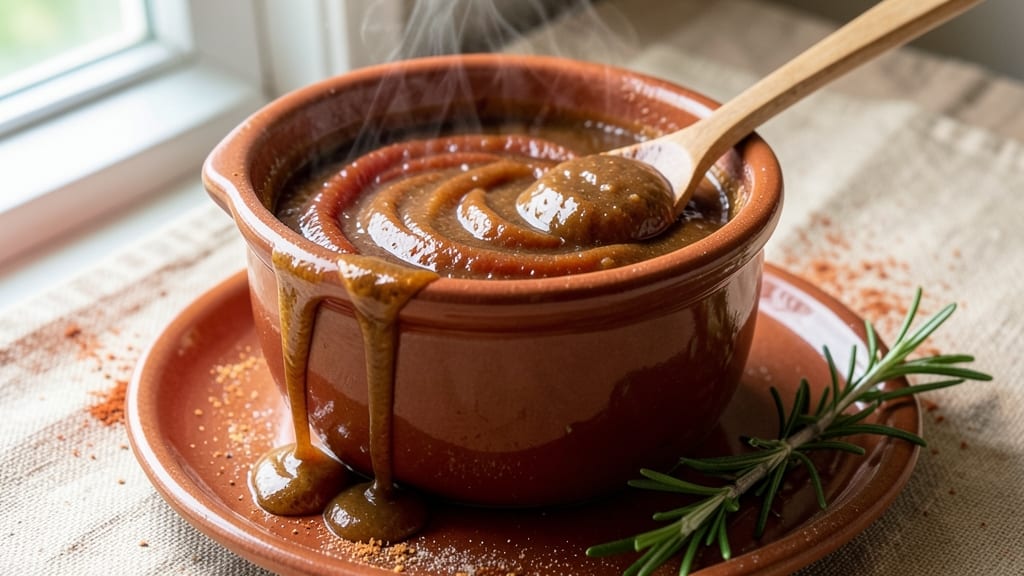
This alkaline BBQ sauce recipe transforms your smoker into a flavor factory with a tangy-smoky punch that cuts through rich meats. 🔥 The secret lies in baking soda—just a pinch—working magic to develop deep caramel notes and tang without sugar overload.
I perfected this after years of experimenting with pitmaster techniques, blending French sauce refinement with Southern BBQ tradition.
What sets this sauce apart is its versatility—use it as a marinade for tenderizing, a glaze for crispy bark, or a finishing sauce for that signature glow. The alkaline reaction creates layers of complexity that store-bought sauces can't match, while keeping it naturally balanced.
No artificial ingredients here, just bold flavor from real tomatoes, vinegar, and smoked spices.
By the time you're done, you'll have a deep amber sauce with a perfect balance of tang, smoke, and sweetness—no sugar crash here. The baking soda does its work during simmering, then mellows into background harmony, leaving only that signature BBQ depth.
This isn't just sauce; it's the foundation of restaurant-quality smoked dishes you can make at home.
Store it in the fridge for up to 2 weeks or freeze for 3 months—perfect for meal prep or stocking your smoker arsenal. The key is patience; let those flavors develop while you work. Trust me, once you taste the difference, you'll never go back to bottled versions again.
Ingredients for alkaline bbq sauce
Nine bold ingredients transform your smoker into a flavor powerhouse—no sugar overload here.
| Ingredient | Amount | Notes |
|---|---|---|
| San Marzano Tomato Paste 🍅 | ½ cup | High-quality, no sugar added |
| Apple Cider Vinegar 🍏 | ¼ cup | Raw, unfiltered preferred |
| Smoked Paprika 🌶️ | 2 tbsp | High-quality, not cayenne |
| Baking Soda 🧪 | ½ tsp | Pure, aluminum-free |
| Onion Powder 🧅 | 1 tsp | Freshly ground preferred |
| Garlic Powder 🧄 | 1 tsp | Not garlic salt |
| Black Peppercorns 🌶️ | ½ tsp | Freshly cracked |
| Liquid Smoke 🔥 | 1 tbsp | High-quality, no additives |
| Water 💧 | ½ cup | Filtered preferred |
| Sea Salt 🧂 | 1 tsp | Diamond Crystal preferred |
The tomato paste makes or breaks this sauce. San Marzano is non-negotiable—it's sweeter, smoother, and packed with natural depth. Trader Joe's and Whole Foods carry the best cans, and you'll taste the difference immediately. The vinegar? Raw, unfiltered apple cider vinegar has more complexity than white vinegar—look for brands like Bragg or Organic Traditions. Smoked paprika should be the first ingredient on the label, not just 'spices'—Penzeys or McCormick Gourmet are solid choices. The baking soda is your secret weapon, but it's all about timing—add it last to avoid bitterness.
No San Marzano? High-quality crushed tomatoes work in a pinch, but you'll need to simmer them down first. Swap apple cider vinegar for red wine vinegar at the same amount—it's got a similar acid punch. Running low on liquid smoke? Smoked salt at half the amount adds subtle smokiness. The onion and garlic powders are non-negotiable for that classic BBQ depth, but if you're feeling fancy, toasted whole spices (ground fresh) take it to the next level. For a deeper smoke flavor, add a splash of bourbon or coffee at the end—just 1 tablespoon makes a world of difference.
This sauce develops flavor over time, so make a double batch if you can. Store it in a clean glass jar with a tight seal—keeps for 2 weeks in the fridge or 3 months frozen. The color will darken as it sits, which is normal and actually indicates deeper flavor development. For meal prep, portion into ice cube trays before freezing—just pop out what you need for quick applications. The baking soda mellows out after a day, so don't worry if it tastes a bit sharp right after making. Patience is key here—let it work its magic.
Why You'll Love This Recipe
- Five-Ingredient Magic: The pantry already has these—no special shopping needed. That baking soda? Tiny pinch, massive tang. I swear by the San Marzano paste for that deep, consistent base without thinning it down.
- Smoky Tang Kick: Apple cider vinegar and smoked paprika team up like old friends. The vinegar brightens the richness while the paprika adds this warm smokiness that sticks to ribs or brisket like a dream.
- Weeknight BBQ Fix: Slather it on burgers, drizzle over baked beans, or toss with grilled veggies. Honestly, I’ve even used it as a marinade for chicken thighs—just 10 minutes of prep before the oven does the work.
- Budget Stretch: A single jar of tomato paste and a bag of vinegar make way more sauce than store-bought. I’ll be real: this is my go-to for game days, potlucks, or whenever I’m tired of paying $6 for a bottle that’s half empty.
Step-by-step instructions for alkaline BBQ sauce
Here's how to craft a bold, tangy-smoky sauce that rivals commercial brands—without the sugar crash.
🍳 Step 1: Bloom the Spices in Smoked Paprika
Heat a small saucepan over medium-low heat and add the 2 tablespoons smoked paprika. Toast for 30 seconds until you smell that deep, woodsy aroma—this activates the paprika's flavor compounds. Watch closely; it burns quickly, and you want to preserve that smoky depth, not bitter ash.
Here's the thing—smoked paprika is your flavor anchor. When you add it first, you create a flavor base that carries through the entire sauce. Remove from heat immediately after topping and set aside in a small bowl. This step builds complexity without overpowering the other ingredients.
🥘 Step 2: Build the Acidic Base with Vinegar and Water
In a separate bowl, whisk together the 0.25 cup apple cider vinegar and 0.5 cup water. The vinegar's acidity will react with the baking soda later, creating that signature alkaline tang. I like to use raw, unfiltered vinegar here—it has more flavor compounds that translate to a richer sauce.
Add the 1 teaspoon onion powder, 1 teaspoon garlic powder, and 0.5 teaspoon freshly cracked black peppercorns to the vinegar mixture. Stir until fully dissolved—you want these dry spices to bloom completely in the acidic liquid. Set this aside while you prepare the tomato base.
🔥 Step 3: Create the Tomato Foundation
Return the saucepan to medium heat and add the 0.5 cup San Marzano tomato paste. Stir continuously for 2 minutes until it's fully melted and smooth. The San Marzano's natural sweetness will shine here without any added sugar—this is where the sauce starts to take shape.
Now add the toasted smoked paprika and stir for another 1 minute to distribute those aromatic compounds evenly. This is your flavor bridge—connecting the smoky depth with the tangy acidity you're about to introduce. The mixture should be thick but pourable at this stage.
🔄 Step 4: The Alkaline Reaction (The Magic Happens)
Pour the vinegar mixture into the tomato base and stir vigorously. Add the 1 tablespoon liquid smoke and 1 teaspoon sea salt, then sprinkle in the 0.5 teaspoon baking soda. Watch carefully—this is when the sauce transforms. You'll see it bubble and foam as the baking soda reacts with the vinegar's acidity.
This alkaline reaction is what gives commercial BBQ sauces their signature tang without needing excessive vinegar. Let the mixture simmer for 5-7 minutes until it thickens slightly and the bubbles subside. The sauce should coat the back of a spoon with a glossy sheen—this indicates proper consistency.
⏰ Step 5: Simmer to Perfection and Adjust
Reduce heat to low and let the sauce simmer uncovered for 10 minutes, stirring occasionally. This final reduction deepens the flavors and allows the ingredients to marry. Taste as you go—you want a balance of smoky, tangy, and slightly sweet notes from the tomato paste.
If it's too thick, add 1 tablespoon water at a time until it reaches a glossy, pourable consistency perfect for glazing. For extra depth, you can add a pinch more smoked paprika or a splash of vinegar. Let it cool completely before using—this allows the flavors to fully develop. Store in an airtight container in the fridge for up to 2 weeks.
Pro Tips For Making Alkaline Bbq Sauce
- Simmer Slow and Low: After burning my first batch by boiling it hard, I learned alkaline sauce needs patience—keep heat at a gentle simmer (around 160°F) for 20-30 minutes. Too much heat turns it bitter, and you’ll be scraping burnt bits off the pot instead of slathering it on ribs.
- Whisk in Baking Soda Last: The baking soda is the game-changer, but tossing it in too early kills its tang. Wait until the sauce is thickened and just off the heat, then stir it in—this keeps the flavor bright and avoids that weird metallic aftertaste.
- Balance the Vinegar First: Apple cider vinegar is potent, and cutting it with water (1:1 ratio) prevents overpowering the tomato base. I used to skip this and ended up with a sauce that tasted like a pickle factory—now I taste as I go.
- Toast the Paprika Dry: Bloom that smoked paprika in a dry pan for 30 seconds before mixing it in—it deepens the flavor without bitterness. (Yes, even if you’re impatient like me, don’t rush this.) The aroma alone makes the sauce taste richer.
Pro cooking tips for perfect results
Alkaline Reaction Control
The baking soda is your secret weapon, but timing is everything. Add it only after combining vinegar and water—this ensures a controlled reaction that creates tang without bitterness. Stir constantly for 30 seconds after adding, then let it simmer 5-7 minutes.
The sauce should thicken slightly and develop a glossy sheen. If it bubbles too aggressively, reduce heat immediately to prevent over-reaction. 🔥
Heat Management
Never rush the simmering process. Maintain low heat during the final 10-minute reduction—this allows flavors to meld without burning. I use a heavy-bottomed saucepan (like All-Clad) to prevent scorching.
If the sauce starts to darken too quickly, add 1 tablespoon water and stir gently. The goal is a slow, even development of those deep caramel notes.
Spice Blooming
Toast your smoked paprika for exactly 30 seconds—no more, no less. Over-toasting burns the delicate smoke compounds, leaving bitter ash. Immediately remove from heat and set aside in a small bowl.
This step unlocks the paprika's full flavor potential. For extra depth, I sometimes add a pinch of ground chipotle powder along with the paprika—just ¼ teaspoon adds subtle heat without overpowering.
Flavor Development
Let the sauce cool completely before tasting—this allows the baking soda's alkalinity to mellow and the flavors to fully integrate. I often make a double batch and let it sit overnight in the fridge.
The next day, it's transformed into a complex, balanced sauce with layers of smoky depth and tangy brightness. The color will darken naturally as it develops, which is a good sign—it means the Maillard reaction is working its magic.
Storage Secrets
Store your sauce in a clean glass jar with a tight seal. The baking soda mellows out after 24 hours, so don't worry if it tastes a bit sharp initially. For long-term storage, freeze in ice cube trays—just pop out what you need for quick applications.
The sauce keeps its quality for 3 months frozen. When reheating, warm gently over low heat or microwave in 30-second bursts to preserve texture and prevent skin formation.
Troubleshooting
If your sauce turns out too thin, simmer uncovered for an extra 5 minutes to reduce. For extra thickness, mix 1 teaspoon cornstarch with 1 tablespoon water and stir in during the final simmer. Too tangy? Add a pinch of brown sugar (just ½ teaspoon) to balance.
Too bitter? A splash of apple cider vinegar (just ½ teaspoon) will refresh the flavor profile. Trust your taste buds—this sauce is all about balance. ✨
Nutrition facts
Frequently asked questions
Why does this sauce use baking soda instead of vinegar?
The baking soda creates an alkaline reaction with the vinegar that develops deep caramel notes and tang without needing excessive sugar or vinegar. Just 0.5 teaspoon works magic—it mellows after simmering and leaves that signature BBQ depth. This technique mimics how commercial sauces get their complexity.
Can I make this sauce without liquid smoke?
Yes! For a smoky flavor without liquid smoke, try adding 1 teaspoon smoked salt or a pinch of ground chipotle powder (just ¼ teaspoon) along with the smoked paprika. You'll still get that deep, woodsy character—just slightly different. The sauce will be more about the tangy-spicy balance than pure smoke.
How do I know when the sauce is done?
Your sauce is perfect when it coats the back of a spoon with a glossy sheen and has simmered for the full 10 minutes. The bubbles should have mostly subsided, and the color should be deep amber. Taste it—you want balanced layers of tang, smoke, and slight sweetness from the tomato paste. If it's too thin, reduce longer; if too thick, thin with water.
What's the best way to use this sauce?
This versatile sauce works as a marinade (tenderizes meat), glaze (for crispy bark), or finishing sauce (brush on last 5 minutes of cooking). For ribs, apply during the last 30 minutes of smoking. For chicken, use as a marinade for 4-6 hours. The alkaline reaction makes it especially great for tough cuts—it helps break down proteins while adding that signature tang.
Will this sauce taste bitter if I overdo the baking soda?
Only if you add too much or don't follow the timing. The recipe uses just 0.5 teaspoon, which is perfect for this quantity. If you accidentally add more, immediately stir in ½ teaspoon apple cider vinegar to neutralize. The key is adding it after combining vinegar and water—this ensures a controlled reaction. Don't worry about the initial sharpness; it mellows beautifully during simmering.