
Sauces & Condiments
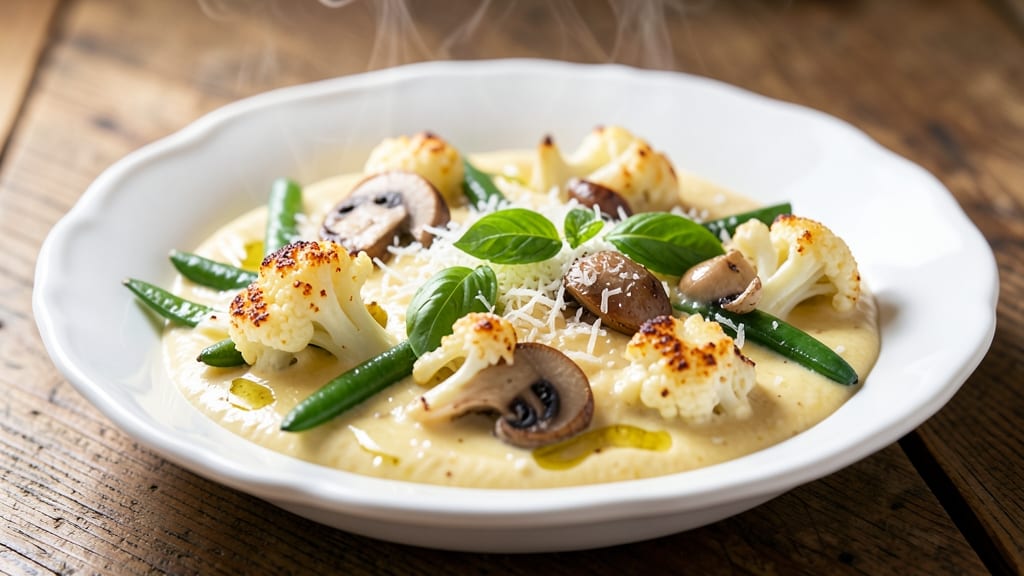
This one-pot alfredo sauce with vegetables transforms creamy comfort into a nutrient-packed powerhouse without sacrificing that signature richness. The secret lies in blending silky roasted cauliflower puree into the sauce, creating depth while keeping it velvety smooth.
I developed this version after realizing traditional alfredo could be elevated—turning a simple sauce into something vibrant yet still satisfyingly indulgent.
The beauty of this recipe is its foolproof technique that requires just 20 minutes of active prep. Heavy cream and Parmesan form the creamy base, while roasted cauliflower adds subtle sweetness and texture without overpowering the classic flavor.
The sauce thickens beautifully as it simmers, coating every noodle or protein perfectly. What makes it special is how the vegetables disappear into the sauce, making it ideal for picky eaters or anyone looking to sneak in more nutrients.
What you'll end up with is a restaurant-quality sauce that's creamy, flavorful, and packed with hidden vegetables. The roasted cauliflower adds natural sweetness and a velvety texture, while the Parmesan delivers that unmistakable cheesy richness.
This sauce works beautifully with pasta, grilled chicken, or even as a creamy dip—proof that healthy eating doesn't mean sacrificing comfort.
Store leftovers in the fridge for up to 5 days, or freeze for later use. The sauce only gets better as flavors meld over time. Perfect for meal prep or impressing guests with a sauce that's both elegant and effortless. Let's make this creamy vegetable alfredo sauce!
Ingredients for alfredo sauce with vegetables
Eleven carefully chosen ingredients transform into restaurant-quality alfredo with hidden vegetable richness.
| Ingredient | Amount | Notes |
|---|---|---|
| Heavy Cream 🥛 | 2 cups | Full-fat for optimal creaminess |
| Parmesan Cheese 🧀 | 1 ½ cups | Freshly grated, high-quality |
| Cauliflower Florets 🥬 | 2 cups | Fresh or frozen, cut into florets |
| Garlic Cloves 🧄 | 4 cloves | Fresh, peeled, minced |
| Extra-Virgin Olive Oil 🫒 | ¼ cup | High-quality, fruity variety |
| Vegetable Broth 💧 | 1 cup | Low-sodium preferred |
| Butter 🧈 | 4 tbsp | Unsalted, cut into small pieces |
| All-Purpose Flour 🌾 | 2 tbsp | For thickening, sifted |
| Nutritional Yeast 🧂 | 2 tbsp | For cheesy depth and B vitamins |
| Salt 🧂 | 1 tsp | Diamond Crystal preferred |
| Black Pepper 🌶️ | ½ tsp | Freshly ground for best flavor |
The cauliflower is the secret weapon here—roasting it until silky creates a velvety texture that mimics traditional Alfredo's creaminess. Fresh florets from the grocery store's produce section work best, but frozen is a perfectly acceptable substitute (just thaw and pat dry). For the Parmesan, Whole Foods Market or specialty cheese shops carry the highest-quality blocks—look for Parmigiano-Reggiano with a vibrant, granular texture. If you're using pre-grated, sift it to remove any anti-caking agents that can make the sauce grainy. Heavy cream should be full-fat for that signature richness; Trader Joe's organic brand is my go-to for consistency. The garlic is non-negotiable—fresh cloves minced just before roasting develop the most complex flavor profile.
No Parmesan? Pecorino Romano works beautifully in a pinch, though it has a sharper bite. Vegetable broth can be swapped for low-sodium chicken broth if you're not strictly vegetarian, though the sauce will have a slightly different depth. Nutritional yeast is essential for that cheesy umami—Bragg or Bob's Red Mill brands are reliable choices. The butter can be omitted entirely if you're watching fat content, though I don't recommend it for this particular sauce. Diamond Crystal kosher salt measures differently than table salt—use exactly as listed. For a slightly tangier sauce, add 1/2 teaspoon of lemon juice to the finished product. The cauliflower can be partially steamed before roasting if you prefer a milder flavor, though roasting develops the sweetness we're chasing here.
This sauce thickens as it cools, so strain it through a fine-mesh sieve before serving if you prefer a completely smooth texture. Store in airtight containers in the fridge for up to 5 days, though the flavor improves after 24 hours as the cauliflower releases more sweetness. For longer storage, freeze in ice cube trays—thaw and stir back to creamy perfection. The sauce reheats beautifully—gentle heat on the stove or microwave in 30-second bursts—but avoid boiling to prevent separation. Double the batch if you're planning to use it as a dip or for meal prep; it keeps equally well and makes entertaining effortless.
Why You'll Love This Recipe
- No-Sweat Weeknight Fix: I swear by this when I’m too tired to fuss—just roast the cauliflower while I sauté the garlic in olive oil, then dump in the cream and Parmesan. Boom. Done before the kids even notice dinner’s missing.
- Rich Without Guilt: The heavy cream and Parmesan make it feel indulgent, but the cauliflower sneaks in fiber and bulk. Honestly, my picky eaters don’t even realize it’s “healthy”—they just lick their plates.
- Leftovers That Beg for Seconds: This sauce clings to veggies like it’s glued on, so it reheats beautifully. I’ll make a big batch on Sunday, toss it with pasta, and have lunches all week—my husband’s favorite “I didn’t cook” meal.
- Budget Stretch for Fancy Nights: Parmesan and olive oil elevate simple cauliflower into something restaurant-worthy. Between us, this costs half of what takeout does, and I’ve had friends ask for the recipe after one bite. (Yes, even on a Tuesday night.)
Step-by-step instructions for one-pot creamy alfredo with vegetables
This method delivers restaurant-style richness while sneaking in nutritious vegetables for a balanced meal.
Sauté Cauliflower and Garlic in Olive Oil
Heat the 0.25 cup extra-virgin olive oil in a large, deep skillet over medium heat. Add the 2 cups cauliflower florets, spreading them evenly in the pan. Cook for 5-6 minutes, stirring occasionally, until the edges begin to soften and turn slightly golden. This step builds flavor while preventing the cauliflower from turning mushy later.
After 4 minutes, add the 4 minced garlic cloves and stir for 30 seconds until fragrant. The garlic should sizzle gently without browning—this ensures it infuses the oil rather than burning. Remove the skillet from heat temporarily while you prepare the butter and flour mixture.
Create the Roux for Thickening
In the same skillet (no need to wipe it clean—the cauliflower and garlic will add depth), melt the 4 tablespoons butter over medium-low heat. Once melted, whisk in the 2 tablespoons all-purpose flour and cook for 1-2 minutes, stirring constantly, until the mixture forms a smooth, pale roux with no floury taste. This creates the foundation for your sauce's velvety texture.
Here's the thing—don't rush this step. If the roux darkens, you'll taste raw flour later. The moment it smells nutty and looks like wet sand, it's ready. Immediately pour in the 1 cup vegetable broth, whisking vigorously to prevent lumps from forming.
Simmer the Sauce Base
Return the skillet to medium heat and bring the broth mixture to a gentle simmer. Let it cook for 3-4 minutes, stirring occasionally, until it thickens enough to coat the back of a spoon. This reduces the liquid while developing a rich, savory flavor. Add the 2 tablespoons nutritional yeast and stir to combine—this adds a cheesy depth without dairy.
Now add the 2 cups heavy cream and 1.5 cups freshly grated Parmesan cheese, stirring constantly until fully melted and smooth. The sauce should thicken noticeably as it incorporates. Taste and adjust seasoning with 1 teaspoon salt and 0.5 teaspoon black pepper—this is your flavor baseline before adding more ingredients.
Finish with Creamy Perfection
Return the skillet to low heat and carefully stir in the sautéed cauliflower and garlic mixture. Let the sauce simmer together for 5-6 minutes, stirring occasionally, until the cauliflower is tender when pierced with a fork. The sauce should coat the vegetables evenly, creating a luxurious yet balanced dish.
For the final touch, taste again and make any necessary adjustments—perhaps more salt if the vegetables needed it, or a splash of extra broth if the sauce is too thick. Serve immediately over pasta or crusty bread, ensuring every bite delivers that creamy, cheesy goodness with hidden vegetable power. The one-pot method keeps cleanup simple while delivering restaurant-quality results.
Pro Tips For Making Alfredo Sauce With Vegetables
- Bloom the Garlic: Slice those garlic cloves thinly—almost paper-thin—so they infuse the sauce without turning bitter. I used to crush them, and the sauce ended up tasting like a garlic factory. A light sizzle in olive oil for 30 seconds is enough; don’t let them brown or you’ll regret it.
- Roast the Cauliflower First: Toss the florets in olive oil, salt, and roast at 425°F (220°C) for 15 minutes before adding them to the sauce. This caramelizes the edges and cuts down on soggy veggies—your sauce won’t turn into a watery mess when the cauliflower releases its moisture.
- Temper the Parmesan: Don’t just dump grated Parmesan into hot cream—it’ll seize up and clump like sad cheese snow. Warm the cream first (just until it steams), then whisk in the cheese a handful at a time while the pot’s off the heat. Smooth as silk, every time.
- Finish with Butter: Swirl in 1 tablespoon of cold butter at the end for a velvety texture and extra richness. I was skeptical until I tried it—now it’s non-negotiable. The butter coats everything, making the sauce cling to the veggies instead of pooling at the bottom.
Wine and beer pairings for this recipe
White Wine Pairings
An Italian Pinot Grigio from Alto Adige is my go-to choice—its crisp acidity and citrus notes cut through the sauce's richness while complementing the cauliflower's natural sweetness. Look for a chilled bottle with 12-13% alcohol like Santa Margherita Pinot Grigio for perfect balance.
The wine's mineral finish enhances the Parmesan's umami without overpowering the dish. 🍷
Crisp Lager Options
For beer lovers, a German Helles like Weihenstephaner Original or a Belgian Witbier such as Stella Artois Wit work beautifully. The Helles provides a clean, malty backdrop that lets the sauce's flavors shine, while the Witbier adds a refreshing citrus note that mirrors the cauliflower's subtle sweetness.
Serve both well-chilled to maintain crispness. 🍺
Full-Bodied Red Alternative
If you prefer red wine, a light-bodied Chianti from Tuscany pairs surprisingly well. Choose a Sangiovese with 13-14% alcohol like Castello di Volpaia Chianti Classico—its bright acidity and cherry notes bridge the sauce's creaminess and the cauliflower's earthiness. Decant for 30 minutes before serving to soften tannins. 🍇
Sparkling Contrast
A dry Prosecco from Veneto adds an elegant effervescence that cleanses the palate between bites. Opt for a brut-style like La Marca Prosecco with its green apple and citrus notes—it refreshes without competing with the sauce's depth. Serve bone-chilling cold (around 45°F) to highlight its bubbles. ✨
Non-Alcoholic Pairings
For a mocktail option, try a sparkling blood orange soda like San Pellegrino Aranciata mixed with a splash of club soda and fresh mint. The citrus enhances the garlic's aroma, while the effervescence mirrors wine's cleansing effect. Garnish with a lemon twist for a sophisticated touch. 🍊
Serving Temperature Tips
Always serve white wines and beers chilled (around 45-50°F) to preserve their crispness. Red wines should be slightly cooler than room temperature (around 60°F) to prevent overpowering the sauce. For the best experience, let your wine breathe for 10-15 minutes before pouring—this softens tannins and enhances aroma. 🌡️
Nutrition facts
Frequently asked questions
Can I substitute cauliflower with other vegetables in this sauce?
For a sweeter flavor, try roasted butternut squash or carrots—both blend beautifully into the sauce. For earthier notes, steamed mushrooms or zucchini work well. Just adjust cooking times: denser veggies like squash need 8-10 minutes of roasting, while softer options like zucchini only need 5 minutes.
Why does my vegetable alfredo sauce get grainy?
Graininess usually means the sauce needs more blending or the roux wasn't cooked long enough. Always strain the sauce through a fine-mesh sieve before serving. For extra silkiness, blend the cooked cauliflower (or other veggies) with 1/4 cup broth before adding to the sauce. Also, ensure your Parmesan is freshly grated—pre-shredded cheese contains anti-caking agents that cause texture issues.
Can I make this sauce without dairy?
Yes! Replace the heavy cream with full-fat coconut milk and use nutritional yeast (already in the recipe) plus 1/2 cup cashew cream for richness. For the Parmesan, try vegan hard cheese or marinated white beans blended into the sauce. The sauce will still be creamy but with a nutty, umami depth instead of dairy.
How do I prevent the sauce from separating when reheating?
Reheat gently over low heat on the stove, stirring constantly, until just warmed through—never boil. For extra insurance, whisk in 1 tablespoon cold butter or 1 teaspoon cornstarch mixed with water. If the sauce separates, return it to low heat and whisk vigorously until smooth. Store leftovers in airtight containers with a thin layer of oil on top to preserve freshness.
What's the best way to use up extra sauce?
Freeze in ice cube trays for easy portion control—thaw and stir into soups, pasta, or use as a dip for garlic bread or roasted veggies. For a quick meal, toss with grilled chicken or sautéed shrimp. The sauce also makes an incredible topping for baked potatoes or stuffed shells. Just reheat gently to maintain creaminess.