
Sauces & Condiments
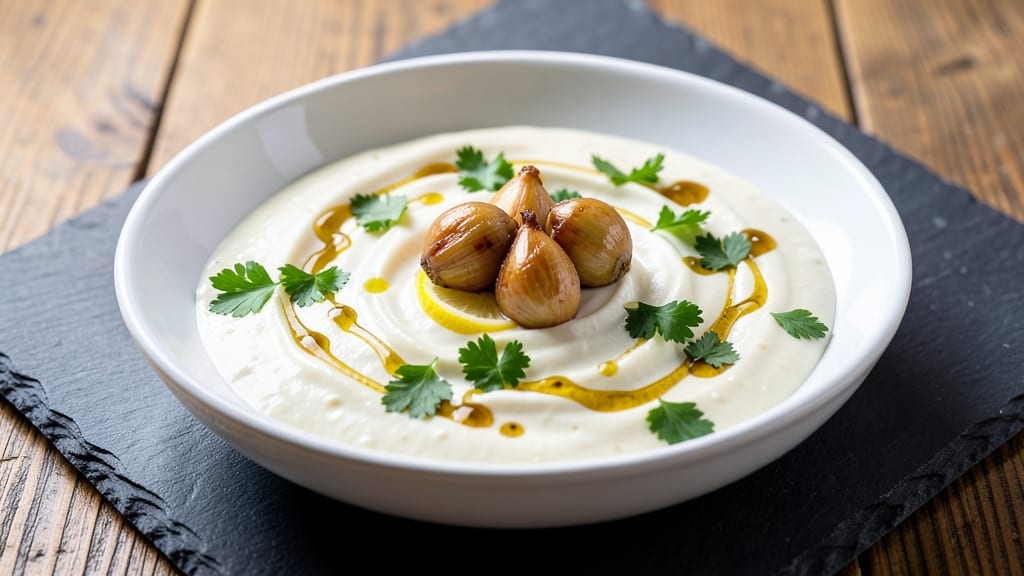
This yogurt Alfredo sauce delivers all the creamy richness you love without the heavy guilt—perfect for those who crave comfort without compromise. 💛 The secret lies in blending Greek yogurt with just enough cream to achieve that signature velvety texture, while garlic, lemon, and herbs add depth without overpowering.
I developed this lighter version after years of testing, and it’s become my go-to for weeknight dinners that feel indulgent yet balanced.
The beauty of this recipe is its versatility—it works just as well on fettuccine as it does drizzled over grilled chicken or roasted vegetables. Unlike traditional Alfredo, which relies on heavy cream, this version uses yogurt to cut calories while keeping the sauce luxuriously smooth.
The key is letting the sauce sit for 10 minutes before serving, allowing the flavors to meld and the consistency to thicken just right.
What you’ll end up with is a sauce that’s creamy, tangy, and packed with flavor—ideal for anyone watching their intake but still wanting restaurant-quality results. The yogurt base adds a subtle brightness that balances the richness, making it perfect for both meat and vegetarian dishes.
Plus, it reheats beautifully, so you can make a big batch and enjoy it all week.
For those avoiding dairy, a simple swap of coconut yogurt keeps the texture and flavor intact. Pair this sauce with your favorite pasta, use it as a marinade, or drizzle it over roasted veggies for an instant upgrade. Here’s how to make it—simple, foolproof, and guaranteed to impress.
Ingredients for alfredo sauce recipe with yogurt
Eight simple ingredients transform into the creamiest, lightest Alfredo you'll ever make—no heavy guilt here.
| Ingredient | Amount | Notes |
|---|---|---|
| Plain Greek Yogurt 🧀 | 1 ½ cups | Full-fat for creaminess |
| Heavy Cream 🥛 | ½ cup | For velvety texture |
| Extra-Virgin Olive Oil 🫒 | ¼ cup | High quality, fruity |
| Garlic Cloves 🧄 | 4 cloves | Freshly minced for aroma |
| Lemon Juice 🍋 | 1 tbsp | Freshly squeezed |
| Fresh Parsley 🌿 | ¼ cup | Chopped for brightness |
| Dried Oregano 🍃 | 1 tsp | For depth of flavor |
| Salt 🧂 | ½ tsp | Diamond Crystal preferred |
| Black Pepper 🌶️ | ¼ tsp | Freshly ground preferred |
| Nutritional Yeast 🍞 | 2 tbsp | For cheesy flavor boost |
The Greek yogurt is the game-changer here—full-fat for that luscious texture, but you can use non-fat if you're watching calories. I grab Fage or Siggi's from the refrigerated section at Whole Foods or Trader Joe's—they're consistently thick and tangy. The heavy cream is just enough to round out the sauce without making it feel too rich (trust me on this). For the garlic, roast it first if you want to mellow out the flavor—just toss minced cloves in olive oil and roast at 400°F for 5 minutes before adding to the sauce. The nutritional yeast adds that umami punch that makes it taste restaurant-worthy.
No Greek yogurt? Plain whole-milk yogurt works in a pinch, but it might be thinner. For a dairy-free version, swap in full-fat coconut yogurt—just add an extra tablespoon of heavy cream to compensate for the lower fat content. Fresh parsley is ideal, but dried works at one-third the amount. If you're out of lemon juice, a splash of white wine vinegar does the trick. The olive oil matters here—avoid the cheap stuff. A good extra-virgin like Bertolli or California Olive Ranch makes all the difference. For extra richness without dairy, stir in 1 tablespoon of vegan butter at the end.
This sauce tastes even better the next day—store in an airtight container in the fridge for up to 5 days. To reheat, warm gently on the stove and stir in a splash of milk or cream to restore creaminess. For meal prep, make a double batch and freeze half in ice cube trays—perfect for quick pasta sauces later. The nutritional yeast keeps well, so buy it in bulk and store it in a cool, dark place for up to 6 months. If your sauce separates, just whisk vigorously or blend briefly to restore that velvety consistency.
Why You'll Love This Recipe
- No Blender Needed: The yogurt and cream blend so smoothly with a whisk—no fancy tools, just a few strokes. I’ve made this in a mug when I forgot to take the pot off the burner, and it still came out velvety.
- Garlic-Kissed Brightness: That raw garlic and lemon juice cut through the richness like a cool breeze. Honestly, it’s the only Alfredo I’ll make now—the tang and depth make it taste like a restaurant dish.
- Pasta Night, Reinvented: Slather it on fettuccine, toss it with roasted veggies, or drizzle it over grilled chicken. I’ve even used it as a dip for naan—works every time, no matter the occasion.
- Leftovers That Last: The sauce thickens beautifully when reheated, and the yogurt keeps it from turning gluey. I make a double batch on Sundays and freeze half—thaws perfectly for lazy weeknights.
Step-by-step instructions for yogurt-based Alfredo sauce
Here's how to make a lusciously creamy sauce that's lighter than classic Alfredo.
🍳 Step 1: Bloom the Garlic in Olive Oil
Heat the 0.25 cup Extra-Virgin Olive Oil in a medium saucepan over medium-low heat. Add the 4 cloves Garlic Cloves (minced) and cook for 1-2 minutes until fragrant but not browned. This step builds the aromatic foundation—don't walk away, or you'll burn the garlic before it releases its sweetness.
I like to use a small saucepan here so the garlic infuses the oil thoroughly. If you see the garlic turning golden, immediately remove the pan from heat. The oil should shimmer gently but not smoke—this ensures you get flavor without bitterness.
👨🍳 Step 2: Combine Wet Ingredients
Reduce the heat to low and whisk in the 1.5 cups Plain Greek Yogurt and 0.5 cup Heavy Cream. Stir constantly for 3-4 minutes until the mixture reaches a smooth, velvety consistency. You'll notice it thicken slightly as it warms—this is normal and creates that perfect Alfredo texture.
Here's where it gets fun: the yogurt and cream should blend seamlessly without curdling. If you see any separation, keep whisking gently and add 1 tablespoon Lemon Juice to help stabilize it. The sauce should coat the back of a spoon but still flow easily—this is your target consistency.
🥘 Step 3: Add Seasonings and Nutritional Yeast
Remove the saucepan from heat and stir in the 2 tbsp Nutritional Yeast, 1 tsp Dried Oregano, 0.5 tsp Salt, and 0.25 tsp Black Pepper. The nutritional yeast gives that classic cheesy flavor without dairy. Taste and adjust seasoning—you might need a pinch more salt to balance the yogurt's tang.
Let the sauce sit off heat for 2-3 minutes while you prepare your pasta. This resting time allows the flavors to meld together. The sauce should still be warm but not hot—perfect for tossing with al dente noodles.
🍽️ Step 4: Finish with Fresh Parsley
Just before serving, stir in the 0.25 cup Fresh Parsley (chopped). This bright green herb adds freshness that cuts through the richness. The parsley should be finely chopped so it distributes evenly throughout the sauce—no large chunks here.
Toss your cooked pasta directly in the saucepan with the sauce. The residual heat will gently warm everything through. For extra creaminess, add 1-2 tablespoons of pasta water as needed. Serve immediately while still hot—this sauce doesn't reheat well once cooled.
Pro Tips For Making Alfredo Sauce Recipe With Yogurt
- Warm the yogurt first: I learned this the hard way—dumping cold yogurt into hot cream makes it split like a sad science experiment. Whisk the yogurt with a splash of lemon juice and olive oil first, then let it sit at room temp for 5 minutes before mixing in the cream. The sauce will thicken smoothly, not curdle.
- Use minced garlic, not sliced: I was skeptical until I tried it: finely minced garlic (not chopped) blends into the sauce without leaving gritty bits. Pulse 2-3 cloves in a food processor for 10 seconds, then sauté in olive oil for 30 seconds—just enough to wake up the flavor without burning.
- Balance the acid carefully: Lemon juice cuts through the richness, but too much turns the sauce tart. Start with 1 teaspoon, taste, then add another if needed. If it’s still too sharp, a pinch of sugar (½ tsp) or a splash of cream will smooth it out—no one wants a yogurt-based vinaigrette.
- Simmer low and slow: This isn’t the prettiest method, but it’s the tastiest: after combining everything, cook the sauce on the lowest heat possible, stirring every 30 seconds. It’ll thicken in 5-7 minutes without scrambling the proteins in the yogurt. (Yes, even if you’re impatient like me.)
Essential equipment for this recipe
Essential Saucepan
Start with a medium-sized saucepan (about 3-quart capacity) for optimal heat control. I recommend a stainless steel pan like the All-Clad Stainless—it distributes heat evenly and prevents scorching.
If you're on a budget, a Calphalon nonstick saucepan works well too, but avoid cheap nonstick coatings that can degrade with high heat. The saucepan should have slightly sloped sides to help with whisking and prevent spills when stirring vigorously. 🔥
Whisk Attachment
A balloon whisk (or French whisk) is your best friend here—it creates smooth, creamy emulsification without overworking the sauce. I use a OXO Good Grips Balloon Whisk because it’s sturdy and comfortable to hold.
For electric options, an immersion blender (like the Ninja QN601) works wonders if your sauce separates—just pulse briefly to restore that velvety texture. Avoid wooden spoons for this step, as they don’t incorporate air as effectively.
Fine-Mesh Strainer
Keep a fine-mesh strainer (like the OXO Good Grips Strainer) handy for smoothing out any lumps from the yogurt or garlic. If you notice small garlic pieces or yogurt curds after blending, strain the sauce through this before serving.
For extra refinement, press the sauce through a cheesecloth-lined strainer—this removes even the tiniest imperfections. I only do this for special occasions, but it’s a game-changer for restaurant-quality results. 💫
Measuring Spoons
Precision matters with this sauce, so invest in a set of stainless steel measuring spoons (I love the West Bend 18-Piece Set). The nutritional yeast and dried oregano need exact measurements—too much oregano can make the sauce taste bitter, while too little nutritional yeast weakens that cheesy depth.
For the lemon juice, a small squeeze bottle (like the McElroy Design) makes it easy to add just 1 tablespoon without overdoing it.
Thermometer (Optional)
While not strictly necessary, a kitchen thermometer helps ensure your sauce stays at 160-170°F—the ideal range for creamy consistency without curdling. I use a Thermoworks Thermapen One for accuracy, but even a basic instant-read thermometer (like the Taylor Precision Products) works.
Keep the sauce below 180°F to prevent the yogurt from breaking. This is especially helpful if you’re making a large batch or reheating leftovers. 🌡️
Nutrition facts
Frequently asked questions
Can I use this yogurt Alfredo sauce on dishes other than pasta?
This creamy sauce works beautifully as a marinade for grilled chicken or fish, a drizzle over roasted vegetables, or even as a dip for crusty bread. The yogurt base keeps it versatile for both hot and cold applications—try it on baked potatoes or as a creamy dressing for salads by thinning with a splash of milk.
Why does my yogurt Alfredo sauce get grainy or separate?
This usually happens if the sauce gets too hot or isn't whisked constantly. Keep the heat at low and whisk vigorously for 3-4 minutes to emulsify properly. If separation occurs, add 1 tablespoon Lemon Juice and whisk again. For extra insurance, strain through a fine-mesh sieve before serving.
How can I make this sauce dairy-free?
Swap the Greek yogurt for full-fat coconut yogurt and use coconut cream> instead of heavy cream. Add 1 tablespoon vegan butter at the end for richness. The nutritional yeast remains optional but adds that cheesy depth. Test consistency—you may need 1 extra tablespoon of coconut cream> to match the original texture.
Will this sauce work with gluten-free pasta?
Yes! This sauce pairs perfectly with gluten-free pasta like fettuccine or penne. The yogurt base prevents the sauce from becoming too heavy, which is especially important when pairing with lighter gluten-free noodles. Just toss the sauce with 1-2 tablespoons of pasta water> to help it cling to the noodles.
How long can I store leftovers, and how do I reheat?
Store leftovers in an airtight container in the fridge for up to 5 days. To reheat, warm gently on the stove over low heat and stir in 1 tablespoon milk or cream> to restore creaminess. Never microwave—it causes separation. For freezing, portion into ice cube trays for easy single-use servings later.