
Sauces & Condiments
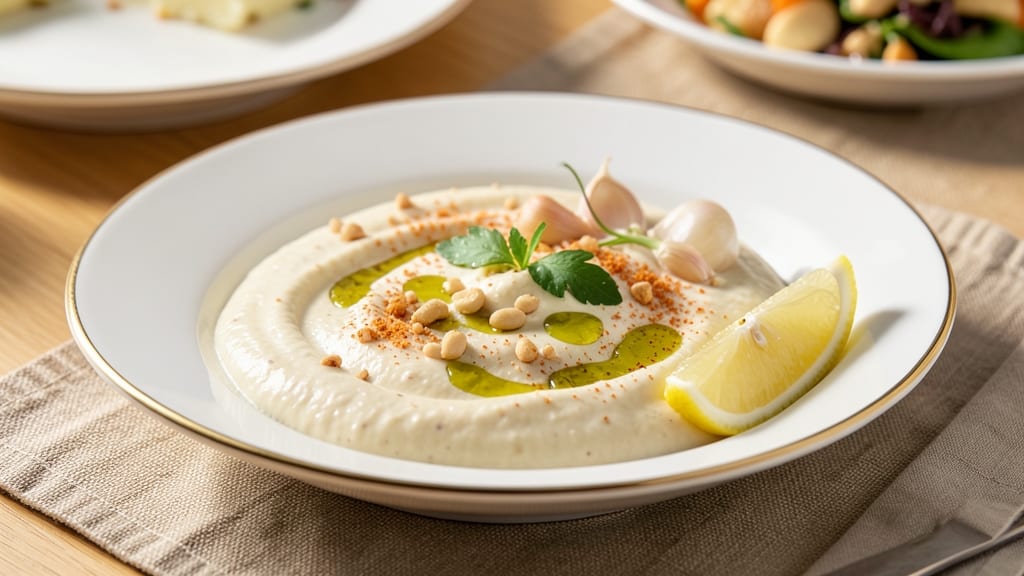
This alfredo sauce recipe no milk delivers creamy, restaurant-quality richness using plant-based ingredients—no dairy required. ✨ The secret lies in blending soaked cashews with garlic, nutritional yeast, and warm water for a velvety texture that clings perfectly to pasta.
I developed this version after years of perfecting plant-based sauces, and it’s become a staple in my kitchen for its depth of flavor and ease of preparation.
The beauty of this recipe is its simplicity—just 15 minutes of prep time transforms basic ingredients into a luscious sauce that rivals traditional alfredo.
Cashews provide the creaminess, while garlic and nutritional yeast add savory depth, making it a versatile option for pasta dishes, dipping, or even as a base for creamy soups. No heavy cream or milk means it’s also lighter and easier to digest.
What you’ll end up with is a smooth, garlic-infused sauce that’s rich yet balanced, with a subtle nutty undertone from the cashews. The sauce thickens beautifully when tossed with hot pasta, creating that signature creamy coat without the heaviness of dairy.
It’s the perfect solution for those who love alfredo but want a plant-based alternative that doesn’t compromise on flavor.
This recipe is also highly adaptable—add a splash of lemon juice for brightness, a pinch of red pepper flakes for heat, or fresh herbs like basil for extra freshness.
Whether you’re serving it over fettuccine, using it as a dip, or incorporating it into a creamy risotto, the possibilities are endless. Let’s get started!
Ingredients for alfredo sauce recipe no milk
Cashews and nutritional yeast create a velvety, dairy-free alfredo with restaurant-quality depth.
| Ingredient | Amount | Notes |
|---|---|---|
| Raw Cashews 🥜 | 1 cup | Unsalted, soaked 2 hours in warm water |
| Extra-Virgin Olive Oil 🫒 | ½ cup | High-quality, fruity variety |
| Fresh Garlic Cloves 🧄 | 4 cloves | Peeled, roughly chopped |
| Nutritional Yeast 🍞 | ½ cup | Fortified, no added salt |
| Warm Water 💧 | ½ cup | Bottled or filtered preferred |
| Lemon Juice 🍋 | 1 tbsp | Freshly squeezed |
| Sea Salt 🧂 | ½ tsp | Diamond Crystal preferred |
| White Pepper 🌶️ | ¼ tsp | Freshly ground for subtle flavor |
| Red Pepper Flakes 🔥 | ¼ tsp | Optional, for heat adjustment |
| Fresh Basil Leaves 🌿 | ¼ cup | Chopped, for garnish |
The cashews are the foundation—raw, unsalted for the best texture and flavor. Soak them in warm water for at least 2 hours (overnight works too) to soften completely. Trader Joe's and bulk bins at Whole Foods offer high-quality cashews, but avoid salted varieties. Nutritional yeast is non-negotiable here; Bragg's or Bob's Red Mill brands provide that signature umami depth. Fresh garlic cloves should smell pungent and firm—no soft spots. The extra-virgin olive oil should be fruity and peppery, not harsh or overly bitter. These ingredients transform into a luxurious sauce with minimal effort.
No cashews? Silken tofu or blended white beans can substitute at double the amount, though texture will differ slightly. Short on nutritional yeast? Miso paste or white miso adds umami but adjust the salt accordingly. The warm water should be just hot enough to soften the cashews—boiling water can make them rubbery. Lemon juice brightens the sauce, but if you prefer tanginess, white wine vinegar at half the amount works. Red pepper flakes are optional but recommended for a subtle kick; omit entirely for a mild version. Fresh basil adds freshness, but dried basil at one-third the amount will suffice in a pinch.
This sauce keeps beautifully—store in an airtight container in the fridge for up to 5 days. For longer storage, freeze in ice cube trays and transfer to a bag for 3 months. When reheating, add a splash of warm water to restore creaminess. The sauce thickens as it cools, so thin with additional warm water if needed. Garnish with fresh basil or a drizzle of olive oil before serving. Portion into containers for easy use over pasta or as a dip.
Why You'll Love This Recipe
- No Blender Hassle: I just toss soaked cashews, warm water, and olive oil into my food processor—no milk to curdle, no waiting for dairy to heat. The cashews blend into a silky base in seconds, and honestly? It’s the smoothest alfredo I’ve ever made without the fuss.
- Umami Bomb: That nutritional yeast? It’s the secret weapon here—deep, cheesy flavor without a drop of dairy. Add a splash of olive oil and raw garlic, and suddenly you’ve got a sauce that’s rich, savory, and hits all the right notes. My picky-eater nephew asked for seconds and didn’t even notice it wasn’t "real" Alfredo.
- Weeknight Wonder: This sauce is my go-to for last-minute fettuccine, roasted veggies, or even a quick pasta salad. It keeps well in the fridge for days, so I make a big batch on Sundays and use it all week—no wasted ingredients, no last-minute store runs.
- Budget-Friendly Luxury: Cashews are pricey, sure, but a small bag goes a long way, and the rest of the ingredients? Olive oil, garlic, and nutritional yeast are pantry staples. I’ve made this sauce for date nights, family dinners, and lazy Mondays—it’s reliable, impressive, and won’t break the bank. Plus, it’s vegan, so it works for almost any diet without extra cost.
Step-by-step instructions for creamy garlic alfredo sauce
Transform simple pantry staples into a luxurious, dairy-free Alfredo sauce with this foolproof method.
👨🍳 Step 1: Soak and Prepare the Cashews
Begin by draining and rinsing the 1 cup raw cashews thoroughly under cold water. Place them in a bowl and cover with warm water (about 2 cups) for 2 hours or overnight in the refrigerator. Soaking softens the cashews dramatically, ensuring they blend into an ultra-smooth, velvety base. This step is non-negotiable—dry cashews will create a gritty sauce.
After soaking, drain the cashews again and transfer them to a high-speed blender. I always use a Vitamix or similar for this recipe—regular blenders struggle with the nut-to-liquid ratio. Add the 4 cloves roughly chopped fresh garlic cloves and 0.5 cup nutritional yeast to the blender. The nutritional yeast adds that signature cheesy depth without dairy, while the garlic infuses bold flavor. Keep the lid secure—this blend will expand as it processes.
🍳 Step 2: Blend to Ultra-Smooth Perfection
With the blender running on low speed, gradually add the 0.5 cup extra-virgin olive oil through the feed tube. This gradual addition prevents the motor from overheating and ensures even emulsification. Once the oil is incorporated, increase the speed to high and blend for 1-2 minutes until completely smooth.
Stop and scrape down the sides with a spatula—this ensures all ingredients are fully incorporated. The mixture should resemble thick, pale yellow mayonnaise with no visible texture. If you see any dry cashew particles, blend for another 30 seconds. This is your foundation, so take your time here. The smoother this base, the more luxurious the final sauce will be.
🥘 Step 3: Season and Emulsify the Sauce
With the blender still running, add the 1 tbsp lemon juice, 0.5 tsp sea salt, 0.25 tsp white pepper, and 0.25 tsp red pepper flakes (if using). The lemon juice brightens the sauce and balances the richness, while the peppers add subtle complexity. Blend for another 30 seconds to fully incorporate.
Now pour in the 0.5 cup warm water through the feed tube while blending on low speed. This gradual addition creates the perfect consistency—thick enough to coat pasta but fluid enough to drizzle. The sauce should be smooth, glossy, and coat the back of a spoon. If it's too thick, add 1 tablespoon water at a time until it reaches your desired consistency. If too thin, blend in 1 teaspoon olive oil to restore richness.
⏰ Step 4: Finish and Garnish
Transfer the sauce to a saucepan and place over low heat. Warm gently for 3-5 minutes, stirring constantly with a silicone spatula, until heated through. Be careful not to boil—the sauce will separate if overheated. The ideal temperature is 160°F, just warm enough to coat pasta without curdling.
For the final touch, stir in the 0.25 cup chopped fresh basil leaves just before serving. The basil adds vibrant color and freshness that cuts through the richness. Taste and adjust seasoning if needed—this is your chance to balance acidity, saltiness, and heat. The sauce should be creamy, garlicky, and perfectly seasoned, with no lingering bitterness from the cashews.
Pro Tips For Making Alfredo Sauce Recipe No Milk
- SOAK CASHEWS LONGER: I used to skimp on this, thinking 10 minutes would do it—wrong. Soak raw cashews in warm water for at least 30 minutes (or overnight if you’re planning ahead). This makes them blend silky smooth instead of gritty, and cuts down on blending time. Trust me, your sauce will thank you.
- TOAST GARLIC LOW: Fresh garlic burns faster than you’d think, especially when blended into a creamy sauce. Sauté minced cloves in olive oil over low heat until just fragrant—about 60 seconds—then immediately toss them in with the wet ingredients. Overcooking turns them bitter, and you’ll taste it.
- BLEND IN STAGES: Don’t dump everything in the blender at once. Start with soaked cashews, warm water, and a splash of olive oil—blend until completely smooth. Then add garlic, nutritional yeast, and the rest of the oil. This prevents clumping and ensures the sauce emulsifies properly, not separating later.
- USE HOT WATER: Warm water (not boiling) works, but hot water from the tap cuts blending time and helps the cashews release their creaminess faster. Just be careful—don’t let it sit too long, or the sauce will thin out. A quick 30-second splash of hot water while blending does the trick.
Wine and beer pairings for alfredo sauce recipe no milk
White Wine Pairings
A crisp, dry Italian white wine like Pinot Grigio or Vermentino complements this sauce beautifully. The bright acidity and citrus notes in these wines mirror the lemon juice in the sauce, cleansing your palate with each bite.
I love a chilled Alto Adige Pinot Grigio—its mineral finish enhances the nutty depth of the cashews. 🍷
Avoid heavy, oaked whites—they’ll clash with the sauce’s delicate garlic and herbal notes. Instead, opt for lighter wines with 11-12% ABV to balance the richness without overpowering. If you prefer something with a touch of sweetness, a demi-sec Riesling adds a subtle contrast to the sauce’s savory profile.
Red Wine Options
For a red wine pairing, a light-bodied Chianti or Sangiovese works surprisingly well. The acidity in these wines cuts through the sauce’s creaminess, while their earthy undertones harmonize with the garlic.
Look for a Chianti Classico with 13-14% ABV—it’s fruity enough to stand up to the sauce without dominating. 🍇
If you’re serving this sauce with a heartier dish like mushroom risotto, a Barbera with its juicy dark fruit flavors adds a bold contrast. Just avoid full-bodied reds like Cabernet Sauvignon—they’ll overpower the delicate flavors of the sauce.
Beer Pairings
A crisp Italian lager like Peroni or Moretti is my go-to beer pairing. The light, effervescent quality refreshes your palate between bites of creamy pasta. For a craft beer option, a Belgian witbier with its citrusy, coriander notes complements the sauce’s garlic and lemon perfectly. 🍺
Avoid heavy, malty beers—they’ll muddle the sauce’s clean, garlicky flavor. Instead, try a session IPA with 5-6% ABV for a hoppy contrast, or a pilsner for a crisp, refreshing balance. The key is to match the sauce’s lightness with a beer that doesn’t compete with its richness.
Non-Alcoholic Options
For a non-alcoholic pairing, a sparkling apple cider or ginger beer adds a refreshing contrast. The effervescence cuts through the sauce’s creaminess, while the tartness of apple cider enhances the garlic and lemon flavors. 🍏
If you prefer something more herbal, a cucumber-mint infused water with a squeeze of lime keeps the dish light and refreshing. For a bolder option, a sparkling white grape juice like Martinelli’s mimics the crispness of white wine without the alcohol.
Nutrition facts
Frequently asked questions
Can I use this sauce for dishes other than pasta?
This creamy sauce works beautifully as a dip for crusty bread or veggie sticks, a topping for baked potatoes, or even a creamy base for creamy soups. Try it with roasted broccoli or as a sauce for grilled chicken—just adjust the seasoning to complement your dish.
What if I don't have a high-speed blender?
No high-speed blender? No problem! Soak the cashews longer (4-6 hours) and blend with a regular blender, adding ingredients in small batches. For extra creaminess, strain the blended sauce through a fine-mesh sieve to remove any remaining texture. The sauce will still be delicious, though slightly thicker.
Can I make this sauce nut-free?
Yes! Replace the cashews with 1 cup silken tofu or 1 cup cooked white beans (drained and rinsed). Blend with the same ingredients, but you may need to add 1-2 extra tablespoons of olive oil for richness. The texture will be slightly different but still creamy and flavorful.
Why does my sauce separate when reheating?
Sauce separation usually happens if it's overheated. Always warm it over low heat and stir constantly. If it separates, whisk in 1 teaspoon olive oil and a splash of warm water to restore creaminess. For best results, reheat just until warm (160°F) rather than boiling.
How can I make this sauce spicier?
Add ½ teaspoon cayenne pepper or 1 teaspoon hot sauce while blending. For a smoky kick, stir in ½ teaspoon smoked paprika after heating. For heat control, start with less and adjust to taste—this sauce stays flavorful even with bold spices.