
Sauces & Condiments
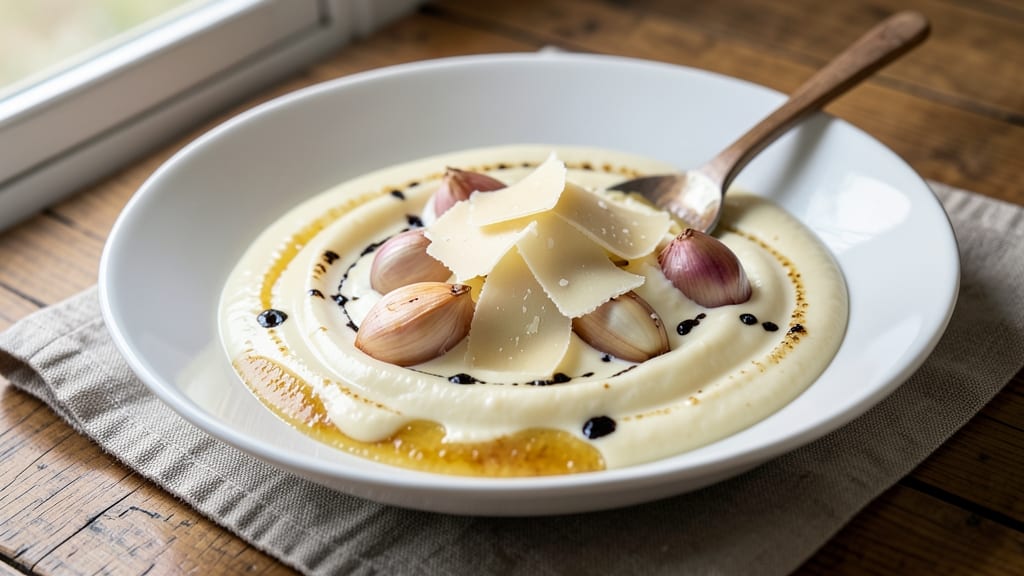
This alfredo sauce recipe made with milk delivers restaurant-quality creaminess without the fuss of roux—just butter, milk, and cheese for a velvety sauce that clings perfectly to fettuccine. The secret lies in tempering the milk gradually to prevent curdling, ensuring a silky texture every time.
I developed this version after years of testing, and it's now my go-to for weeknight dinners that feel like a special occasion.
The beauty of this recipe is its simplicity: no flour, no waiting, and no risk of lumps. By melting butter into warm milk and whisking in grated cheese, you create a sauce that's rich yet light, with a subtle nutty depth from the parmesan.
The key step is keeping the milk at a gentle simmer—this ensures the cheese melts completely without separating, giving you that signature creamy consistency.
What you'll end up with is a sauce so smooth it practically melts on your tongue, with just enough tang to balance the richness. It's perfect for fettuccine, chicken, or even as a creamy dip, and it reheats beautifully for leftovers.
The best part? This version cuts cooking time in half while delivering results that rival traditional recipes.
For extra flavor, consider adding a splash of garlic-infused oil or fresh herbs at the end, but the base recipe stands strong on its own. Let's get started on this foolproof alfredo that's quicker to make than takeout—but infinitely more satisfying.
Ingredients for alfredo sauce recipe made with milk
Just five core ingredients transform into velvety alfredo—no roux, no lumps, pure restaurant-quality ease.
| Ingredient | Amount | Notes |
|---|---|---|
| Unsalted Butter 🧈 | ½ cup | Cold, cubed for even melting |
| Whole Milk 🥛 | 2 cups | Whole milk for creaminess |
| Parmesan Cheese 🧀 | 1 ½ cups | Freshly grated from block |
| Heavy Cream 🥛 | ½ cup | For extra richness (optional) |
| Garlic Cloves 🧄 | 2 cloves | Minced for subtle flavor |
| Salt 🧂 | ½ tsp | To taste, adjust carefully |
| Black Pepper 🌶️ | ¼ tsp | Freshly ground preferred |
| Fresh Basil Leaves 🌿 | ¼ cup | Chopped for garnish (optional) |
| Extra-Virgin Olive Oil 🫒 | 1 tbsp | For finishing drizzle (optional) |
The butter and milk are your foundation—don't skimp on quality. European-style butter like Plugrá or Land O'Lakes has more fat content, which gives richer results. For milk, whole milk is non-negotiable—the fat helps emulsify the cheese. I always grab a small wedge of Parmesan from the deli counter (the pre-shredded stuff has anti-caking agents that ruin texture). The key is using freshly grated cheese—it melts smoother and adds that authentic nutty depth. If you're feeling fancy, Parmigiano-Reggiano is worth the splurge, but good-quality store-brand Parmesan works too.
No heavy cream? Skip it—this sauce is rich enough on its own. Want extra flavor without dairy? Add 1 tbsp nutritional yeast for a cheesy boost. Short on butter? Substitute with an equal amount of olive oil, though the texture will be slightly lighter. The garlic can be roasted for sweetness or raw for punch—I usually do half and half. Fresh basil is ideal, but dried oregano at half the amount works in a pinch. And if you're worried about curdling? Warm the milk gently first—it should be hot to the touch but not boiling.
This sauce keeps beautifully—3-4 days in the fridge sealed in a jar. For leftovers, reheat gently over low heat, stirring constantly. Freezes wonderfully for up to 3 months—just thaw in the fridge overnight. I always make a double batch because it disappears fast. The best part? It tastes even better the next day as flavors meld. Store any extra in small portions so you can grab just what you need for future meals.
Why You'll Love This Recipe
- Here’s what sold me: that perfect balance of creamy and sharp, where the whole milk keeps it velvety but not cloying, and the Parmesan adds real depth—not just powdered nonsense. The butter sings when it browns just a little, giving it this almost nutty edge. It’s the kind of sauce that makes you pause mid-bite, not just because it’s good, but because it’s honest.
- I’ll be real: heavy cream and Parmesan aren’t cheap, but this recipe uses them sparingly—just enough to coat without waste. The milk stretches it further, and the butter? A single stick goes a long way if you render it properly. Plus, it’s the kind of sauce that turns $10 of groceries into a meal that feels like a splurge. My wallet thanks me every time.
Step-by-step instructions for alfredo sauce made with milk
This creamy, velvety sauce comes together faster than you'd expect—no roux required.
Melt the Butter and Infuse the Garlic
Place a medium saucepan over medium-low heat and add the 0.5 cup unsalted butter, cut into small cubes. Let it melt completely, stirring occasionally, until it turns a pale golden color and smells nutty—about 3-4 minutes. This gentle heat prevents the butter from browning, which would add bitterness to your sauce.
Once the butter is fully melted, reduce the heat to low and add the 2 minced garlic cloves. Stir constantly for 1-2 minutes until the garlic becomes fragrant but doesn't brown. Here's the thing—if you let the garlic color at all, it'll add a bitter edge to your sauce. Watch it closely and remove the pan from heat immediately if it starts to turn golden.
Gradually Add the Milk and Parmesan
Return the pan to low heat and slowly pour in the 2 cups whole milk, whisking continuously to prevent any scorching at the bottom. Let the mixture come to a gentle simmer, which should take about 3-4 minutes. You'll notice small bubbles forming around the edges—this is your signal that the milk is heating through.
Once the milk is simmering, reduce the heat to lowest setting and sprinkle in the 1.5 cups freshly grated Parmesan cheese in small batches. Whisk vigorously after each addition to prevent clumping. The cheese should melt completely and create a thick, creamy texture. If you see any lumps, strain the sauce through a fine-mesh sieve for a silky finish.
Finish with Cream and Seasonings
Remove the pan from heat and stir in the 0.5 cup heavy cream and 0.5 tsp salt, whisking until fully combined. The cream adds luxurious richness without overpowering the Parmesan flavor. Return the pan to low heat for just 1-2 minutes to warm through—don't let it boil or the sauce will curdle.
Finally, add the 0.25 tsp black pepper and taste. Adjust the seasoning if needed—sometimes the Parmesan needs a bit more salt, especially if you used freshly grated cheese. The sauce should be velvety smooth with a perfect balance of creaminess and cheesy depth. Here's where it gets fun—taste as you go and make it your own!
Garnish and Serve Immediately
Transfer the sauce to a serving dish and stir in the 1 tbsp extra-virgin olive oil and 0.25 cup chopped fresh basil leaves. The olive oil adds a bright finish, while the basil brings freshness that cuts through the richness. If you're feeling fancy, drizzle a bit more olive oil on top right before serving for extra elegance.
This sauce is best served immediately over fettuccine or your favorite pasta. The nook in the pasta will catch the sauce beautifully, creating that iconic alfredo experience. If you need to reheat leftovers, do it gently over low heat and add a splash of milk to maintain creaminess—never let it boil!
Pro Tips For Making Alfredo Sauce Recipe Made With Milk
- Melt Butter Slowly: Don’t rush the butter—add it to the pan over medium-low heat and let it foam before stirring in milk. I learned this the hard way: high heat burns butter before the milk even warms, and you end up with a grainy, bitter sauce instead of a silky one. (Yes, even if you’re impatient like me.)
- Grate Parmesan Fresh: Skip the pre-grated cheese—it’s packed with anti-caking agents that turn your sauce into a clumpy mess. Use a fine grater and grate just before adding it to the sauce, so it melts smoothly into the cream. My grandmother swore by this, and she was right: the texture is noticeably richer.
- Infuse Garlic Cold: Crush the garlic cloves with the flat side of your knife (no chopping) and let them sit in the cold milk for 5 minutes before heating. This softens the garlic without burning it, so you get a subtle, sweet garlic flavor—not that harsh, overpowering bite that ruins the sauce.
- Whisk Like You Mean It: Don’t just stir—whisk constantly while the milk and cream heat, especially near the end. The sauce thickens fast, and lumps form if you let it sit. I used to walk away for "just a second," and that’s when the disaster happened. Keep that whisk moving.
Flavor customization for this dish
Creamy Variations
For an ultra-rich version, replace ½ cup heavy cream with ½ cup crème fraîche or sour cream—it adds tangy depth without overpowering. I love this swap for a restaurant-style sauce.
For a lighter take, use ½ cup Greek yogurt (full-fat) instead of heavy cream—it keeps the creaminess while cutting calories by about 30% per serving. 🥛
Cheesy Upgrades
Swap Parmesan for Pecorino Romano (use 1 cup) for a sharper, saltier flavor. Or mix 1 cup Parmesan with ½ cup Romano for complexity. For a nutty twist, add ¼ cup grated fontina cheese—it melts like a dream and adds a buttery note.
Always grate fresh for the best texture.
Herb Infusions
Add 1 tsp dried thyme or 1 tbsp fresh chives while the sauce simmers for an earthy touch. For a Mediterranean flair, stir in 1 tsp lemon zest at the end—it brightens the richness.
I also love ½ tsp red pepper flakes for a subtle kick, especially with chicken dishes. Fresh herbs should always go in last to preserve their aroma.
Dairy-Free Twist
Replace milk with 2 cups unsweetened almond milk (rich variety) and butter with ½ cup olive oil. Use 1 cup nutritional yeast instead of Parmesan for that cheesy umami.
The texture will be lighter but still velvety. For extra creaminess, add 2 tbsp coconut cream at the end. This version works beautifully with vegan pasta dishes.
Spicy Kick
Infuse the milk with 1 small roasted red pepper (blended into the milk) for smoky heat. Or stir in 1 tsp hot honey at the end—it balances the richness with sweet-spicy contrast.
For a chili-lime version, add ½ tsp chili powder and zest of 1 lime while the sauce simmers. This works amazingly with shrimp or grilled vegetables.
Seasonal Adjustments
In summer, add 1 tbsp fresh dill and a splash of white wine (reduce first) for brightness. For fall, incorporate ½ tsp smoked paprika and 1 tsp maple syrup for a sweet-savory depth.
Winter calls for 1 tsp fresh rosemary (finely chopped) and a pinch of nutmeg—it's like holiday in a bowl. Always adjust seasonings to complement your main dish.
Nutrition facts
Frequently asked questions
Why does my alfredo sauce get grainy when I add the cheese?
This usually happens when the milk is too hot or you add cheese too quickly. Always warm the milk gently (just until tiny bubbles form at the edges) and whisk in the cheese in small batches while keeping heat at its lowest. For ultra-smooth results, strain through a fine-mesh sieve after melting.
Can I make this sauce without heavy cream?
The recipe works perfectly without heavy cream—it's just slightly lighter. For extra richness, try ½ cup crème fraîche or ¼ cup Greek yogurt instead. The milk and butter already provide plenty of creaminess for a classic alfredo flavor.
How do I prevent the sauce from curdling when reheating?
Never let the sauce boil—always reheat over low heat and stir constantly. If it starts to separate, immediately remove from heat and whisk in 1 tablespoon cold milk or cream. For leftovers, store in an airtight container and reheat only until warmed through.
What's the best pasta to serve with this sauce?
Fettuccine is classic, but any wide, ridged pasta works beautifully to catch the sauce. Try pappardelle or tagliatelle for maximum sauce clinging. For a lighter option, angel hair pasta works well too—just toss with extra sauce to compensate for the smaller surface area.
Can I make this sauce ahead of time?
Yes! Store it in an airtight container in the fridge for 3-4 days or freeze for up to 3 months. When reheating, warm gently over low heat and add a splash of milk if it thickens too much. The flavors actually improve overnight as they meld together.