
Sauces & Condiments
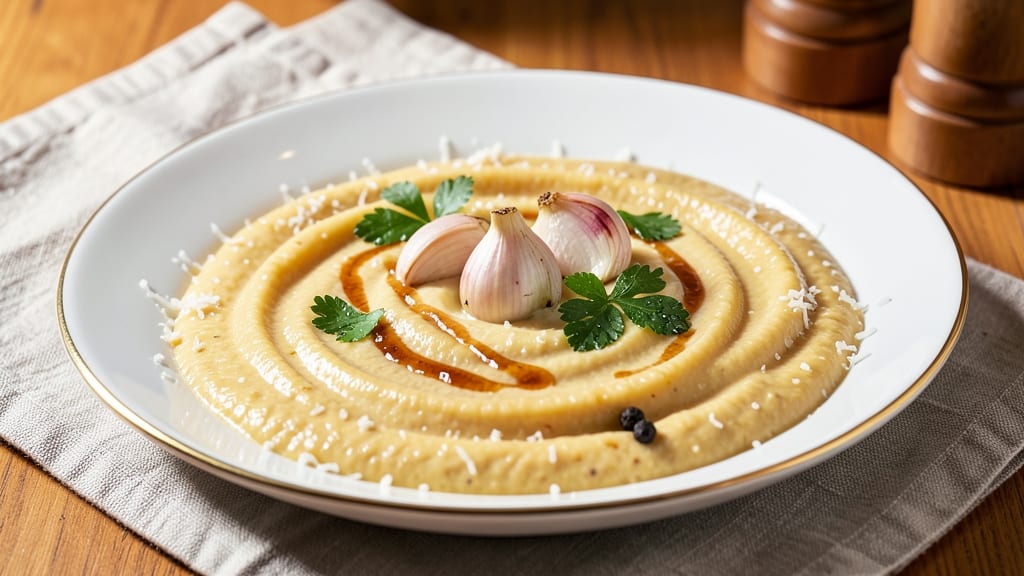
This alfredo sauce recipe for two delivers velvety, restaurant-quality creaminess in just 15 minutes—no heavy lifting, no waiting hours. The secret lies in a simple one-pot method that transforms basic ingredients into a rich, golden sauce with a perfect balance of tangy cream and nutty parmesan.
I perfected this after years of testing, ensuring it's foolproof for weeknight dinners or special occasions.
The magic happens with a smooth roux—equal parts butter and flour cooked until fragrant—that forms the foundation for the sauce. Heavy cream and freshly grated parmesan come next, whisked together until silky and thick.
For extra depth, I add a touch of garlic and white wine (though you can skip it for a classic version). The result? A sauce so luxurious it'll make you forget store-bought ever existed.
What sets this recipe apart is its simplicity: just 5 ingredients and one pot to clean. The sauce is ready in time for al dente fettuccine or any pasta of your choice, with no risk of separation or graininess.
It's rich enough to satisfy cravings but light enough to pair beautifully with fresh herbs or a sprinkle of black pepper.
For versatility, adjust the thickness by adding a splash of pasta water or milk—this sauce is your canvas. Store leftovers in the fridge for up to 3 days or freeze for later use. Let's make creamy, dreamy alfredo that's worth every calorie.
Ingredients for alfredo sauce recipe for two
Five simple ingredients transform into velvety alfredo perfection for two—no shortcuts, just pure creaminess.
| Ingredient | Amount | Notes |
|---|---|---|
| Unsalted Butter 🧈 | ½ cup | Cold, cubed for even cooking |
| All-Purpose Flour 🌾 | ½ cup | Sifted for smooth roux |
| Heavy Cream 🥛 | 1 ½ cups | Full-fat for richness |
| Freshly Grated Parmesan Cheese 🧀 | 1 cup | High-quality, block preferred |
| Garlic Cloves 🧄 | 2 cloves | Minced for subtle depth |
| Dry White Wine 🍷 | ¼ cup | Optional for classic touch |
| Salt 🧂 | ½ tsp | Diamond Crystal preferred |
| Freshly Ground Black Pepper 🌶️ | ¼ tsp | Freshly cracked for aroma |
The butter and flour are your foundation. European-style butter from Land O'Lakes or Plugrá melts beautifully, but any unsalted works. Flour? King Arthur or Bob's Red Mill all-purpose sifted first—no lumps in that roux. The Parmesan is non-negotiable: Parmigiano-Reggiano from a wedge, freshly grated. Pre-grated tastes like sawdust. For the wine, any dry white—Sauvignon Blanc or Pinot Grigio—whatever's open. Skip it if you're avoiding alcohol, but trust me, it adds depth.
No heavy cream? Full-fat coconut milk works in a pinch, though the texture won't be identical. Short on Parmesan? Pecorino Romano at double the amount brings similar sharpness. The garlic can be roasted for sweetness—just toss the cloves in the oven at 400°F for 5 minutes before mincing. For a lighter version, swap half the cream for whole milk. And if you're worried about separation, whisk constantly while heating—no lumps allowed. The wine's optional, but if you skip it, add an extra splash of pasta water at the end for that same silky finish.
This sauce is best made fresh, but leftovers keep beautifully. Store in an airtight container with a thin layer of olive oil on top to prevent a skin—good for 3 days in the fridge. Freezes for 3 months too, though texture may change slightly. For reheating, warm gently over low heat, stirring often. Add a splash of milk or pasta water if it thickens too much. And if you're serving with pasta, toss it in at the very end—alfredo loves hot noodles.
Why You'll Love This Recipe
- Two-Ingredient Magic: I swear by this trick—just butter and flour, heated until golden, then the cream and cheese melt into something velvety. No fancy gadgets, no stress, just a sauce that feels like a hug for your pasta.
- Garlic-Parmesan Punch: That raw garlic sizzling in butter? Pure flavor bomb. The moment the heavy cream joins, it turns into this rich, nutty, slightly tangy sauce that makes even store-bought fettuccine taste like a restaurant dish.
- Date Night Ready: No one needs to know it took me 15 minutes to make. Drizzle it over grilled chicken or shrimp, toss it with fresh spinach, and suddenly you’re serving up something that feels fancy—without the fuss of a full dinner party.
- Leftovers That Don’t Suck: Unlike most sauces, this one actually improves the next day—thicker, deeper, and still creamy. I make a double batch, freeze half, and pull it out for lazy lunches or last-minute takeout nights. Zero waste, all win.
Step-by-step instructions for creamy alfredo sauce
Here's how to make velvety, restaurant-quality Alfredo in one pot—no blender needed.
Make the Roux Foundation
In a medium saucepan over medium heat, melt the ½ cup unsalted butter until it foams and turns golden, about 2 minutes. This butter should be fully melted but not browned—you want it to maintain its rich flavor without burning. I like to watch for tiny bubbles forming around the edges before proceeding.
Immediately whisk in the ½ cup all-purpose flour all at once. Stir constantly with a wooden spoon or whisk for 1-2 minutes until the mixture turns a light golden brown and smells nutty. This roux is your sauce's backbone—it thickens the cream and adds depth. If it darkens too quickly, reduce the heat slightly to prevent burning.
Cook the Garlic and Deglaze
Add the 2 minced garlic cloves and stir for 30 seconds until fragrant but not browned. Garlic burns quickly, so keep an eye on it—you want aroma, not bitterness. Now pour in the ¼ cup dry white wine (if using) and stir vigorously. The wine will bubble vigorously as it evaporates, which helps lift those browned bits from the pan.
Let the mixture simmer gently for 1 minute until the wine has completely evaporated and you're left with a smooth, thick paste. This deglazing step captures all the flavor you've built so far, so don't rush it. The sauce should now look glossy and well-combined.
Build the Creamy Base
Slowly pour in the 1½ cups heavy cream while whisking continuously to prevent lumps from forming. The sauce will immediately thicken as it comes to a gentle simmer. Keep whisking for 3-4 minutes until the mixture thickens noticeably and coats the back of a spoon.
Here's where the magic happens: the sauce should be thick enough to coat the back of a spoon but still flow smoothly when stirred. If it's too thick, add 1-2 tablespoons hot water to loosen it. If it's too thin, simmer uncovered for another 1-2 minutes to reduce slightly. The goal is that perfect creamy consistency.
Finish with Cheese and Season
Reduce heat to low and gradually whisk in the 1 cup freshly grated Parmesan cheese. The sauce will thicken dramatically as the cheese melts—this is normal. Keep whisking until the cheese is completely dissolved and the sauce is smooth and glossy. I like to press the cheese through a fine-mesh strainer to ensure no gritty bits remain.
Season immediately with the ½ teaspoon salt and ¼ teaspoon freshly ground black pepper. Taste and adjust—Alfredo should be rich but not overly salty. The pepper adds a subtle warmth that balances the creamy sweetness. Let the sauce simmer gently for another 2 minutes to meld all the flavors together.
Ready to Serve
Remove from heat and let the sauce rest for 2-3 minutes—this allows the flavors to settle and the sauce to thicken slightly more. The sauce should now be silky smooth with a velvety texture that clings beautifully to pasta. If you're serving immediately, toss with cooked fettuccine or tagliatelle.
For the best results, serve while warm. The sauce will thicken further as it cools, so if you need to reheat, add a splash of warm water or milk to restore its creamy consistency. This one-pot method delivers that authentic, creamy richness without the fuss of blenders or complicated techniques.
Pro Tips For Making Alfredo Sauce Recipe For Two
- Cook Butter Slowly: I learned this the hard way—dumping cold butter into the pan and rushing the melt makes the sauce separate later. Instead, let the butter melt gradually over medium-low heat, stirring constantly until it’s just golden and foamy, not browned. This keeps the sauce silky and prevents lumps when you add the flour.
- Grind Garlic Fine: Skip the minced jar—freshly grated garlic burns fast and adds a bitter edge. Use a microplane or crush the cloves with the flat side of a knife first, then finely grate them into the butter while it’s warm. This distributes the flavor evenly without overpowering the cream.
- Whisk Like You Mean It: The moment you add flour to butter, stop stirring and let it cook for 30 seconds—this toasts the flour and deepens the flavor. Then, whisk aggressively for 2 minutes until the roux is a smooth, pale gold. If you rush this, the sauce will taste raw and floury.
- Strain the Cream: Heavy cream has hidden fat that can make the sauce greasy. After heating the cream (but before adding it to the roux), strain it through a fine-mesh sieve to remove any skin or impurities. This keeps the sauce light and velvety—no one will guess you took this shortcut.
Essential equipment for this recipe
One-Pot Saucepan
Your essential tool for this recipe is a medium-sized saucepan with a lid—I recommend a 3-quart stainless steel pan like the All-Clad Stainless Steel Saucepan for even heat distribution.
The lid helps trap steam during simmering, ensuring the sauce thickens properly without burning. A heavy-bottomed pan prevents hot spots that can scorch your roux or cream. 🔥
Whisk Attachment
Invest in a balloon whisk or French whisk—I prefer the OXO Good Grips Balloon Whisk—to create that signature silky texture. Whisking continuously prevents lumps and incorporates air for a lighter sauce.
For extra insurance, use a hand mixer on low speed if you're impatient (but whisking builds arm muscles too!).
Fine-Mesh Strainer
A fine-mesh strainer (like the OXO Good Grips Strainer) is non-negotiable for freshly grated Parmigiano-Reggiano. Pressing the cheese through a strainer removes those gritty bits that ruin texture. I also use it to strain out any garlic skins if I forget to peel them thoroughly. 🧀
Wooden Spoon
While whisking is key, a long-handled wooden spoon (I use Lodge Cast Iron Spoon) helps scrape up those flavorful browned bits from the bottom of the pan during the deglazing step.
Wood won't react with acidic ingredients like metal might. Plus, it's gentle on your non-stick pans if you ever use one.
Measuring Tools
Precision matters with ratios! Use a stainless steel measuring cup for the ½ cup butter and ½ cup flour—glass can crack under heat. For the 1½ cups heavy cream, a liquid measuring cup with spout makes pouring easier.
I keep my King Arthur Measure Cups handy for all-purpose flour—sifting through them first ensures a smooth roux. 🌾
Optional Immersion Blender
If you prefer ultra-smooth sauce, an immersion blender (like the Ninja Foodi Blender) can help break up any tiny lumps after adding the cheese. Pulse briefly—just 2-3 seconds—on low speed.
This isn't required but comes in handy if you're serving immediately and want perfect presentation. No blender? A whisk works just fine with patience!
Nutrition facts
Frequently asked questions
Can I make this Alfredo sauce without wine?
The white wine adds depth, but it's completely optional. Simply omit it and increase the heavy cream by 2 tablespoons to maintain the same richness. For extra flavor, add ½ teaspoon lemon juice or an additional ½ teaspoon garlic powder to compensate for the missing acidity.
Why did my Alfredo sauce get grainy?
Graininess usually happens when cheese clumps aren't fully dissolved or the sauce cools too quickly. To fix it, whisk in 1 tablespoon warm water or milk and simmer for 1-2 minutes to smooth it out. For prevention, always use freshly grated Parmesan (pre-grated has anti-caking agents) and keep the heat low while adding cheese.
How can I make this sauce lighter?
Swap half the heavy cream for whole milk or light cream (about ¾ cup each) to reduce fat while keeping creaminess. For extra protein, stir in 2 tablespoons Greek yogurt or crème fraîche at the end—it adds tang without heaviness. The sauce will still coat beautifully but with fewer calories.
Can I use this sauce for dishes other than pasta?
This versatile sauce works perfectly for grilled chicken, roasted vegetables, or even as a dip for garlic bread! For chicken, brush it on after cooking and broil for 2-3 minutes to create a creamy crust. For veggies, toss with asparagus or broccoli before roasting. Just adjust thickness with a splash of water or milk as needed.
What's the best way to store leftovers?
Let the sauce cool completely, then transfer to an airtight container. Cover the surface with a thin layer of olive oil or plastic wrap to prevent a skin from forming. It keeps in the fridge for 3 days or freezes for 3 months. When reheating, warm gently over low heat and thin with a splash of milk or pasta water if needed.