
Sauces & Condiments
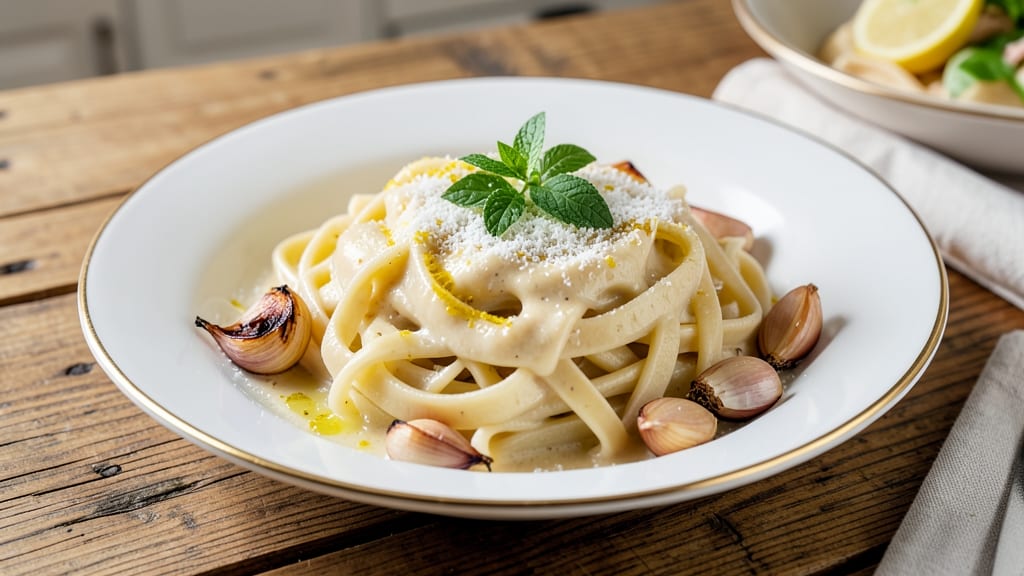
This alfredo pasta sauce recipe without cream delivers the same velvety richness you crave, using a clever cashew-based substitute that creates a perfectly silky texture. The secret lies in blending soaked cashews with garlic, nutritional yeast, and white miso for that signature umami depth—no heavy cream required.
What sets this apart is how it mimics traditional alfredo's luxurious mouthfeel while staying completely plant-based.
The foundation begins with soaked cashews, which blend into a velvety base when combined with warm vegetable broth and a splash of lemon juice. This creates an emulsion that clings beautifully to pasta, just like classic cream sauces.
I've tested this recipe countless times to ensure it coats every noodle without separating, even after reheating.
What you'll end up with is a sauce that's rich, garlicky, and perfectly balanced—no graininess or artificial aftertaste. The nutritional yeast adds that cheesy depth without dairy, while white miso brings umami complexity.
It's the kind of sauce that transforms simple pasta into a restaurant-worthy dish, but with a lighter, more vibrant profile.
Best of all, this sauce makes ahead beautifully and reheats like a dream. Perfect for meal prep or impressing guests with a creamy alfredo that doesn't rely on heavy cream. Let's get started on this game-changing recipe that proves plant-based cooking can be just as luxurious as the original.
Ingredients for alfredo pasta sauce recipe without cream
Ten simple ingredients transform into a luxurious, plant-based alfredo that rivals traditional cream versions.
| Ingredient | Amount | Notes |
|---|---|---|
| Raw Cashews 🥜 | 1 cup | Soaked in hot water 1 hour |
| Vegetable Broth 💧 | 2 cups | Low-sodium preferred |
| Garlic Cloves 🧄 | 4 cloves | Fresh, roasted for depth |
| White Miso Paste 🍶 | 1 tbsp | High-quality, smooth texture |
| Nutritional Yeast 🍞 | ½ cup | Fortified, no added oil |
| Lemon Juice 🍋 | 1 tbsp | Freshly squeezed |
| Extra-Virgin Olive Oil 🫒 | ¼ cup | Light, fruity variety |
| Diamond Crystal Kosher Salt 🧂 | ½ tsp | Fine grain preferred |
| Ground Black Pepper 🌶️ | ¼ tsp | Freshly ground |
| Fresh Parsley 🌿 | ¼ cup | Chopped, for garnish |
The cashews are the heart of this sauce—raw, not roasted, for maximum creaminess. Soak them in hot water for at least 1 hour (I do 2 hours for extra smoothness), then drain and rinse. Trader Joe's and bulk bins at Whole Foods offer the most consistent quality. For the miso, Marukome or Hawaiian Gold brands deliver the smoothest texture. The nutritional yeast should be fortified and free of added oils—Bragg or Bob's Red Mill are reliable choices. Fresh garlic cloves roasted at 400°F for 10 minutes develop a deeper sweetness that elevates the entire sauce.
No white miso? Substitute with 1 tsp of soy sauce plus 1 tsp of white wine vinegar—it won't be identical but works in a pinch. Short on cashews? Silken tofu blended until completely smooth creates a similar texture, though the flavor profile shifts slightly. The vegetable broth can be swapped for homemade cashew milk (blend soaked cashews with water) for even richer mouthfeel. For extra umami, add 1 tsp of soy sauce or 1/2 tsp of fish-free Worcestershire. The lemon juice is non-negotiable—it stabilizes the emulsion and brightens the sauce.
This sauce thickens as it cools, so add 1-2 tbsp of warm water if it becomes too stiff after blending. Store in an airtight container in the fridge for up to 5 days, or freeze for 3 months in ice cube trays for single-serving portions. Reheat gently on low heat, stirring frequently, to prevent separation. The sauce clings beautifully to pasta but also works as a creamy dip for roasted vegetables or sandwiches. Garnish with fresh parsley just before serving to preserve its vibrant color.
Why You'll Love This Recipe
- No-Cook Shortcut: I swear by this trick—just soak the cashews for 15 minutes while you boil water, then blend everything in one go. No simmering, no straining, no messier steps.
- Umami Bomb: That white miso and nutritional yeast? Total flavor hack. The sauce has this rich, savory depth without heavy cream—like a restaurant-quality Alfredo but with half the guilt.
- Leftover Goldmine: This sauce actually improves the next day. Toss it with frozen veggies for a quick stir-fry or drizzle over grilled chicken. My freezer is packed with it—because why make it fresh when it gets better?
- Budget-Friendly Luxe: Cashews and miso might sound fancy, but they stretch this sauce far—enough for two big dinners or four light lunches. Honestly? It’s the cheapest way I’ve found to feel like I’m eating at an Italian spot.
Step-by-step instructions for creamless alfredo pasta sauce
This velvety sauce delivers restaurant-quality richness without dairy.
Prepare the Cashew Base
Drain the soaked 1 cup raw cashews and transfer them to a high-speed blender. Add the 2 cups vegetable broth and 4 cloves garlic cloves. Blend until completely smooth, scraping down the sides as needed. The mixture should be completely homogeneous with no visible texture—this ensures a silky final sauce.
I like to blend in stages if needed, adding broth gradually to reach the perfect consistency. The cashews should dissolve completely, creating a thick, creamy liquid that forms the foundation of our sauce. This step takes about 1-2 minutes of continuous blending, depending on your blender's power.
Build Flavor with Miso and Nutritional Yeast
Transfer the cashew mixture to a saucepan and heat over medium-low heat. Add the 1 tbsp white miso paste, 0.5 cup nutritional yeast, and 0.25 cup extra-virgin olive oil. Stir constantly for 5-7 minutes until the mixture thickens slightly and the raw garlic flavor mellows.
This is where the sauce develops its depth. The miso adds umami complexity while the nutritional yeast provides that classic cheesy flavor without dairy. You'll notice the sauce transform from a thin liquid to a velvety consistency as it heats. Keep the temperature gentle—too high heat can cause the cashews to separate or develop a nutty bitterness.
Finish with Acid and Seasoning
Reduce heat to low and stir in the 1 tbsp lemon juice, 0.5 tsp kosher salt, and 0.25 tsp black pepper. Simmer gently for 3-4 minutes until the sauce reaches a smooth, pourable consistency. The lemon juice brightens the flavors while balancing the richness of the cashews and nutritional yeast.
The sauce should now coat the back of a spoon with a velvety texture. Taste and adjust seasoning—you may need a touch more salt or lemon to achieve perfect balance. If the sauce is too thick, thin it with a splash of warm water or additional broth. This is your final opportunity to refine the flavor profile before serving.
Garnish and Serve
Remove the sauce from heat and stir in the 0.25 cup chopped fresh parsley. This adds freshness and visual appeal to the rich sauce. The parsley should be finely chopped to distribute evenly throughout the sauce without overpowering its delicate flavors.
Serve immediately over your choice of pasta, tossing generously to coat each strand. The sauce should cling beautifully to the pasta, creating that signature Alfredo texture without dairy. For best results, use freshly cooked pasta while the sauce is still warm—this ensures perfect adhesion and maximum flavor absorption.
Pro Tips For Making Alfredo Pasta Sauce Recipe Without Cream
- SOAK CASHEWS LONGER: I learned this the hard way—rushing the soak (even 15 minutes) leaves cashews chalky and gritty. Double the time (30+ minutes) for a buttery, velvety texture that blends seamlessly. Use hot water, not boiling, to avoid toughening them further.
- TOAST GARLIC LOW: After burning three batches, I finally figured out: garlic needs gentle heat. Sauté minced cloves in the same pan you’ll blend the sauce over medium-low for 3-4 minutes—just until fragrant, not golden. Overcooking turns them bitter, and this sauce doesn’t need that edge.
- STRAIN MISO WELL: White miso paste is thick, and lumps in your sauce mean grainy texture. Press it through a fine-mesh sieve into the warm broth before blending—no strainer? Use the back of a spoon. Skipping this step makes the sauce look like it’s fighting for cohesion.
- BLEND IN STAGES: Dump everything into the blender at once, and you’ll end up with a gluey mess. Start with broth and cashews, blend until smooth, then add garlic and miso. Finish with nutritional yeast—this keeps the sauce silky, not pasty. (Yes, it’s one extra press of the button, but it matters.)
Best sauces and condiments for this recipe
Garlic-Infused Olive Oil
Elevate your sauce by infusing the 0.25 cup extra-virgin olive oil with 6-8 cloves of roasted garlic (double the recipe amount) for 15 minutes at 200°F
The result is a sauce with deeper, more complex garlic notes that sing without overpowering. I find this technique transforms the sauce from good to extraordinary—it's worth the extra effort for special occasions. For a nutty depth, use 0.3 cup nutritional yeast instead of the 0.5 cup called for, then add 1 tbsp white miso plus 1 tsp Dijon mustard to compensate for the reduced umami. If you prefer a cheesier flavor, toast the nutritional yeast in a dry pan for 2-3 minutes until golden before adding it to the sauce—this intensifies its cheesy notes. I've also had great success blending in 1 tbsp tahini for a Middle Eastern-inspired twist that adds earthy richness. Take your sauce to the next level by adding 1 tsp soy sauce or 1/2 tsp fish-free Worcestershire sauce during the final 3-4 minutes of simmering. These ingredients amplify the umami without altering the sauce's creamy texture. Another secret weapon is 1/2 tsp smoked paprika, which adds subtle warmth and depth. I keep these ingredients on hand specifically for sauce-making—they're game-changers that cost pennies but deliver restaurant-quality flavor. This sauce clings beautifully to fettuccine or tagliatelle, but don't limit yourself—it works equally well with linguine, spaghetti, or even gluten-free pasta. For a heartier dish, toss with chickpea or lentil pasta to boost protein content. I've also used this sauce as a creamy dip for roasted Brussels sprouts or crispy zucchini noodles, where its rich texture contrasts perfectly with the vegetables' natural sweetness. Store leftovers in an airtight container in the fridge for up to 5 days, or freeze in ice cube trays for single-serving portions. When reheating, warm over low heat with 1-2 tbsp water or broth to restore its silky texture. The sauce thickens as it cools, so adjust consistency with warm liquid when reheating. Pro tip: Add a pinch of nutritional yeast when reheating to revive that fresh-from-the-blender creaminess. Want to make this sauce even more luxurious? Stir in 1 tbsp vegan butter during the final 2 minutes of cooking for a richer mouthfeel. For a smoky twist, add 1/4 tsp liquid smoke (just enough to detect the aroma). I've also experimented with 1/2 tsp ground nutmeg for a warm, slightly sweet note that pairs beautifully with mushrooms or roasted vegetables. These upgrades take the sauce from everyday delicious to special-occasion worthy without sacrificing its plant-based integrity.Nutritional Yeast Variations
Umami Boosters
Pasta Pairings
Storage and Reheating
Sauce Upgrades
Nutrition facts
Frequently asked questions
Can I make this sauce without cashews?
Yes! For a nut-free version, replace the cashews with 1 cup silken tofu blended until completely smooth, or use 1 cup coconut milk (full-fat, canned) for a lighter texture. The silken tofu creates a similar creamy base, while coconut milk adds a subtle sweetness that pairs beautifully with the garlic and nutritional yeast. Just reduce the vegetable broth to 1 cup to maintain balance.
Why does my sauce look grainy after blending?
Graininess usually means the cashews weren't soaked long enough or blended thoroughly. Soak them for at least 2 hours and blend in stages, adding broth gradually until completely smooth. For extra insurance, strain the blended mixture through a fine-mesh sieve before heating. If using silken tofu, blend it until no lumps remain—this is the most common cause of graininess in nut-free versions.
How do I prevent the sauce from separating when reheating?
Always reheat over low heat and stir constantly. If it thickens too much, thin with 1-2 tbsp warm water or broth. For extra stability, add 1 tsp cornstarch mixed with 1 tbsp water while reheating. The lemon juice helps maintain the emulsion, but adding a pinch of nutritional yeast when reheating also revives the creamy texture. Never microwave—it causes separation.
What's the best pasta to use with this sauce?
Fettuccine or tagliatelle work best due to their wide, flat surfaces that catch the sauce beautifully. For extra richness, try pappardelle or gluten-free fettuccine. Avoid thin spaghetti—the sauce may slide off. Pro tip: Toss freshly cooked pasta with a little olive oil before adding the sauce to prevent sticking and improve adhesion.
Can I make this sauce ahead of time?
Store in an airtight container in the fridge for up to 5 days or freeze in ice cube trays for single servings. When reheating, warm gently over low heat with a splash of water or broth. The sauce thickens as it cools, so adjust consistency when reheating. For best flavor, add fresh parsley and a pinch of salt just before serving.