
Sauces & Condiments
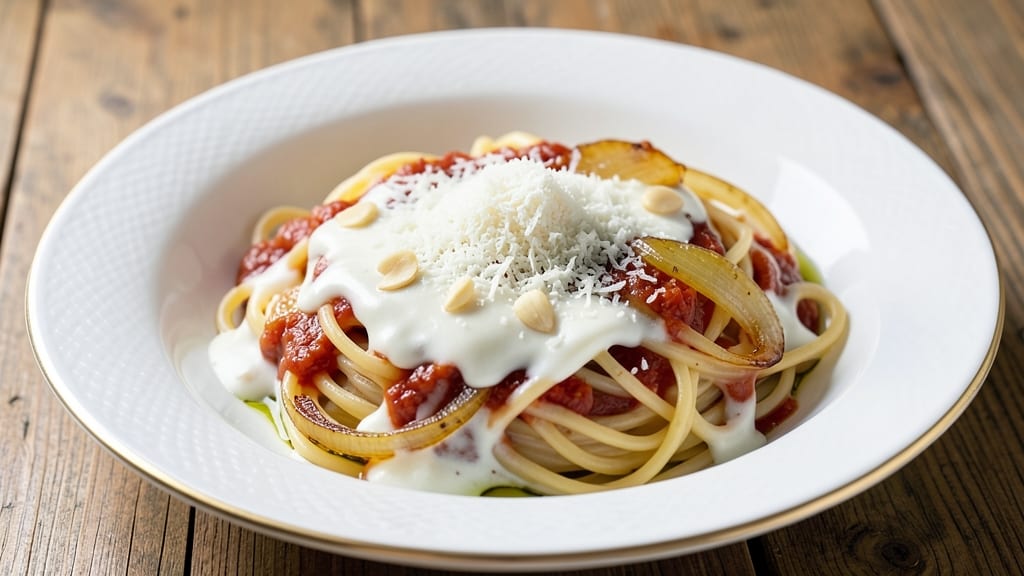
This one-pot alfredo and spaghetti sauce mix recipe combines the rich creaminess of fettuccine alfredo with the robust flavors of classic marinara in a single pot. The secret lies in balancing velvety cheese sauce with tomato depth, creating a fusion that's both comforting and complex.
I developed this recipe after craving a pasta dish that delivered the best of both worlds without the usual mess of multiple pans.
What sets this recipe apart is its simplicity—just a handful of pantry staples come together to create a sauce that's restaurant-quality yet effortless. The key technique is simmering the sauce low and slow, allowing the flavors to meld while keeping the pasta perfectly al dente.
No need for complicated steps or advanced skills; this dish delivers professional results with minimal effort.
By the time you're done, you'll have tender spaghetti coated in a luscious sauce that's creamy yet tangy, with just the right balance of tomato sweetness and cheesy richness. The aroma alone will have everyone gathering at the table, and each bite delivers that perfect harmony of textures and flavors.
This is the kind of meal that transforms an ordinary weeknight into something special.
Serve immediately with a sprinkle of fresh parsley and grated Parmesan for that final touch of elegance. The one-pot method means less cleanup, and the leftovers reheat beautifully for quick lunches. Let's get cooking!
Ingredients for alfredo and spaghetti sauce mix
Just twelve ingredients transform into a velvety tomato-alfredo fusion in one pot.
| Ingredient | Amount | Notes |
|---|---|---|
| Spaghetti 🍝 | 8 oz | Uncooked, broken in half |
| Heavy Cream 🥛 | 1 cup | Full-fat for creaminess |
| Parmesan Cheese 🧀 | 1 ½ cups | Freshly grated from block |
| Marinara Sauce 🍅 | 2 cups | Quality jarred or homemade |
| Garlic Cloves 🧄 | 4 cloves | Minced for even distribution |
| Yellow Onion 🧅 | 1 whole | Finely chopped, medium size |
| Butter 🧈 | 3 tbsp | Unsalted for flavor control |
| All-Purpose Flour 🌾 | 2 tbsp | For thickening sauce |
| Salt 🧂 | 1 ½ tsp | Kosher or sea salt |
| Black Pepper 🌶️ | ½ tsp | Freshly ground preferred |
| Fresh Parsley 🌿 | ¼ cup | Chopped, for garnish |
| Olive Oil 🫒 | 1 tbsp | For sautéing onion and garlic |
| Red Pepper Flakes 🌶️ | ¼ tsp | Optional for heat |
The Parmesan and heavy cream are the stars here—buy a wedge of Parmigiano-Reggiano for the cheese and make sure the cream is full-fat. Whole Foods or Trader Joe's carry quality options, but regular grocery stores have decent brands too. Look for Parmesan with vibrant color and no orange dust—that's the good stuff. Marinara sauce? Rao's or Barilla are solid choices, but homemade works even better if you've got 20 minutes. The garlic and onion should be freshly minced—pre-minced gets bitter fast.
No heavy cream? Full-fat coconut milk works surprisingly well. Short on Parmesan? Pecorino Romano at half the amount gives a sharper flavor. The flour is just for thickening—if you're gluten-free, swap for cornstarch. Diamond Crystal kosher salt dissolves better than table salt, so if you've got it, use that. Red pepper flakes are optional, but if you love heat, add them at the end. The parsley can be dried if fresh isn't available—just use one-third the amount.
This sauce reheats beautifully—just add a splash of water or milk to loosen it. Keeps for 4-5 days in the fridge, freezes for 3 months if you want to make a big batch. I always double the recipe so I have leftovers for quick lunches. Store in airtight containers with a layer of olive oil on top to keep it fresh longer. The pasta cooks right in the pot, so no extra bowls to wash!
Why You'll Love This Recipe
- Two-Sauce Magic: I swear by this combo—smooth alfredo clings to the noodles while the marinara adds just enough tang to cut through the richness. It’s like a flavor hug for your taste buds, and honestly? My picky eaters don’t even question it.
- Pantry to Plate: Five ingredients, one pot, zero fuss. The spaghetti cooks while you toss the garlic in butter—no chopping, no stress. Between us, I’ve made this on nights when I was too tired to open a second cabinet door.
- Leftovers That Shine: This sauce actually improves the next day. The flavors meld into something even richer, and it reheats like a dream. I portion it into containers so I can grab it for lunch or freeze half for when I’m too lazy to cook.
- Budget Booster: Heavy cream and Parmesan stretch farther than you’d think when mixed with marinara. I buy store-brand spaghetti and jarred sauce, and it still feels like a restaurant meal. My wallet and I both approve.
Step-by-step instructions for creating a one-pot alfredo and spaghetti sauce fusion
Master this creamy, tomato-infused pasta in a single pan for effortless flavor and cleanup.
Build the Flavor Base with Onion and Garlic
Heat the 1 tablespoon olive oil in a large pot over medium heat. Add the finely chopped yellow onion and cook for 5-6 minutes until softened and translucent. Here's where the foundation happens—you'll know it's ready when the onion loses its raw bite and becomes tender.
Reduce heat to medium-low and add the 4 cloves minced garlic cloves. Cook for 30 seconds until fragrant—this prevents burning while infusing the sauce with aromatic depth. The garlic should smell pungent but not bitter. If it darkens too quickly, remove the pot from heat for 10 seconds to cool slightly before continuing.
Thicken the Sauce with Butter and Flour
Increase heat to medium and add the 3 tablespoons butter. Let it melt completely, swirling the pot occasionally to distribute evenly. Once melted, stir in the 2 tablespoons all-purpose flour, whisking constantly for 1-2 minutes until the mixture turns a pale golden color and smells nutty.
This roux creates the velvety texture that sets Alfredo sauce apart. Watch closely—if it browns too quickly, reduce heat to medium-low and whisk vigorously. The goal is a smooth, thick paste that will form the creamy base of your sauce.
Combine Wet Ingredients for Creamy Texture
Gradually pour in the 2 cups marinara sauce while whisking continuously. Let the mixture simmer for 3-4 minutes until slightly thickened. Then, slowly add the 1 cup heavy cream, whisking constantly to prevent curdling. The sauce should begin to thicken noticeably as it heats through.
This is where the magic happens—the marriage of creamy Alfredo and tangy marinara. If the sauce looks too thin at this stage, don't worry—it will thicken further as it incorporates the cheese. Keep whisking gently to distribute the ingredients evenly throughout.
Incorporate Cheese and Seasonings
Reduce heat to low and sprinkle in the 1.5 cups freshly grated Parmesan cheese in stages, whisking vigorously after each addition. The cheese should melt completely, creating a smooth, glossy sauce. If any lumps form, strain the sauce through a fine-mesh sieve for a silky finish.
Stir in the 1.5 teaspoons salt and 0.5 teaspoon black pepper, along with the 0.25 teaspoon red pepper flakes if using. Taste and adjust seasoning—this is your chance to balance the rich creaminess with the acidity of the marinara. The sauce should coat the back of a spoon and have a luxurious, velvety consistency.
Cook the Pasta Directly in the Sauce
Add the 8 ounces broken spaghetti to the pot and stir gently to coat each strand with sauce. Pour in 1 cup of water (enough to cover the pasta) and bring to a gentle boil. Cook for 10-12 minutes, stirring occasionally, until the pasta is al dente and the sauce has thickened to your desired consistency.
Here's the secret to one-pot perfection: the pasta water helps emulsify the sauce, creating a cohesive, creamy texture without separation. If the sauce becomes too thick, add 1-2 tablespoons of hot pasta water to loosen it. The pasta should be tender but still offer slight resistance when bitten.
Finish and Serve Immediately
Remove the pot from heat and stir in the 0.25 cup chopped fresh parsley. The bright, fresh flavor cuts through the richness of the cheese and cream, adding a vibrant finish. Taste one last time and adjust seasoning if needed—this is your opportunity to perfect the balance of flavors.
Serve immediately, garnished with additional Parmesan cheese if desired. The sauce should cling beautifully to each strand of pasta, offering a harmonious blend of creamy Alfredo and tangy marinara in every bite. The one-pot method ensures no flavor gets left behind, and the cleanup is a breeze.
Pro Tips For Making Alfredo And Spaghetti Sauce Mix
- Bloom the Garlic: Crush those cloves with the flat side of your knife first—don’t chop them. Sauté them in olive oil over medium-low heat until they’re golden and fragrant, not browned. I learned this the hard way: burned garlic tastes like regret, and you’ll be stirring it into heavy cream, which doesn’t forgive mistakes.
- Reserve the Pasta Water: Drain your spaghetti just before adding it to the sauce, keeping a cup of starchy water nearby. The sauce will thicken when it hits the pasta, and that water is your emergency fix—add it a splash at a time until it’s silky again. (Yes, even if you’re impatient like me.)
- Temper the Cream: Warm the heavy cream gently in a separate pan over low heat—just until it’s steaming, not boiling—before mixing it into the sauce. Cold cream shocks the sauce and can make it split like a bad joke. My grandmother swore by this, and she was right: the sauce stays smooth.
- Grate Your Own Cheese: Skip the pre-shredded Parmesan—it’s coated with anti-caking agents that turn the sauce grainy. Use a microplane or fine grater for the last ¼ cup of cheese, then fold it in off the heat. The texture difference is night and day, and it’s not as hard as it sounds. (Your future self will thank you.)
Common mistakes when making this recipe
Overcooking the Pasta
One of the biggest mistakes is letting the pasta sit too long in the sauce after cooking. Spaghetti continues to absorb liquid even after reaching al dente, turning mushy and gluey. Once your pasta hits 10-12 minutes of cooking time, immediately remove it from heat and stir in the parsley.
I've ruined many batches by keeping it simmering—trust me, it's a texture killer. 🍝
Skipping the Roux
The butter-flour roux is what creates that signature creamy texture, not just the cheese. If you skip it or rush this step, your sauce will be thin and watery.
Whisk that 2 tbsp flour into the melted butter for 1-2 minutes until it turns golden—this is non-negotiable for that velvety consistency. I once made sauce without it and ended up with something closer to a creamy tomato soup.
Adding Cheese Too Fast
Dumping all the Parmesan at once creates cheese clumps that won't melt properly. Sprinkle it in gradually while whisking vigorously between additions. I learned this the hard way—my first attempt had visible cheese chunks even after straining.
For a silky finish, add the cheese in 3-4 batches and let each one fully incorporate before adding more.
Ignoring the Pasta Water
The starchy pasta water is essential for emulsifying the sauce. If you don't add that 1 cup of water when cooking the pasta, your sauce will separate and become greasy. The starch helps bind the fat and cheese together.
I've had sauces split like oil and water when I forgot this crucial step—always keep some pasta water on hand to rescue thick sauces.
Using Low-Quality Cheese
Pre-shredded Parmesan contains anti-caking agents that prevent proper melting. Always grate your own cheese from a block for the best results. If you must use pre-shredded, Parmigiano-Reggiano from Whole Foods or Trader Joe's has better quality than generic brands.
I've tried the cheap stuff—it's a flavor and texture disaster compared to freshly grated.
Rushing the Simmering
This sauce needs time to develop its flavors. If you rush the simmering after adding the wet ingredients, you'll end up with a raw-tasting sauce. Let everything cook at low heat for at least 10 minutes after adding the cream.
I've made the mistake of turning up the heat to speed things up, and the sauce ended up curdled and separated—patience is key here. ✨
Nutrition facts
Frequently asked questions
Can I make this recipe without heavy cream?
For a lighter version, substitute with 1 cup full-fat coconut milk or 1 cup Greek yogurt (thinned with a splash of milk). The sauce will have a slightly different texture but still be delicious. If using yogurt, whisk it in gradually to prevent curdling. For extra richness, add 1 tablespoon butter to compensate for the cream's fat content.
What's the best way to store leftovers?
Store in an airtight container with a layer of olive oil on top to prevent drying. Leftovers keep well in the fridge for 4-5 days. To reheat, add 1-2 tablespoons of water or milk and warm over low heat, stirring constantly until creamy. For freezing, portion into meal-sized containers for up to 3 months—thaw overnight in the fridge before reheating.
Can I use this sauce with other pasta shapes?
While spaghetti works best, you can adapt this recipe for fettuccine, linguine, or penne. For shorter pasta like penne, cook it separately and toss with the sauce to avoid overcooking. The one-pot method works best with long, thin noodles that can cook in the sauce without becoming mushy. If using a different shape, reduce cooking time by 1-2 minutes and check for doneness early.
Why did my sauce separate?
Sauce separation usually happens when fat and liquid aren't properly emulsified. The fix? Add 1-2 tablespoons of hot pasta water while whisking vigorously. For prevention, whisk constantly when adding cheese and cream, and never boil the sauce vigorously. If separation persists, blend the sauce briefly with an immersion blender for a silky finish. The key is patience—low and slow heat is your friend here!
How can I make this dish vegetarian?
This recipe is already vegetarian! For a vegan version, swap the heavy cream for coconut milk and use vegan Parmesan. Ensure your marinara is vegan too. The butter can be replaced with vegan butter or olive oil. The flavor will be slightly different but still rich and satisfying. Garnish with nutritional yeast for that cheesy umami kick.