
Sauces & Condiments
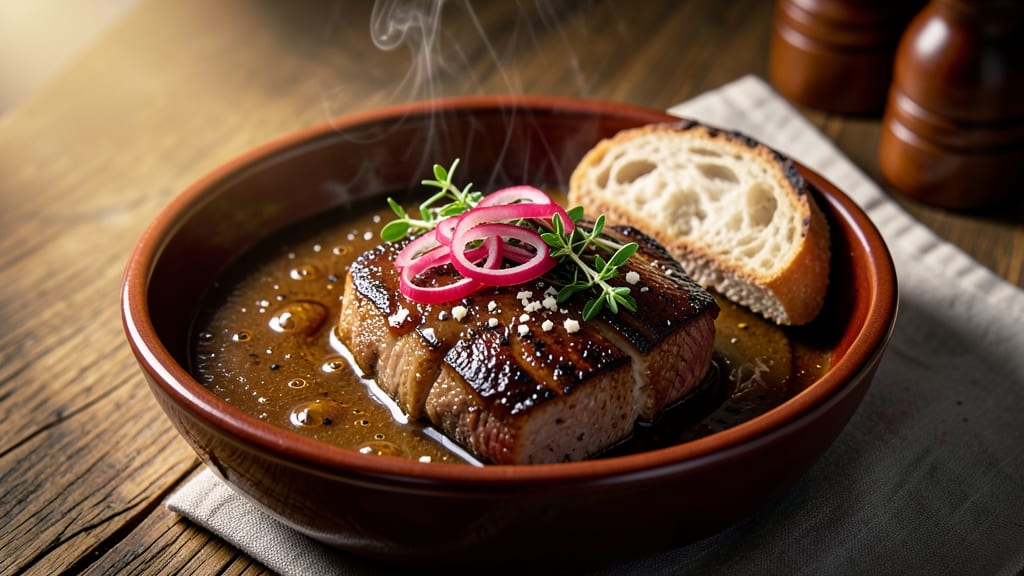
This ale sauce recipe transforms simple ingredients into a rich, smoky condiment that elevates everything from fish and chips to grilled meats. The secret lies in simmering dark beer with vinegar, sugar, and spices until it reduces into a glossy, flavor-packed sauce with deep malted notes.
I developed this version after years of experimenting with traditional recipes—balancing sweetness, acidity, and umami for a sauce that’s both versatile and unforgettable.
The beauty of ale sauce is its simplicity: just seven core ingredients, including mustard and Worcestershire for complexity, and a slow reduction that concentrates the flavors. Unlike store-bought versions, this homemade sauce delivers layers of caramelized depth from the beer and a subtle tang from the vinegar.
It’s the kind of condiment that turns ordinary dishes into restaurant-worthy meals with minimal effort.
What you’ll end up with is a glossy, velvety sauce with a perfect balance of sweet, smoky, and slightly tangy flavors—ideal for drizzling over fish, slathering on sandwiches, or simmering into stews.
The reduction process ensures it keeps well in the fridge for up to two weeks, making it a pantry staple for quick weeknight dinners.
Whether you’re serving classic fish and chips or grilling burgers, this ale sauce adds a professional touch without the fuss. Let’s get started—your taste buds will thank you.
Ingredients for ale sauce
Seven simple ingredients create a sauce that transforms ordinary meals into restaurant-worthy dishes.
| Ingredient | Amount | Notes |
|---|---|---|
| Dark Beer 🍺 | 1 ½ cups | Stout or porter preferred for depth |
| Apple Cider Vinegar 🍏 | ½ cup | For tangy brightness |
| Granulated Sugar 🍬 | ½ cup | Light brown sugar for caramel notes |
| Dijon Mustard 🥬 | 2 tbsp | High-quality for umami kick |
| Worcestershire Sauce 🍯 | 1 tbsp | For savory complexity |
| Ground Black Pepper 🌶️ | ½ tsp | Freshly cracked for warmth |
| Salt 🧂 | 1 tsp | Kosher or sea salt preferred |
The beer is the soul of this sauce—Guinness or a local craft stout adds the deepest malted richness. If you're using a lighter ale, boost the sugar slightly to compensate. Trader Joe's and Whole Foods often carry excellent craft options, but any dark beer you enjoy drinking works. The vinegar should be apple cider (not white), as its subtle fruitiness complements the malt. For the mustard, Maille or Bonne Maman are my go-tos—they've got that perfect balance of sharpness and creaminess.
No dark beer? Substitute with equal parts stout tea and extra sugar—it's not identical, but it works in a pinch. Short on vinegar? Lemon juice at half the amount adds tang, though you'll lose some depth. The Worcestershire can be tricky—some brands contain anchovies, so check labels if avoiding fish. For a vegetarian version, vegan Worcestershire works perfectly. The sugar can be swapped for honey (reduce to 3 tbsp) if you prefer, but the caramelization is what gives this sauce its signature gloss.
This sauce tastes even better the next day as the flavors meld. Store it in an airtight jar in the fridge for up to 2 weeks, or freeze for 3 months in ice cube trays for portion control. The reduction process concentrates the flavors, so don't be tempted to rush it—patience here makes all the difference. I always double the batch because it disappears faster than you'd think, especially when paired with crispy fish or smoky grilled meats.
Why You'll Love This Recipe
- Five-Ingredient Magic: I swear by this—just beer, vinegar, sugar, mustard, and Worcestershire. That’s it. No fancy reductions, no straining, no stress. Simmer it down, and you’ve got a sauce that tastes like it spent hours in a pot.
- Rich Umami Bomb: Between the dark beer’s maltiness and that punch of Worcestershire, this sauce has depth you’d expect from something way more complicated. The apple cider vinegar cuts through the sweetness just enough to keep it balanced—like a grown-up ketchup, but way better.
- Game for Any Meal: Slather it on burgers, drizzle it over fries, or toss it with grilled chicken. It even turns a simple baked potato into a showstopper. Honestly, I’ve used it for everything from weeknight dinners to picnic sandwiches—no judgment if you pour it on ice cream.
- Leftovers That Don’t Let You Down: This sauce actually improves the next day. The flavors meld even more, and it’s still just as versatile. Plus, it’s cheap to make—you’re using pantry staples, not specialty ingredients. My wallet and my taste buds thank me.
Step-by-step instructions for ale sauce recipe
This rich, malt-forward sauce builds layer by layer—each ingredient playing its part.
Bloom the Mustard and Sweeten the Base
In a medium saucepan, whisk together the 1.5 cups dark beer and 0.5 cup granulated sugar over medium-low heat. Let it simmer gently for 8-10 minutes until the sugar dissolves completely and the mixture reduces slightly—you'll notice the aroma deepen as malt notes emerge. This step caramelizes just enough to form the sauce's foundation.
Here's the thing—don't rush this reduction. The sugar needs time to integrate with the beer's maltiness, creating that signature depth. If you see the mixture darken too quickly, reduce the heat slightly to prevent scorching. I like to stir occasionally to distribute the heat evenly and ensure no sugar crystals remain undissolved.
Add Vinegar and Worcestershire for Balance
Once the sugar is fully incorporated, increase the heat to medium and add the 0.5 cup apple cider vinegar and 1 tablespoon Worcestershire sauce. Bring the mixture to a gentle boil, then immediately reduce heat to low and let it simmer for 5-7 minutes. You'll see the sauce thicken as the vinegar's acidity reacts with the malt sugars, creating a glossy sheen.
This is where the sauce starts to come together. The vinegar cuts through the richness of the beer while the Worcestershire adds that unmistakable umami punch. Taste as you go—you want the balance of sweet, tangy, and savory to harmonize. If it tastes too sharp, add a pinch more sugar; if it's too flat, a splash more vinegar will wake it up.
Season and Simmer to Perfection
Stir in the 2 tablespoons Dijon mustard, 1 teaspoon salt, and 0.5 teaspoon ground black pepper. Return the sauce to a simmer and cook for another 10-12 minutes, stirring occasionally. The mustard will thicken the sauce further, and the spices will infuse throughout. You're aiming for a consistency that coats the back of a spoon but isn't syrupy—somewhere between a thick gravy and a glaze.
Real talk: This is the moment that matters. The sauce should smell like a mix of caramel, malt, and a hint of smoky heat. If it starts to darken too much, cover the pan and reduce the heat to lowest setting to prevent burning. The mustard will keep the sauce from becoming too heavy, while the pepper adds warmth that pairs perfectly with grilled meats or hearty stews.
Strain and Adjust for Final Brilliance
Once the sauce reaches your desired consistency, remove it from heat and let it cool slightly for 2-3 minutes. Then, strain it through a fine-mesh sieve into a clean bowl to remove any sediment or mustard seeds that might make it grainy. This step ensures a silky texture that clings beautifully to your dishes.
Taste again and make any final adjustments—perhaps a touch more salt if the beer was particularly hoppy, or a splash more vinegar if you want extra tang. The sauce should be balanced: sweet from the caramelized sugar, tangy from the vinegar, smoky from the beer, and savory from the mustard and Worcestershire. Let it cool to room temperature before serving, as it will thicken slightly as it sits.
Pro Tips For Making Ale Sauce
- Simmer Slow and Steady: I learned this the hard way—boiling ale sauce too fast makes it bitter. Keep the heat at a gentle simmer (just tiny bubbles breaking the surface) for 15-20 minutes. The flavors meld better when they’re not fighting for attention.
- Use Real Beer, Not Bottle: That cheap canned beer? Skip it. The carbonation fizzes out and leaves flat flavor. Grab a dark ale or stout from the fridge—cold works fine here—and let it come to room temp first. The difference is night and day.
- Balance the Vinegar: Apple cider vinegar is sharp, and too much turns your sauce into a briny mess. Start with half the called-for amount, taste, then add more if needed. You’re aiming for tangy, not sour—think of it as a bright note, not the main event.
- Strain Out the Grain: After simmering, let the sauce cool slightly before straining through a fine-mesh sieve. This catches any sediment from the beer or mustard seeds that sneak in. Lazy? Fine, but you’ll taste the difference—especially if you’re using a bold, grainy beer.
Regional styles of ale sauce
British Fish and Chips
This sauce was born for classic British fish and chips, where its smoky maltiness cuts through crispy batter and flaky cod. I’ve perfected my technique by simmering the sauce until it’s just thick enough to cling to the fries without making them soggy.
Serve it warm in a small ceramic dipping bowl—the contrast of the sauce’s glossy sheen against golden chips is pure magic. 🍟
American BBQ Burgers
For a smoky twist on burgers, I brush the sauce onto grilled patties during the last 2 minutes of cooking. The beer’s maltiness enhances the beef’s richness, while the vinegar’s tang keeps things balanced.
Top with sharp cheddar and caramelized onions for a sauce that feels like a hug from a British pub. 🍔
German Bratwurst
In Germany, this sauce is often called Biersoße and drizzled over bratwurst with mustard. I like to simmer the sauce with a splash of dark beer (like a Dunkel) for extra depth, then finish with a sprinkle of fresh parsley.
Serve with sauerkraut for the full German experience. 🥬
Irish Stew
Add this sauce to Irish stews for a malt-forward twist. I stir in ½ cup of the sauce during the last 10 minutes of cooking, letting it meld with the lamb or beef. The beer’s caramel notes complement the root vegetables perfectly, while the vinegar brightens the dish. 🥘
Belgian Fries
Belgian fries deserve a sauce with bold flavors. I drizzle this ale sauce over crispy fries and sprinkle with crispy fried shallots for extra texture. The beer’s richness balances the fries’ saltiness, making every bite feel indulgent. 🍟✨
American Reuben Sandwich
This sauce is a game-changer for Reuben sandwiches. I spread a thin layer on rye bread before adding the corned beef, sauerkraut, and Swiss cheese. The grilled sandwich gets a final drizzle of sauce, creating a tangy, smoky contrast that’s pure comfort food. 🥪
Nutrition facts
Frequently asked questions
Can I use any beer for ale sauce?
Dark beers like stout or porter work best for their rich malt flavor. Lighter ales or lagers will produce a milder sauce—consider adding an extra 1 tablespoon of sugar to compensate. If you're out of beer, substitute with equal parts stout tea and extra sugar for a similar depth of flavor.
How long does homemade ale sauce keep?
Store it in an airtight container in the fridge for up to 2 weeks. For longer storage, freeze in ice cube trays for 3 months—perfect for portion control! The sauce actually improves overnight as flavors meld. Always cool it completely before refrigerating to prevent condensation.
What's the best way to use ale sauce?
This versatile sauce shines on grilled meats, fish and chips, or even as a sandwich spread. For maximum flavor, drizzle it warm over hot dishes—it clings beautifully to crispy textures. Try brushing it on burgers during the last 2 minutes of grilling for a caramelized finish.
Can I make ale sauce without mustard?
Yes! While mustard adds thickness and depth, you can replace it with 1 tablespoon of cornstarch mixed with 1 tablespoon cold water as a slurry. Add it during the final 5 minutes of simmering. The sauce will be slightly thinner but still delicious—just add a pinch more salt to compensate for the missing umami.
Why did my ale sauce turn too thick?
This often happens if you simmer too long or use too much mustard. Thin it with 1-2 teaspoons of warm water or a splash of beer while reheating. For future batches, reduce simmering time to 15 minutes total and use 1 tablespoon less mustard if you prefer a lighter consistency.