
Sauces & Condiments
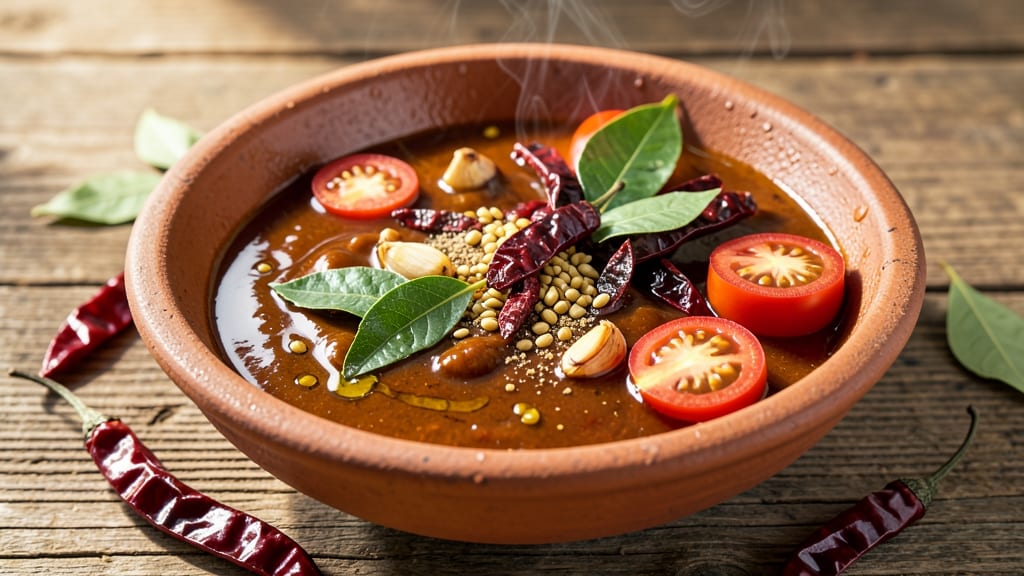
This achari sauce recipe transforms simple pantry staples into a vibrant, tangy-sweet-spicy condiment that elevates everything from dosas to snacks. The key lies in tempering whole spices—mustard seeds, curry leaves, and dried chilies—until they release their aromatic oils, creating a sauce with depth that store-bought versions can’t match.
I’ve perfected this version to deliver that signature South Indian tang without requiring tamarind paste, using instead a blend of vinegar and sugar for precise balance.
The process is straightforward but requires patience: toast the spices until fragrant, then simmer them with tomatoes, garlic, and a touch of coconut until the flavors meld into a glossy, slightly thickened sauce.
The secret to authenticity isn’t just the spices—it’s the slow reduction that concentrates the flavors, turning ordinary ingredients into something irresistibly complex. This sauce keeps for weeks in the fridge, making it a pantry essential for anyone who loves bold, layered flavors.
What makes this recipe stand out is its versatility—drizzle it over hot dosas, use it as a dip for pakoras, or stir it into curries for an instant flavor boost. The tangy-sweet heat cuts through richness, while the spices add warmth that lingers on the palate.
Unlike many condiments, this one improves with time, as the flavors deepen and the spices mellow. Once you try homemade, store-bought achari sauce won’t compare.
For those new to tempering, don’t rush the spice step—this is where the magic happens. A heavy-bottomed pan ensures even toasting, and a splash of water at the end creates steam to infuse the spices into the sauce.
The result? A condiment so vibrant and flavorful, it turns simple meals into something extraordinary. Let’s make it.
Ingredients for achari sauce
Eleven pantry staples create this vibrant, tangy-spicy achari sauce that transforms ordinary meals into extraordinary ones.
| Ingredient | Amount | Notes |
|---|---|---|
| Mustard Seeds 🌱 | 1 tbsp | Whole seeds for tempering |
| Dried Red Chilies 🌶️ | 8 whole | Kashmiri or bird's eye |
| Curry Leaves 🌿 | ½ cup | Fresh, packed tightly |
| Medium Tomatoes 🍅 | 4 whole | Ripe, firm variety preferred |
| Garlic Cloves 🧄 | 6 cloves | Peeled, lightly crushed |
| Asafoetida Powder 🌿 | ¼ tsp | Essential for depth |
| White Vinegar 💧 | ½ cup | Distilled preferred |
| Granulated Sugar 🍚 | ¼ cup | Adjust to taste |
| Shallots 🧅 | 2 whole | Finely chopped |
| Unsweetened Coconut Milk 🥥 | ¼ cup | Full-fat for richness |
| Salt 🧂 | 1 tsp | Diamond Crystal preferred |
The spices are non-negotiable here—mustard seeds and curry leaves must be whole and fresh, not ground. Whole Foods or Indian specialty stores carry the best quality, particularly for curry leaves which wilt quickly. Kashmiri chilies add color and mild heat, while bird's eye chilies bring serious spice. Toast the mustard seeds in a heavy-bottomed pan until they pop—this releases their aromatic oils, which is where the sauce's depth comes from. If you can't find asafoetida, it's worth seeking out at an Indian market; it's the umami bomb that makes this sauce authentic.
No curry leaves? Dried curry leaf powder at half the amount works in a pinch, though fresh is ideal. Vinegar substitutes? Lemon juice or apple cider vinegar both work, but adjust the sugar to balance acidity. For a deeper tomato flavor, roast the tomatoes in the oven before blending, or use sun-dried tomatoes in oil. The coconut milk can be swapped for cashew cream if you prefer a richer texture. If you're avoiding coconut entirely, a splash of coconut oil adds the same depth without the dairy flavor.
This sauce tastes better with age—3-5 days in the fridge lets the flavors meld perfectly. Store in an airtight jar with a layer of oil on top to preserve freshness. Portion into ice cube trays for easy use in future recipes. Freezes beautifully for up to 3 months, though the texture may separate slightly. Always bring to room temperature before using to maintain consistency.
Why You'll Love This Recipe
- No-Fuss Pantry Staples: I’ll never stress over grocery runs again—this sauce lives off ingredients I already have. Mustard seeds, dried chilies, and curry leaves? Those little jars in my cabinet are working overtime for flavor without extra cost.
- Garlic Bomb Flavor: That first sizzle of mustard seeds and garlic? It’s like a flavor explosion in a pan. The tomatoes soften into a tangy, slightly sweet base that makes everything—dosa, rice, even eggs—taste like a restaurant dish.
- Weeknight Superhero: Between us, I’ve used this sauce on lazy Tuesdays, last-minute dinner parties, and even as a quick marinade. It’s the kind of thing that turns a sad bowl of rice into a meal in five minutes flat.
- Leftovers That Don’t Suck: Honestly, this sauce tastes better the next day. I make a big batch on Sundays, store it in the fridge, and pull it out all week—no one ever complains. (Yes, even my picky teenager.)
Step-by-step instructions for achari sauce
Transform simple ingredients into a vibrant, complex sauce with this precise method.
Prepare the Tempering Base
Heat a heavy-bottomed pan over medium heat and add the 1 tablespoon mustard seeds. Let them sizzle for 30 seconds until they begin popping—this releases their nutty aroma. Add the 8 whole dried red chilies and toast for 1 minute until they darken slightly and release their smoky depth.
Immediately add the 0.5 cup curry leaves and the 2 whole shallots. Stir constantly for 1-2 minutes until the shallots soften and the curry leaves release their citrusy fragrance. This tempering base forms the aromatic foundation of the sauce—don't rush this step or you'll lose these essential flavors.
Build the Sauce Foundation
Reduce heat to medium-low and add the 4 whole medium tomatoes, crushing them lightly with your hands. Cook for 8-10 minutes until the tomatoes break down completely and the mixture becomes a thick, rust-colored purée. The sauce should reduce by about half, with a rich, concentrated tomato flavor developing.
Add the 6 cloves garlic cloves and 0.25 teaspoon asafoetida powder at this stage. Cook for another 2 minutes until the garlic becomes fragrant but doesn't brown. The asafoetida adds a unique umami depth that's essential to authentic achari flavor—don't skip it.
Balance Flavors with Vinegar and Sugar
Pour in the 0.5 cup white vinegar and 0.25 cup granulated sugar simultaneously. Stir well and simmer for 5-7 minutes until the sauce thickens slightly and the vinegar's sharpness mellows into a balanced tang. Taste at this point—the sauce should have a complex interplay of sweet, sour, and spicy notes.
Add the 1 teaspoon salt and adjust the sugar to taste if needed. The vinegar and sugar combination creates the signature tangy-sweet balance of achari sauce. If the sauce seems too acidic, add a splash of water to dilute slightly while maintaining the proper consistency.
Finish with Coconut Milk
Remove the pan from heat and stir in the 0.25 cup unsweetened coconut milk. The coconut milk adds a velvety richness that rounds out the sharp flavors. Return to low heat and simmer gently for 2-3 minutes just to incorporate fully—don't let it boil or the coconut flavor will curdle.
Let the sauce cool slightly before serving. The flavors will continue to meld as it rests. This sauce pairs beautifully with dosas, idlis, or as a dip for fried snacks. For best results, use within 3-4 days or store in the refrigerator for up to 1 week.
Pro Tips For Making Achari Sauce
- CRACK MUSTARD SEEDS LOW: I learned this the hard way—blasting mustard seeds on high heat turns them bitter before they pop. Use medium-low heat and stir constantly until they sizzle like tiny fireworks. Patience here keeps the sauce bright and nutty, not acrid.
- SOAK DRY CHILIES: Skip this step, and your sauce will taste like dust. Toss dried red chilies in warm water for 10 minutes—they’ll soften and release their heat properly. My grandmother swore by this, and she was right: the flavor is deeper, not just sharper.
- COOK TOMATOES UNTIL MUSHY: Achari sauce needs tomatoes to break down completely, not just soften. Simmer them for 10-12 minutes until they’re almost a pulp—this builds the sauce’s body. I used to rush this, and the sauce always tasted thin and one-dimensional.
- GARLIC AFTER CURRY LEAVES: Add garlic after the curry leaves have sizzled for 30 seconds—this prevents burning and lets the leaves infuse the oil first. The result? A fragrant, balanced sauce where garlic shines without overpowering. (Yes, even if you’re impatient like me.)
Common mistakes when making perfect results
Rushing the Spice Toast
Toasting the mustard seeds and dried chilies too quickly is the fastest way to ruin your sauce. When you hear the mustard seeds pop, they release their aromatic oils—this is where the sauce gets its depth.
If you rush this step (30 seconds max for mustard seeds), you'll miss the nutty, earthy notes that make homemade achari sauce taste authentic. I've learned the hard way: under-toasted spices make the sauce taste flat and one-dimensional.
Use a heavy-bottomed pan and keep the heat at medium to maintain even toasting. 🌶️
Skipping the Asafoetida
This is a non-negotiable ingredient for authentic flavor, but many home cooks skip it because of its strong smell. The ¼ teaspoon asafoetida powder adds an umami depth that balances the tangy-sweet-spicy profile. Without it, your sauce will taste incomplete, almost missing that signature South Indian complexity.
If you're worried about the smell, add it at the end with the coconut milk—it mellows out as it cooks. Trust me, the flavor transformation is worth it.
Overcooking the Tomatoes
Tomatoes are the base of your sauce, but cooking them too long turns them mushy and dulls their flavor. You want them to break down into a thick purée (8-10 minutes on medium-low heat), not reduce into a paste.
If you let them cook too long, the sauce will taste bitter and lose its vibrant color. Keep a close eye on them and stir frequently to prevent burning. The goal is a rust-colored purée that's thick but still retains some texture.
Adding Vinegar Too Early
Introducing the vinegar too soon can make your sauce taste harsh and unbalanced. The vinegar needs to mingle with the tomatoes and spices first, allowing the acidity to mellow into a tangy sweetness.
Wait until after the tomatoes have broken down completely before adding the ½ cup white vinegar and ¼ cup sugar. This gradual introduction creates that perfect balance of flavors that defines achari sauce.
If you add it too early, you'll end up with a sauce that's just vinegary and sweet, missing the complexity.
Ignoring the Resting Time
Freshly made achari sauce needs time to develop its full flavor profile. If you serve it immediately after cooking, the flavors will still be disjointed and harsh. Let it rest for at least 30 minutes (or better yet, overnight) before using.
This allows the spices to infuse properly and the vinegar's sharpness to mellow. I often make a big batch on Sunday and let it sit in the fridge—by Wednesday, it's transformed into something truly special. The patience pays off in flavor.
Using Low-Quality Spices
The quality of your spices makes or breaks this sauce. Cheap, old spices will give you a weak, bland result. Invest in fresh, whole spices from an Indian specialty store or a well-stocked grocery section.
For example, curry leaves should be fresh and packed tightly, while mustard seeds should be whole and plump. The difference between store-bought and homemade achari sauce comes down to these fresh, high-quality spices. Don't cut corners here—your taste buds will thank you. 🌿
Nutrition facts
Frequently asked questions
Can I make achari sauce without vinegar?
Yes, but the tangy balance will be different. Replace the ½ cup white vinegar with ½ cup lemon juice or ¼ cup tamarind paste dissolved in ¼ cup water. If using tamarind, reduce the sugar to 2 tablespoons since tamarind is naturally sweet. The sauce will still taste complex, but the sourness will be more fruity than sharp.
How do I adjust the spice level for kids or sensitive eaters?
Start by reducing the dried chilies to 4-5 whole instead of 8. For extra mild heat, remove the seeds and membranes before adding them. If you want to eliminate spice entirely, omit the chilies and add ½ teaspoon ground coriander instead for warmth without heat. Always taste as you go!
What's the best way to use leftover achari sauce?
This versatile sauce enhances so many dishes! Drizzle it over hot dosas or idlis, mix into curry bases for depth, or use as a marinade for grilled chicken or fish. For a quick snack, stir it into yogurt with chopped onions. It also makes an amazing dip for pakoras or samosas. The flavors intensify when reheated gently.
Can I make achari sauce in a pressure cooker?
Not recommended—achari sauce relies on gentle simmering to develop its complex flavors. The high heat of a pressure cooker would burn the spices and tomatoes quickly. Instead, use a heavy-bottomed pot on the stovetop for even cooking. If you're short on time, reduce the cooking time slightly but keep the heat low to prevent scorching.
Why does my homemade achari taste different from store-bought?
Homemade achari always tastes fresher and more vibrant! Store-bought versions often use preservatives and lower-quality spices. The key differences are: freshly toasted spices (not pre-ground), no artificial tang, and properly balanced sweet-sour-spicy notes. Your version should have more aroma and depth—this is a good thing! The flavors also develop better over time in homemade sauce.