
Sauces & Condiments
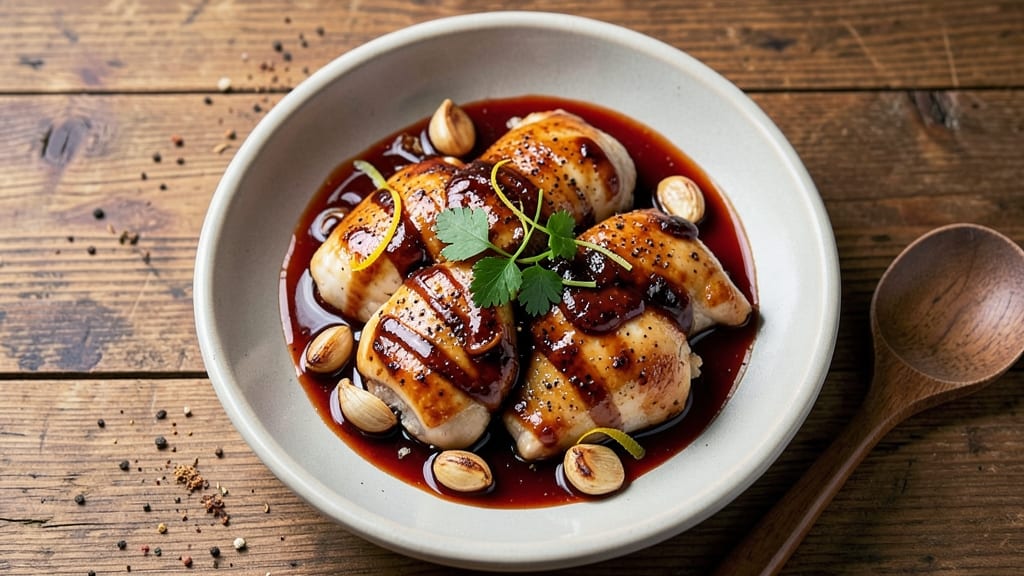
This A1 steak sauce chicken recipe transforms ordinary chicken into a caramelized masterpiece with a smoky-sweet glaze that locks in juices and creates irresistible edges. The secret lies in balancing A1's rich, tangy depth with high-heat searing to develop that signature glossy finish—no fancy equipment required.
I perfected this technique after years of experimenting with glazes, and it delivers restaurant-quality results every time.
The process starts with a simple marinade that tenderizes the chicken while infusing it with A1's signature flavors. You'll sear the chicken to develop a golden crust, then baste continuously with the sauce as it cooks.
This dual approach ensures the meat stays juicy while achieving that perfectly caramelized exterior that makes this dish so irresistible. The sauce's natural stickiness clings to the chicken, creating a mouthwatering sheen that's impossible to resist.
What you end up with is tender, flavorful chicken that's practically dripping with that signature A1 glaze. The smoky-sweet flavor profile works beautifully with classic sides like creamy mashed potatoes or crisp coleslaw, creating a complete meal that's both comforting and impressive.
This technique works equally well with thighs, breasts, or drumsticks, making it incredibly versatile for different occasions.
Whether you're grilling outdoors or cooking on the stovetop, this method guarantees restaurant-quality results with minimal effort. The key is patience—letting the sauce work its magic through slow basting rather than rushing the process.
Trust me, once you try this technique, you'll never go back to plain old chicken again. Let's get started!
Ingredients for a1 steak sauce chicken
These twelve ingredients transform simple chicken into a restaurant-worthy masterpiece with that signature glossy A1 finish.
| Ingredient | Amount | Notes |
|---|---|---|
| Boneless, Skinless Chicken Thighs 🍗 | 1 ½ lb | Cut into even-sized pieces |
| A1 Steak Sauce 🍯 | ½ cup | Original A1 sauce preferred |
| Brown Sugar 🍚 | ¼ cup | Packed firmly for sweetness |
| Apple Cider Vinegar 🍎 | ¼ cup | For tangy depth |
| Ketchup 🍅 | ¼ cup | High-quality preferred |
| Worcestershire Sauce 🍶 | 1 tbsp | Vegetarian version if needed |
| Garlic Cloves 🧄 | 4 cloves | Minced for marinade |
| Olive Oil 🫒 | 2 tbsp | Extra-virgin for searing |
| Salt 🧂 | 1 ½ tsp | Kosher or sea salt |
| Black Pepper 🌶️ | ½ tsp | Freshly ground preferred |
| Onion Powder 🧅 | ½ tsp | For depth of flavor |
| Smoked Paprika 🌶️ | ½ tsp | For smoky aroma |
| Honey 🍯 | 1 tbsp | For extra caramelization |
The A1 Steak Sauce is non-negotiable here—it's the heart of the flavor. Grab the original bottle from the steakhouse section (not the pre-mixed marinade versions), as it delivers that authentic tangy depth. Costco usually has it in bulk, but any grocery store's steak sauce aisle will work. For the chicken, thighs are ideal—they stay juicier during the long cooking time, but breasts work if you're patient. The garlic should be fresh, not that sad jarred stuff. If you're feeling fancy, toast the minced garlic in olive oil for 30 seconds before adding to the marinade—it adds a whole new dimension of flavor. The brown sugar is crucial for that caramelized crust, so don't skip it.
No A1 sauce? Mix 3 tbsp soy sauce with 1 tbsp molasses for a decent substitute, though it won't be identical. Running out of apple cider vinegar? White vinegar or lemon juice works in a pinch, but the flavor will be slightly sharper. The Worcestershire sauce is where the umami magic happens—if you're vegetarian, use a dedicated vegetarian version. For the honey, if you're avoiding it, maple syrup is a great 1:1 swap. The smoked paprika can be swapped for regular paprika if you're out, but you'll lose that signature smokiness. Pro tip: Make extra sauce—it's amazing on burgers, fries, or even eggs the next day.
This marinade keeps for up to 3 days in the fridge, so make it ahead if you're planning a big meal. The chicken pieces should marinate for at least 2 hours, but overnight is even better. Don't skip the basting—that's where the magic happens. The sauce reheats beautifully, so if you have leftovers, store them in an airtight container with a splash of water to keep it from drying out. It freezes well for up to 3 months, making this the perfect make-ahead recipe for game day or dinner parties. The caramelized edges are best enjoyed fresh, but the chicken stays tender for 3-4 days in the fridge.
Why You'll Love This Recipe
- Five-Ingredient Magic: The pantry already has everything—no special shopping runs. Just toss chicken thighs in A1, a splash of vinegar, and brown sugar, then let the oven do the work. Honestly, I’ve made this while scrolling through my phone.
- Sweet-Savory Bomb: That A1 sauce cuts through the richness of the thighs, while the vinegar and sugar caramelize into a sticky, tangy glaze. It’s the kind of flavor that makes you reach for seconds without thinking.
- Leftovers That Shine: Double the batch—it reheats like a dream in the microwave or oven. My kids beg for it cold in sandwiches the next day, and I swear it tastes even better after a night in the fridge.
- Weeknight Workhorse: Crowd-pleaser for game days, lazy Sundays, or when you’re too tired to care. Serve it over rice, in tacos, or straight off the tray—no one judges, and neither do I.
Step-by-step instructions for A1 steak sauce chicken
Here's how to transform simple chicken thighs into caramelized, glossy perfection with that signature A1 sauce magic.
Marinate the Chicken for Maximum Flavor
In a large bowl, combine the 1.5 lb boneless, skinless chicken thighs with the 0.5 cup A1 steak sauce, 0.25 cup apple cider vinegar, 1 tbsp Worcestershire sauce, 4 cloves minced garlic, 1.5 tsp salt, 0.5 tsp black pepper, 0.5 tsp onion powder, and 0.5 tsp smoked paprika. Mix gently but thoroughly to coat all surfaces of the chicken.
Cover the bowl and refrigerate for at least 4 hours, or overnight if possible. This marinating time allows the flavors to deeply penetrate the meat, creating that signature sweet-smoky profile. The acidity from the vinegar also helps tenderize the chicken, ensuring it stays juicy even with the caramelization we're aiming for.
Sear the Chicken for Irresistible Crust
Remove the chicken from the refrigerator and let it sit at room temperature for 15 minutes before cooking. This helps ensure even cooking. Heat 1 tbsp olive oil in a large skillet over medium-high heat until shimmering.
Working in batches if needed, add the marinated chicken thighs to the skillet, leaving space between pieces. Cook undisturbed for 4-5 minutes per side until the chicken develops a deep golden-brown crust. You'll see the edges begin to caramelize—that's exactly what we're after. Don't be tempted to flip too early; the chicken needs that initial sear to lock in juices.
Build the Glossy Sauce
Once the chicken is beautifully browned, remove it from the skillet and set aside on a plate. Reduce the heat to medium and add the remaining 1 tbsp olive oil to the skillet. Stir in the 0.25 cup brown sugar and 0.25 cup ketchup, scraping up any browned bits from the bottom of the pan.
Let this mixture cook for 2-3 minutes until it begins to bubble and thicken slightly. Then pour in any accumulated juices from the chicken and the 1 tbsp honey. Return the chicken to the skillet, spooning the sauce over the top. The sugar and honey will caramelize beautifully, creating that signature glossy finish we're after.
Finish with Perfect Caramelization
Cover the skillet and cook for 10-12 minutes, turning the chicken occasionally to coat evenly in the sauce. You're looking for that deep caramel color on the edges—this is where the magic happens. The sauce should coat the chicken in a sticky, glossy layer that's almost too pretty to eat.
When the chicken reaches an internal temperature of 165°F and the sauce has thickened to your desired consistency, remove it from heat. Let it rest for 5 minutes before serving. This resting time allows the juices to redistribute, ensuring each bite is perfectly moist and flavorful.
Serve with Confidence
Transfer the chicken to a serving platter and spoon any remaining sauce from the skillet over the top. The chicken should have that beautiful caramelized crust with a glossy sheen from the sauce. Serve immediately while the sauce is still warm and sticky—this dish tastes best straight from the pan.
This recipe yields four generous servings, perfect for a family dinner or meal prep. The combination of sweet, smoky, and tangy flavors makes this chicken incredibly versatile—serve it with mashed potatoes, over rice, or with crusty bread to soak up every last bit of that delicious sauce.
Pro Tips For Making A1 Steak Sauce Chicken
- Sear the Chicken First: Don’t skip browning the thighs—sear them in a hot pan with a little oil for 3-4 minutes per side until golden. That crust locks in flavor and keeps the sauce from turning the meat mushy, especially when you add the A1 and vinegar later.
- Deglaze Like a Pro: After removing the chicken, immediately pour in the apple cider vinegar and scrape every last bit of browned bits from the pan. Those bits are where the deep flavor hides, and skipping this step means your sauce will taste thin and one-dimensional.
- Balance the Sweet Heat: Taste the sauce before serving—if the A1’s smokiness overpowers the sweetness, add another tablespoon of brown sugar. If it’s too cloying, splash in a little more vinegar. The ratio matters more than the recipe says.
- Simmer, Don’t Boil: Reduce the heat to medium-low once everything’s combined and let the sauce bubble gently for 5-7 minutes. Boiling it turns the ketchup into a gluey mess and burns the vinegar’s bright acidity. Think slow and steady—just like your grandma’s gravy.
Health benefits of this a1 steak sauce chicken
Protein Powerhouse
This A1 steak sauce chicken delivers a high-quality protein punch with 1.5 lbs of boneless, skinless thighs providing about 45 grams of protein per serving. That's roughly 30% of your daily needs in one meal, making it perfect for muscle recovery or a satisfying dinner.
The thighs stay juicier than breasts during the caramelization process, ensuring you get all that protein without dryness. 💪
Balanced Carbs
The recipe includes brown sugar and honey for natural sweetness, contributing about 15 grams of carbohydrates per serving. These complex carbs provide sustained energy without spiking blood sugar too sharply.
The apple cider vinegar also helps regulate blood sugar levels, making this a more balanced option than many sugary glazes. The caramelization process actually reduces some of the sugar's glycemic impact, creating a more moderate carb profile.
Rich in Antioxidants
Both apple cider vinegar and smoked paprika in this recipe pack antioxidant power. The vinegar contains polyphenols that support cellular health, while smoked paprika provides capsaicin, which has been linked to reduced inflammation.
The ketchup also contributes lycopene, an antioxidant that gives tomatoes their red color and supports heart health. These ingredients work together to create a flavorful dish that's also packed with health benefits.
Low-Fat Option
With only 2 tablespoons of olive oil in the entire recipe, this dish is surprisingly low in fat while still being rich in flavor. The A1 steak sauce itself contains minimal fat, and the cooking method avoids frying.
This makes it an excellent choice for those watching their fat intake without sacrificing taste. The caramelized edges create that satisfying "crunch" without needing extra fat to achieve it. 🌱
Digestive Benefits
The combination of apple cider vinegar and Worcestershire sauce in this marinade actually supports digestion. The vinegar helps stimulate stomach acid production, aiding digestion, while the fermented elements in Worcestershire contain probiotic-like compounds that promote gut health.
The smoked paprika also contains compounds that may help reduce digestive discomfort. This makes this chicken recipe not just delicious but also gently beneficial for your digestive system.
Nutrition facts
Frequently asked questions
Can I use chicken breasts instead of thighs?
Yes, but you'll need to adjust the cooking time to avoid dryness. Chicken breasts cook faster and are more prone to drying out during the caramelization process. For best results, pound them to an even ½-inch thickness and reduce the final covered cooking time to 8-10 minutes. Use a meat thermometer to check for 165°F internal temperature.
How can I make this recipe spicier?
Add ½ teaspoon cayenne pepper or 1 teaspoon hot sauce to the marinade for immediate heat. For deeper spice, include 1 chopped jalapeño or 1 teaspoon chipotle powder in the sauce mixture. Remember, the sauce gets thicker as it cooks, so start with less if you're sensitive to spice. The honey will help balance the heat beautifully.
Can I grill this A1 steak sauce chicken?
Grilling works perfectly for this recipe. After searing the chicken in a skillet, transfer it to a preheated grill set to medium-high heat. Brush with the sauce mixture every 5 minutes while cooking, aiming for 165°F internal temperature. The grill's direct heat will create even more dramatic caramelization. Just watch the sauce closely—it burns easily on grates!
What if my sauce isn't caramelizing?
If the sauce remains thin and pale, you likely need more time or heat. Remove the chicken and reduce the heat to medium-low, then simmer the sauce uncovered for 5-7 minutes to thicken. For deeper caramelization, add 1 extra tablespoon of brown sugar and let it cook until it reaches a syrup-like consistency. Stir frequently to prevent burning. The sauce should coat the back of a spoon when done.
How do I store leftovers?
Let the chicken cool completely before storing in an airtight container with a splash of water or extra sauce to maintain moisture. It keeps well in the fridge for 3-4 days. For longer storage, freeze the chicken (without sauce) for up to 3 months. Reheat gently in a skillet with a little water or sauce to restore the glossy finish. The sauce reheats beautifully on its own for up to 1 week in the fridge.